A Beautiful Steak Recipe with a Red Wine Reduction Sauce!
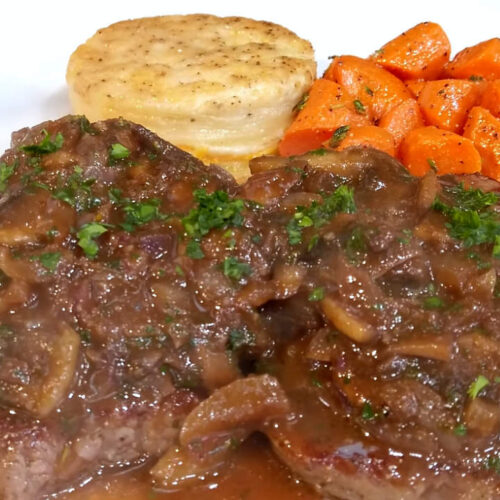
If you love steak, this recipe is for you. This delicious Steak Recipe with a Red Wine Reduction Sauce is sure to impress. The key to a good Steak is the meat quality – make sure to get a good cut from your butcher.
I use a New York Strip for this recipe, but you can certainly use any steak you choose.
I also recommend using a red wine such as a Cabernet Sauvignon or a Syrah that you personally enjoy for the sauce. This is important because reducing a bad-tasting wine doesn’t make it taste any better!
And, of course, no Steak is complete without a generous helping of potatoes and mushrooms. So give this recipe a try; I know you’re going to love it!
What are the best wines to use for a Steak Recipe with a Red Wine Reduction
One of the best things about a good steak is that it pairs so well with wine. A juicy, flavorful steak can really benefit from a rich, full-bodied red wine.
But what if you want to take your steak to the next level? A red wine reduction is a perfect way to do just that.
By simmering a red wine down to a thick consistency, you can add an extra layer of flavor to your steak. Just be sure to use good quality red wine, or your reduction will taste bitter and overpowering.
Fortunately, there are several red wines that pair well with steak. For a truly luxurious steak experience, I recommend using a nice bottle of Cabernet Sauvignon or a Syrah to make your red wine reduction sauce. And of course, serve yourself a glass of the same to enjoy with your steak dinner!
What side dishes go well with a nice juicy steak?
There are a number of great side dishes that go well with steak. Of course, potatoes and mushrooms are classic, and below in this steak recipe I prepare Baby Nouvelle Potatoes and Baby Portobello and Shiitake Mushrooms.
Other great sides would be a delicious Mushroom Soup, Garlic Mashed Potatoes, or for a fancier potato dish Potato Romanoff, all providing a creamy contrast to the delicious Red Wine Reduction Sauce. Other classic options include Green Beans and buttery Asparagus Tips. Roasted veggies such as carrots, Brussels sprouts, or steamed broccoli are good options as well.
For something a little different, another popular option is Macaroni and Cheese, which provides a creamy contrast to the savory steak. And for a lighter side, a simple salad with Vinaigrette Dressing is always a hit.
Warm crusty bread or hot dinner rolls are almost a requirement. Or you may want to kick it up a little and serve your steak with some delicious Garlic Bread!
If you are in the mood for a little Turf and Surf don’t be afraid to consider Creamy Garlic Shrimpor Shrimp Sambuca both would be unexpected but exciting side options.
How to Cook a Steak with a Red Wine Reduction Sauce
Hello friends, Today I'm going to show you how to cook a New York Strip Steak with a Red Wine Reduction Sauce! A Super easy dinner to make and definitely worth it. A Red Wine Reduction is a really easy sauce to make, but be sure you use a good wine!
½of a bottle Good Red Wine (Cabernet or Syrah are perfect for this recipe)
1cupBeef Stock
For the Potatoes:
½poundBaby Nouvelle Potatoes
1tablespoonGarlic chopped
1tablespoonParsley chopped
1tablespoonThyme or Rosemary freshly chopped
Salt and Pepper to taste
For the Mushrooms:
2tablespoonsOlive Oil
¼poundsBaby Portobello and Shiitake Mushrooms sliced
Salt and Pepper to taste
1tablespoonThyme or Rosemary freshly chopped
1tablespoonParsley chopped
Get Recipe Ingredients
Prevent your screen from going dark
Recipe Instructions
For the Steak:
If you have the time, salt the steak on both sides and set it on a rack not covered. Leave in the fridge overnight if you have the time or at least 1 or 2 hours. If you are in the hurry, just add the salt and the same time as the pepper.
Preheat Oven to 450°F / 230°C
In a stainless steel or cast-iron pan heat some clarifies butter. Season the steak with crushed black pepper.
When hot add the steaks and do not move for about 2 or 3 minutes. Flip on other side and transfer to the oven to cook. Depending on the thickness it could take 6 to 8 minutes to cook to your liking.
Make the Red Wine Reduction:
In a saucepan, add a couple tablespoons of butter and when hot add the shallots and reduce until light golden brown. Add the tarragon and wine and let it reduce until about ¼ of the wine remains.
Add the beef stock and let it reduce for a minute.
When ready to serve, turn off the heat, add the remaining butter, and incorporate well.
Make the Potatoes:
Poach the potatoes in boiling water and cook through. When they are cooked drain and set them on a cookie sheet to cook and reserve.
When ready to cook, reheat them in a frying pan, with some good olive oil, garlic and chopped herbs and parsley. Salt and pepper to taste. Mix well and serve.
Make the Mushrooms:
In a sauté pan, heat the oil and when hot add the sliced mushrooms. Cook until they have released their water. Add the garlic and herbs, mix well and serve.
Pro-Tips
Achieving the Perfect Sear
To ensure your steak gets that beautiful brown crust, resist the urge to move it around the pan. Let it sit undisturbed for the first few minutes. This allows the Maillard reaction to occur, creating a delicious crust.
Bonus Pro-Tip: Herb Butter
For an extra layer of flavor, mix softened butter with minced garlic, thyme, and rosemary. Dollop this herb butter on top of your steak as it rests. The butter will melt, creating a mouthwatering sauce. For recipes on a number of delicious Compound Butters check out Creating Flavorful Compound Butters
Equipment - You can find the items below at our online store!
Frequently Asked Questions About Cooking Steak With A Red Wine Reduction Sauce
1. How should I season my steak for the best flavor?
Seasoning is key to a flavorful steak. Start by patting the steak dry with a paper towel to remove excess moisture, ensuring a better sear. Generously season both sides with salt and pepper at least an hour before cooking. For deeper flavor, you can season the steak 24-48 hours in advance and let it sit in the refrigerator. This dry brining process helps the salt penetrate the meat, enhancing both flavor and tenderness.
In addition to salt and pepper, consider adding garlic powder, onion powder, or herbs like thyme and rosemary. For an extra touch, rub the steak with fresh garlic or garlic butter just before cooking.
2. What is the best cut of steak for pan-searing?
The best cut for pan-searing depends on your preference for flavor and texture. Popular choices include ribeye, New York strip, and sirloin. Ribeye is well-marbled, providing rich flavor and tenderness, while New York strip offers a balance of marbling and lean meat. Sirloin is leaner but still delivers good flavor. For the best results, choose a cut with even marbling and at least one inch thick to ensure a juicy steak with a perfect crust.
3. How do I know when my steak is done?
The most accurate way to determine if your steak is done is by using a meat thermometer. For a medium-rare steak, aim for an internal temperature of 130-135°F. For medium, target 135-145°F. Remember that the steak will continue to cook slightly after being removed from the heat, known as carryover cooking. If you don’t have a thermometer, you can use the touch test: compare the feel of the steak to the fleshy part of your palm beneath your thumb when you touch your thumb and middle finger together (medium-rare).
4. Should I let my steak rest after cooking?
Yes, letting your steak rest after cooking is crucial. Resting allows the juices to redistribute throughout the meat, ensuring a juicy and flavorful steak. Place the steak on a cutting board and loosely tent it with foil for about 5-10 minutes. This step helps the meat relax and reabsorb its juices, preventing them from spilling out when you cut into it.
5. What’s the best way to cook a steak on the stovetop?
To cook a steak on the stovetop, follow these steps:
1. Heat a cast iron skillet over medium-high heat until very hot.
2. Add a high smoke point oil, like avocado oil, and heat until shimmering.
3. Place the steak in the skillet and sear without moving it for a few minutes to form a crust.
4. Flip the steak and add garlic butter to the pan. Spoon the melted butter over the steak as it cooks.
5. Use a meat thermometer to check for doneness, and let the steak rest before serving.
6. What is the Maillard reaction?
The Maillard reaction is a chemical reaction between amino acids and reducing sugars that gives browned foods their distinctive flavor. When searing a steak, this reaction occurs on the surface, creating a delicious crust. To maximize the Maillard reaction, ensure your steak is dry before cooking and your pan is hot.
7. How can I achieve a perfect crust on my steak?
To achieve a perfect crust, start by drying the steak thoroughly with a paper towel. Season generously with salt and pepper. Use a cast iron skillet and heat it over medium-high heat until very hot. Add oil with a high smoke point, like avocado oil, and sear the steak without moving it for a few minutes. Flip the steak and repeat. For added flavor, spoon melted garlic butter over the steak during the final minutes of cooking.
8. What is a red wine reduction sauce?
A red wine reduction sauce is made by reducing red wine with shallots and beef stock until it thickens and intensifies in flavor. To make it, sauté shallots in a hot pan, add red wine, and let it reduce by half. Add beef stock and simmer until the sauce reaches a velvety consistency. Finish with a bit of butter for a silky texture. This sauce pairs beautifully with steak, adding depth and richness.
9. Can I cook a steak entirely on the stovetop?
Yes, you can cook a steak entirely on the stovetop. Use a heavy skillet, preferably cast iron, and heat it until very hot. Sear the steak on each side until a crust forms and the internal temperature reaches your desired doneness. For thicker cuts, you may need to reduce the heat to medium after searing to ensure the steak cooks evenly without burning the exterior.
10. What are some easy sides to pair with steak?
Steak pairs well with a variety of sides. Classic choices include garlic mashed potatoes, sautéed mushrooms, and steamed asparagus. You can also serve roasted Brussels sprouts, creamy spinach, or a fresh green salad. These sides complement the rich flavor of the steak and create a balanced meal.
11. How do I make garlic butter for steak?
To make garlic butter, soften butter at room temperature and mix it with minced garlic, chopped fresh herbs (like thyme and rosemary), and a pinch of salt. Roll the mixture into a log and refrigerate until firm. Slice a piece of garlic butter and place it on top of the hot steak just before serving, allowing it to melt and enhance the flavor of the meat.
12. What is the best way to reheat leftover steak?
To reheat leftover steak without drying it out, use a low and slow method. Preheat your oven to 250-275°F. Place the steak on a wire rack set over a baking sheet and heat until it reaches your desired temperature, usually about 20-30 minutes for a medium-rare steak. Alternatively, you can reheat it in a skillet with a bit of butter over low heat.
13. Can I freeze cooked steak?
Yes, you can freeze cooked steak. Allow it to cool completely, then wrap it tightly in plastic wrap and place it in a freezer-safe bag or container. Frozen steak can be stored for 2-3 months. When ready to eat, thaw the steak in the refrigerator overnight and reheat using a low and slow method to maintain its texture and flavor.
14. How do I make a red wine reduction sauce?
To make a red wine reduction sauce, sauté shallots in a hot pan with a bit of oil until softened. Add red wine and let it reduce by half over medium heat. Add beef stock and continue to simmer until the sauce thickens. Finish with a knob of butter, whisking it in for a smooth and glossy sauce. Season with salt and pepper to taste.
15. What’s the best wine to pair with steak?
Pairing wine with steak enhances the dining experience. Bold red wines like Cabernet Sauvignon, Syrah/Shiraz, and Malbec complement the rich flavors of steak. For a leaner cut, try a Merlot or Pinot Noir. These wines have the structure and depth to balance the meat’s fat and savory profile.
16. How do I use a meat thermometer?
To use a meat thermometer, insert the probe into the thickest part of the steak, avoiding bone and fat. For medium-rare, the temperature should be 130-135°F; for medium, 135-145°F. Ensure you check the temperature while the steak is still cooking, and remember that the meat will continue to cook slightly after being removed from the heat due to carryover cooking.
17. Can I use different herbs for seasoning my steak?
Yes, you can use a variety of herbs to season your steak. Thyme, rosemary, and oregano are excellent choices. You can also experiment with herbs like basil, parsley, or even mint, depending on your taste preferences. Fresh herbs can be added to the garlic butter or used to marinate the steak before cooking.
18. What is the best way to slice steak?
To slice steak, always cut against the grain. This means slicing perpendicular to the direction of the muscle fibers, which makes the meat more tender and easier to chew. Use a sharp knife and cut the steak into thin slices for the best texture and presentation.
19. Should I marinate my steak?
Marinating can add flavor and tenderness to certain cuts of steak, especially leaner ones like flank or skirt steak. For ribeye or New York strip, marinating is not necessary but can enhance the flavor. Use a marinade with a balance of acid (like lemon juice or vinegar), oil, and seasonings. Let the steak marinate in the refrigerator for at least 2 hours or overnight for deeper flavor.
20. How do I achieve a medium-rare steak?
To achieve a medium-rare steak, aim for an internal temperature of 130-135°F. Start by searing the steak in a hot skillet for a few minutes on each side. Use a meat thermometer to check the internal temperature. Once it reaches the desired range, remove the steak from the heat and let it rest for a few minutes before serving. This method ensures a juicy, perfectly cooked steak with a warm, red center.
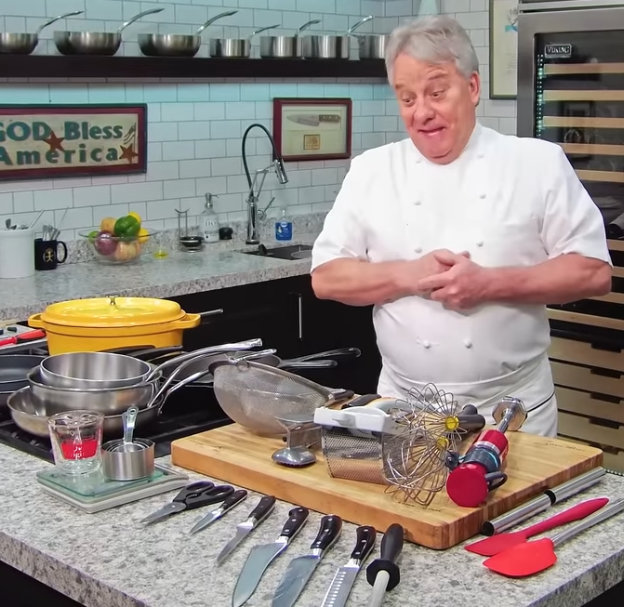
Chef Jean-Pierre, born in Aix-en-Provence, France, honed his culinary skills at a young age, mastering the art of charcuterie by the age of twelve. Determined to become a chef, he began his formal apprenticeship at L'Oustau de Baumaniere in Provence, one of the world’s best restaurants with a 3-star Michelin rating.
Jean-Pierre continued his apprenticeship on the French Riviera where he worked at famous restaurants, such as L’Oasis at La Napoule, Le Vendome in Aix-en-Provence, and the the Carlton in Cannes. In 1976, he opened The Left Bank Restaurant, consistently recognized as one of the best in America for 22 years by magazines like "Bon Appetit," "Conde Nast," "Gourmet Magazine" and "Travel & Leisure."
Jean-Pierre was also a popular TV personality, having hosted National Public Television series like "Incredible Cuisine” and "Sunshine Cuisine." He was also nominated for "Best Culinary Video" by the James Beard Foundation and operated the nationally renowned “Chef Jean-Pierre's Cooking School” and was a sought-after guest on shows like "The Today Show" and "Larry King Live."
With over 1.8 Million Subscribers to his Chef Jean-Pierre YouTube Channel, he is a widely respected figure in the culinary world, known for his skill and dedication to his craft, but even more so known for making gourmet cooking fun and easy to learn.
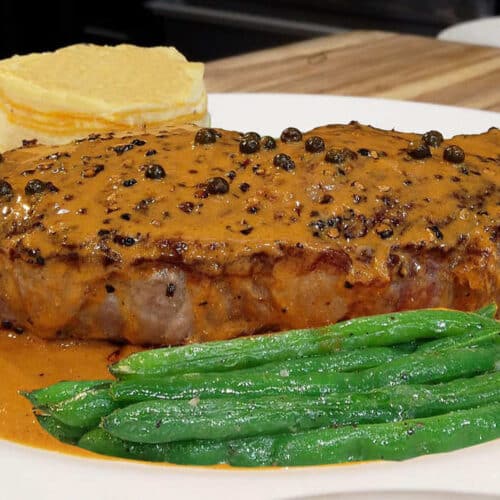
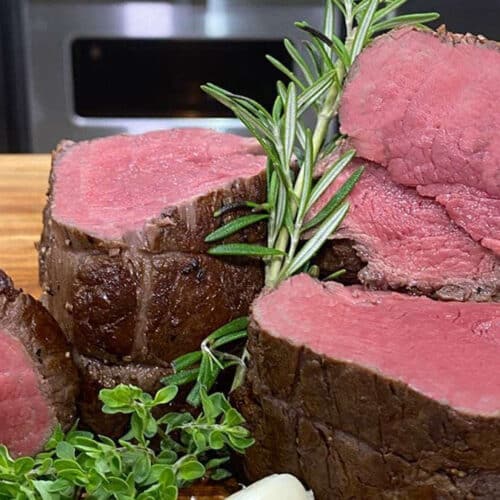
Made the wine reduction recipe using the previous commentor’s amount of beef stock to use since the amount was never addressed in the recipe or video and it was amazing. This is so much more amazing than the peppercorn sauce. This wine reduction sauce is so easy and wonderful that it is now my go to recipe to serve with steak or my Christmas beef tenderloin. Once again a chef’s kiss.Thank you Chef Jean Pierre!!!
Len
on May 20, 2023 at 4:58 pm
For the reduction how much beef stock? I didn’t see him add it in the video either.
I added a cup. And reduced it until half or so gone
5-inch high-carbon German Stainless Steel blade will effortlessly slice through your steak, bread, vegetables, and fruits. The handle is ergonomically designed Pakka Wood. Makes a perfect gift presented in a beautifully crafted wooden box.












Made the wine reduction recipe using the previous commentor’s amount of beef stock to use since the amount was never addressed in the recipe or video and it was amazing. This is so much more amazing than the peppercorn sauce. This wine reduction sauce is so easy and wonderful that it is now my go to recipe to serve with steak or my Christmas beef tenderloin. Once again a chef’s kiss.Thank you Chef Jean Pierre!!!
For the reduction how much beef stock? I didn’t see him add it in the video either.
I added a cup. And reduced it until half or so gone