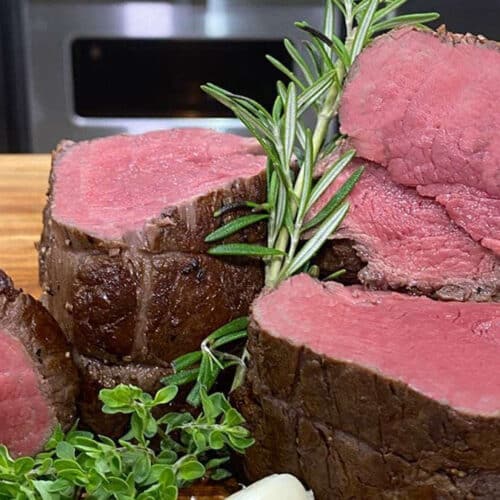
This Chateaubriand recipe is melt-in-your-mouth tender and full of flavor. Making Chateaubriand one of the most popular cuts of beef available.
A roast cut from the center of beef tenderloin, it is a French dish seared and then roasted, and served with a sauce made from a reduction of the pan drippings with Madeira or Port Wine and beef stock.
Because of its delicious flavor, and of course cost, Chateaubriand is often considered to be a luxurious or special occasion meal and can be found on the menus of many of the finest restaurants in the world.
While Chateaubriand is often considered to be a special-occasion dish, it is actually quite easy to prepare at home. If you are planning on serving chateaubriand for dinner, your guests or that special someone will love you for it!
Chateaubriand, often synonymous with elegance, traces its roots back to 19th-century France. Named after François-René de Chateaubriand, a French statesman and writer, this dish initially symbolized opulence and refinement.
Traditionally prepared using the center cut of beef tenderloin, Chateaubriand has since become a culinary staple in fine dining establishments worldwide. Over the years, various regional twists have been introduced, but the essence of this classic French Chateaubriand recipe remains timeless.
Essential Tools for Chateaubriand Success
When I’m ready to cook a chateaubriand, my first priority is ensuring I have the proper kitchen setup:
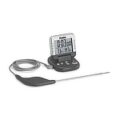
Thermometer: Tracking doneness is crucial with a chateaubriand recipe. Using a dependable thermometer helps you know exactly when the internal temperature reaches the sweet spot—whether you prefer it rare, medium-rare, or something slightly more cooked. Aim for the thickest part of the roast.
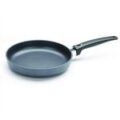
Cast Iron Skillet or Dutch Oven: This sturdy piece of cookware retains heat wonderfully. A good cast iron skillet over medium-high heat will help you get a gorgeous sear on each side, while a Dutch oven can also be used if you want to finish cooking the beef roast in the oven.
Tongs: You don’t want to pierce this delicate cut, so tongs are your friend. With tongs, you can rotate the beef tenderloin without poking holes and losing those precious juices.
Baking Sheet with a Cooling Rack: A baking sheet with a cooling rack is handy if you’re doing a quick transfer or to rest the meat once you remove from the oven.
Avocado Oil or Clarified Butter in a Large Pan: You can use Avocado Oil, any oil with a high smoke point, or clarified butter in a large skillet to sear your roast before placing it in a hot oven.
From experience, you’ll discover that “mise en place” (everything ready to cook) is half the battle. If you have your equipment set it aside in an organized manner, you’ll feel prepared once you pat the tenderloin dry, season with salt, and start to preheat oven temperatures to your desired level.
Common Mistakes to Avoid
Despite this dish being super easy to prepare in theory, there are a few pitfalls:
Not Letting It Sit at Room Temperature: If the tenderloin is fridge-cold, it won’t cook evenly. Always let the chateaubriand sit at room temperature for at least 30 minutes or so before placing it in a skillet or the oven.
Skipping the Rest Period: When you remove the meat from the oven or after a reverse-sear, let it rest for 10 minutes (at least!) beneath aluminum foil. This keeps it succulent and ensures you don’t lose valuable juices.
Overcrowding the Pan: This is a precious cut of meat—give it space to develop that brown crust. An overcrowded pan lowers the temperature and can lead to steaming instead of the sear you want.
No Thermometer: We can’t guess with something so prized. A trusty thermometer is everything. I’ve encountered too many heartbreaks with an overcooked tenderloin, and I’m sure we’ve all been there.
Underestimating Flavor Agents: Black pepper, cloves of garlic, shallot, thyme, and tarragon can lift this classic beef dish to a new dimension. Keep them on hand.
Regional Flavor Profiles
While the classic preparation focuses on simplicity, different regions have added their own flair to Chateaubriand:
French Style: The quintessential preparation relies on simplicity and high-quality ingredients. Seasoned with kosher salt and freshly ground black pepper, the beef is often paired with a rich red wine sauce or demi-glace. Fresh herbs like thyme and tarragon are commonly used to infuse the dish with subtle earthy notes. The French approach emphasizes the natural flavors of the tenderloin, making it the star of the meal.
Italian Twist: This variation adds a Mediterranean touch to the dish. Rosemary, thyme, and a drizzle of high-quality olive oil enhance the beef’s natural richness. Some chefs incorporate garlic and a splash of balsamic vinegar during the searing process for a slightly tangy finish. Served alongside roasted vegetables or polenta, the Italian-style Chateaubriand offers a rustic yet refined experience.
Asian-Inspired: An adventurous twist involves a soy-based glaze, complemented with hints of ginger, garlic, and a touch of sesame oil. This variation often includes a light marinade that enhances the beef’s umami profile. Garnished with scallions and sesame seeds, the Asian-inspired Chateaubriand brings a unique fusion of flavors to the table. Pair it with steamed rice or stir-fried vegetables for a complete meal.
Feel free to experiment with these profiles while staying true to the core of this classic beef dish.
Side Dish Pairing Suggestions
Let’s talk about the perfect accompaniments. I’ve chosen three side dishes from my website to enhance your Chateaubriand dining experience:
Fondant Potatoes: Fondant potatoes are the ultimate luxurious side dish. These golden-brown beauties are crispy on the outside and buttery soft on the inside. Their richness pairs perfectly with the tender, juicy Chateaubriand, creating a harmonious balance of textures and flavors. Plus, the subtle flavor of thyme and butter in the potatoes complements the herb-infused pan sauce beautifully.
Sautéed Green Beans Almondine:Bright, crisp, and slightly caramelized, green beans sautéed with shallots and toasted almonds bring a fresh and vibrant contrast to the dish. The delicate sweetness of the shallots enhances the earthiness of the beans, while their slight crunch from the almonds provides a delightful textural counterpoint to the melt-in-your-mouth Chateaubriand.
Mushroom Sauce:This rich and creamy sauce is a game-changer. Made with mushrooms, beef stock, and a splash of dry red wine, it’s an indulgent companion to the filet mignon. Its earthy depth and silky texture elevate the beef’s natural flavors, making each bite irresistible.
Storage: Best Practices for Maintaining Quality
If, by some rare chance, you find yourself with leftover chateaubriand, don’t fret. Proper storage will help preserve the flavors:
Refrigeration: Place any remaining slices in an airtight container or wrap them tightly in aluminum foil. This helps lock in moisture. Leftovers are best enjoyed within 2 to 3 days, so keep that in mind. If you’re planning to reheat, do so gently—use medium-low heat or a quick swirl in a pan with 2 tablespoons of unsalted butter to prevent overcooking.
Freezing: Can you freeze it? Yes, you can. If you must, wrap your chateaubriand thoroughly, adding another layer of plastic wrap or aluminum foil to minimize freezer burn. This is especially important with tender beef that can lose its luscious texture if left unprotected for too long. When you’re ready to enjoy it again, move it to the fridge to thaw overnight before reheating.
Reheating: Nothing is more heartbreaking than toughening up what was once a beautifully tender piece of meat. For gentle reheating, I recommend a quick trip to a warm oven (around 300°F) until it’s heated through. Alternatively, a slow reheat on the stovetop with a lid can bring some moisture back into the chateaubriand. The key is to avoid high direct heat that can zap all the juiciness you worked so hard to maintain.
There we have it, friends—a comprehensive look at everything you need to know before you order a chateaubriand, or cook one in your own kitchen. For me, it’s all about savoring each moment of the process. You’ll see how a well-cooked center cut of beef tenderloin can be an unforgettable treat—especially if you share it with someone you love.
Hello there friends, an exciting recipe today! I am going to share with you how to make the Perfect Chateaubriand! A Filet Mignon for 2. Super easy to prepare and make. The only thing that it isn't easy on, is your wallet. This is the perfect dinner to cook when you really want to impress that special someone you love!So if you're ready to do some lovin' ...Let's get cooking!
2tablespoonsClarified Butter or Cooking Oil, like Avocado or Vegetable oil
For the Sauce:
4 to 6clovesof Garlic
¼cupShallots chopped
1cupMadeira or Port Wine
1tablespoonThyme and Rosemary chopped
1tablespoonCornstarch diluted into 2 tablespoons water, if needed
2 to 3ouncesof Butter
Get Recipe Ingredients
Prevent your screen from going dark
Recipe Instructions
For the Chateaubriand:
Salt the roast generously all over and place it on a rack on a cookie sheet in the fridge not covered for a few hours or as much as 48 to 72 hours.
Preheat Oven to 225ºF / 120ºC
Add Pepper when you are ready to cook, If you have a thermometer be sure to insert it like the Chef did in the video!
It took the Chef 90 minutes to cook the roast to 125ºF /51ºC
Remove roast from Oven and allow resting for at least 15 minutes.
When ready to eat, heat a sauté pan with clarified butter or a cooking oil like avocado or vegetable oil, to create a nice sear.
For the Sauce:
To make a quick glaze in the same pan, add a couple cloves of garlic, when the roast is nice and golden brown, remove it and set it aside. Add some chopped shallots and cook them until golden brown, deglaze the pan with about 1 cup of Madeira or Port wine, add some chopped thyme and rosemary, stock salt and pepper and bring to boil. Reduce to the right consistency or thicken with a little corn starch.
Turn heat off and add butter and mix it is quickly.
Pro-Tips
Internal Temperature is Key
I can’t stress enough how vital it is to watch your temperature. A thermometer might just be your best friend when cooking a tenderloin. Sometimes we get impatient, or we rely on old rules of thumb, but each cut of meat can differ slightly in thickness and fat content.By checking your internal temperature, you can avoid the heartbreak of an overcooked roast. Remember, you want that perfect medium-rare or the doneness that suits your palate best. For best results, you want to pull your roast out of the oven once the internal temperature has reached 120 to 125 degrees Fahrenheit.
Bonus Pro-Tip: Seasoning Can Make a Huge Difference
Don’t be shy about seasoning your beef tenderloin. Many people are hesitant, but sprinkling generous kosher salt over the entire cut, perhaps 1 to 2 hours before cooking, allows the salt to penetrate deeply.That initial salting helps create a flavor-packed bite, all while ensuring it’s seasoned properly. Follow it up with a dusting of black pepper—some might prefer freshly ground black pepper—for a final pop that pairs perfectly with the natural richness of the meat.
Equipment - You can find the items below at our online store!
Chateaubriand is a cut of beef that is taken from the thickest part of the tenderloin. It is typically only big enough to serve two to four people, making it the perfect choice for an intimate dinner.
But it also really depends on the size of the chateaubriand, and your side dishes. If it is a bigger cut you could feed between four and six people. Of course, if you have a large group to feed, you can always cook two chateaubriands. Or, if you’re looking for a smaller portion, you can always order a chateaubriand for two.
No matter how you slice it, Chateaubriand is sure to be a hit!
Is Chateaubriand a recipe or a cut of beef?
Chateaubriand is both a recipe and a cut of beef. Chateaubriand the recipe is traditionally a roast made from the center cut of beef tenderloin (known as the “Chateaubriand”) But the recipe can also be made with other cuts of beef, such as ribeye or sirloin.
Chateaubriand is seared on the outside and then roasted or grilled until rare or medium-rare in the center. It is then served with a sauce made from reductions of white wine and beef stock, usually with shallots, mushrooms, and herbs such as tarragon.
Is Chateaubriand the same as filet mignon?
Chateaubriand and filet mignon are both cuts of beef tenderloin, but they come from opposite ends of the tenderloin. Chateaubriand is cut from the center of the tenderloin towards the thickest end of the tenderloin, while filet mignon is cut from the smaller end of the tenderloin. Chateaubriand is usually larger and more expensive than filet mignon.
Chateaubriand is also 2 or 3 times thicker than a typical filet mignon and considered a roast while filet mignon is typically an individual serving of steak, which is where it gets its name. Filet mignon means “dainty fillet” or “cute fillet” in French.
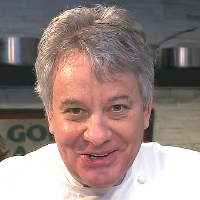
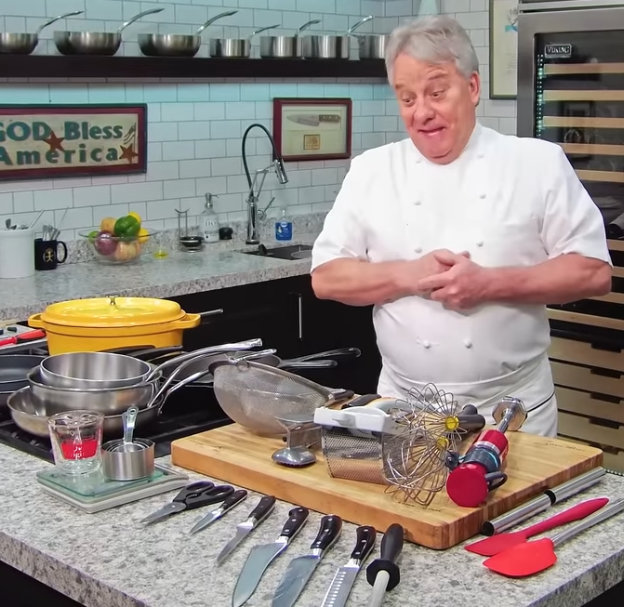
Chef Jean-Pierre, born in Aix-en-Provence, France, honed his culinary skills at a young age, mastering the art of charcuterie by the age of twelve. Determined to become a chef, he began his formal apprenticeship at L'Oustau de Baumaniere in Provence, one of the world’s best restaurants with a 3-star Michelin rating.
Jean-Pierre continued his apprenticeship on the French Riviera where he worked at famous restaurants, such as L’Oasis at La Napoule, Le Vendome in Aix-en-Provence, and the the Carlton in Cannes. In 1976, he opened The Left Bank Restaurant, consistently recognized as one of the best in America for 22 years by magazines like "Bon Appetit," "Conde Nast," "Gourmet Magazine" and "Travel & Leisure."
Jean-Pierre was also a popular TV personality, having hosted National Public Television series like "Incredible Cuisine” and "Sunshine Cuisine." He was also nominated for "Best Culinary Video" by the James Beard Foundation and operated the nationally renowned “Chef Jean-Pierre's Cooking School” and was a sought-after guest on shows like "The Today Show" and "Larry King Live."
With over 1.8 Million Subscribers to his Chef Jean-Pierre YouTube Channel, he is a widely respected figure in the culinary world, known for his skill and dedication to his craft, but even more so known for making gourmet cooking fun and easy to learn.
How far in advance can you cook the filet in the oven before you begin the reverse sear?
Thank you,
Sherry
Love your videos!
Doug Clark
on May 12, 2023 at 11:01 am
Can you sous vid the Chateaubriand? I’ve never seen you do anything with that tool.
Charlie
on December 4, 2022 at 1:13 pm
This reverse sear method is genius! So much more control over the roasting. Incredible recipe turned out perfectly. Thank you. I am now a new fan of your site!
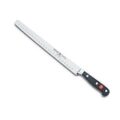
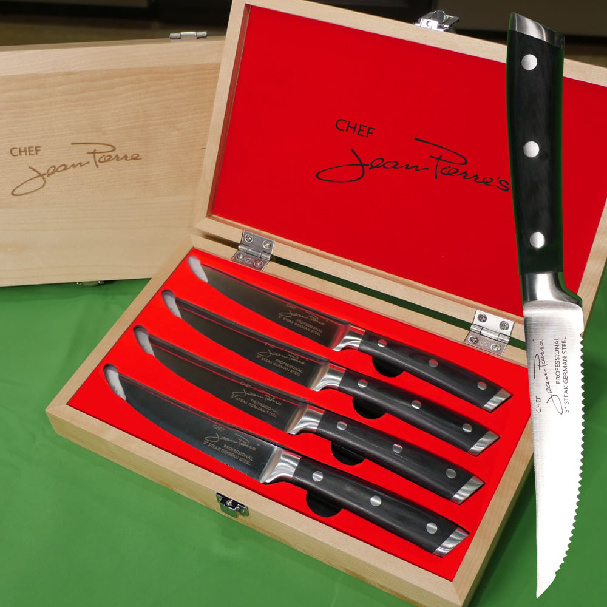
5-inch high-carbon German Stainless Steel blade will effortlessly slice through your steak, bread, vegetables, and fruits. The handle is ergonomically designed Pakka Wood. Makes a perfect gift presented in a beautifully crafted wooden box.









How far in advance can you cook the filet in the oven before you begin the reverse sear?
Thank you,
Sherry
Love your videos!
Can you sous vid the Chateaubriand? I’ve never seen you do anything with that tool.
This reverse sear method is genius! So much more control over the roasting. Incredible recipe turned out perfectly. Thank you. I am now a new fan of your site!