A Beef Wellington Recipe Fit for a King and Queen (and Princes & Princesses!)
The traditional Beef Wellington recipe is made with a beef tenderloin wrapped in a puff pastry and then baked. The dish, created in England in the 19th century, is believed to be named after the Duke of Wellington, and is said created by his chef.
There are many different recipes for Beef Wellington, (even a single-serve size Individual Beef Wellington recipe) but the traditional way is with beef tenderloin. However, you could use a ribeye roast or sirloin butt roast. You could even use a pork tenderloin if you prefer.
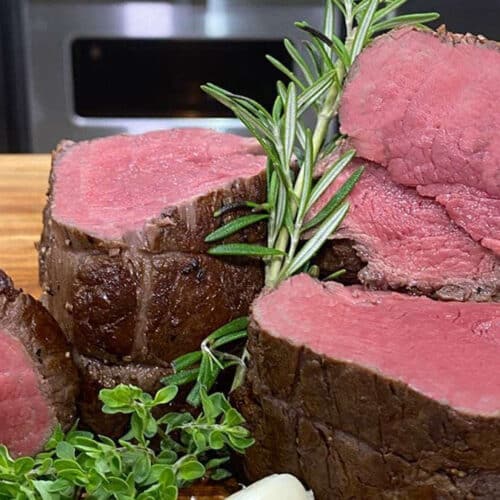
But for me, the best Wellington is with a beef tenderloin. This prime cut of meat is very tender and has a lot of flavor. When it is wrapped in pastry, it creates a delicious and impressive dish perfect for any special occasion.
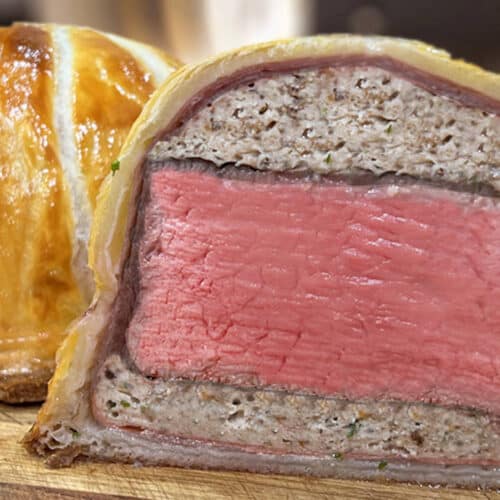
It truly is a special dish. It’s not just the beef that makes it so, but the entire package. The beef is encased in a pastry shell, which is then baked. This creates a beautiful crust that seals in all of the flavors of the beef. The result is a juicy, tender piece of meat that is absolutely melt-in-your-mouth delicious.
How to Best Serve Beef Wellington
When you’re ready to serve beef wellington, you want to aim for a medium-rare, juicy piece of beef right at the center of the beef, encased in flaky, buttery puff pastry. This pastry is golden brown and gives just the right crispness to balance the tender beef inside.
For those who might prefer well-done, you’d want to sear the beef a little longer before wrapping it, or use a thermometer to get your preferred doneness. Trust me, beef in puff pastry can be a glorious, melt-in-your-mouth experience that leaves everyone talking!
Suggested Side Dishes for Beef Wellington
Asparagus Tips A refined and elegant side that pair exceptionally well with rich dishes like Beef Wellington. Prepared by quickly blanching or steaming, the asparagus tips retain their bright green color and crisp-tender texture, which brings a refreshing contrast to the buttery, flaky puff pastry and tender beef. Their mild, grassy flavor is versatile and light, offering a touch of freshness that complements the heavier, savory elements of the main dish.
To elevate the dish further, the asparagus tips are often served with a drizzle of lemon juice or a light sauce, such as hollandaise. The citrus or creamy elements enhance the natural flavors of the asparagus while providing a subtle acidity that balances the richness of the wellington.
Butternut Squash Bisque A creamy, velvety soup made from pureed butternut squash, which brings a subtle sweetness and a warm, earthy flavor to the table. Roasting the squash before blending deepens the flavor and caramelizes its natural sugars, adding a hint of nuttiness that contrasts beautifully with the savory notes in a Beef Wellington.
This bisque often includes aromatics like garlic, onions, and herbs (such as thyme or sage), which enhance its complexity and depth. A touch of cream or coconut milk is sometimes added, lending a silky richness that balances the beef’s bold flavors.
Stuffed Onion – Using a Sweet Vidalia Onion A delicious and visually impressive side dish perfect for elevating a Beef Wellington meal. Sweet Vidalia onions, known for their naturally mild and slightly sweet flavor, are hollowed out and stuffed with a savory filling that complements the onion’s unique taste. Vidalia onions become exceptionally tender and sweet when roasted, adding a caramelized depth of flavor to each bite.
The stuffing often includes a mixture of breadcrumbs, herbs, cheese, and sometimes sausage or bacon, which adds a hearty, savory layer that pairs well with the rich flavors of Beef Wellington.
Spinach Salad with Garlic Custard & Hot Bacon Dressing A sophisticated, layered dish that elevates a classic spinach salad with a few indulgent twists. The fresh spinach provides a crisp, vibrant base with its mildly earthy flavor, which contrasts beautifully with the rich garlic custard and smoky bacon dressing.
The garlic custard, soft and creamy, is made by blending roasted garlic with a smooth custard base, giving the dish a luxurious texture and a subtle, sweet garlic flavor. The custard adds a velvety richness to the salad and pairs exceptionally well with the spinach, allowing the green’s freshness to shine while adding depth and warmth to each bite.
Beef Wellington is one of those special-occasion dishes that’s a showstopper on the table. Between the buttery puff pastry, the flavorful prosciutto and mushroom duxelles, and the tender beef in the middle, it’s something you’ll want to make when you really want to go all out. I hope this introduction and serving guide has given you the tools you need to make beef wellington with confidence. And, of course, add a little humor and fun along the way — because cooking should always be a joy, especially with dishes like this one.
So, what are we waiting for? Let’s get cooking!
The Perfect Beef Wellington Recipe - A Step by Step Guide
Hello there friends, come and watch my Step by Step Video Guide below on how to make the Perfect Beef Wellington. It may be time-consuming. Although there is a lot of prep you can all do this! It is not as difficult as many expect. And it makes the perfect meal for those special occasions and holidays. Or make it for a dinner party and really blow your guests' minds! So, let's get cooking!
2tablespoonsClarified Butter or your favorite cooking oil
2tablespoonsDijon Mustard
Salt and Pepper
Make the Duxelle:
2tablespoonsButter
10ouncesPortobello Mushrooms cut into very small pieces
¼cupShallots minced
¾cupham, no water added diced into very small dice
2tablespoonsTarragon chopped
Porcini Salt, if you have some if not regular salt will work as well and pepper to taste
1Egg White
Make the Crepe Batter (make about 2 cups and 6 Crepes):
2large Eggs
1cupWhole Milk
1cupAll-Purpose Flour
2tablespoonsButter melted
Salt and Pepper to taste
Wrap the Filet and Prepare it for the Oven:
2 to 3Crepes depending on their size and the size of your Filet
8 to 10VERY THIN Slices of Prosciutto
2cupsof cooled Mushroom Duxelle
3Egg Yolks - mixed with 2 tablespoons Milk for the egg wash
Get Recipe Ingredients
Prevent your screen from going dark
Recipe Instructions
Prepare the Meat:
Salt and pepper your filet and Sauté it BRIEFLY in clarified butter in a 375ºF/190ºC to create a nice crust.Brush with Dijon mustard generously and wrap with plastic wrap and refrigerate for at least 2 to 3 hours
Make the Duxelle:
In a large frying pan, add butter and when hot add shallots, sauté until LIGHT golden brown. Add the mushroom and cook slowly until ALL the water has evaporated. This could easily take 10/12 minutes. Add the ham and the tarragon. Transfer to a glass bowl and add on add egg white. And let it cool in a cookie sheet to allow the moisture to escape easier.
Make the Crepe Batter (make about 2 cups and 6 Crepes):
Make the crepe batter and if you have time let is rest in the fridge for 24 hours. This will produce a more relax crepe not as elastic and rubbery as it can be if you use the batter right away.In a glass bowl just mix all the ingredients until nice a smooth, if you have a blender do not hesitate to use it!
Cook the Crepes:
Use the largest NON-STICK frying pan you have heat some butter ,when hot at about 300ºF pour 3 to 4 ounces of the batter (depending on the size of your pan) and cook the crepe like the Chef did in the video.
Wrap the Filet and Prepare it for the Oven:
Preheat Oven to 400 ºF/ 205 ºC:
First put one or two crepes on your kitchen counter and carefully measure with your filet to make sure you’ll have enough “real estate” to cover the filet. Like the chef did in the video.Top the crepes carefully with the prosciutto.Top the prosciutto with the duxelle to cover the entire surface.Wrap the filet with plastic wrap the let it rest in the fridge for a few minutes while you take out your dough from the fridge.
Wrap with the pastry like the Chef did in the video.
BAKE AT 400 ºF / 205 ºC UNTIL THE DOUGH IS GOLDEN BROWN
Pro-Tips
Reduce the Risk of Breaking the Pastry
After seasoning and brushing the beef with Dijon mustard, wrap it tightly in plastic wrap and chill it for 2-3 hours before moving to the next steps. Chilling the beef is crucial because it allows the mustard and seasoning to penetrate the meat while also helping it firm up. This firmness makes the beef easier to handle when wrapping it in prosciutto and puff pastry, reducing the risk of breaking the pastry or losing its shape during baking. Chilling also contributes to even cooking, giving you a perfectly tender Beef Wellington with each slice.
Bonus Pro-Tip: Keeping Your Puff Pastry Crisp
To keep your puff pastry crisp use a thin crepe layer between the beef and pastry. This crepe acts as a moisture barrier, absorbing any juices from the beef or mushroom duxelles that would otherwise make the pastry soggy. Additionally, the crepe holds all the components together, ensuring the beef, duxelles, and prosciutto stay wrapped tightly and bake evenly.
Equipment - You can find the items below at our online store!
Frequently Asked Questions About Preparing a Beef Wellington Recipe
1. What is the best cut of beef for Beef Wellington?
The most suitable cut for Beef Wellington is the tenderloin, specifically the chateaubriand. This cut, taken from the center portion of the tenderloin, is known for its tenderness and even thickness, which is ideal for even cooking. When choosing a tenderloin, look for a piece free of excess fat and sinew, which can be tough and affect the texture of the final dish. Opting for a whole tenderloin and butchering it yourself can be more economical, allowing you to use other parts for different recipes.
The tenderloin’s natural tenderness ensures a melt-in-your-mouth experience. The chateaubriand portion is particularly prized because of its uniformity in size, making it easier to sear evenly and wrap without any parts being over or undercooked. For best results, season the beef liberally with salt and pepper and allow it to rest before searing to develop a rich, flavorful crust.
2. How do I prevent the puff pastry from becoming soggy in my Beef Wellington Recipe?
To prevent the puff pastry from becoming soggy, you must thoroughly cook the mushroom duxelles until all moisture is evaporated. Mushrooms have a high water content, so it is crucial to cook them until they are dry and have a paste-like consistency. After preparing the duxelles, allow them to cool completely before spreading them over the beef. Another key step is to chill the Beef Wellington after wrapping it in puff pastry. This allows the pastry to firm up and prevents moisture from seeping in during baking.
Additionally, wrap the beef tightly with a layer of prosciutto before wrapping it in the puff pastry. The prosciutto acts as a barrier, further preventing moisture from the beef and duxelles from seeping into the pastry. Be sure to use an egg wash to seal the edges of the puff pastry, which also helps create a crisp and golden finish.
3. Can I make a Beef Wellington Recipe ahead of time?
Yes, Beef Wellington can be made ahead of time to ease preparation on the day of serving. After wrapping the beef with the mushroom duxelles, prosciutto, and puff pastry, tightly wrap the Wellington in plastic wrap and store it in the refrigerator for up to 24 hours. This helps the flavors meld and the pastry to set, ensuring a crisp texture when baked. If you plan to prepare it further in advance, consider freezing it; however, make sure to wrap it securely to prevent freezer burn.
When making it ahead, keep the Wellington refrigerated until you are ready to bake it. If you choose to freeze it, allow it to thaw in the refrigerator before baking to ensure even cooking. This method not only saves time but also allows you to focus on other components of the meal or entertain guests without rushing in the kitchen.
4. When making a Beef Wellington Recipe, what part of the process is the best time to prep and save for later – after the egg wash or after the initial wrap?
The best time to prep and save Beef Wellington for later is after the initial wrap with puff pastry and before applying the egg wash. At this stage, the Wellington can be wrapped tightly in plastic wrap and stored in the refrigerator for up to 24 hours. This resting period allows the pastry to firm up and makes it easier to handle. When ready to bake, remove the Wellington from the fridge, apply the egg wash, and bake according to the recipe instructions.
If you apply the egg wash before storing, the pastry may become too moist, affecting its ability to puff and become golden. Storing after the initial wrap keeps the pastry intact and prevents any unnecessary moisture buildup, ensuring a flaky result.
5. How do I keep the Wellington in the fridge before the final bake?
To keep Beef Wellington in the fridge before the final bake, ensure it is tightly wrapped in plastic wrap to prevent air exposure, which can dry out the pastry. It is also important to place the wrapped Wellington on a flat surface, like a baking sheet, to maintain its shape. Refrigerating the Wellington allows the flavors to meld and ensures that the pastry stays firm, resulting in a flaky texture when baked.
Be sure to place the wrapped Wellington in a cold section of the refrigerator, away from any items that could emit moisture. The goal is to keep the pastry dry and cold until it’s time to bake, which will enhance its crispness and prevent any sogginess.
6. What is the ideal internal temperature for Beef Wellington, and how do I achieve it?
The ideal internal temperature for a medium-rare Beef Wellington is 135°F (57°C). To achieve this, use a reliable meat thermometer and insert it into the thickest part of the beef tenderloin. Bake the Wellington in a preheated oven at 400°F (200°C) and check the temperature after about 25-30 minutes. Remember that the temperature will continue to rise slightly after removing the Wellington from the oven, so aim to remove it at around 130°F (54°C) for a perfect medium-rare.
Ensure that you check the temperature regularly, especially in the final minutes of baking, to avoid overcooking. A meat thermometer is essential for this purpose and ensures that you achieve your desired doneness without compromising the quality of the puff pastry.
7. Can I freeze Beef Wellington, and if so, at what stage?
Yes, Beef Wellington can be frozen either before or after baking. If freezing before baking, wrap it tightly in plastic wrap and then aluminum foil to prevent freezer burn. To freeze after baking, allow the Wellington to cool completely before wrapping it in plastic wrap and aluminum foil. When ready to cook, if frozen raw, bake directly from frozen, adding extra time. If frozen after baking, thaw it in the fridge and reheat in a preheated oven to maintain the crispy pastry.
Freezing before baking is preferable, as it allows you to bake the Wellington fresh, ensuring the best texture for the puff pastry. Just remember to adjust your cooking time to account for the Wellington being frozen, and use a meat thermometer to check for the desired doneness.
8. How do I ensure the beef is evenly cooked in a Beef Wellington Recipe?
To ensure the beef is evenly cooked, sear the tenderloin in a very hot skillet to create a caramelized crust while keeping the inside rare. Use clarified butter or a high smoke-point oil like avocado oil for a quick sear. After searing, let the meat cool before wrapping it in the pastry. The cooling step is essential to prevent overcooking the outer layers while the pastry bakes. A meat thermometer will help you monitor the internal temperature to achieve the desired doneness.
By allowing the beef to rest after searing, you help the juices redistribute and prevent them from leaking into the pastry. This method also helps maintain the beef’s tenderness and flavor, resulting in a perfectly cooked Wellington.
9. Why is Dijon mustard used in a Beef Wellington Recipe?
Dijon mustard is used in Beef Wellington for two primary reasons: flavor and moisture retention. After searing the beef, it is brushed generously with Dijon mustard. The mustard adds a tangy flavor that complements the richness of the beef and the pastry. Additionally, the mustard creates a thin barrier that helps retain moisture in the beef, preventing it from drying out during the baking process.
The mustard also helps tenderize the meat and adds depth to the flavor profile of the dish. It pairs well with the earthy taste of the mushroom duxelles, making each bite complex and satisfying.
10. What type of mushrooms should I use for the duxelles?
Cremini or shiitake mushrooms are excellent choices for the duxelles due to their earthy flavor and meaty texture. Finely chop the mushrooms and sauté them with shallots, garlic, and herbs until all the moisture has evaporated. The resulting paste-like consistency enhances the flavor profile of the Beef Wellington while also preventing excess moisture from seeping into the pastry.
You can also experiment with other mushroom varieties, such as portobello or porcini, to add different flavors. The key is to cook them thoroughly until no moisture remains, which is crucial for maintaining the integrity of the puff pastry.
11. How can I achieve a crispy, flaky pastry for Beef Wellington?
To achieve a crispy, flaky pastry, use high-quality puff pastry and keep it cold until just before baking. Brush the pastry with an egg wash made from egg yolks and a little milk or water, which gives the pastry a golden, glossy finish. Bake the Wellington in a preheated oven at 400°F (200°C) to ensure even cooking. Avoid overhandling the pastry, as this can cause it to become tough or greasy.
Additionally, use a baking sheet lined with parchment paper to prevent sticking and facilitate even browning. Keeping the pastry cold and minimizing its handling will ensure that it puffs up beautifully, creating a light, crisp outer layer.
12. Can I make a vegetarian version of a Beef Wellington Recipe?
Yes, a vegetarian version of Beef Wellington can be made using hearty vegetables like portobello mushrooms, eggplant, or even a plant-based meat substitute. Prepare the duxelles as usual with mushrooms, shallots, garlic, and herbs, and consider adding other vegetables such as spinach, roasted red peppers, or even lentils for added texture and flavor. You can also use a plant-based pâté or a layer of mashed potatoes for a unique twist. Wrap the vegetable filling in puff pastry, and follow the same baking instructions, adjusting the cooking time as needed to ensure that the vegetables are tender and the pastry is golden and crisp.
The vegetarian Wellington should be assembled in the same manner as the traditional recipe, ensuring that the duxelles and any additional fillings are cooked until all moisture is evaporated to prevent sogginess. This variation can be just as flavorful and satisfying as the meat version, making it an excellent option for vegetarians or anyone looking for a lighter, plant-based alternative.
13. What side dishes pair well with Beef Wellington?
Beef Wellington pairs beautifully with a variety of side dishes that complement its rich flavors. Roasted vegetables, such as asparagus, carrots, or Brussels sprouts, provide a fresh and colorful contrast to the savory Wellington. Starch-based sides like mashed potatoes, gratin dauphinois, or a creamy risotto add a comforting and filling element to the meal. A crisp salad with a light vinaigrette can also provide a refreshing counterpoint to the richness of the dish.
Classic sauces like béarnaise, hollandaise, or a rich red wine jus can enhance the flavors and add a luxurious touch to the Wellington. For wine pairings, consider a full-bodied red wine, such as Cabernet Sauvignon or Merlot, which complements the beef and mushroom flavors well. Overall, choose sides that balance the dish’s richness and bring variety to the meal.
14. Why is it important to let the beef cool before wrapping it in pastry?
Allowing the beef to cool before wrapping it in pastry is crucial to prevent the pastry from becoming soggy. When hot beef is wrapped directly, steam and juices can cause the pastry to soften and lose its flakiness. Cooling the beef also ensures that it retains its juices, which results in a more flavorful and moist finished dish. The cooling process allows the flavors of the seasoning and Dijon mustard to meld into the meat, enhancing the overall taste.
Wrapping the beef while it is still warm can cause the pastry to break down and not bake evenly, resulting in a less desirable texture. By letting the beef rest and cool, you maintain the integrity of both the beef and the pastry, ensuring a perfect bite every time. This step may seem minor but is key to achieving a professional-quality Beef Wellington.
15. What is the purpose of using prosciutto in a Beef Wellington Recipe?
Prosciutto adds a salty, umami flavor to Beef Wellington and helps keep moisture in the beef. When wrapped around the beef, it forms an additional barrier that protects the puff pastry from moisture released by the beef and duxelles during cooking. This results in a crisp, flaky pastry and a juicy, flavorful interior. The thin slices of prosciutto also contribute a delicate texture that complements the tender beef.
Besides flavor, prosciutto serves a practical purpose by providing structure to the Wellington. It helps keep the mushroom duxelles in place and prevents them from leaking out during cooking. The combination of prosciutto and duxelles creates a flavorful coating around the beef, making each bite complex and delicious.
16. How do I handle the puff pastry to prevent it from tearing or becoming tough?
To prevent puff pastry from tearing or becoming tough, handle it gently and keep it cold until just before baking. Use a light dusting of flour on your work surface and rolling pin to prevent sticking, and avoid stretching the dough, which can cause it to weaken and tear. If the pastry does tear, patch it with a small piece of dough and smooth it over with a rolling pin. It is important to work quickly but carefully to maintain the pastry’s integrity.
Keep the pastry as cold as possible throughout the preparation process. If it becomes too warm, it can become sticky and hard to manage. Chill the pastry in the refrigerator if it begins to soften, and roll it out only when ready to wrap the beef. This ensures that the butter layers in the dough remain intact, leading to a beautifully flaky crust when baked.
17. Can I use a different type of pastry for a Beef Wellington Recipe?
While puff pastry is traditional for Beef Wellington, you can experiment with other types like shortcrust or filo dough. Shortcrust pastry will give a firmer texture, while filo will be lighter and crispier. However, puff pastry is recommended for its buttery flavor and flakiness, which complements the rich beef and duxelles. The multiple layers in puff pastry create a crisp and airy texture that balances the dense and savory fillings inside.
Using a different pastry may require adjustments to cooking times and temperatures. For example, filo dough needs to be brushed with butter between each layer and baked at a slightly lower temperature to prevent burning. No matter which pastry you choose, the key is to ensure it remains dry and firm during preparation to achieve the best possible results.
18. How do I add extra flavor to the mushroom duxelles?
To add extra flavor to the mushroom duxelles, consider incorporating ingredients like garlic, truffle oil, or different herbs such as rosemary or thyme. You can also add a splash of white wine or a small amount of cream for a richer taste. Ensure that all added liquids are fully reduced to prevent sogginess in the final dish. Cooking the mushrooms until they are deeply browned will also enhance their natural umami flavor.
Another way to boost the flavor is to use a mix of different mushrooms, such as porcini, chanterelles, or portobello, which have a more intense and varied taste profile. Season generously with salt and pepper, and allow the mixture to cool completely before using it in the Wellington to keep the pastry crisp.
19. Should I rest the Beef Wellington after baking, and why?
Yes, rest the Beef Wellington for 10-15 minutes after baking to allow the juices to redistribute throughout the meat. This resting period ensures that the beef remains tender and juicy when sliced. Cutting into the Wellington immediately after baking could cause the juices to run out, resulting in a drier dish. The resting time allows the beef to reabsorb its moisture, leading to a more succulent bite.
Additionally, resting helps the pastry retain its structure and crispiness. By allowing the Wellington to cool slightly, you avoid breaking or crumbling the delicate layers of puff pastry when slicing, which is important for presentation and texture.
20. How do I know when the Beef Wellington is perfectly cooked?
The Beef Wellington is perfectly cooked when the internal temperature reaches your desired doneness, typically 135°F (57°C) for medium-rare. The puff pastry should also be golden brown and flaky, indicating that it is fully baked. To achieve this, use a meat thermometer inserted into the thickest part of the beef. Check the temperature after about 25-30 minutes of baking in a preheated oven at 400°F (200°C).
If the pastry browns too quickly while the internal temperature of the beef is still low, you can loosely cover the Wellington with aluminum foil to prevent the pastry from burning. Remember that the internal temperature will continue to rise slightly after removing the Wellington from the oven, so it is best to take it out when it is 5-10 degrees below your target temperature. Let it rest for 10-15 minutes before slicing to let the juices redistribute and achieve the perfect texture and flavor.
Chef Jean-Pierre, born in Aix-en-Provence, France, honed his culinary skills at a young age, mastering the art of charcuterie by the age of twelve. Determined to become a chef, he began his formal apprenticeship at L'Oustau de Baumaniere in Provence, one of the world’s best restaurants with a 3-star Michelin rating.
Jean-Pierre continued his apprenticeship on the French Riviera where he worked at famous restaurants, such as L’Oasis at La Napoule, Le Vendome in Aix-en-Provence, and the the Carlton in Cannes. In 1976, he opened The Left Bank Restaurant, consistently recognized as one of the best in America for 22 years by magazines like "Bon Appetit," "Conde Nast," "Gourmet Magazine" and "Travel & Leisure."
Jean-Pierre was also a popular TV personality, having hosted National Public Television series like "Incredible Cuisine” and "Sunshine Cuisine." He was also nominated for "Best Culinary Video" by the James Beard Foundation and operated the nationally renowned “Chef Jean-Pierre's Cooking School” and was a sought-after guest on shows like "The Today Show" and "Larry King Live."
With over 1.8 Million Subscribers to his Chef Jean-Pierre YouTube Channel, he is a widely respected figure in the culinary world, known for his skill and dedication to his craft, but even more so known for making gourmet cooking fun and easy to learn.
Chef JPs instructions were great for me to follow. My family came round and we had it for Sunday dinner, with Chefs dauphinoise potatoes and the mushroom sauce!
5-inch high-carbon German Stainless Steel blade will effortlessly slice through your steak, bread, vegetables, and fruits. The handle is ergonomically designed Pakka Wood. Makes a perfect gift presented in a beautifully crafted wooden box.


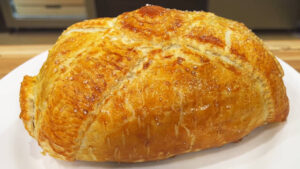 The traditional Beef Wellington recipe is made with a beef tenderloin wrapped in a puff pastry and then baked. The dish, created in England in the 19th century, is believed to be named after the Duke of Wellington, and is said created by his chef.
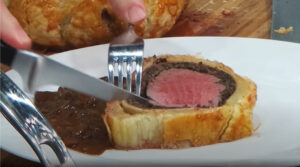 It truly is a special dish. It’s not just the beef that makes it so, but the entire package. The beef is encased in a pastry shell, which is then baked. This creates a beautiful crust that seals in all of the flavors of the beef. The result is a juicy, tender piece of meat that is absolutely melt-in-your-mouth delicious.
 Asparagus Tips A refined and elegant side that pair exceptionally well with rich dishes like Beef Wellington. Prepared by quickly blanching or steaming, the asparagus tips retain their bright green color and crisp-tender texture, which brings a refreshing contrast to the buttery, flaky puff pastry and tender beef. Their mild, grassy flavor is versatile and light, offering a touch of freshness that complements the heavier, savory elements of the main dish.
 Butternut Squash Bisque A creamy, velvety soup made from pureed butternut squash, which brings a subtle sweetness and a warm, earthy flavor to the table. Roasting the squash before blending deepens the flavor and caramelizes its natural sugars, adding a hint of nuttiness that contrasts beautifully with the savory notes in a Beef Wellington.
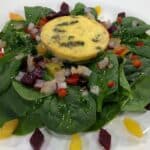 Spinach Salad with Garlic Custard & Hot Bacon Dressing A sophisticated, layered dish that elevates a classic spinach salad with a few indulgent twists. The fresh spinach provides a crisp, vibrant base with its mildly earthy flavor, which contrasts beautifully with the rich garlic custard and smoky bacon dressing.










Chef JPs instructions were great for me to follow. My family came round and we had it for Sunday dinner, with Chefs dauphinoise potatoes and the mushroom sauce!
OMG it was all out of this world.