Mastering the Five Mother Sauces with Chef Jean-Pierre
Welcome to our ultimate guide on creating delicious Mother Sauces. In this featured video, Chef Jean-Pierre demystifies the classic “mother sauces” of French cuisine—Béchamel, Espagnole, Tomato, Hollandaise, and Velouté.
You’ll learn why they’re fundamental, how to make them step by step, and how to transform them into countless variations.
Dive in, follow along, and discover how these versatile sauces can elevate your cooking to a whole new level.
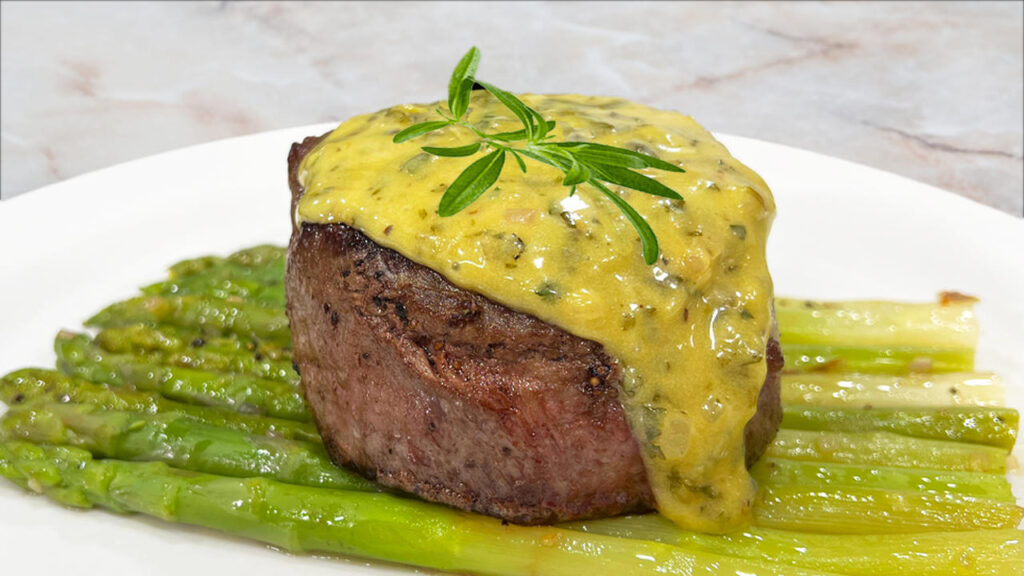
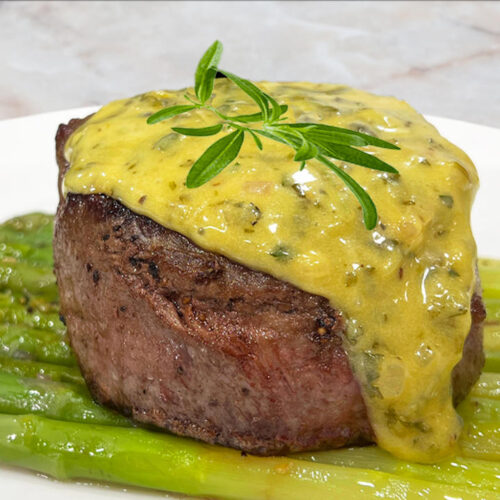
Well, hello friends! A wonderful show today—we’re talking about sauces. We are really talking about the importance of creating sauces and the importance of understanding the mother sauces: the Béchamel, the Velouté, the Tomato, the Hollandaise, and the Espagnole. Not in the order of importance, because they are all very important. Each one of those sauces will allow you to make literally dozens and dozens—if not hundreds—of different sauces. I know you’re going to enjoy it. Sauces are very important, friends. I know steak is good, but when you put a Béarnaise on top of a steak you have an amazing meal!
(00:38)
Let me tell you—it’s delicious. Anyway, I’m going to show you how to make it. I’m going to demystify the whole thing so you really understand how to make them. You’ll see, then you’ll be able to make sauces just as good as any classically trained French chef. I promise you, you can make it—they’re not complicated. Remember: thumbs up if you like the video, don’t forget to subscribe to the channel, and don’t forget to ring the bell. I’m glad you’re here—stay tuned, we’re doing it right now.
2 ½ tablespoons (35g) Butter
4 tablespoons (35g) All-purpose Flour
2 cups (500ml) Milk, warmed
Salt, and Pepper, to taste
Nutmeg, a pinch
Melt butter in a saucepan over medium heat. Add flour and cook for a minute to remove the raw flour taste.
Gradually whisk in warm milk until the mixture is smooth.
Season with salt, pepper, and a pinch of nutmeg.
Continue to cook, stirring constantly, until the sauce thickens and reaches a silky consistency.
Serve hot, utilizing it as a foundational element for various dishes or enjoying it as is, embellished with your preferred spices or additions.
(01:22)
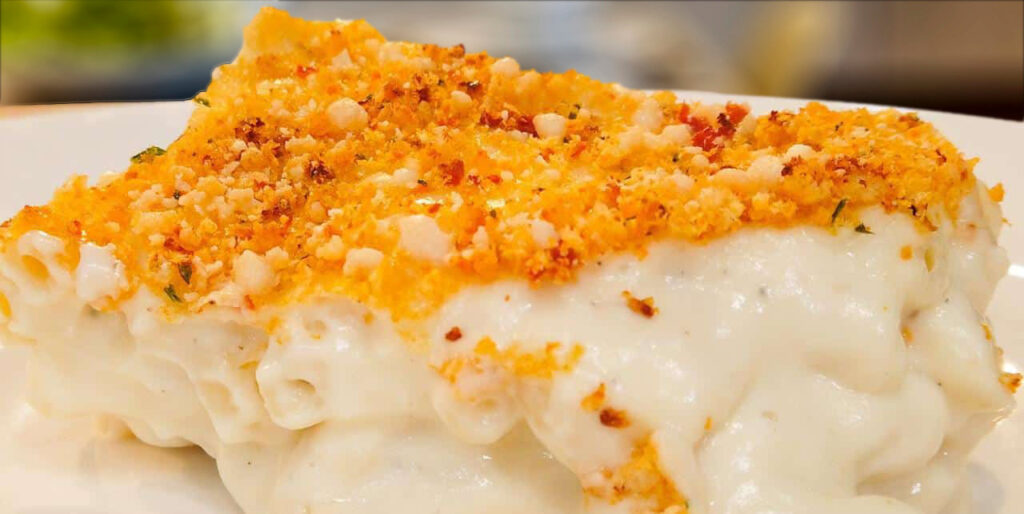
Okay friends, Béchamel is probably one of the most well-known sauces in the world, and it’s the foundation of hundreds of sauces—literally, my friends, literally. Mac and cheese, broccoli and cauliflower gratin, potatoes au gratin, chicken crepes… I know those are old-fashioned, but it’s still the foundation of any milk-based cream sauce is a Béchamel. What is it? So simple. Believe me, everything we do is simple.
I’ve got 2½ tablespoons of butter (that’s 35 grams). I also have 4 tablespoons of flour (that’s also 35 grams). We make sure the weight of the flour is the same as the butter, okay? And we’re making a roux—I mean, a child can do this!.
It’s this simple. We’re going to cook it a little bit because we want to cook out the flour, and you’ll see when we make the Velouté the same deal. Making a roux is very simple: it’s some kind of fat—my favorite is butter—and flour. You can certainly make a roux with oil or tallow or duck fat or whatever makes you happy, but in a Béchamel, the classical way of making it is with whole butter, not clarified butter, because you want the milk proteins. That’s a great flavor—obviously that’s the best part of the butter. Well, clarified butter’s not bad either, but for a Béchamel, we want whole butter.
Here we go, folks. We’ve got this roux right here—very simple. Cook it for a minute or so, to take the raw taste out of the flour. You don’t want that glue-like flavor. They’re laughing at me for saying “raw-ness,” but you know what I mean—the raw taste of the flour. Next, we put warm milk in there, and we’re going to whisk it. Incorporate it until it smooths itself out. You’re whisk. It’s going to become silky smooth, you’ll see in a second—it’s going to be gorgeous. The key is to whisk. A lot of people put cold milk in there. Cold milk works, except it takes forever to cook that sauce. You put hot milk, you’ve got it in no time. The secret is to whisk and incorporate correctly. Then you have nothing to worry about—it’s really, really simple.
So this is the base fundamental of a Béchamel—really that simple. Told you it wasn’t complicated. Nothing we do is complicated—nothing. Cooking is not complicated when you understand the fundamental. It’s really, really easy to do. Let’s mix the sides so we don’t have any flour sticking there. We’ll cook it until it comes to a boil, then cook it very gently. Reduce the fire—you want it extremely low, my friends. It’s really important to cook it as long as you can to remove that raw flour flavor. A little salt and pepper, of course. Be careful if you’re going to use it later on in a Mornay sauce with pecorino Romano—it can be very salty. So maybe hold back a little. Remember, this is a base sauce you’re going to use with something else.
If it gets too thick, you can always add a little bit more milk or a bit of cream. Very simple. For flavor, I like to add nutmeg. I’ve got this new nutmeg grinder—it’s fantastic. Look, you can hear it grinding in there. Just a little nutmeg. Very little, so it’s in the background. Remember, all spices, all seasonings should be in the background, never in the foreground.
(03:37)
We’ll mix this up, and if I wanted to make a Mornay sauce—which I did in so many recipes already: mac and cheese, lobster mac and cheese, chicken crepes—we’d add cheese. If it’s a little thick, put a little more milk or a little bit of cream, depending on what you want to use it for. If, say, you want to make a pink sauce—an Aurora sauce—you’d add some tomato paste. If you wanted to make it a curry sauce, you’d put some curry in there, a little coconut milk.
(07:20)
So, Let’s do a curry sauce. I’ve got a teaspoon of curry powder, and I’ve got a bit of coconut milk. I’ll mix the curry in, and then to thin it down I’m going to add a little bit of coconut milk. See? Now you have a beautiful curry sauce. You can serve it with chicken, fish—depends how thick you want it. This is just to show you how you can flavor that Béchamel. Now it’s a curry sauce—really, really simple. Season it however you want. If your curry isn’t very hot, put a little hot sauce in there. Now you have a delicious sauce for sautéed chicken or fish.
Look at how gorgeous that is. If it’s a little thick and you’re serving it under fish, make it thinner so you can coat the plate and put your fish on top. Simple. Great for shrimp, too. A fantastic idea with shrimp. If it’s still too thick, add more coconut milk or cream. A little cream always gives it a nice flavor. Taste it, make sure it’s seasoned correctly. It’s a bit thick, but it’s wonderful because if you sauté chicken or fish, you get some cooking juices. Those juices will thin the sauce out. And there you have it—so simple.
Fundamentals of Béchamel, my friends. That’s all there is to it.
8 ounces (226g) Bacon, diced
1 ½ large Onions (464g), chopped
5 cloves garlic roughly chopped
½ cup (138 g) tomato Paste
Salt and ½ teaspoon (2.5g) Black Peppercorns
2 Bay Leaves
1 (380g) Celery Stalks diced
2 (464g) Carrots, diced
4 ounces (8 tablespoons, 111g) butter
½ cup (75g) All-purpose Flour
9 cups (2100ml) Beef Stock
Render bacon over low heat to release fat.
Add onions and cook until golden brown.
Add garlic, tomato paste and cook for a few minutes, add garlic salt and pepper and bay leaves.
Add the celery, carrots and cook for a couple of minutes.
Add the butter and melt it for a couple minutes and add the flour.
When the flour is well incorporated, add the stock.
Bring to a boil, then simmer gently for about 3-4 hours, stirring occasionally.
Strain the sauce, pressing on the solids to extract flavors.
Use as a rich base for other sauces or as a complex gravy.
(09:47)
Okay friends, the next sauce—very important. They’re all very important, but this one is responsible for so many, many sauces you can make. It’s called an Espagnole. In French, “Espagnole” means “Spanish,” but it has nothing to do with Spanish cuisine; that’s just the name. Who knows how they came up with it? This has been part of French cuisine since the late 1700s, 1800s.
I have a half-pound of bacon that I’m sweating at very low heat, because I don’t want to burn the lean part; I just want to release some of the fat. You know, usually we caramelize the onion first, unless there’s bacon involved. If you can find a cured or non-smoked bacon, that’s great. Otherwise, regular bacon is fine.
I have one and a half big onions—those really large ones—roughly chopped. We’re going to brown them. Remember, no matter what we’re making—base sauce or otherwise—we caramelize onions. Don’t put the onions, carrots, and celery in at the same time. Let the onions brown first.
(11:20)
We’ll let them brown for a second. Yes, so the Espagnole sauce was created by a chef in the late 1700s or early 1800s, named Chef Carême, and then Auguste Escoffier in the mid-1800s revised it all and made it part of the classic French cuisine. So it really goes back a long time, and it’s such an important sauce.
In my restaurant, The Left Bank, which I had for 21 years, we called it “Number One Sauce” because it was the base for so many of our sauces. It’s so important for you to do it at home, and it’s not really complicated. I’m going to make it right here in front of you. And you’ll see, I’m not using any fancy ingredients. It is so important, you’ll be able to bring up your cooking to a whole different level.
I have a stock here. For those of you who follow the channel, you probably made this beef stock. If not, we’ll give you a link (Beef Broth / Stock ) so you can try to make it. Or you can buy a good beef broth—whichever brand you like. There are so many out there. When you select a beef broth, if you’re not sure which is good, buy two or three brands and test them side by side. You’ll figure it out.
(13:33)
So we’re caramelizing the onion. I’m checking the bottom of my pot so it doesn’t burn. I’m using medium heat. This sauce is so crucial. Don’t make a small batch—make a nice batch, because you can freeze it for 17 years, minimum. Okay, maybe not 17 years, but you can freeze it for a long time. Then, when you make a sauce, just take a little bit of it and add mushrooms, or spices, or different herbs, or wine. You can make anything from a red wine reduction, to a Madeira sauce, to a hunter sauce—any sauce you like. This is really, really important. I promise you, it’ll bring your cooking to a whole other level.
(14:18)
Alright, so what else do we have here? We’ve got a little garlic—3 or 4 cloves, chopped up a bit. Then I have a quarter-cup of tomato paste. We’re going to sauté the tomato paste for a bit, which makes it sweeter. Very, very important to caramelize the tomato paste a little. Make sure you check the bottom of the pot so it doesn’t burn—that’s why you’re constantly mixing.
We do not add herbs here—an Espagnole is not the finished sauce; it’s a base sauce. You’ll add your herbs when you actually make the finished sauce. Otherwise, if you put tarragon in it now, every sauce you make from it will taste like tarragon, which you might not want. We’ll add some peppercorns, a little salt, maybe a couple of bay leaves, celery, and carrots.
(15:58)
We had a little technical glitch, but I weighed everything. In the printed recipe, you’ll have the exact amounts. This was almost a whole bunch of celery, roughly chopped, and I weighed it. Same for the carrots. Underneath the video, click “Show More” for all the measurements. Not that you really have to measure.
(16:32)
Next, we’ll add a little butter—4 ounces or so—and some flour, then put our stock on it and cook. A child could do this; it’s really not complicated at all. We’ll melt the butter, add the flour, and cook all this, my friends, and this is going to be our Espagnole. You’ll see what comes out of it. It is not complicated to make. You can all make this. Plan a day to make this, because you can do so much with it afterward. So when ever you use a stock use your Espagnole. Your cooking is going to be like WOW!!
(17:40)
So now we’ll add half a cup of flour, mix it with the butter, and cook it for a minute. We’re not too concerned about cooking the roux completely right now, because it will cook further with the stock—we’re going to simmer it gently for at least 3 to 4 hours. We’re going to cook it for a long time.
(18:13)
Now we’ll add our stock. I’ve got it pre-measured. We’ll ladle in about eight cups total—one cup, two cups, three, four, five, six, seven, eight. We’ll see how thick it gets. Then we mix it all together. This is a sauce you’ll use to build other sauces later on—like a souped-up stock. Think of it as a stock thickened with a roux and flavored with bacon, onions, celery, carrots, and tomato paste. That’s all it is.
We’ll stir this well, bring it to a boil, then immediately reduce the heat down as low as possible and let it go 3 or 4 hours. Very, very slowly. Not boiling hard, because it’ll splatter all over your stove. Once it boils, turn it down. I’ll see you in about 3 hours.
(20:18) – After 3 Hours
Alright friends, 3 hours have passed. The Espagnole is ready to be strained. I’m going to make a quick little mushroom sauce to show you how we turn this base sauce into a finished sauce. I’ve got some shallots sautéing in butter—shallots and butter together are very happy.
Now, let me show you how to strain the Espagnole. I’m not going to do the whole pot right now—just enough to demonstrate. Use a fine-mesh strainer or a chinois if you have it. Push the vegetables through. Take your time to squeeze them, remove the vegetables, and keep going until the whole pot is strained. But just to illustrate how to use it, I’m going to make a quick sauce with mushrooms.
We’ve sautéed the mushrooms until they release their water. With the magic of editing, it only took a second. Then I’ll add a little garlic—certainly optional—some fresh thyme (you know I love thyme), and maybe a splash of fortified wine like port. If you use regular wine, you’ll need to reduce it by half, but let’s keep this simple.
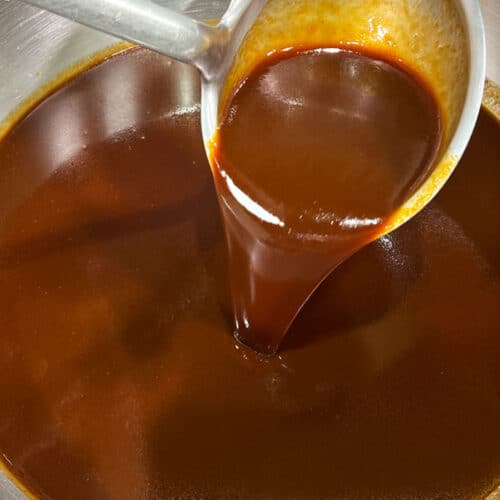
Now that’s done, I’m going to add our Espagnole. Instead of using plain stock, I use the Espagnole, which is basically an enriched stock. Let me grab a ladle. Look at that—beautiful. Now all I do is ladle this in with the mushrooms and shallots. If I had used white wine, it would be a Sauce Chasseur, but there are millions of possibilities.
Look how gorgeous that is. This is a base for anything: steak, poultry, fish. You can rub it all over your body if you want. (Laughs.) Let’s stir in a little butter at the end—heat off—so it doesn’t separate. That’ll give the sauce a nice sheen. Taste and adjust salt and pepper. Delicious.
That’s how you make and use the Espagnole. Simple.
3 Egg Yolks
2 tablespoons (30ml) water
1 teaspoon (5ml) Lemon Juice
1 teaspoon (5ml) white balsamic or white wine vinegar
1 dash of hot sauce (optional)
½ cup (125ml) Clarified Butter
Salt to taste
Whisk egg yolks, water, vinegar, salt, hot sauce and lemon juice together in a heatproof bowl.
Place the bowl over a pot of simmering water (double boiler method), ensuring the water does not touch the bottom of the bowl.
Whisk vigorously until you can see the bottom of your bowl.
Then slowly drizzling in the clarified butter while continuing to mix vigorously until the sauce thickens and doubles in volume.
Remove from heat, and serve immediately or reserve in a warm place 3 TO 4 hours maximum.
(25:28)
Okay friends, another very classic sauce is Hollandaise, which is an emulsion of butter and egg. It’s really simple—I’m going to show you how to make it. I start with three egg yolks. Then I’ll add a little bit of water (maybe a couple tablespoons), a teaspoon of lemon juice, and a teaspoon of good vinegar—champagne vinegar, white wine vinegar, or in my case, a Sicilian lemon vinegar. I also like to put a little hot sauce (totally optional) and a bit of salt.
Mix that very well. You can cook it directly on the stove if you have an electric burner, or you can do it in a bain-marie (a water bath), which I prefer because you don’t want to overcook the eggs. The water shouldn’t be boiling too hard.
We’re going to gently cook the egg mixture. Then we’ll slowly pour in 4 ounces of clarified butter. It’s best to use clarified butter for Hollandaise because butter itself is an emulsion. The milk solids in whole butter can break down and cause your Hollandaise to be less stable. But I’ll also show you a method with whole butter later on.
So I’m whisking the yolks gently over the bain-marie. You don’t want the heat too high or you’ll scramble the eggs. As soon as it’s thickened slightly, we’ll drizzle in our clarified butter slowly. Remember, it’s an emulsion—like mayonnaise—so if you add the fat too quickly, you’ll saturate the yolks and it’ll break. Turn the heat off at this point. We don’t need heat anymore once we’ve cooked the yolks. Keep whisking until it’s beautifully incorporated and thick.
Look at that—nice and thick, absolutely gorgeous. That’s Hollandaise. It cannot be reheated or it’ll break, so keep it in a warm place or in a thermos for a few hours at most.
For Eggs Benedict, for example, I cook my poached eggs in advance (3–3½ minutes), plunge them in ice water, and reheat them later in hot water. That’s a great tip if you’re making Eggs Benedict for a crowd. I have some toasted brioche here with a slice of ham cut to the same size. Place the eggs on top, then spoon the Hollandaise. I don’t like too much sauce—just enough to coat. Garnish with a few chopped chives or tarragon. It’s delicious. Let me cut it open—see how beautiful and runny that yolk is inside? That’s fantastic.
Another Way to Make Hollandaise (Blender Method)
Number of Servings: 4
3 Egg Yolks
2 tablespoons (30ml) water
1 teaspoon (5ml) Lemon Juice
1 teaspoon (5ml) white balsamic or white wine vinegar
1 dash of hot sauce (optional)
½ cup (125ml) WHOLE Butter
Salt to taste
Carefully melt the butter to 200ºF/93º
In your blender process, yolks, lemon juice and water and blend for a few seconds.
Slowly add the melted butter until your sauce is nice a thick.
Adjust seasoning with salt and pepper and maybe add your favorite hot sauce.
Now that you know the classic method, let me show you a shortcut method. If you’re not comfortable with the bain-marie, this is simpler. I’ve got three yolks again, a little water, a little lemon juice, a splash of hot sauce, salt and pepper—same as before. I’m using an immersion blender. You can do it in a regular blender too.
You whisk or blend the yolks a bit, and then you introduce hot butter—about 200 degrees. Whole butter is fine here because the blender is creating the emulsion. Pour the butter in very slowly, just like making mayonnaise. That way, the yolks absorb the butter without getting overwhelmed. And because the butter is hot, it cooks the yolks, thickening the sauce. Introduce it gradually, and you’ll see the sauce come together—beautiful Hollandaise in seconds.
If you let it sit and it thickens, just thin it with a little warm water. That’s it. Super easy, super fast, and you can do it with whole butter because the blender stabilizes the emulsion.
Béarnaise Sauce – Hollandaise with a tarragon-shallot reduction
(34:12)
Now, let’s make a quick Béarnaise, which is basically Hollandaise with a tarragon-shallot reduction. In a small saucepan, sauté some finely diced shallots in a little butter until lightly golden, then add a bit of vinegar (champagne vinegar or something similar), some white wine, chopped fresh tarragon, and maybe a little fresh chervil. Reduce that down until there’s almost no liquid left. That’s your Béarnaise reduction.
You can make a big batch, store it in the fridge, or freeze it, and use it whenever you make Béarnaise. Just add a spoonful or two of this reduction to your Hollandaise. Boom—you’ve got a perfect Béarnaise. Great on steaks or lamb. If it seems too thick, add a bit of warm water at the end.
4 ounces (113g) Bacon, diced (optional)
1 ½ large Onions, finely chopped
Salt, to taste
2 Carrots, finely diced
1 tablespoon Garlic, minced
1 teaspoon Freshly chopped thyme
1 bay leave
3 cans (each 2400g) whole peeled tomatoes, crushed
Pepper, to taste
In a large pot, cook bacon (or heat olive oil)
Add onions, salt and cook until translucent.
Add carrots, cooking until soft.
Add chopped garlic and cook until fragrant.
Add the fresh thyme, Bay leave and stir in crushed tomatoes.
Season with salt and pepper.
Simmer on low heat not covered for 1 ½ to 2 hours until thickened. Adjust seasoning and add fresh herbs if desired.
Use in pastas, stews, or as a base for other dishes.
(42:18)
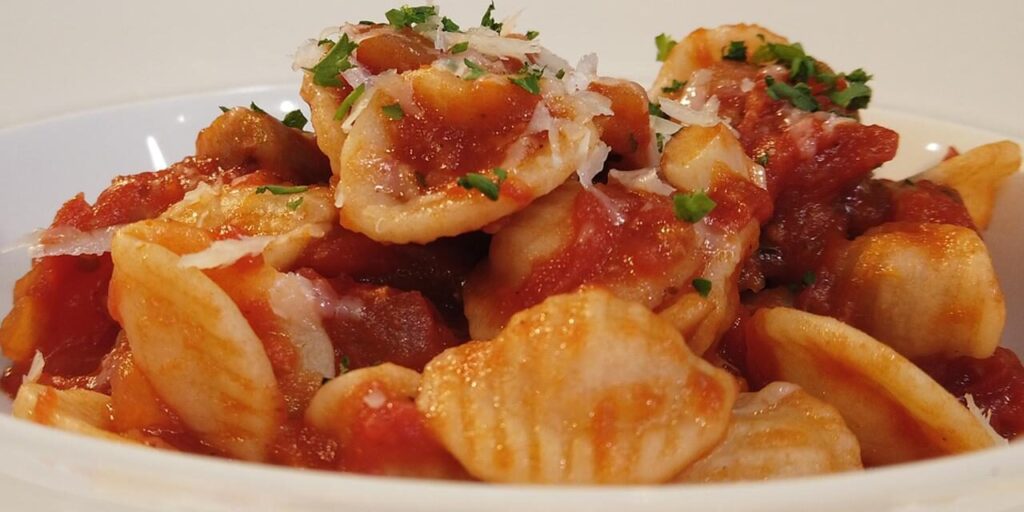
Okay, next is tomato sauce. There are six million recipes out there for tomato sauce. Every family has one. Everybody’s is “authentic.” But let me show you a simple version based on the French mother sauce approach. Traditionally, the old French method even called for a roux, but we don’t really do that today.
So, I start with a little pork fat—4 ounces of bacon—in a pan. If you can find non-smoked bacon, that’s great, so you don’t add smokiness. But if smoked is all you have, that’s fine. Then I have one and a half onions, small dice, added to the bacon fat. If you don’t want bacon, just use a good olive oil. It’s all fine.
We caramelize the onions. A bit of salt helps release the water. Next, add finely diced carrots—tiny dice—because we want them to cook at the same rate. Carrots are sweet, so they’ll help offset the acidity of the tomatoes without needing sugar. Then add some garlic—3 or 4 cloves, chopped. Smell the garlic, then quickly add something wet so you don’t burn it.
I put in tomato paste earlier in the classic method, but here I’m going to add three cans of whole peeled tomatoes that I crushed by hand. Use good San Marzano or another brand you like. You can absolutely use fresh tomatoes if they’re ripe and you peel them. But often fresh tomatoes from the grocery store are pretty flavorless, so good canned tomatoes can be better.
Bring it to a boil, then reduce the heat low so it doesn’t splatter everywhere. You can partially cover it, but don’t seal it completely because you want the moisture to evaporate. This helps reduce acidity. Cook it for an hour and a half to two hours, until your vegetables are soft and your sauce isn’t acidic. If it’s still acidic, you can add a little butter or a touch of sugar—some kind of fat or sweetness to balance the acidity. At that point, you can make anything: puttanesca (capers, olives, anchovies), Bolognese (ground meat, onion, carrot, celery), arrabbiata (spicy chili, garlic), marinara (basil, oregano), vodka sauce, or amatriciana. It’s endless.
That’s it. About two hours is usually enough. Once the carrots are soft and the acidity is cooked out, your sauce is done. It’s a delicious tomato sauce, my friends.
2 ½ tablespoons (35g) Butter
4 tablespoons (35g) All-purpose Flour
2 cups (500ml) warm light Chicken or fish stock
Salt, to taste
Pepper, to taste
Melt butter in a saucepan over medium heat.
Stir in flour to make a roux, cooking for about 1 minute without coloring.
Gradually whisk in stock until the mixture is smooth.
Bring to a boil, then reduce to a simmer.
Cook until the sauce thickly coats the back of a spoon.
Season with salt and pepper.
Use as a base for cream soups, poultry dishes, or enriched with cream and additional seasonings.
(54:04)
Okay friends, the last mother sauce we’ll demonstrate: Velouté. Velouté is not something you usually see on the menu by name, but it’s the base of countless sauces, like curry sauce, mustard sauce, champagne sauce—where you start with a stock thickened by a roux. It could be fish stock, veal stock, chicken stock, shrimp stock—any stock.
The fundamentals of French cooking really aren’t that big a deal, right? I have 2½ tablespoons of butter (35 grams) melting, plus 4 tablespoons of flour (35 grams). Same weight, that’s important. We cook our roux, stirring, because we want to cook out the raw flour taste. Not too dark—we want it lightly cooked. Then we pour in our hot stock—I’m using a lightly roasted chicken stock, but you can use whatever stock you like.
Whisk it in so there are no lumps. Salt and pepper, maybe white pepper if you want a “whiter” sauce, but I’m not a fan of white pepper personally. Let it come to a boil, then reduce the heat. It’ll thicken quickly because our stock is hot. If you taste it now, it’s already nice—good stock, butter, salt, and pepper. But let’s soup it up and make a quick white wine mustard sauce.
In a separate pan, sauté a chopped shallot in a little butter. Maybe add a pinch of salt. Then deglaze with white wine, reduce slightly, add a spoonful of Dijon mustard, a little cream, and an egg yolk if you want richness. Temper the egg mixture by whisking in a ladle of the Velouté, so you don’t scramble the egg, then pour it all back into the pan. Stir it together. That’s a delicious mustard velouté sauce you can serve with fish, chicken, or even seafood. If it’s too thick, add more stock or cream. Taste it for seasoning, and there you have it—a simple variation that shows you how easy it is to transform Velouté into something else.
Chef Jean-Pierre, born in Aix-en-Provence, France, honed his culinary skills at a young age, mastering the art of charcuterie by the age of twelve. Determined to become a chef, he began his formal apprenticeship at L'Oustau de Baumaniere in Provence, one of the world’s best restaurants with a 3-star Michelin rating.
Jean-Pierre continued his apprenticeship on the French Riviera where he worked at famous restaurants, such as L’Oasis at La Napoule, Le Vendome in Aix-en-Provence, and the the Carlton in Cannes. In 1976, he opened The Left Bank Restaurant, consistently recognized as one of the best in America for 22 years by magazines like "Bon Appetit," "Conde Nast," "Gourmet Magazine" and "Travel & Leisure."
Jean-Pierre was also a popular TV personality, having hosted National Public Television series like "Incredible Cuisine” and "Sunshine Cuisine." He was also nominated for "Best Culinary Video" by the James Beard Foundation and operated the nationally renowned “Chef Jean-Pierre's Cooking School” and was a sought-after guest on shows like "The Today Show" and "Larry King Live."
With 2.2 Million Subscribers to his Chef Jean-Pierre YouTube Channel, he is a widely respected figure in the culinary world, known for his skill and dedication to his craft, but even more so known for making gourmet cooking fun and easy to learn.
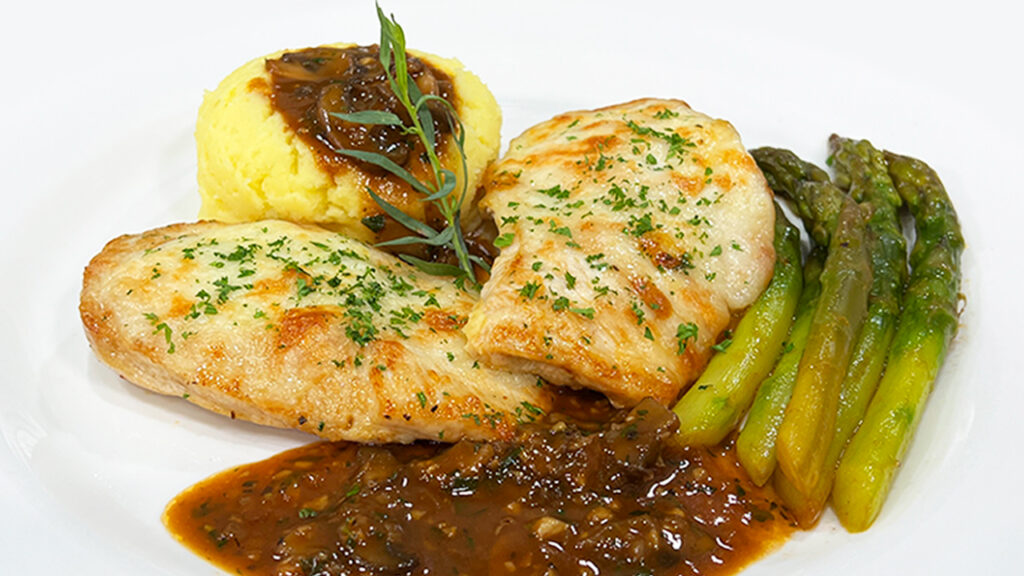
I just watched the Chicken Milanese video. Loved it. While I saw that you have the how to make the lemon sauce in the video, do you have a recipe written for it in case I lose the video?
Oh yeah, you are a kick in the pants. Love listening to you.
Thank you, Chef, for these Mother Sauce recipes! I made a large batch of Espagnole Sauce yesterday. It is wonderful.
I would really enjoy some follow-up videos showcasing different uses for these fantastic sauces. I have this lovely sauce and would now love to learn new things to do with it.
Your online presence makes the internet a better place and your YouTube channel is great. My wife and I watch your videos while we eat our breakfast on Sunday mornings.
My comment on YouTube:
Without a doubt, one of your best ever videos. A good sauce makes a dish and a well made, great sauce makes a dish outstanding. All great chefs are rightly proud of their sauces and your obvious total delight and pride when teaching your ‘versions’ of these classics rates you amongst the world’s best chefs and, arguably, the very best on YouTube.
It’s cold and miserable here in London, UK but your personality and enthusiasm lifts even the lowest spirits. I raise a class to you, maestro – long may you reign.
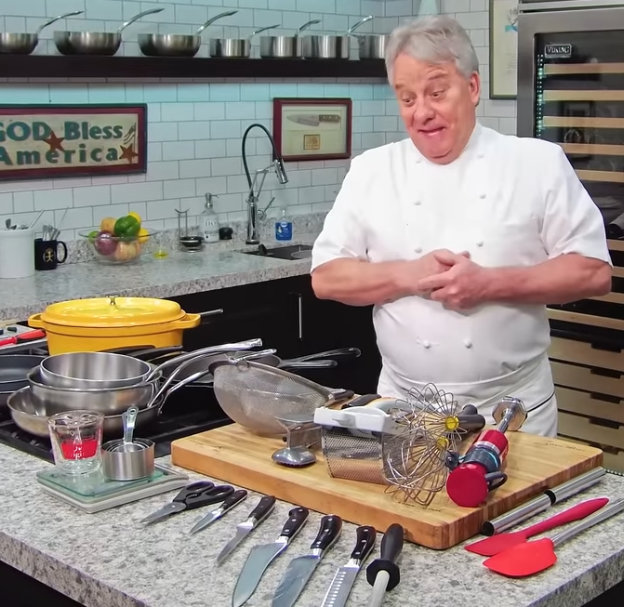
5-inch high-carbon German Stainless Steel blade will effortlessly slice through your steak, bread, vegetables, and fruits. The handle is ergonomically designed Pakka Wood. Makes a perfect gift presented in a beautifully crafted wooden box.










I just watched the Chicken Milanese video. Loved it. While I saw that you have the how to make the lemon sauce in the video, do you have a recipe written for it in case I lose the video?
Oh yeah, you are a kick in the pants. Love listening to you.
Chef you have done an excellent job. Your sauce recipes are really sensible.
Thank you, Chef, for these Mother Sauce recipes! I made a large batch of Espagnole Sauce yesterday. It is wonderful.
I would really enjoy some follow-up videos showcasing different uses for these fantastic sauces. I have this lovely sauce and would now love to learn new things to do with it.
Your online presence makes the internet a better place and your YouTube channel is great. My wife and I watch your videos while we eat our breakfast on Sunday mornings.
God bless America!
Bill Bennett
He is fantastic and I have learned so much with him. I am.now confident to cook and people and family enjoys my food
My comment on YouTube:
Without a doubt, one of your best ever videos. A good sauce makes a dish and a well made, great sauce makes a dish outstanding. All great chefs are rightly proud of their sauces and your obvious total delight and pride when teaching your ‘versions’ of these classics rates you amongst the world’s best chefs and, arguably, the very best on YouTube.
It’s cold and miserable here in London, UK but your personality and enthusiasm lifts even the lowest spirits. I raise a class to you, maestro – long may you reign.