Traditional Bolognese: An Authentic Italian Recipe
Hello friends…I’ve got a revelation for you today! You know how you’ve probably seen spaghetti Bolognese on almost every menu, everywhere? Well, I hate to break it to you, but spaghetti Bolognese doesn’t actually exist—at least not in Italy. What does exist, my friends, is Ragù alla Bolognese, an authentic Bolognese sauce.It’s time to put an end to all the confusion. Today, we’re going to dive into a traditional Bolognese recipe, straight from the Accademia Italiana Della Cucina in Bologna. Here is a link to the traditional Authentic Bolognese Sauce. I’m going to follow it exactly—yes, for once, I’m sticking to the script! So sit tight and let’s do it right, my friends.
A Brief History of Traditional Bolognese
Bologna, the beautiful city nestled in the Emilia-Romagna region of Italy, is the birthplace of the Authentic Bolognese Sauce—often referred to as Ragù alla Bolognese. This dish goes back centuries, but it was officially codified by the Bologna Chamber of Commerce in 1982.
Now, it’s important to note that Bolognese is not the tomato-based sauce many people think it is. In fact, Bolognese is a meat sauce—hearty, rich, and made to cling to wide, flat pasta like tagliatelle. The Bolognese recipe also traditionally includes milk to bind the ingredients and a splash of red wine for added depth of flavor. This sauce is less about the tomatoes and more about the meat, pancetta, and slow-cooked goodness.
How to Best Serve Traditional Bolognese
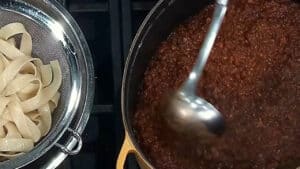
Now, you’re probably wondering how to serve this amazing Bolognese sauce. Well, let me tell you, spaghetti is NOT the pasta to use here. I know, I know, we’ve all seen it—but traditionally, the sauce needs a thicker, wider pasta to really stick to. Tagliatelle, pappardelle, or even fettuccine are the pastas that will hold this authentic Bolognese sauce like a dream. Why? Because they have enough surface area for that hearty meat sauce to really cling on, giving you a perfect bite every time.Want to be really authentic? Serve it with tagliatelle, like they do in Bologna. You’ll see that the texture and the thickness of the pasta is key to letting the Bolognese shine. In fact, if you visit Bologna, you’ll rarely find Spaghetti alla Bolognese. Instead, it’s all about pairing this authentic ragù with flat, wide pasta. Trust me, friends, this is how you get the best out of this sauce.
Suggested Pairings with Traditional Bolognese
Now, friends, once you’ve got your authentic Bolognese sauce ready, it’s time to think about what to serve with it. A great meal isn’t just about the sauce and pasta, but how you bring everything together. Here are a few pairings you can try that’ll make your dinner unforgettable:
Wine: As I mentioned earlier, a good red wine is essential. Go for a Chianti, Sangiovese, or even a Barolo if you want something truly special.
Salad: With such a rich, savory sauce, it’s a good idea to balance the meal with something light and refreshing. A simple mixed green salad does the trick beautifully. Don’t go overboard with heavy dressings or toppings — the salad should complement, not compete with, the Bolognese sauce.
Mixed Greens with Vinaigrette: Toss together a variety of greens like arugula, spinach, and romaine, and dress them with a light vinaigrette made from olive oil, lemon juice, and a touch of mustard. The peppery bite of arugula pairs well with the richness of the meat sauce, while the acidity from the vinaigrette cuts through the fattiness of the Bolognese.
Caprese Salad: Another great option is a Caprese salad made with fresh tomatoes, mozzarella, and basil, drizzled with a little balsamic vinegar. This pairing brings a touch of Italy to the table while adding a clean, bright contrast to the richness of the pasta. The acidity of the tomatoes and the creaminess of the mozzarella work in harmony to refresh your palate between bites.
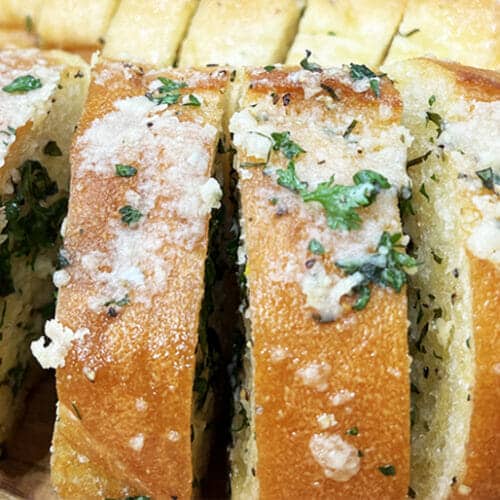
Garlic Bread: Who can resist the allure of garlic bread? While not traditionally served in Italy, garlic bread has become a beloved side dish when enjoying Bolognese in many households. The crunchy, buttery bread pairs perfectly with the hearty Bolognese sauce, offering a satisfying textural contrast.
Classic Garlic Bread: To make your own, simply slice up a baguette, brush each slice with a mixture of butter, garlic, and parsley, and toast them in the oven until they’re golden and crispy. The garlic butter melts into the bread, and each bite of crusty goodness is perfect for mopping up any leftover sauce on your plate.
Cheesy Garlic Bread: If you’re feeling extra indulgent, sprinkle some grated mozzarella or Parmesan on top of the garlic bread before toasting it. This adds another layer of savory flavor, and who doesn’t love melted cheese? Just don’t tell any Italians that you’re serving it with their beloved Bolognese — they might not approve, but your guests certainly will!
Dessert: After enjoying a rich, savory dish like Bolognese, it’s a good idea to finish the meal with something sweet but light. Italian desserts tend to be on the simpler side, which is perfect because you don’t want anything too heavy after such a filling meal. Here are a few dessert options to round off your dinner.
Tiramisu: This classic Italian dessert is made with layers of coffee-soaked ladyfingers and a light, fluffy mascarpone cream, dusted with cocoa powder. The bitterness of the coffee and the sweetness of the cream work together to cleanse the palate and provide a satisfying, yet light, end to the meal. Plus, it’s always a crowd-pleaser.
Panna Cotta: A creamy, custard-like dessert, panna cotta is another wonderful option. Its silky texture and mild sweetness make it a perfect complement to the bold flavors of Bolognese. You can serve it with a drizzle of fresh berries or a simple caramel sauce.
In Conclusion
So, there you have it, friends—a traditional Bolognese recipe that’s as authentic as it gets. We’ve covered the history, the importance of the right pasta, and those little tricks that will make your Bolognese sauce the best it can be. Whether you’re making this for a big family dinner or just to impress yourself, this is one recipe that will always deliver.So, what are we waiting for? Let’s get cooking!
The truth is, Spaghetti Bolognese doesn’t exist! The mayor of Bologna has confirmed that while Ragù alla Bolognese is a classic, it’s never served with spaghetti. Traditionally, this famous Bolognese ragù pairs with wider pasta like tagliatelle or pappardelle. I have the authentic recipe from the Accademia Italiana Della Cucina, and I’m excited to share it with you.
1poundPappardelle or Tagliatelle pasta, cooked according to package directions
Grated Parmesan Cheese for serving
Get Recipe Ingredients
Prevent your screen from going dark
Recipe Instructions
In a sauté pan large enough to cook the ground beef add 2 tablespoons of olive oil and when hot add the beef and cook until golden browned, allowing any excess water to evaporate.
In a large Dutch oven, warm the pancetta and cook until the fat is rendered. You can add a tablespoon of olive oil if you think you need it! After the Pancetta has released enough fat, add the onion and cook until light golden brown.
Stir in the tomato paste and allow it to caramelize briefly. Add carrots and celery, then add the crushed tomatoes and red wine, letting the wine reduce.
Pour in the beef broth, Add the beef if it is nice and golden brown, then cover and simmer gently for about an hour.
After an hour, remove cover and add the milk, stir, and continue simmering not covered for another hour, ensuring the sauce remains moist, adding more broth if needed.
Season with salt and pepper. Toss with cooked pasta and serve topped with grated Parmesan. Enjoy! And there will be plenty of sauce for leftovers 👍
It’s all about the caramelization. When you’re cooking the onions, don’t rush! Take your time to caramelize them, because that deep, rich flavor is going to add a lot to your sauce. You want to get rid of the water in the onions first and let the sugars develop. A caramelized onion will always taste better than a raw one thrown in with the rest of the vegetables.
Bonus Pro-Tip: The Milk Magic
Here’s a little secret many people don’t know: adding milk to your authentic Bolognese is what really brings everything together. The milk binds the flavors, marries the ingredients, and gives the Bolognese that smooth, velvety texture which we all love. My mother used to do this all the time, and I never realized how important it was until I started making this recipe myself. So, don’t skip the milk—it’s key to a truly authentic Bolognese sauce.
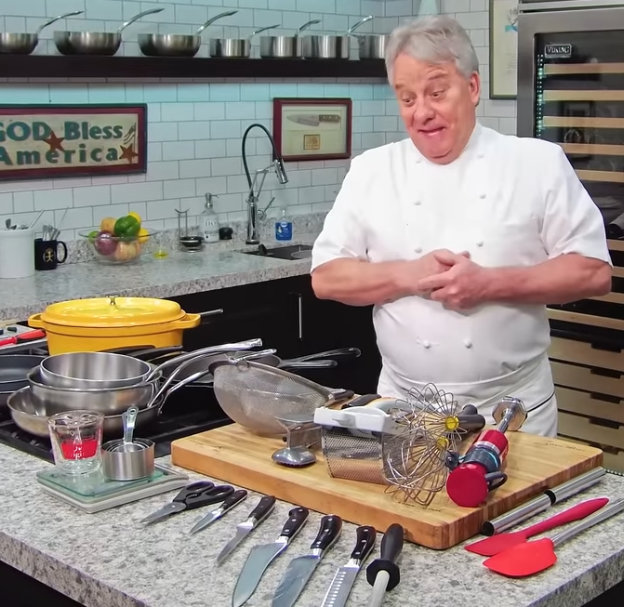
Equipment - You can find the items below at our online store!
Frequently Asked Questions About Traditional Bolognese Recipe
1. What is a Traditional Bolognese recipe?
A Traditional Bolognese recipe is a rich, slow-cooked meat sauce, primarily made with ground beef, pork, pancetta, vegetables (onion, carrot, celery), milk, wine, and a small amount of tomatoes. It originates from Bologna, Italy, and is traditionally served with flat pasta like tagliatelle.
2. Can I use spaghetti in a Traditional Bolognese recipe?
Although widely seen on menus, spaghetti is not traditional. In Bologna, they use wide, flat pasta like tagliatelle or pappardelle because it holds the sauce better.
3. What meats are used in a Traditional Bolognese recipe?
The recipe typically includes ground beef and pork, sometimes with pancetta. You can also use veal or a combination of these for added richness.
4. Why is milk added to a Traditional Bolognese recipe?
Milk is added to balance the acidity of the tomatoes and give the sauce a smooth, creamy texture. It helps bind all the ingredients together.
5. How long should you simmer a Traditional Bolognese recipe?
The sauce needs to simmer for at least two hours, though some recipes recommend up to four or five hours. The longer it cooks, the more flavorful and tender the meat becomes.
6. What vegetables are used in a Traditional Bolognese recipe?
The traditional recipe uses a soffritto of finely diced onions, carrots, and celery. These vegetables give the sauce depth and sweetness.
7. Can I substitute pancetta in a Traditional Bolognese recipe?
Yes, if pancetta is unavailable, you can use bacon or even just more ground pork. However, for the authentic taste, pancetta is preferred.
8. Can I make a Traditional Bolognese recipe without wine?
While wine adds depth, you can skip it or use a substitute like beef broth. Traditionally, red wine is used for its hearty flavor, but white wine can work too.
9. Is a Traditional Bolognese recipe a tomato-based sauce?
No, Bolognese is primarily a meat-based sauce with only a small amount of tomato for balance. The focus is on the meat, unlike other Italian sauces like marinara.
10. Can I freeze a Traditional Bolognese recipe?
Yes, you can freeze Bolognese in an airtight container for up to three months. Thaw it in the fridge overnight before reheating.
11. How do I store leftovers from a Traditional Bolognese recipe?
Store leftovers in an airtight container in the fridge for up to 4-5 days. Reheat gently on the stove, adding a bit of broth or water if it’s too thick.
12. Why doesn’t a Traditional Bolognese recipe include garlic?
Traditional Bolognese recipes do not include garlic, although some modern adaptations do. Purists stick to the basic ingredients of meat, vegetables, and a hint of tomato.
13. How do I prevent my Traditional Bolognese recipe from being too watery?
Simmer the sauce uncovered to allow excess liquid to evaporate. If your sauce is too watery, continue to cook it down slowly, stirring occasionally.
14. What’s the best pasta for a Traditional Bolognese recipe?
Tagliatelle is the best pasta for Traditional Bolognese because it’s wide and flat, allowing the sauce to cling. You can also use pappardelle or fettuccine.
15. Can I use sausage in a Traditional Bolognese recipe?
Yes, you can use Italian sausage, especially if you prefer a spicier kick. Chef Jean-Pierre recommends using spicy sausage for more flavor.
16. What wine pairs well with a Traditional Bolognese recipe?
A medium-bodied red wine like Chianti or Sangiovese pairs wonderfully with the rich, meaty flavors of Traditional Bolognese. For more pairings, check Chef Jean-Pierre’s website.
17. How can I make my Traditional Bolognese recipe richer?
Use a mix of beef and pork, add milk for creaminess, and allow the sauce to cook slowly. Using high-quality meat like pancetta or veal can also enhance the flavor.
18. How can I thicken my Traditional Bolognese recipe?
Allow the sauce to simmer uncovered to reduce, or add extra tomato paste. Avoid adding too much liquid during cooking.
19. What’s the difference between ragù and Bolognese?
Ragù refers to any meat-based sauce, while Bolognese is a specific type of ragù from Bologna that includes milk and is served with flat pasta.
20. Can I make a vegetarian Traditional Bolognese recipe?
Yes, you can substitute the meat with plant-based ground “meat” or lentils for a vegetarian version while maintaining the slow-cooked richness of the sauce.
Chef Jean-Pierre, born in Aix-en-Provence, France, honed his culinary skills at a young age, mastering the art of charcuterie by the age of twelve. Determined to become a chef, he began his formal apprenticeship at L'Oustau de Baumaniere in Provence, one of the world’s best restaurants with a 3-star Michelin rating.
Jean-Pierre continued his apprenticeship on the French Riviera where he worked at famous restaurants, such as L’Oasis at La Napoule, Le Vendome in Aix-en-Provence, and the the Carlton in Cannes. In 1976, he opened The Left Bank Restaurant, consistently recognized as one of the best in America for 22 years by magazines like "Bon Appetit," "Conde Nast," "Gourmet Magazine" and "Travel & Leisure."
Jean-Pierre was also a popular TV personality, having hosted National Public Television series like "Incredible Cuisine” and "Sunshine Cuisine." He was also nominated for "Best Culinary Video" by the James Beard Foundation and operated the nationally renowned “Chef Jean-Pierre's Cooking School” and was a sought-after guest on shows like "The Today Show" and "Larry King Live."
With over 2 Million Subscribers to his Chef Jean-Pierre YouTube Channel, he is a widely respected figure in the culinary world, known for his skill and dedication to his craft, but even more so known for making gourmet cooking fun and easy to learn.
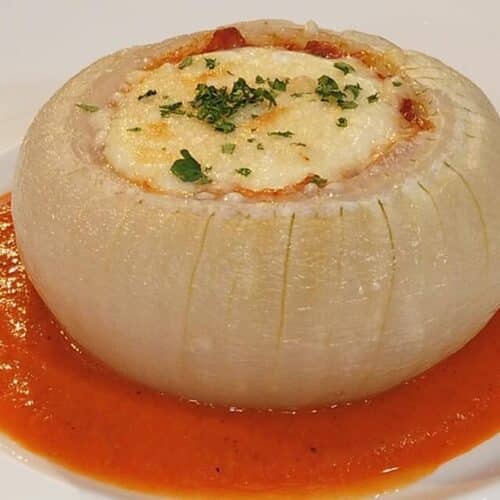
Stuffed Onion - Using a Sweet Vidalia Onion An Amazing Stuffed Onion Recipe! This easy recipe is absolutely delicious, and it's sure to be a hit at your next dinner party or…
I’m making this tonight for the second time. This recipe (and the video it comes from) are amazing. Honestly if all the recipes I’ve tried, this has to be my favorite one. I tend to use Woodbridge Cab Sav because it’s inexpensive and still has a good flavor in sauces like this one. Also 2/1 ground beef/ground pork is a wonderful ratio for this meal.
“Traditionally, red wine is used for its hearty flavour, but white wine can work too.”
I did a bit of research today before I decided to make this recipe myself and discovered white wine is actually what is used traditionally. Do a google search it’ll take you literally 30 seconds.
Chef Apprentice Eric
on October 18, 2024 at 9:47 am
My grandfather loves italian food. He was amazed by Pisa and Rome on his visits. But let me tell you, he was never so happy to eat a homecooked meal as this! The recipe has style, was not too hard to cook and tastes great. I love beacon.
5-inch high-carbon German Stainless Steel blade will effortlessly slice through your steak, bread, vegetables, and fruits. The handle is ergonomically designed Pakka Wood. Makes a perfect gift presented in a beautifully crafted wooden box.


 Hello friends…I’ve got a revelation for you today! You know how you’ve probably seen spaghetti Bolognese on almost every menu, everywhere? Well, I hate to break it to you, but spaghetti Bolognese doesn’t actually exist—at least not in Italy. What does exist, my friends, is Ragù alla Bolognese, an authentic Bolognese sauce.It’s time to put an end to all the confusion. Today, we’re going to dive into a traditional Bolognese recipe, straight from the Accademia Italiana Della Cucina in Bologna. Here is a link to the traditional Authentic Bolognese Sauce. I’m going to follow it exactly—yes, for once, I’m sticking to the script! So sit tight and let’s do it right, my friends.
 Salad: With such a rich, savory sauce, it’s a good idea to balance the meal with something light and refreshing. A simple mixed green salad does the trick beautifully. Don’t go overboard with heavy dressings or toppings — the salad should complement, not compete with, the Bolognese sauce.
 Garlic Bread: Who can resist the allure of garlic bread? While not traditionally served in Italy, garlic bread has become a beloved side dish when enjoying Bolognese in many households. The crunchy, buttery bread pairs perfectly with the hearty Bolognese sauce, offering a satisfying textural contrast.
 Dessert: After enjoying a rich, savory dish like Bolognese, it’s a good idea to finish the meal with something sweet but light. Italian desserts tend to be on the simpler side, which is perfect because you don’t want anything too heavy after such a filling meal. Here are a few dessert options to round off your dinner.















Made a double recipe and it was absolutely stellar! Going to try adding spicy Italian sausage next time!!!
I have made this twice and have not been disappointed! I used red wine but may try white wine next time. It’s just heaven!!!
Made 7/13/25 Enjoyed by both of us. Used fresh Pappardelle pasta. A good recipe that we will make again!!
I’m making this tonight for the second time. This recipe (and the video it comes from) are amazing. Honestly if all the recipes I’ve tried, this has to be my favorite one. I tend to use Woodbridge Cab Sav because it’s inexpensive and still has a good flavor in sauces like this one. Also 2/1 ground beef/ground pork is a wonderful ratio for this meal.
Closest ive found to traditional, i do add chicken liver for depth
“Traditionally, red wine is used for its hearty flavour, but white wine can work too.”
I did a bit of research today before I decided to make this recipe myself and discovered white wine is actually what is used traditionally. Do a google search it’ll take you literally 30 seconds.
That said, the dish turned out fantastic!
My grandfather loves italian food. He was amazed by Pisa and Rome on his visits. But let me tell you, he was never so happy to eat a homecooked meal as this! The recipe has style, was not too hard to cook and tastes great. I love beacon.
Can I use heavy cream instead of milk?