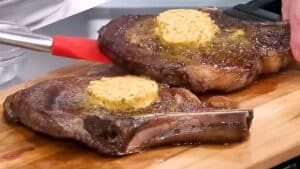
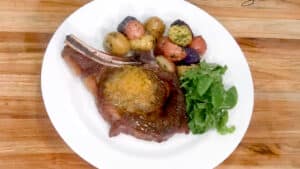
Hello friends! Boy, do I have an old classic for you today — Café de Paris Butter served over a tender Ribeye Steak! I made it with a fantastic compound butter, and I’m serving it the traditional way, just like they do in Paris, with a fresh watercress salad and some roasted garlic potatoes.
Let me tell you, this is as good as it gets! If you were sitting in the middle of a Parisian brasserie right now, I promise it wouldn’t taste any better than this.
Café de Paris butter is a classic compound butter that we put on top of a steak. As it melts, it transforms into a delicious sauce that coats the meat perfectly. Sure, it takes a bit of time to make — there are a lot, and I mean a lot, of ingredients involved — but friends, it’s worth every minute.
Stay with me, we’re going to do this together, and I know you’re going to love it! (Jump to Recipe)
The Real Origin of Café de Paris Butter
Now, you might think Café de Paris sauce comes straight from a Parisian kitchen, but here’s a little secret: it actually hails from Geneva, Switzerland! Yes, that’s right — not Paris.
This sauce was first served at the “Café de Paris” restaurant in Geneva, and it became an instant hit. The story goes that a clever chef, probably French (of course!), created this sauce to go with their signature entrecôte steak, and it’s been delighting taste buds ever since. Despite the name, it’s not technically French, but who’s keeping track? All that matters is that it’s delicious!
The Perfect Pairing for Your Café de Paris Sauce
Friends, this butter sauce is so versatile. While it’s the ultimate companion for a beautiful ribeye steak or entrecôte, you don’t have to stop there. Oh no, you can put it on just about anything that needs a little extra flavor! Grill up some chicken or pork chops, maybe even a nice piece of salmon or trout, and just let that Café de Paris butter work its magic. It melts right into the meat, creating a savory, rich sauce that elevates any dish to the next level.
What Else Goes Well with Café de Paris Butter Sauce?
Now, don’t forget about the sides! I like to serve my Café de Paris steak with a simple watercress salad — just a bit of olive oil and lemon juice, maybe some salt and pepper, and you’re good to go. A little roasted garlic potato on the side? Oh, that’s heaven on a plate.
The sauce’s buttery richness pairs so well with something green and peppery like watercress or arugula, and those crispy potatoes will soak up all that delicious butter.
But, you know what else would go great with it? How about trying it with some Peppercorn Sauce, or maybe a Red Wine Reduction Sauce? Each of these sauces has its own unique flavor profile that can complement your Café de Paris butter perfectly.
Bon appétit!
So, friends, there you have it! Whether you’re grilling up a ribeye, pan-searing an entrecôte, or just looking for a way to make your weeknight dinners feel a little more special, Café de Paris Butter is your ticket to a truly memorable meal. This classic butter sauce has stood the test of time for a reason — it’s versatile, flavorful, and delicious.
So, what are we waiting for? Let’s get cooking!
Cafe De Paris Butter Sauce Recipe With Rib Eye Steak
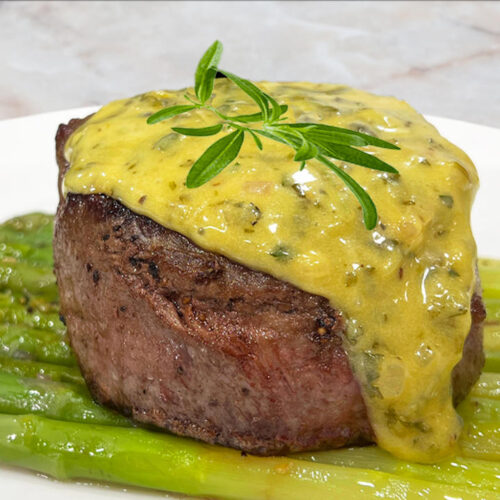
This Cafe De Paris recipe is a classic French-inspired recipe featuring a Ribeye Steak topped with a rich, flavorful compound Butter. This butter, known as "Cafe de Paris butter," is a blend of herbs, spices, and a few secret ingredients that melt over the hot steak, creating a delicious sauce. I've paired this delicious Cafe De Paris Rib Eye Recipe with roasted garlic potatoes and a fresh watercress salad. I know you'll love it just as much as I do — it's packed with all the charm of a French bistro!
2Ribeye Steaks, bone-in or boneless, about 12 oz each
Salt for seasoning the Steaks
Black Pepper for seasoning the Steaks
2tablespoonsAvocado Oil or other high smoke point oil
For the Roasted Garlic Potatoes:
1poundBaby Potatoes, poached in advance
2tablespoonsGarlic Olive Oil
2tablespoonsFresh Parsley, chopped
1tablespoonGarlic, finely chopped
Salt and Black Pepper to taste
For the Watercress Salad:
4cupsWatercress and Arugula mix
2tablespoonsLemon Olive Oil
1tablespoonLemon Juice
1teaspoonGarlic, finely chopped
1teaspoonShallots, finely chopped
1tablespoonFresh Tarragon, chopped
Get Recipe Ingredients
Prevent your screen from going dark
Recipe Instructions
Prepare the Cafe de Paris Butter:
Combine all the butter ingredients into a bowl and mix until well incorporated.
Form the butter into a log using plastic wrap and refrigerate until firm.
Prepare the Steaks:
Season the ribeye steaks with salt and black pepper and let them sit on a rack uncovered in the fridge for at least a couple of hours up to 48 hours. The Chef does it for 24 hours.
Preheat Oven to 450°F (230°C)
Heat a skillet over medium-high add the avocado oil heat to 365°F (185°C), and sear the steaks for a few minutes on one side until a golden-brown crust forms.
Flip onto the other side and transfer the steaks to a preheated 450°F (230°C) oven.
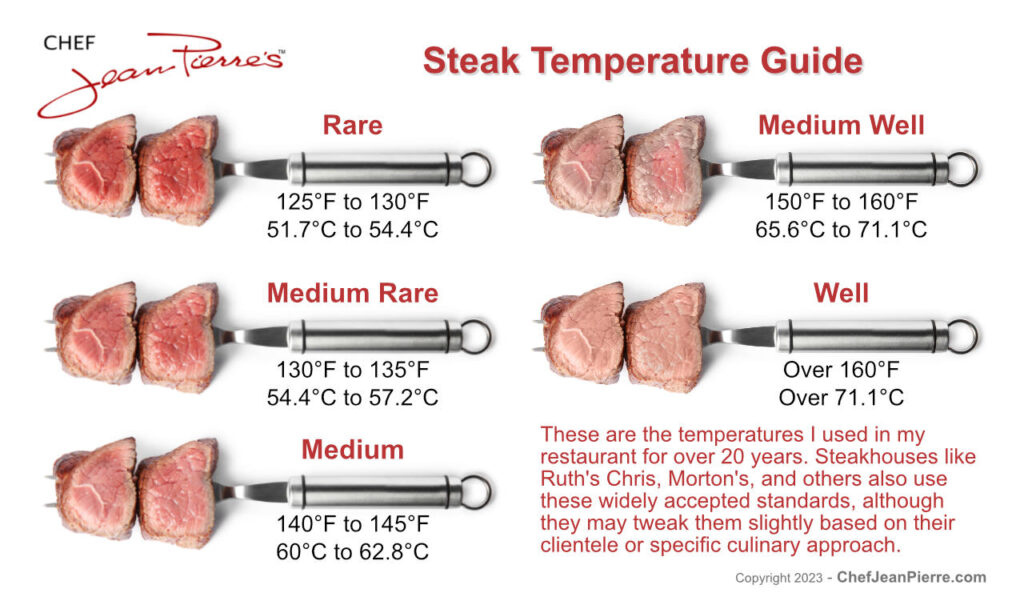
Cook to your preferred internal temperature. (The Chef loves rare) Click here to download Chef Jean-Pierre's Steak Doneness Temperature Chart PDF
Prepare the Roasted Garlic Potatoes:
Toss the potatoes in garlic olive oil, parsley, garlic, salt, and pepper. Roast in the oven or pan-fry them until hot, golden, and tender.
Prepare the Watercress Salad:
Whisk together lemon olive oil, lemon juice, garlic, shallots, and tarragon. Toss with watercress and arugula.
Let the Steaks Rest
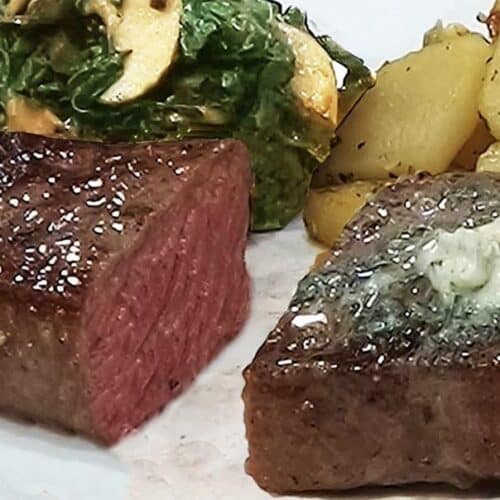
Once the Steaks are done, let them rest for a few minutes with slices of Cafe de Paris butter on top.
Serve and Enjoy!
Serve the steaks with the roasted garlic potatoes and watercress salad on the side and enjoy!
Pro-Tips
Steak Doneness Temperature Guide
Here's a guide to understanding steak doneness levels and a handy temperature chart to help you nail it every time: (Click here to download the Steak Doneness Temperature Chart PDF)For more information be sure to check out my step-by-step guide on How to Cook the Perfect Steak.
Lock in Your Cafe De Paris Butter’s Delicious Flavors
Here’s a little trick I’ve learned over the years, friends: make sure your butter is nice and cold when you slice it. This keeps all those delicious herbs and spices locked in until it hits that hot steak.Also, don’t be afraid to make a big batch and store it in the freezer. That way, you’ll always have some ready for your next steak dinner or even just a casual Tuesday night meal. Trust me, your taste buds will thank you.
Bonus Pro-Tip: Don’t Limit Yourself to Just Steak
Sure, this is the ultimate steak butter, but why stop there? Spread it on a freshly toasted baguette, use it as a finishing touch for your steamed vegetables, or top off fluffy mashed potatoes. Even a simple side of sautéed mushrooms will sing when you add a dollop of Café de Paris butter.
Equipment - You can find the items below at our online store!
Frequently Asked Questions About Café de Paris Sauce
1. What is Café de Paris Sauce?
Café de Paris Sauce is a rich, savory butter-based sauce traditionally served with steak, especially ribeye or entrecôte. It combines unsalted butter with a blend of herbs, spices, and condiments such as Dijon mustard, anchovies, shallots, curry powder, Worcestershire sauce, paprika, tarragon, parsley, and lemon juice. This unique mix of ingredients creates a sauce with a complex flavor profile, offering umami depth, warmth, and a hint of citrus.
Despite its name, the sauce originated in Geneva, Switzerland, at the “Café de Paris” restaurant, where it was initially crafted to complement their signature entrecôte steak. Over the years, the sauce has gained popularity across Europe and is now celebrated worldwide for its versatility and ability to elevate a wide range of dishes.
2. How did Café de Paris Sauce get its name?
The sauce is named after the “Café de Paris” restaurant in Geneva, Switzerland, where it was first created. In the 1940s, this restaurant became known for serving its entrecôte steak with a unique butter sauce, which quickly gained a reputation among locals and travelers. The sauce’s distinctive taste led to it being referred to as “Café de Paris Sauce,” and it has retained this name ever since.
Interestingly, despite its French-sounding name, the sauce was not invented in Paris. The “Café de Paris” name helped to create a sophisticated, European allure, making it synonymous with fine dining and classic French bistro fare. This name has helped the sauce to gain a foothold in restaurants and home kitchens worldwide.
3. What ingredients are in Café de Paris Butter Sauce?
The primary ingredients in Café de Paris Sauce include unsalted butter, Dijon mustard, anchovies, shallots, curry powder, Worcestershire sauce, paprika, tarragon, parsley, and lemon juice. The sauce may also contain additional ingredients such as capers, chives, thyme, rosemary, dill, garlic, and cayenne pepper, depending on the specific recipe or variation being used.
The combination of these ingredients gives the sauce its rich, savory, and slightly tangy flavor. Anchovies provide umami without a fishy taste, while curry powder adds warmth and depth. Fresh herbs like tarragon and parsley lend a hint of aniseed and a vibrant green color, enhancing both the flavor and the appearance of the sauce.
4. How does Café de Paris Sauce taste?
Café de Paris Sauce has a rich and complex flavor profile. It is characterized by a harmonious blend of savory and slightly spicy notes with hints of citrus. The anchovies add umami, enhancing the sauce’s depth without imparting a fishy taste. The Dijon mustard brings a touch of zest, while the curry powder adds warmth and a subtle exotic undertone.
The fresh herbs, such as tarragon and parsley, add a mild aniseed flavor and a touch of brightness, balancing the richness of the butter. The lemon juice provides a refreshing acidity that cuts through the creaminess of the sauce, resulting in a well-rounded and versatile condiment that can elevate a wide variety of dishes.
5. What foods pair well with Café de Paris Sauce?
While Café de Paris Sauce is traditionally served with steak, particularly ribeye or entrecôte, it pairs well with many other dishes. The sauce’s savory, buttery flavor complements grilled chicken, roasted vegetables, baked fish, and even pork chops. It is also an excellent choice for enhancing the flavor of baked potatoes, steamed vegetables, or crusty bread.
In addition to these classic pairings, Café de Paris Sauce can also be used as a dipping sauce for crudités or as a spread for sandwiches. Its versatility makes it a great addition to any meal where a touch of rich, buttery flavor is desired.
6. Can you substitute ingredients in Café de Paris Sauce?
Yes, there are several substitutions you can make in Café de Paris Sauce without losing its signature flavor. For instance, anchovy paste can be used in place of anchovy fillets, and vinegar can replace lemon juice if necessary. If Dijon mustard is unavailable, you can use any mild mustard as a substitute, though this may slightly alter the flavor.
It is also possible to use dried herbs instead of fresh ones, but you should reduce the quantity by about one-third since dried herbs are more potent. However, some ingredients like Worcestershire sauce are harder to replace due to their unique flavor profile, so keeping these original components is recommended whenever possible.
7. Is Café de Paris Sauce the same as Café de Paris Butter?
Not exactly. Café de Paris Sauce typically refers to the finished sauce served warm over steak, while Café de Paris Butter is a compound butter that is prepared and chilled before being sliced onto hot steak, where it melts into a sauce. Both share similar ingredients, but the preparation methods differ slightly. Café de Paris Butter is usually formed into a log and stored until needed, then cut into slices and placed on hot steaks to create the sauce.
Café de Paris Butter is often used interchangeably with the sauce, as both provide the same rich, savory flavor profile. However, the butter version allows for more versatility in terms of storage and usage, as it can be kept in the freezer and used as needed.
8. How do you make Café de Paris Sauce at home?
To make Café de Paris Sauce, start by softening unsalted butter and mixing it with finely chopped herbs (such as tarragon, parsley, and thyme), spices (like curry powder and paprika), and condiments (including Dijon mustard, Worcestershire sauce, and anchovies). The mixture is then shaped into a log and chilled until firm.
Once firm, slices of the butter are placed on hot steak, where they melt into a delicious, rich sauce. This process can be adjusted depending on the ingredients available or personal taste preferences. The sauce can also be prepared in advance and stored in the refrigerator or freezer for later use.
9. How should you store Café de Paris Sauce?
Café de Paris Sauce, particularly in its butter form, can be stored in the refrigerator for up to a week or in the freezer for several months. When freezing, it’s best to portion the butter into smaller logs or slices, so you can use only what you need without thawing the entire batch. This method helps preserve the freshness and flavor of the sauce over a longer period.
When stored properly, Café de Paris Sauce can be a convenient addition to various dishes. Remember to wrap the butter tightly in plastic wrap or aluminum foil before storing to prevent exposure to air, which can cause the butter to lose its flavor.
10. What are some pro tips for making Café de Paris Sauce?
One key tip for making Café de Paris Sauce is to ensure that your butter is of high quality and unsalted, allowing you to control the seasoning. Additionally, make sure all ingredients, especially the herbs and spices, are fresh for the best flavor. The butter should be at room temperature before mixing to incorporate all the flavors evenly.
Another tip is to prepare the sauce in advance and freeze it in portions, so it’s ready whenever you need it. This saves time and allows the flavors to meld together over time, resulting in an even more flavorful sauce.
11. Is the original recipe for Café de Paris Sauce a secret?
Yes, the original recipe for Café de Paris Sauce is indeed a secret, closely guarded by the Café de Paris restaurant and its descendants. Although many chefs and home cooks have tried to recreate the sauce, the exact ingredients and preparation methods remain undisclosed. This secrecy adds to the allure of the sauce and has inspired numerous variations around the world.
However, the general consensus is that the sauce includes butter, Dijon mustard, anchovies, shallots, and various herbs and spices. The specific proportions and any additional secret ingredients are what make the original version unique.
12. What is the difference between Café de Paris Sauce and other steak sauces?
Café de Paris Sauce stands out from other steak sauces because it is primarily butter-based, unlike many other sauces that use stock or cream as a base. This butter foundation gives the sauce a rich, smooth texture that melts beautifully over hot steaks, enhancing the flavor with a unique blend of herbs, spices, and umami components like anchovies and Worcestershire sauce.
Compared to sauces like Peppercorn or Red Wine Reduction, Café de Paris Sauce has a more complex, multi-layered flavor profile, with subtle hints of spice, sweetness, and acidity. Its buttery texture also sets it apart, making it ideal for spreading over steaks or even using in other creative ways, such as a spread for bread or a base for other sauces.
13. Can Café de Paris Sauce be made without anchovies?
Yes, you can make Café de Paris Sauce without anchovies, but it will alter the flavor. Anchovies are a key ingredient in the traditional recipe, providing a subtle umami flavor that enhances the depth and complexity of the sauce without adding a fishy taste. If you prefer not to use anchovies, you might consider substituting with anchovy paste, soy sauce, or even a small amount of miso paste to replicate the umami effect that anchovies offer.
However, keep in mind that omitting the anchovies may result in a less savory sauce. Many find that the anchovies, when blended with butter and herbs, add a unique and irreplaceable layer of flavor that makes Café de Paris Sauce distinctive. If you are looking for a vegetarian alternative, consider using umami-rich ingredients like nutritional yeast or a splash of soy sauce to maintain a balanced flavor profile.
14. Can you use salted butter to make Café de Paris Sauce?
While it is possible to use salted butter to make Café de Paris Sauce, it is generally not recommended. Using unsalted butter allows you to control the salt content and balance the flavors more precisely. The other ingredients in the sauce, such as Worcestershire sauce, anchovies, and Dijon mustard, already contribute saltiness, so using salted butter can easily make the sauce overly salty.
If you only have salted butter on hand, reduce or omit additional salt in the recipe and adjust to taste. Remember, it’s easier to add salt at the end than to fix an overly salty dish. The goal is to let the other flavors — herbs, spices, and the richness of the butter — shine through without being overpowered by salt.
15. How can I make Café de Paris Sauce healthier?
To make Café de Paris Sauce healthier, you can consider making a few substitutions and adjustments. For instance, use a lower-fat butter alternative or a combination of butter and olive oil to reduce the saturated fat content. Alternatively, replace some of the butter with margarine, though keep in mind that this may alter the flavor slightly. Opting for fresh herbs rather than dried ones can enhance the flavor profile without adding extra calories or fat.
Another option is to reduce the amount of butter used and increase the volume of herbs and spices to maintain the sauce’s flavor while cutting down on the calorie content. Additionally, you can experiment with using less Worcestershire sauce or anchovies, as these can add salt and calories to the sauce. The key is to strike a balance between maintaining the classic flavor of the sauce and making it a bit lighter.
16. What are some creative uses for Café de Paris Sauce beyond steak?
While Café de Paris Sauce is most famous for its pairing with steak, its versatility makes it a fantastic addition to a variety of dishes. It can be spread over grilled or roasted chicken, fish, or even lamb for an added burst of flavor. You might also try drizzling it over roasted vegetables, such as asparagus, carrots, or potatoes, to elevate them to gourmet status.
The sauce can also serve as a delicious spread for sandwiches or burgers, adding a rich, buttery taste with a hint of herbs and spices. For a simple yet sophisticated appetizer, consider serving it with crusty bread or crudités as a dip. Its unique flavor profile can enhance many dishes, making it a staple in your kitchen beyond just steak nights.
17. What type of mustard is best for Café de Paris Sauce?
Dijon mustard is the preferred choice for Café de Paris Sauce because of its smooth texture and balanced, tangy flavor that complements the other ingredients. It adds a subtle kick and complexity without overpowering the butter and herbs. Dijon mustard is a classic French condiment, and its mild, slightly sweet taste makes it ideal for this sauce.
If you do not have Dijon mustard on hand, you can use any smooth, mild mustard as a substitute. However, using other types of mustard, such as whole grain or spicy brown mustard, might alter the texture and flavor of the sauce slightly. Stick to mild mustards to maintain the traditional flavor profile.
18. What makes Café de Paris Sauce unique compared to other sauces?
Café de Paris Sauce is unique because of its buttery base and the complex blend of herbs, spices, and savory condiments it contains. Unlike many other sauces that use a broth or cream as their primary component, Café de Paris is a compound butter that melts directly onto the hot steak, forming a luxurious sauce with a rich mouthfeel. The inclusion of ingredients like anchovies, Dijon mustard, and curry powder adds layers of flavor not typically found in other steak sauces.
This combination of flavors creates a multi-dimensional taste experience — a harmonious balance of umami, herbs, and a hint of acidity. It is this complexity, along with its historical roots and versatility, that sets Café de Paris Sauce apart from other popular sauces like Béarnaise or Peppercorn.
19. Why is curry powder used in Café de Paris Sauce?
Curry powder is used in Café de Paris Sauce to add a subtle warmth and complexity that enhances the overall flavor profile. It provides a unique layer of spice that balances the richness of the butter and complements the other savory ingredients, such as mustard and anchovies. Though it may seem unusual to include curry powder in a French-inspired sauce, it adds a distinctive flavor that has become a signature component of Café de Paris.
The choice of curry powder can also vary; some recipes call for a mild variety like vadouvan, which adds a delicate, aromatic note without overpowering the other ingredients. Its inclusion gives the sauce a unique twist that differentiates it from other more traditional butter sauces.
20. What are the best wine pairings for Café de Paris Sauce?
Café de Paris Sauce pairs beautifully with both red and white wines, depending on the dish you are serving it with. For a red wine, consider a robust option like a Côtes du Rhône blend (Grenache, Syrah, Mourvèdre) or a Bordeaux. These wines offer savory notes and enough body to stand up to the rich, buttery sauce and complement the flavors of the steak.
For white wine lovers, a rich, full-bodied Chardonnay — particularly from California or a warm-weather region like the Mâconnais in France — works wonderfully. The buttery and oak notes of Chardonnay harmonize with the butter in the sauce, while its acidity cuts through the richness, providing a balanced flavor experience.
Chef Jean-Pierre, born in Aix-en-Provence, France, honed his culinary skills at a young age, mastering the art of charcuterie by the age of twelve. Determined to become a chef, he began his formal apprenticeship at L'Oustau de Baumaniere in Provence, one of the world’s best restaurants with a 3-star Michelin rating.
Jean-Pierre continued his apprenticeship on the French Riviera where he worked at famous restaurants, such as L’Oasis at La Napoule, Le Vendome in Aix-en-Provence, and the the Carlton in Cannes. In 1976, he opened The Left Bank Restaurant, consistently recognized as one of the best in America for 22 years by magazines like "Bon Appetit," "Conde Nast," "Gourmet Magazine" and "Travel & Leisure."
Jean-Pierre was also a popular TV personality, having hosted National Public Television series like "Incredible Cuisine” and "Sunshine Cuisine." He was also nominated for "Best Culinary Video" by the James Beard Foundation and operated the nationally renowned “Chef Jean-Pierre's Cooking School” and was a sought-after guest on shows like "The Today Show" and "Larry King Live."
With over 2 Million Subscribers to his Chef Jean-Pierre YouTube Channel, he is a widely respected figure in the culinary world, known for his skill and dedication to his craft, but even more so known for making gourmet cooking fun and easy to learn.
Chef, I am wondering. There is a recipe on Instagram and the guy put cumin, paprika, curry and garam masala and cream. You do not. Which is traditional?
5-inch high-carbon German Stainless Steel blade will effortlessly slice through your steak, bread, vegetables, and fruits. The handle is ergonomically designed Pakka Wood. Makes a perfect gift presented in a beautifully crafted wooden box.








 For more information be sure to check out my step-by-step guide on How to Cook the Perfect Steak.








Chef, I am wondering. There is a recipe on Instagram and the guy put cumin, paprika, curry and garam masala and cream. You do not. Which is traditional?