Hello friends… today we are making something spectacular. Not complicated. Not fussy. Not one of those recipes that makes you dirty every bowl in the kitchen, annoy the dog, and question your life choices. No, no. Today we are talking about a beautiful Leg of Lamb Recipe, the kind of roast that makes the house smell so good people start wandering into the kitchen pretending they just happened to be passing by. For Easter dinner, this is exactly the kind of meal I love—classic, dramatic, and absolutely delicious.
And let me tell you, friends, this roast leg of lamb is not about stress. It is about flavor. It is about confidence. A little garlic, a little rosemary, a little thyme, parsley, olive oil, a few nuts for a twist, and a beautiful lamb leg that does not need much nonsense. I say it all the time: relax, it’s only cooking. We are not launching a rocket here. We are making dinner, and it is going to be amazing.
What Makes This Leg of Lamb So Perfect
A perfect leg of lamb is tender, juicy, aromatic, and roasted just enough that every slice feels delicate instead of heavy. I want the outside seasoned beautifully, I want the inside flavored too, and I want the whole roast to look like it belongs in the center of the table. This is not the kind of roast you hide in the kitchen and carve in shame. This is a whole roast you bring out proudly. Let them admire it a little bit. You earned it.
What makes this particular leg of lamb recipe special is that the flavor goes everywhere. I do not just smear the outside and hope for the best. I make a loose herb mixture with garlic, parsley, thyme, rosemary, nuts, and olive oil, and I also insert the garlic slices into the meat itself. That is how you get lamb with garlic and rosemary that actually tastes seasoned all the way through. And the little twist here, the part that makes people stop and say, “Wait a minute, what is that?” is the nuts. Pine nuts and almonds give the roast a subtle richness that makes it memorable without making it strange.
A Little History Behind Leg of Lamb for Easter
Leg of lamb has been part of celebration cooking for generations because it has everything you want in a feast. It is generous. It is elegant. It feeds people beautifully. And for Easter, it feels especially right. A proper Easter leg of lamb has tradition behind it, but it also has flexibility. Some people use a bone-in leg, some use a boneless leg of lamb, some like it medium-rare, some like it more cooked. The roast does not care. It is happy as long as you treat it properly.
In my kitchen, I love the bone-in version because it is dramatic and beautiful on the platter. You can slice it off the bone, serve it thin, and suddenly even a simple dinner feels like an occasion. This is one of those classic dishes that reminds us why good roast cooking has never gone out of style. Garlic and rosemary, a proper thermometer, and enough patience to let the lamb rest—this is old-school cooking, friends, and it still works because it is smart.
Essential Tools for This Leg of Lamb Recipe
Food Processor or Mortar and Pestle: For this lamb recipe, texture matters. If your herb mixture is too chunky, especially with the garlic, it can burn on the outside of the roast. That is why I loosen it with more olive oil until it becomes almost like a flavored olive oil. It should coat the leg of lamb, not sit on top of it in little lumps waiting to turn bitter. A food processor makes this fast and easy, especially when you are combining parsley, thyme, rosemary, garlic, pine nuts, almonds, salt and pepper, and olive oil.
Could you use a mortar and pestle? Of course. It takes more work, but I love that kind of work. It wakes you up. You smell the fresh rosemary, the garlic, the olive oil, and now suddenly you are cooking for real. The important part is not the machine. The important part is getting that mixture fluid enough so it does not burn and so it hugs the lamb roast beautifully.
Butcher Twine and a Small Sharp Knife: A whole leg of lamb, especially a bone-in leg, is not always naturally tidy. It may have flaps. It may open a little bit. It may look like it got dressed in a hurry. This is where butcher twine saves the day. Tying the roast helps it hold its shape so it cooks more evenly and looks better on the table. In the transcript, the lamb was already tied by the butcher, then untied to demonstrate the process, which is exactly the kind of practical detail I love. It reminds people this is not magic. You can do it too.
Then comes the knife. Not for hacking. Not for showing off. For making little holes and inserting the garlic cloves in small slivers throughout the lamb leg. This is a very important part of the recipe. Big chunks of garlic can be unpleasant. Little slivers melt into the meat and perfume it from the inside. That is the difference between leg of lamb with garlic and lamb that just happens to have garlic sitting somewhere nearby.
Roasting Pan and In-Oven Thermometer: A roasting pan is essential because a good roast needs structure. You need something sturdy, something that lets you move the meat safely and roast it uncovered without creating chaos. If you use lamb on a wire rack inside the roasting pan, even better. It helps the heat move around the roast and gives you a more even cook.
And the thermometer, friends, this is where good sense lives. I do not guess. I put the thermometer in the deepest part of the meat and make sure it is not touching the bone. Then I know exactly where I am. In the transcript, the lamb is removed around 125 to 130 degrees, knowing the internal temperature will rise to around 135 depending on how you like it. That is how you get a good roast without gambling with your easter dinner.
Three Common Mistakes to Avoid with Roast Leg of Lamb
1. Making the Herb Paste Too Thick: This is one of the easiest mistakes to make and one of the easiest to fix. If the paste is too chunky, especially with the garlic, it can burn while the roast cooks. Burned garlic is not charming. It is bitter, and it tastes like disappointment.
Add a little more olive oil and make the mixture looser. You want it spreadable, glossy, and light enough to coat the lamb evenly.When the texture is right, the roast tastes balanced. The parsley, thyme, garlic and rosemary stay fragrant instead of harsh. The nuts add body. The olive oil carries everything. That is the difference between a roast lamb recipe that tastes refined and one that tastes like something went wrong five minutes before dinner.
2. Guessing the Doneness: People get strange around lamb. They get opinions. Suddenly everyone is an expert. “It should be rare.” “It should be well done.” “My uncle cooks lamb every easter and says…” No. Friends, cook it the way you like it. Nobody should tell you how you should eat your meat. That part is up to you.What is not optional is using a thermometer.
A bone-in leg of lamb can fool you. The outside may look ready while the center still needs time. Use the thermometer, watch the internal temperature, and remember the internal temperature will rise after you remove the lamb from the oven. That little detail is what separates confident cooking from wishful thinking.
3. Skipping the Rest Period or Slicing Too Thick: The lamb rest is part of the cooking. It is not a delay. It is not dead time. It is essential. If you carve the lamb the second it comes out of the oven, all the juices run out and your beautiful roast becomes a cutting board tragedy.
Let your lamb rest about 20 minutes before slicing. Then slice it thin. Very thin. This is one of my favorite parts. Thin slices are more elegant, more tender, and frankly more delicious. Thick pieces can feel clumsy. Thin slices almost melt. Put them on a sandwich, on a plate with roasted vegetables, or next to potatoes, and suddenly you understand why this is the best roast lamb for easter dinner.
How to Best Serve Roast Leg of Lamb
I like to serve this roast leg of lamb on a platter after it has rested, sliced thinly and fanned out so everyone can admire it before they attack it. That is important. Let them admire it a little bit first. If you have a bone-in leg, leave that beautiful bone visible. It looks dramatic. It looks festive. It says, “Yes friends, today we are eating very, very well.”
The secret twist that makes this roast memorable is that herb-and-nut mixture. Garlic and rosemary are classic, of course, but the little bit of pine nuts and almonds adds something extra—richness, aroma, and just enough personality to make the roast stand out. It does not scream. It whispers. It says, “I know what I am doing,” and then it proves it.
Sides That Are Delicious When Paired with Lamb
Potato Gratin Dauphinoise: If you are serving a beautiful leg of lamb, this is one of the best sides to serve. Potato Gratin Dauphinoise is creamy, golden, rich, and elegant without being fussy.It is perfectly creamy with a delightful golden crust, and pairs wonderfully with roasted meats.
Why does it work so well here? Because the lamb roast brings savory depth and aroma, while the gratin brings comfort and luxury. You get that soft, creamy interior, that gorgeous top, and then a slice of lamb with garlic and rosemary beside it. Friends, that is not dinner. That is a celebration.
Asparagus Tips: A good roast needs something fresh and green next to it, and these asparagus tips are perfect. This recipe includes olive oil, butter, shallots, and sundried tomatoes, which means you are not just putting a green vegetable on the plate to make yourself feel responsible. You are adding flavor. Real flavor.
This side pairs beautifully with roast lamb because it brightens the plate. Lamb can be rich, especially for easter dinner when you are serving a whole roast with potatoes and maybe another vegetable. Asparagus brings freshness, color, and just enough lightness to keep the meal from feeling too heavy.
Brussels Sprouts Recipe with Bacon: Now if you want a side with a little attitude, here you go. Brussels sprouts with bacon bring sweetness, smokiness, and texture. This is a practical holiday side as well as a delicious one.
This pairing works because lamb loves contrast. The tender roast, the fragrant herbs, the little bits of garlic, and then next to it something crisp-edged, savory, and just bold enough to stand up to the meat. It is not fighting the lamb. It is helping the lamb.
Storage and Reheating Best Practices
Refrigerator: Store leftover roast leg of lamb in an airtight container or wrapped tightly for up to 3 to 4 days. Thin slices store especially well because they cool quickly and are easy to reheat gently.
Freezer: Freezing is fine if you wrap the lamb tightly and protect it from air. Sliced lamb freezes better than a giant leftover chunk. Keep it for up to 2 to 3 months for best quality.
Reheating: The oven is the best choice. Place the lamb in a covered dish with a spoonful of juices or stock and warm it gently. A microwave works in an emergency, but let us not pretend it is the best roast lamb’s best friend.
In Conclusion
This Leg of Lamb Recipe is everything I want in an Easter roast. It is flavorful, beautiful, practical, and just dramatic enough to make people think you worked harder than you did. The garlic slivers tucked into the meat, the loose herb paste, the proper thermometer, and the thin slices after a good rest—these are the little details that make a whole leg of lamb unforgettable.
Hello friends, today I want to share with you how I cook a perfect Leg of Lamb. It is easy to prepare and a delicious meal to feed your entire family! A perfect meal to celebrate the Holidays! Cut it thin for sandwiches or in slices to eat. Either way, this recipe is sure to make you love lamb!
1Leg of Lamb (the Chef's leg was about 4 ½ pounds)
About 1 ½ cup Fresh Parley
4 to 5Garlic cloves, plus 4 to 5 more to insert inside the leg
2ouncesPine Nuts
2ouncesAlmonds
1tablespoonsFresh Thyme leaves
1tablespoonsRosemary leaves
½cupGarlic Olive Oil
Get Recipe Ingredients
Prevent your screen from going dark
Recipe Instructions
Preheat Oven to 375°F
Process all the ingredients to a fine and fairly liquid paste.
Tie the leg of lamb as the chef did in the video. Process to insert a few garlic clove slivers using a pairing knife. Rub the lamb on both sides with the olive oil paste above.
Bake at 375°F or until the temperature reach your desired doneness.
Do not gauge your cooking only using your timer. Be sure to insert a meat thermometer and get as close as possible to the bone without touching it.
Be sure to let it rest at least 20/30 minutes before cutting it!
Pro-Tips
Pro-Tip
Bring the leg closer to room temperature before roasting, especially if it has been very cold in the fridge. A more even starting temperature helps the roast cook more evenly from edge to center. That means less overcooked outside and a better medium-rare middle.Also, when you insert the garlic slices, do not pack them in like you are hiding treasure. Space them naturally around the lamb. You want flavor throughout the side of the lamb, not one shocking bite that tastes like a garlic clove with opinions.
Bonus Pro-Tip
Do not underestimate the value of trimming only what needs trimming. Too much fat can make lamb seem gamy, but a little fat helps keep the roast moist and flavorful. Always leave some fat in place instead of turning the lamb into a science project.And when you carve the lamb, use a long sharp knife and relax your hand. This is not arm wrestling. Let the knife do the work. Thin slices, gentle pressure, and patience. That is how you get tender lamb that “cuts like butter”.
And friends, if you make this roasted leg of lamb recipe, please rate it ★★★★★ and leave a comment telling us how your lamb turned out. Did you serve with lamb and gratin? Did you go with asparagus? Did somebody ask for seconds before you even sat down? We want to hear all about it!
Equipment - You can find the items below at our online store!
1. What temperature should I roast a leg of lamb at?
A temperature of 350–375°F (175–190°C) is ideal for roasting a leg of lamb. Chef Jean-Pierre recommends 375°F as a reliable, all-purpose roasting temperature — hot enough to cook the meat thoroughly while keeping it juicy and tender. For medium doneness, roasting at 350°F for about 20 minutes per pound until the internal temperature reaches 135°F is a widely recommended approach. If you prefer a slow-roasted, fall-off-the-bone result, you can drop the temperature lower and extend the cooking time significantly.
2. How long does it take to roast a leg of lamb?
Cooking time depends on the weight of the leg and your preferred doneness. As a general rule, plan for approximately 15 minutes per pound for rare (125°F), 20 minutes per pound for medium (135°F), 25 minutes per pound for medium well (145°F), or 30 minutes per pound for well done (155°F). Chef Jean-Pierre notes that a roughly 5-pound bone-in leg typically takes about 1.5 hours in the oven at 375°F. Always use a meat thermometer rather than relying solely on time, since every oven is different.
3. What internal temperature should a roast leg of lamb reach?
The internal temperature you are aiming for depends on how you like your lamb cooked. Remove the lamb from the oven when the internal temp reaches 130°F, then tent it with foil for 10–15 minutes. During resting, the interior will climb to 135–140°F, making it a perfect medium-rare to medium. For rarer lamb, remove it at 120–125°F internal temperature. Chef Jean-Pierre recommends pulling the lamb at 125–130°F for a medium-rare result, and reminds home cooks that personal preference should always guide the final decision. A reliable meat thermometer is essential — insert it into the thickest part of the meat without touching the bone.
4. Should I use a bone-in or boneless leg of lamb?
Both work well, but they have different advantages. Bone-in is best for flavor — the bones hold so much of it, and when you roast a piece of meat with the bone still in, you get all that richness infused into the meat itself. A bone-in lamb leg can be a little trickier to carve, but boneless is easier to slice. Chef Jean-Pierre prefers a bone-in leg for its dramatic, beautiful presentation at the table. If you buy a boneless leg of lamb, it will likely come rolled and tied or in a net — do not remove the casing before cooking, as it holds the meat together during roasting.
5. How do I season a leg of lamb?
A simple herb rub is all you need to make a spectacular roast. Chef Jean-Pierre recommends blending fresh parsley, rosemary, thyme, garlic, pine nuts, and almonds with olive oil in a food processor until it forms a smooth, liquid paste, then rubbing it generously all over the meat. He also suggests making small slits in the flesh and tucking in thin garlic slivers so the flavor penetrates deep into the roast. The key tip Chef Jean-Pierre stresses: make the herb mixture liquid enough so it won’t burn on the outside of the meat during cooking. Rosemary, garlic, olive oil, salt, and pepper make a classic and highly effective rub.
6. Do I need to marinate a leg of lamb before roasting?
No — marinating is not necessary. There is no need to marinate a leg of lamb because the cut of meat is naturally tender enough. Chef Jean-Pierre advises that a good herb and garlic rub applied right before roasting delivers excellent flavor without any advance marinating time. That said, if you want to prep ahead, rubbing the lamb and refrigerating it overnight will allow the flavors to deepen even further.
7. Why does lamb taste gamey, and how do I reduce it?
The “gamey” flavor in lamb comes primarily from the fat. Chef Jean-Pierre points out that if there is one part of the lamb that will taste gamey, it is the fat layer — and trimming it is the most effective solution. For less gamey taste, ask the butcher to trim the thick outer layer of fat, which typically covers this cut and tends to make the meat taste strong. Keep in mind that a little fat insulates the meat and keeps it nice and tender. American lamb also tends to be less gamey than New Zealand or Australian lamb, which is usually 100% grass-fed and more lean, giving it a more intensely gamey flavor.
8. Should I let the lamb come to room temperature before roasting?
Yes — Chef Jean-Pierre recommends taking the lamb out of the refrigerator before cooking so it is not cold going into the oven. Removing the lamb from the fridge about 1 hour before cooking, to let it come up to room temperature, is widely advised. Starting with room-temperature meat helps it cook more evenly throughout, reducing the risk of an overcooked exterior with an undercooked center.
9. How long should I let the roast leg of lamb rest before carving?
Resting is one of the most important steps and should never be skipped. Chef Jean-Pierre advises letting the lamb rest for at least 20 minutes before slicing. One of the most common mistakes people make is not accounting for carry-over cooking — the lamb continues to rise in internal temperature after it comes out of the oven due to residual heat. Resting allows the juices to redistribute throughout the meat, giving you a far juicier, more tender result when you carve.
10. What are the best side dishes to serve with roast leg of lamb?
Roast leg of lamb pairs beautifully with a wide range of sides. Chef Jean-Pierre suggests serving it thinly sliced alongside roasted potatoes and roasted vegetables, or even piled into a sandwich. Roast potatoes, mint sauce, and seasonal greens are classic accompaniments. Other popular pairings include a rich lamb gravy made from the pan drippings, roasted root vegetables like carrots and parsnips, creamy mashed potatoes, or a fresh green salad. The flavorful pan juices from the roast make an outstanding base for a homemade gravy that ties the whole meal together beautifully.
Pro Tip from Chef Jean-Pierre: Always slice your lamb very thin for the best texture and presentation. Thin slices are more delicate, more elegant, and practically melt in your mouth!
And friends, if you make this roasted leg of lamb recipe, please rate it ★★★★★ and be sure to leave a comment telling us how your lamb turned out. Did you serve with lamb and gratin? Did you go with asparagus? Did somebody ask for seconds before you even sat down? We want to hear all about it!
Chef Jean-Pierre, born in Aix-en-Provence, France, honed his culinary skills at a young age, mastering the art of charcuterie by the age of twelve. Determined to become a chef, he began his formal apprenticeship at L'Oustau de Baumaniere in Provence, one of the world’s best restaurants with a 3-star Michelin rating.
Jean-Pierre continued his apprenticeship on the French Riviera where he worked at famous restaurants, such as L’Oasis at La Napoule, Le Vendome in Aix-en-Provence, and the the Carlton in Cannes. In 1976, he opened The Left Bank Restaurant, consistently recognized as one of the best in America for 22 years by magazines like "Bon Appetit," "Conde Nast," "Gourmet Magazine" and "Travel & Leisure."
Jean-Pierre was also a popular TV personality, having hosted National Public Television series like "Incredible Cuisine” and "Sunshine Cuisine." He was also nominated for "Best Culinary Video" by the James Beard Foundation and operated the nationally renowned “Chef Jean-Pierre's Cooking School” and was a sought-after guest on shows like "The Today Show" and "Larry King Live."
With over 1.8 Million Subscribers to his Chef Jean-Pierre YouTube Channel, he is a widely respected figure in the culinary world, known for his skill and dedication to his craft, but even more so known for making gourmet cooking fun and easy to learn.
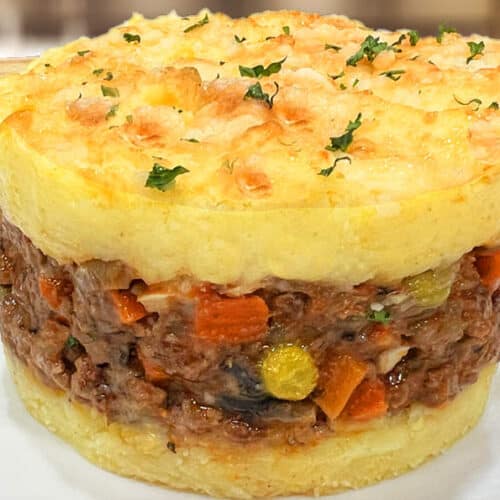
Shepherd's Pie Recipe - Delicious! This Shepherd's Pie recipe is the real deal...with a twist. Made with lamb like a traditional Shepherd's Pie, and then some!
Chef Jean-Pierre Answers Your Questions You have been so generous with your questions and positive comments, that I wanted to thank you and take the time to answer as…
14 Comments
Joe
on April 20, 2025 at 11:19 am
Leg of lamb is currently in the oven. My mouth is watering and I’ll have to wait about an hour or so .
As always chef thanks for all your guidance so I wish you and your loved ones a happy Easter.
Isaac Karpel
on April 11, 2025 at 2:15 pm
I love your recipes and your personality.
I’m planning on making this leg of lamb tomorrow. Could you please let me know if the lamb should be covered in the oven or not.
Thank you in advance.
Isaac
Derek Moyes
on October 8, 2024 at 7:00 pm
I think your awesome and so glad I found you
Michael Stenrue
on December 8, 2023 at 8:10 pm
Hi Chef!, I have made several of your recipes and love the videos. I am looking forward to making this one soon. I had one question however, there is no mention of any seasoning like salt and pepper. I am sorry if it’s an obvious one that you should use them, but I don’t seem them specifically mentioned. Should I season the lamb directly or add it to the rub? Thanks again for all you and your team does!
Eufrance Andrea Gutierrez
on April 21, 2023 at 3:24 am
I want to know how long is the cooking time for this dish?I am making this dish and I am so glad I found this recipe on google and it was the first one that popped out on my screen.
I am so excited for the outcome.Thank you chef and more power to you!Merci beaucoup!Dans l’attente.
Chef Jean-Pierre
on April 26, 2023 at 8:50 pm
It all depends on the size of your roast and how you would like your meat to be cooked. Be sure to use a thermometer to check. It could take from 90 to 120 minutes for a 5 pounds roast! 😊
Daniel Knipe
on April 10, 2023 at 11:16 pm
Chef, that rub is the most flavourful thing my lady and I have ever made, and we thank you for it. Every week we make another one of your recipes, and we have never once been disappointed. We have learned an incredible amount from you, to the point where we can easily make our own sauces and recipes with confidence.
We are scaling up this particular recipe by popular demand…we intend to do a WHOLE roast lamb in a wood-fired barrel pit for a large family gathering this summer, and lemme tell you, that rub is going to come in handy! Thank you so much for the first-class education!
Chef Jean-Pierre
on April 16, 2023 at 6:07 pm
🙏🙏🙏👍😊
Candace M. Williams
on December 25, 2023 at 7:28 pm
This recipe and video helped me make a very nice roast leg of lamb for Christmas! I laid sprigs of thyme under the leg instead of making the olive oil and herb mix. It got rave reviews from my guests! Thank you so much for posting this one!
Scott
on March 30, 2023 at 7:32 am
Could this recipe be used for a bone-in leg of venison?
Chef Jean-Pierre
on April 2, 2023 at 5:39 pm
Yes indeed! 😊
Rodney LePage
on January 2, 2023 at 7:18 pm
Well as I said on the youtube channel, I cooked this for New Years Eve. It was delicious tender and just great. I cooked it with hassle back potatoes and honey glazed carrots. The lamb though was hands down the star of the show. Thank you so much for posting it when you did, I was looking for recipes for the lamb when I seen your video.
My only regret is I never took any pictures to add to this comment, and my FB page.
Chef Jean-Pierre
on January 2, 2023 at 7:30 pm
So glad you liked it! Thank you for taking the time to write a nice comment! 😊
Randy A Schull
on April 12, 2023 at 8:45 pm
You changed my approach to cooking. I’ve always loved the science and the art of cooking and baking. During one of several of your cooking classes in Ft Lauderdale. I let my senses take over ( as you so nonchalantly mentioned several times 😏). You were so blasé about it. At that instant I took a deep breath and just let it go. As I took in that finale breath and trusted all of my senses at once, I totally knew at that moment… I would always know when it was ready.
Thank you, for: My epiphany!
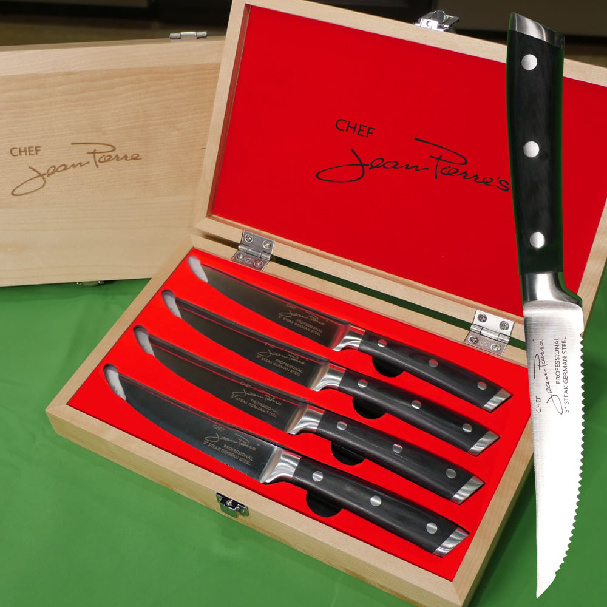
5-inch high-carbon German Stainless Steel blade will effortlessly slice through your steak, bread, vegetables, and fruits. The handle is ergonomically designed Pakka Wood. Makes a perfect gift presented in a beautifully crafted wooden box.










Leg of lamb is currently in the oven. My mouth is watering and I’ll have to wait about an hour or so .
As always chef thanks for all your guidance so I wish you and your loved ones a happy Easter.
I love your recipes and your personality.
I’m planning on making this leg of lamb tomorrow. Could you please let me know if the lamb should be covered in the oven or not.
Thank you in advance.
Isaac
I think your awesome and so glad I found you
Hi Chef!, I have made several of your recipes and love the videos. I am looking forward to making this one soon. I had one question however, there is no mention of any seasoning like salt and pepper. I am sorry if it’s an obvious one that you should use them, but I don’t seem them specifically mentioned. Should I season the lamb directly or add it to the rub? Thanks again for all you and your team does!
I want to know how long is the cooking time for this dish?I am making this dish and I am so glad I found this recipe on google and it was the first one that popped out on my screen.
I am so excited for the outcome.Thank you chef and more power to you!Merci beaucoup!Dans l’attente.
It all depends on the size of your roast and how you would like your meat to be cooked. Be sure to use a thermometer to check. It could take from 90 to 120 minutes for a 5 pounds roast! 😊
Chef, that rub is the most flavourful thing my lady and I have ever made, and we thank you for it. Every week we make another one of your recipes, and we have never once been disappointed. We have learned an incredible amount from you, to the point where we can easily make our own sauces and recipes with confidence.
We are scaling up this particular recipe by popular demand…we intend to do a WHOLE roast lamb in a wood-fired barrel pit for a large family gathering this summer, and lemme tell you, that rub is going to come in handy! Thank you so much for the first-class education!
🙏🙏🙏👍😊
This recipe and video helped me make a very nice roast leg of lamb for Christmas! I laid sprigs of thyme under the leg instead of making the olive oil and herb mix. It got rave reviews from my guests! Thank you so much for posting this one!
Could this recipe be used for a bone-in leg of venison?
Yes indeed! 😊
Well as I said on the youtube channel, I cooked this for New Years Eve. It was delicious tender and just great. I cooked it with hassle back potatoes and honey glazed carrots. The lamb though was hands down the star of the show. Thank you so much for posting it when you did, I was looking for recipes for the lamb when I seen your video.
My only regret is I never took any pictures to add to this comment, and my FB page.
So glad you liked it! Thank you for taking the time to write a nice comment! 😊
You changed my approach to cooking. I’ve always loved the science and the art of cooking and baking. During one of several of your cooking classes in Ft Lauderdale. I let my senses take over ( as you so nonchalantly mentioned several times 😏). You were so blasé about it. At that instant I took a deep breath and just let it go. As I took in that finale breath and trusted all of my senses at once, I totally knew at that moment… I would always know when it was ready.
Thank you, for: My epiphany!