Potato Gratin Dauphinoise: The Original Potato Gratin
Well hello, friends! Today, we’re diving into a classic French dish that’s sure to become a favorite in your household—Potato Gratin Dauphinoise.
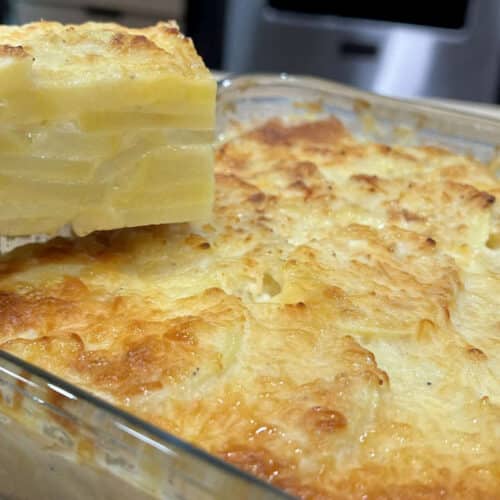
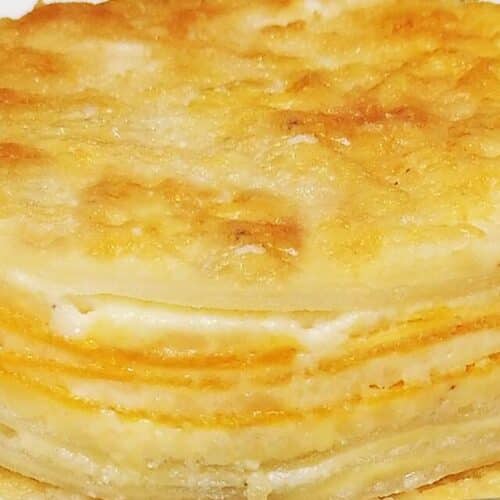
This dish, often confused with the cheese gratins, is all about the potatoes and cream, creating a beautifully browned crust without the need for cheese. The term “au gratin” refers to the delightful browned crust formed on food that’s been cooked, and this dish epitomizes that concept perfectly.
The Origin of Potato Gratin Dauphinoise
Potato Gratin Dauphinoise hails from the Dauphiné region in southeastern France, a place known for its hearty and comforting cuisine. This dish is a staple in French homes, cherished for its simplicity and rich flavor. My mom made it all the time, and it’s always been a hit.
Traditionally, Potato Gratin Dauphinoise involves thinly sliced potatoes, garlic, butter, and a combination of cream and milk. No cheese needed—just pure, classic French comfort.
How to Serve Potato Gratin Dauphinoise
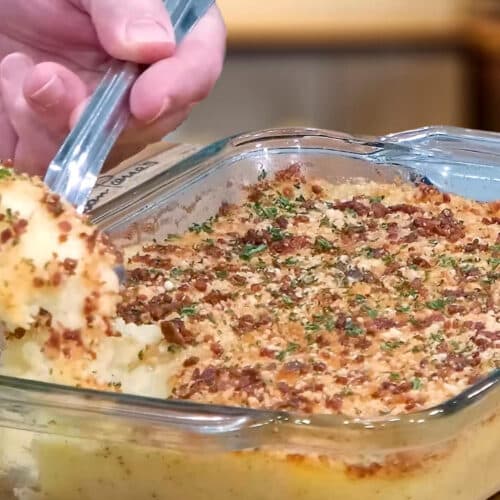
Potato Gratin Dauphinoise is best served hot, straight out of the oven. The golden, crispy top layer is the star of the show, and the creamy, tender potatoes underneath provide a delightful contrast. It’s a versatile side dish that pairs wonderfully with a variety of main courses. This dish isn’t just for special occasions; it’s perfect for family dinners, bringing a touch of French elegance to your table.
What Main Dishes Pair Well with Potato Gratin Dauphinoise?
When it comes to pairing, Potato Gratin Dauphinoise shines alongside roasted meats, such as a juicy roast chicken or a perfectly cooked steak. It also complements seafood dishes like baked salmon or seared scallops. For specific pairing suggestions, try:
Chicken Oscar: This elegant dish features tender chicken breasts topped with crab meat, asparagus, and hollandaise sauce. The richness of the hollandaise complements the creamy Potato Gratin Dauphinoise perfectly.
Tuscan Chicken: This flavorful recipe includes chicken breasts cooked with sundried tomatoes, bell peppers, garlic, and a creamy tomato-based sauce. The hearty and aromatic flavors of the Tuscan Chicken make it a great match for the subtle creaminess of the Potato Gratin Dauphinoise.
Chilean Sea Bass: This dish features pan-seared Chilean Sea Bass served with a rich red wine sauce and mashed potatoes. The light and flaky texture of the sea bass, along with the robust red wine sauce, balances well with the creamy texture of Potato Gratin Dauphinoise.
Pro Tip: Ensure Your Potatoes are Thinly Sliced Evenly
For the best results, use a mandoline to slice your potatoes. This ensures they are evenly thin, which helps them cook uniformly and absorb the creamy mixture perfectly. However, be very careful when using a mandoline.
When slicing your potatoes always make sure to use the guard to protect your fingers, as the size of the potatoes get smaller and your fingers begin to get near the blade. Slice the potatoes by moving them back and forth across the blade. This technique will help you achieve consistent slices without risking injury.
Bonus Pro Tip: Ensure Your Potatoes Cook Evenly
Cover your dish with aluminum foil for the first part of the baking process to trap the steam and ensure the potatoes cook through evenly. After about an hour, remove the foil to allow the top layer to brown and crisp up beautifully.
This method gives you that signature golden crust while keeping the inside tender and flavorful.
This is a classic French dish that is both simple and elegant. This creamy, garlicky, and delicious potato bake is perfect for family dinners or special occasions. Unlike many modern variations, this traditional recipe does not include cheese, allowing the rich flavors of the potatoes, cream, and subtle hints of garlic and nutmeg to shine. Serve this comforting side dish alongside steak, chicken, or any main course for a taste of French home cooking.
In a saucepan, heat the milk, cream salt and pepper. Lightly rub the baking dish (2 quarts) with salt and a clove of garlic (the salt creates a sand paper effect).
Finely slice the other cloves and add them to the milk mixture. Brush the inside of the dish with soft butter.
Thinly slice the potatoes using a mandoline or a sharp knife, ensuring they are as thin as you can make them. Layer the bottom of the dish with potato slices. Add a small ladle of the cream mixture on top of the potatoes. Add another layer of the potato slices, top with a little more cream mixture and continue until your dish is full. Pour the remaining cream and milk mixture over the top.
Cover the dish with aluminum foil and place it on a baking sheet to catch any spills. Bake in the preheated oven for 1 hour. After 1 hour, remove the foil and bake for an additional 30 minutes or until the potatoes are tender and the top is golden brown. A toothpick should slide easily through the potatoes when they are done.
Let them rest for a few minutes before serving. Enjoy your authentic French Potato Gratin Dauphinoise!
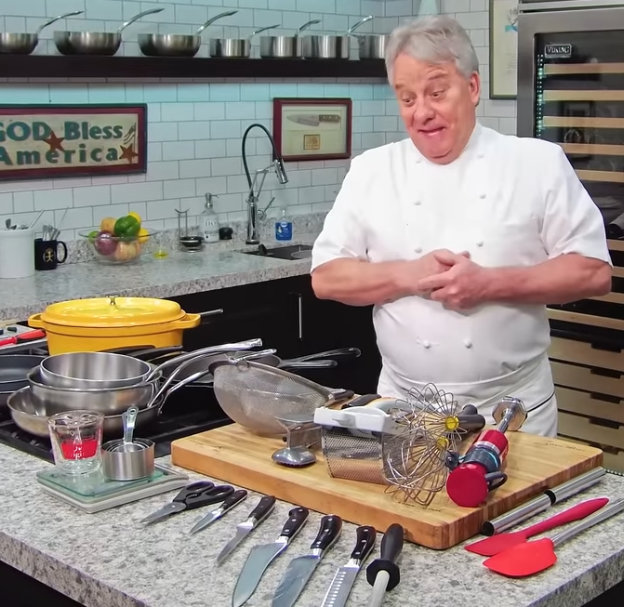
Equipment - You can find the items below at our online store!
Frequently Asked Questions About Potato Gratin Dauphinoise
1. What is Potato Gratin Dauphinoise?
Potato Gratin Dauphinoise is a classic French dish from the Dauphiné region. It consists of thinly sliced potatoes baked in a mixture of cream and milk, often with garlic and sometimes cheese, resulting in a creamy, comforting side dish with a beautifully browned top. The term “au gratin” refers to the golden crust formed during baking. This dish is known for its rich, creamy texture and is a staple in French cuisine, particularly during festive occasions.
The simplicity of the ingredients—potatoes, cream, milk, garlic, and butter—allows the flavors to meld beautifully as they bake. The dish is typically seasoned with salt and pepper and sometimes enhanced with a touch of nutmeg. The key to a perfect Gratin Dauphinoise lies in the thin slicing of the potatoes and the slow baking process, which allows the potatoes to absorb the creamy mixture and become tender.
2. Can you add cheese to Potato Gratin Dauphinoise?
While traditional Potato Gratin Dauphinoise does not include cheese, you can add it if you prefer. Gruyere cheese is a popular choice because it melts well and adds a nutty flavor that complements the creamy potatoes. To incorporate cheese, sprinkle it between the layers of potatoes and on top before baking. This will give you a deliciously cheesy gratin with a crispy top layer.
Adding cheese transforms the dish into a more indulgent version, often referred to as Potato Gratin or Potatoes au Gratin. While it deviates from the traditional recipe, it is a popular variation that many enjoy. The cheese not only adds flavor but also helps to bind the layers of potatoes together, creating a more cohesive dish.
3. Why did my cream curdle in the gratin?
Cream can curdle in Potato Gratin Dauphinoise if the oven temperature is too high. To prevent this, bake the gratin at a moderate temperature of 350°F (175°C). High heat can cause the cream to separate and curdle, leading to a grainy texture instead of the smooth, creamy consistency desired.
Another reason for curdling could be using low-fat cream or milk. Full-fat cream and milk are less likely to curdle because of their higher fat content, which stabilizes the mixture during baking. If you notice the cream starting to curdle, try reducing the oven temperature slightly and ensure you are using high-quality, full-fat dairy products.
4. What potatoes are best for Gratin Dauphinoise?
Starchy potatoes like Russet or King Edward are ideal for Potato Gratin Dauphinoise. These types of potatoes release starch as they cook, which helps to thicken the cream mixture and create a smooth, cohesive dish. Their high starch content also ensures that the potatoes become tender and absorb the flavors of the cream and garlic.
Using waxy potatoes, such as Red or Yukon Gold, is not recommended as they hold their shape too well and do not break down sufficiently to create the creamy texture typical of this dish. Starchy potatoes, on the other hand, soften beautifully and meld with the cream to form the perfect gratin.
5. Can you make Potato Gratin Dauphinoise ahead of time?
Yes, you can make Potato Gratin Dauphinoise ahead of time. Prepare and bake the dish, then let it cool completely before refrigerating. When ready to serve, reheat it in the oven covered with foil until warmed through, then uncover and bake until the top is golden and bubbly. This method ensures that the gratin retains its creamy texture and crispy top layer.
Another option is to assemble the gratin without baking it and store it in the refrigerator until you are ready to cook it. When ready, bake it as usual, allowing a few extra minutes for the dish to heat through thoroughly. This can be convenient for holiday meals or dinner parties, allowing you to prepare in advance and focus on other dishes on the day of the event.
6. How do you properly slice potatoes for the gratin?
To achieve the best results for Potato Gratin Dauphinoise, slice the potatoes thinly and evenly using a mandoline. This tool helps ensure uniform thickness, typically around 1/16 inch, which is crucial for even cooking. Uneven slices can result in some potatoes being undercooked while others become too soft.
When using a mandoline, always use the safety guard to protect your fingers. Slice the potatoes by moving them back and forth across the blade. This technique will help you achieve consistent slices without risking injury. If you do not have a mandoline, you can use a sharp knife, but be extra careful to make the slices as even as possible.
7. What should I serve with Potato Gratin Dauphinoise?
Potato Gratin Dauphinoise pairs well with a variety of main dishes, including roast chicken, steak, lamb, and fish. The creamy and rich flavors of the gratin complement the savory and robust flavors of roasted meats and hearty proteins. Some specific recipes that complement this dish include Chicken Oscar, Tuscan Chicken, and Chilean Sea Bass.
In addition to meats, Potato Gratin Dauphinoise can be served with a simple green salad dressed with a light vinaigrette to balance the richness of the potatoes. The dish also pairs well with steamed or roasted vegetables, such as green beans, carrots, or asparagus, adding color and texture to the meal.
8. How do you store leftover Potato Gratin Dauphinoise?
To store leftover Potato Gratin Dauphinoise, let the dish cool to room temperature, then cover it tightly with plastic wrap or transfer it to an airtight container. Store it in the refrigerator for up to three days. When ready to reheat, place the gratin in an oven-safe dish, cover with foil, and heat at 350°F (175°C) until warmed through. Remove the foil for the last few minutes to allow the top to crisp up again.
If you want to freeze the gratin, let it cool completely, then wrap it tightly in plastic wrap and aluminum foil, or place it in a freezer-safe container. Freeze for up to three months. To reheat, thaw in the refrigerator overnight and then bake covered with foil at 350°F (175°C) until hot, removing the foil for the last few minutes to crisp the top.
9. Can you overcook Potato Gratin Dauphinoise?
Yes, overcooking Potato Gratin Dauphinoise can make the potatoes mushy and cause them to stick to the bottom of the pan. To avoid this, bake the gratin until the potatoes are tender and can be easily pierced with a knife. This usually takes about 1 hour to 1 hour and 30 minutes at 350°F (175°C). Keep an eye on the dish during the last 20 minutes of baking to ensure it does not overcook.
If the top starts to brown too quickly, cover the dish loosely with foil to prevent burning while still allowing the heat to circulate. Removing the gratin from the oven at the right time ensures that the potatoes retain some texture and the creamy sauce remains smooth and cohesive.
10. How do you prevent potatoes from browning while preparing the gratin?
To prevent potatoes from browning while preparing Potato Gratin Dauphinoise, place the sliced potatoes in a bowl of cold water. This stops the oxidation process that causes browning. If you plan to assemble the gratin immediately, you can skip this step, but if there will be a delay, it’s crucial to keep the potatoes in water.
Before layering the potatoes in the baking dish, drain and pat them dry to remove excess moisture. This step ensures that the creamy mixture adheres well to the potatoes and that the dish does not become too watery during baking.
11. What is the difference between Potato Gratin Dauphinoise and Scalloped Potatoes?
The main difference between Potato Gratin Dauphinoise and Scalloped Potatoes lies in how the potatoes are prepared. In Gratin Dauphinoise, raw sliced potatoes are baked in a mixture of cream and milk, often with garlic, resulting in a creamy, smooth dish. The starch from the raw potatoes thickens the cream as it bakes, creating a luxurious texture. This dish typically does not include cheese, although some variations might add it.
Scalloped Potatoes, on the other hand, are usually made with pre-cooked potatoes that are layered with a creamy sauce often containing cheese. The sauce is typically made from milk or cream and thickened with flour. This results in a slightly thicker and more robust sauce compared to the lighter, creamier texture of Dauphinoise. Additionally, Scalloped Potatoes tend to have a more defined, structured appearance because the pre-cooked potatoes hold their shape better during baking.
12. Can you make a lighter version of Potato Gratin Dauphinoise?
Yes, you can make a lighter version of Potato Gratin Dauphinoise by using lower-fat ingredients. Instead of using heavy cream, you can use half-and-half or a mixture of light cream and milk. This will reduce the overall fat content while still providing a creamy texture, though it won’t be as rich as the traditional version. Some recipes even suggest using a combination of milk and a small amount of butter to mimic the creamy texture without the extra calories.
However, it’s important to note that using lower-fat ingredients might result in a thinner sauce, as the fat content in heavy cream helps to create a thick, luxurious consistency. To compensate for this, you can add a small amount of cornstarch to the milk mixture to help it thicken during baking. This way, you can enjoy a lighter version of Potato Gratin Dauphinoise without sacrificing too much of the dish’s signature creamy texture.
13. How do you prevent the gratin from being too runny?
To prevent Potato Gratin Dauphinoise from being too runny, ensure that the potatoes are sliced thinly and evenly, which helps them cook uniformly and release their starch into the cream mixture. The starch from the potatoes is essential for thickening the sauce as it bakes. Additionally, preheating the cream and milk mixture with garlic and seasoning before pouring it over the potatoes can help start the thickening process.
Another important step is to bake the gratin at a moderate temperature, typically 350°F (175°C), and allow it to rest for 10-15 minutes after baking. This resting period lets the dish set, making it easier to serve and ensuring that the creamy mixture doesn’t immediately ooze out when sliced. If you find that the gratin is still too runny, you can add a small amount of flour or cornstarch to the cream mixture before baking to help thicken it.
14. How long should Potato Gratin Dauphinoise rest before serving?
Potato Gratin Dauphinoise should rest for 10-15 minutes after baking. This cooling period allows the dish to set, making it easier to slice and serve. During this time, the creamy mixture thickens slightly, ensuring that it doesn’t run out of the dish when you cut into it. This resting time is crucial for achieving the perfect texture and presentation.
Allowing the gratin to rest also helps to meld the flavors, making each bite more harmonious. If you serve the gratin immediately after taking it out of the oven, it may be too hot and the layers could collapse. Patience pays off, as resting the gratin ensures a more cohesive and enjoyable dish.
15. Can you add other ingredients to Potato Gratin Dauphinoise?
Yes, you can customize Potato Gratin Dauphinoise by adding ingredients like caramelized onions, leeks, or herbs such as thyme and rosemary. These additions can enhance the flavor and add a unique twist to the classic recipe. Caramelized onions, for instance, add a sweet and savory element that complements the creamy potatoes beautifully.
Herbs like thyme and rosemary can infuse the dish with additional layers of flavor. Fresh or dried herbs can be added to the cream mixture or sprinkled between the layers of potatoes. For a bit of extra richness and depth, some recipes suggest adding a touch of nutmeg or even a hint of Dijon mustard to the cream mixture. These variations allow you to tailor the dish to your personal taste preferences while maintaining its essential character.
16. What is the origin of Potato Gratin Dauphinoise?
Potato Gratin Dauphinoise originates from the Dauphiné region in southeastern France. It has been a beloved dish in French cuisine since the 18th century, known for its simplicity and rich, comforting flavors. The dish was traditionally served to the Duke of Clermont-Tonnerre in 1788, highlighting its historical significance and long-standing popularity in French culinary tradition.
The name “Dauphinoise” refers to the Dauphiné region, and the dish has become a staple in French homes and restaurants. Its straightforward preparation and luxurious taste make it a favorite for both everyday meals and special occasions. Over the years, the dish has seen various adaptations, but the classic version remains a testament to the rich culinary heritage of France.
17. Why is my Potato Gratin Dauphinoise not browning on top?
If the top of your Potato Gratin Dauphinoise is not browning, it may be because the oven temperature is too low or the dish is covered for too long. To achieve a golden, crispy top, bake the gratin uncovered for the last 10-15 minutes of the cooking time. If the top is still not browning, you can place the dish under the broiler for a few minutes, keeping a close eye on it to prevent burning.
Another tip is to ensure that the top layer of potatoes is well-coated with the cream mixture and lightly brushed with melted butter. This helps promote browning and adds a beautiful finish to the dish. If using cheese, make sure it is evenly distributed on top to create a golden, bubbly crust.
18. Can you freeze Potato Gratin Dauphinoise?
Yes, you can freeze Potato Gratin Dauphinoise. Let the dish cool completely after baking, then cover it tightly with plastic wrap and aluminum foil, or transfer it to a freezer-safe container. Freeze for up to three months. To reheat, thaw in the refrigerator overnight and then bake covered with foil at 350°F (175°C) until hot, removing the foil for the last few minutes to crisp the top.
Freezing the gratin can be a convenient way to prepare it ahead of time for future meals. Just make sure the dish is well-protected from freezer burn by wrapping it securely. When reheating, check that the center is thoroughly heated before serving to ensure the best texture and flavor.
19. What is the best way to reheat Potato Gratin Dauphinoise?
The best way to reheat Potato Gratin Dauphinoise is in the oven. Preheat the oven to 350°F (175°C) and place the gratin in an oven-safe dish. Cover it with foil to retain moisture and prevent the top from burning. Heat for 20-30 minutes, or until the gratin is warmed through. For the last few minutes, remove the foil to allow the top to crisp up again.
Reheating in the oven ensures that the gratin maintains its creamy texture and doesn’t become too watery or dry. If you’re in a hurry, you can reheat individual portions in the microwave, but be aware that this method might not yield the same crispy top as oven reheating. For the best results, the oven is the preferred method.
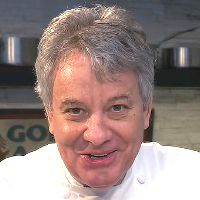
Chef Jean-Pierre, born in Aix-en-Provence, France, honed his culinary skills at a young age, mastering the art of charcuterie by the age of twelve. Determined to become a chef, he began his formal apprenticeship at L'Oustau de Baumaniere in Provence, one of the world’s best restaurants with a 3-star Michelin rating.
Jean-Pierre continued his apprenticeship on the French Riviera where he worked at famous restaurants, such as L’Oasis at La Napoule, Le Vendome in Aix-en-Provence, and the the Carlton in Cannes. In 1976, he opened The Left Bank Restaurant, consistently recognized as one of the best in America for 22 years by magazines like "Bon Appetit," "Conde Nast," "Gourmet Magazine" and "Travel & Leisure."
Jean-Pierre was also a popular TV personality, having hosted National Public Television series like "Incredible Cuisine” and "Sunshine Cuisine." He was also nominated for "Best Culinary Video" by the James Beard Foundation and operated the nationally renowned “Chef Jean-Pierre's Cooking School” and was a sought-after guest on shows like "The Today Show" and "Larry King Live."
With over 2 Million Subscribers to his Chef Jean-Pierre YouTube Channel, he is a widely respected figure in the culinary world, known for his skill and dedication to his craft, but even more so known for making gourmet cooking fun and easy to learn.
We will be having it with baked salmon fillets in wine with salt, pepper and parsley only in order that the fish does not overpower the dauphinoise which we love and I was just checking for the genuine French way of making this very rich dish. Also we will be having broccolini – it’s Christmas Day by the way!
Absolutely love your recipe and absolutely appreciate your sharing your recipe and methods with us. I’ve been searching for a dauphinoise recipe that hits the right notes for several years now, and yours was fabulous! Thank you so very much!
Excellent dishes! I made it for Valentines day, paired with Steak Diane, and your chocolate custard. First time making all dishes.
I added a pinch of Dried thyme, and grated Asiago With Rosemary cheese. Delicious, my wife loved it. Slight curdling, maybe high heat now that I just read the recipe, orginally went off your video, rewatched a few times.
Planning on remaking today for a dinner party. No cheese.
The Steak Diane- forgot to pat dry the Steak, none the less, the steak had a beautiful Crust and wonderful texture/flavor. The sauce sadly had no port wine, used another red wine, added to much worchester sauce and salt, no stock or broth so I used 2 veggie concentrate gellatins from knorr. It came out salty
The flavor was wonderful, but I had issues with the full milk/full cream curdling resulting in a lot of water. After reading the recipe here I see that the temp should not be more than 350F. I was following the video where 365F is given. LOL, lesson learned and that is to follow the written recipe. I will make my next test batch today. I have a few people that don’t like cheese (how weird!) coming for Thanksgiving, so I would like to serve this side.
Chef, you are an inspiration to me and my kids (40+) and we love your efforts making the rest of us accomplished cooks. Thank you and keep the videos coming.
Just a note to say that the second batch at 340F (!) came out perfect. Total cooking time of about 2 hours. Its is a beautiful and delicious effort. Thanks again, Chef!
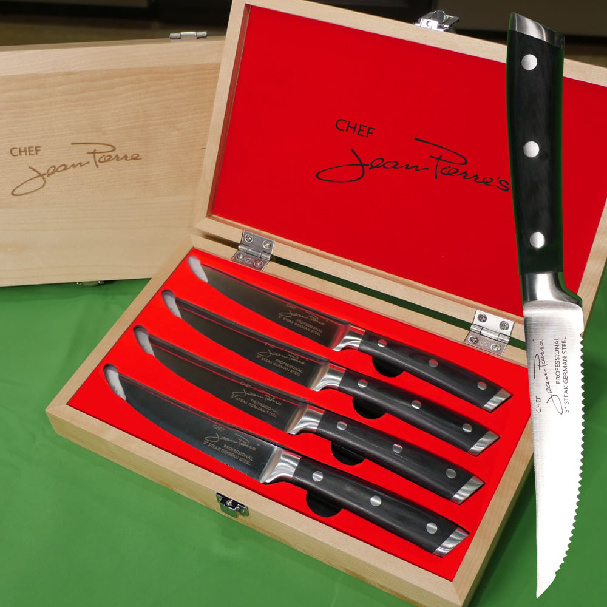
5-inch high-carbon German Stainless Steel blade will effortlessly slice through your steak, bread, vegetables, and fruits. The handle is ergonomically designed Pakka Wood. Makes a perfect gift presented in a beautifully crafted wooden box.











We will be having it with baked salmon fillets in wine with salt, pepper and parsley only in order that the fish does not overpower the dauphinoise which we love and I was just checking for the genuine French way of making this very rich dish. Also we will be having broccolini – it’s Christmas Day by the way!
Absolutely love your recipe and absolutely appreciate your sharing your recipe and methods with us. I’ve been searching for a dauphinoise recipe that hits the right notes for several years now, and yours was fabulous! Thank you so very much!
Hi Chef! continue your good work! can i send you a youtune recipe and you tell me what you think of it?
Excellent dishes! I made it for Valentines day, paired with Steak Diane, and your chocolate custard. First time making all dishes.
I added a pinch of Dried thyme, and grated Asiago With Rosemary cheese. Delicious, my wife loved it. Slight curdling, maybe high heat now that I just read the recipe, orginally went off your video, rewatched a few times.
Planning on remaking today for a dinner party. No cheese.
The Steak Diane- forgot to pat dry the Steak, none the less, the steak had a beautiful Crust and wonderful texture/flavor. The sauce sadly had no port wine, used another red wine, added to much worchester sauce and salt, no stock or broth so I used 2 veggie concentrate gellatins from knorr. It came out salty
Thank you Chef
The flavor was wonderful, but I had issues with the full milk/full cream curdling resulting in a lot of water. After reading the recipe here I see that the temp should not be more than 350F. I was following the video where 365F is given. LOL, lesson learned and that is to follow the written recipe. I will make my next test batch today. I have a few people that don’t like cheese (how weird!) coming for Thanksgiving, so I would like to serve this side.
Chef, you are an inspiration to me and my kids (40+) and we love your efforts making the rest of us accomplished cooks. Thank you and keep the videos coming.
Just a note to say that the second batch at 340F (!) came out perfect. Total cooking time of about 2 hours. Its is a beautiful and delicious effort. Thanks again, Chef!
This recipe is seriously out-of-this- world!!!
Non cooks like myself can make this.