Hello friends! Today, we’re going to have some fun making fresh home made pasta. I am going to share with you how to make pasta from scratch using just two ingredients plus a little salt. It’s really easy and incredibly satisfying.
Let’s dive in and I’ll show you how simple it is to create delicious pasta from scratch. It’s really simple and no big deal. Let’s get started and make some amazing pasta together!
The Joy of Homemade Pasta
There’s nothing quite like homemade pasta. The texture, the flavor, and the satisfaction of making it yourself—nothing compares. Fresh pasta is a game-changer, and once you try it, you might never go back to the store-bought stuff.
Making fresh homemade pasta is easier than you think. With just a few simple ingredients, you can create magic right at home.
Originating in ancient Italy, pasta has evolved over centuries. Forget the myths about Marco Polo bringing it from China—pasta was already a big deal in Italy. Made simply from flour and eggs and a touch of salt, pasta has become a versatile and loved food.
The Art of Making Pasta Dough
Making pasta dough might sound intimidating, but trust me, it’s a breeze. Be sure to watch the video for a step-by-step guide. Here’s a quick rundown:
1. Ingredients: All you need is flour (preferably double zero flour), eggs, and a pinch of salt. 2. Mixing: Combine the flour and eggs until the dough comes together. Knead the dough until it’s smooth and elastic. 3. Resting: Let the dough rest. This step is crucial for the gluten to relax, making the dough easier to roll out.
The Perfect Pasta Meal
There’s nothing quite like the taste of fresh homemade pasta, especially when it’s paired with a delicious sauce. The texture of freshly made pasta is unmatched, and when it is enveloped in a rich, flavorful sauce, it creates a culinary experience that is both comforting and luxurious.
Four Pasta Sauces I Promise You’re Going To Love:
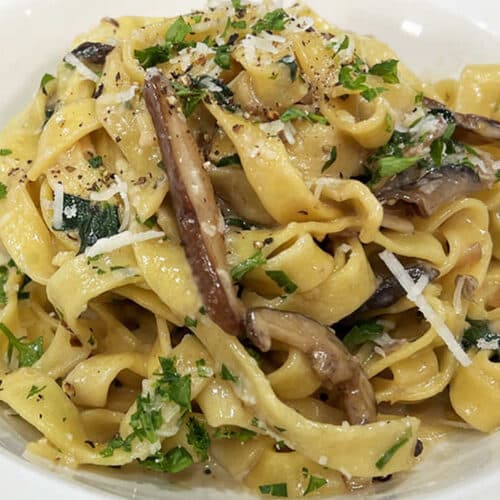
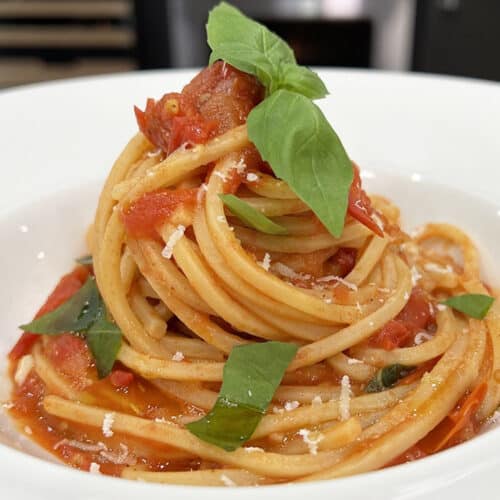
1.My Favorite Pasta Sauce Recipe: The perfect blend of two classics, Bolognese & Pomodoro Sauce. 2.The Ultimate Creamy Mushroom Pasta The perfect combination of savory mushrooms, al dente pasta, and a luscious cream sauce. 3.Pasta Alla Puttanesca Sauce recipe with shrimp. A beautiful tomato sauce very simple to make. Delicious served over homemade linguini. 4.Best Homemade Tomato Meat Sauce Recipe for pasta lovers. A tomato ragu, meat sauce, sauce Bolognese, call it whatever you want to call it, it’s delicious.
All of the sauces above are amazing, but here is a pasta recipe that is a true classic, that along with a fresh home made pasta, would be taken to the next level: Spaghetti and Meatballs.
There you have it, friends! Making fresh home made pasta is not only fun and rewarding, but it also opens up a world of culinary possibilities. From the satisfaction of kneading the dough to the joy of serving a delicious meal to loved ones, homemade pasta is a true labor of love.
This is a delightful and simple to make and brings a touch of authenticity to your kitchen. With just two main ingredients plus salt, you can create silky, smooth pasta perfect for any sauce. This recipe serves four and is ideal for a homemade pasta night.
2teaspoonsSalt (the Chef used Diamond Crystal Kosher)
3largeEggs
2Egg Yolks
Get Recipe Ingredients
Prevent your screen from going dark
Recipe Instructions
Preparing Your Pasta Dough
If you do not have a food processor, to make the dough, mix the flour and salt together. Form a well in the center of the flour mixture and add the eggs and egg yolks. Using a fork, gradually incorporate the flour into the eggs until a dough forms.
If you have a food processor add all the ingredients in the bowl and process until you have a rough dough.
On your counter, knead the dough for about 10 minutes until it becomes smooth and elastic. If the dough is sticky, resist the temptation to add more flour right away; keep kneading for a few minutes to see if the consistency improves. Once the dough is smooth, shape it into a ball, wrap it tightly in plastic wrap, and let it rest at room temperature for at least two hours.
Rolling Out Your Pasta And Cutting To Your Desired Width
After resting, divide the dough into four equal pieces. Using a pasta machine or rolling pin, roll each piece into a thin sheet, starting with the widest setting and gradually working down to the desired thickness. Lightly dust the sheets with flour or semolina to prevent sticking.
Once the sheets are ready, cut them into desired shapes such as fettuccine, linguine, or pappardelle. If using a pasta machine, pass the sheets through the cutter attachment for even noodles. For hand-cut pappardelle, roll the sheets into a loose cylinder and slice to the desired width. Lay the cut pasta on a floured surface or hang it to dry slightly before cooking.
Cooking Your Fresh Home Made Pasta
To cook the pasta, bring a large pot of salted water to a boil. Add the pasta and cook for about 1-2 minutes until al dente.
Use a spider or pasta fork to lift the pasta from the water, avoiding pouring the water directly over it to prevent semolina from covering the cooked pasta. Serve immediately with your favorite sauce.
Enjoy your homemade fresh pasta!
Pro-Tips
Precision is key!
A little secret from my kitchen to yours: weigh your ingredients! Precision is key in achieving the perfect pasta dough. Use a kitchen scale to measure your flour and eggs. Trust me, it makes a world of difference.
Rolling and Cutting the Pasta
Once your dough has rested, it’s time to roll it out. Whether you’re using a pasta maker or rolling it by hand, the goal is to get your dough as thin as possible. Here’s how:1. Rolling Out: Start with the largest setting on your pasta maker and gradually work your way down to the thinnest. If you’re rolling by hand, use a rolling pin and a lot of elbow grease.2. Cutting: Once you’ve rolled out your dough, it’s time to cut it into your desired shape. Whether it’s fettuccine, linguine, or pappardelle, the possibilities are endless.
Bonus Pro-Tip: Storing Fresh Homemade Pasta
If you’re not cooking your pasta immediately, you’ll want to store it properly. Dust the pasta with a bit of flour or semolina to prevent sticking, and then either hang it on a pasta drying rack or lay it out on a baking sheet. Fresh pasta can be stored in an airtight container in the fridge for up to two days.
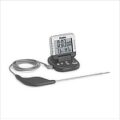
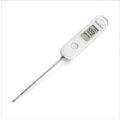
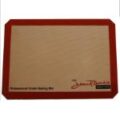
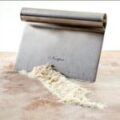
Equipment - You can find the items below at our online store!
Frequently Asked Questions About Fresh Home Made Pasta
1. Can I make pasta dough in advance?
Yes, you can make the pasta dough in advance. Wrap the dough tightly in plastic wrap and place it in a zip-top bag with the air pressed out. Store it in the refrigerator for up to a day. This allows the dough to rest, making it easier to roll out and shape later.
Resting the dough helps the gluten to relax, which is crucial for achieving the right texture. When you’re ready to use it, let the dough come to room temperature before rolling it out. This will make it easier to handle and ensure even rolling.
2. What is the best flour for homemade pasta?
The best flour for homemade pasta is “00” flour, which is finely milled and gives the pasta a silky texture. Semolina flour is another good option, as it provides a slightly coarser texture and makes the pasta more elastic. You can also use all-purpose flour if “00” flour is not available.
Using the right flour is key to achieving the desired texture in your pasta. “00” flour is particularly favored in Italian pasta making for its fine grind, which results in smooth, tender pasta. Semolina adds a bit more bite and is great for sturdier pasta shapes.
3. Do I need special equipment to make fresh home made pasta?
While a pasta machine makes the process easier, you can still make pasta with basic kitchen tools. A rolling pin and a sharp knife are sufficient for rolling and cutting the dough. If you have a pasta machine, it helps achieve even thickness and clean cuts for various pasta shapes.
A pasta machine can streamline the process and ensure consistency, but handmade pasta has its own charm. Using a rolling pin requires more effort but allows for more control over the thickness and texture of the dough.
4. How do I roll out pasta dough?
To roll out pasta dough, start with the largest setting on your pasta machine and gradually decrease the thickness. If rolling by hand, use a rolling pin to flatten the dough into a thin, even sheet. Dust the dough with flour to prevent sticking and continue rolling until you reach the desired thickness.
The goal is to get the dough as thin as possible without tearing it. Rolling out the dough evenly is crucial for uniform cooking and texture. Take your time and dust with flour as needed to prevent sticking.
5. How long should I knead pasta dough?
Knead the pasta dough for about 10 minutes by hand. This process develops the gluten, giving the dough elasticity and strength. The dough should become smooth and slightly tacky to the touch. If using a stand mixer, knead the dough on low speed with a dough hook for 8-10 minutes.
Proper kneading ensures that the dough is well-developed, which affects the texture and elasticity. Over-kneading can make the dough tough, so aim for a smooth, elastic consistency.
6. How do I store fresh home made pasta?
Fresh home made pasta can be stored in the refrigerator for up to two days. Dust the pasta with flour to prevent sticking, place it in an airtight container, and store it below 40°F (4°C). For long-term storage, freeze the pasta by spreading it in a single layer on a baking sheet before transferring it to a freezer bag.
Proper storage prevents the pasta from drying out or sticking together. Ensure the container is airtight to maintain freshness and prevent contamination.
7. Can I freeze fresh home made pasta?
Yes, you can freeze fresh home made pasta. Arrange the pasta on a baking sheet in a single layer and freeze until solid. Then transfer the pasta to a freezer bag or airtight container, removing as much air as possible. Frozen pasta can be stored for up to three months.
Freezing pasta helps preserve it for longer periods. When ready to use, you can cook the pasta directly from frozen, adding a minute or two to the cooking time.
8. How do I cook fresh home made pasta?
Cook fresh pasta in a large pot of salted boiling water. Fresh pasta cooks much faster than dried pasta, usually in 1-2 minutes or until it floats to the surface. Test for doneness by tasting a piece. Fresh pasta should be tender but still have a slight bite (al dente).
The key to cooking fresh pasta is to keep an eye on it, as it cooks quickly. Ensure the water is well-salted to enhance the flavor of the pasta.
9. Why is my pasta dough too dry or too wet?
Pasta dough consistency can vary based on humidity and flour type. If the dough is too dry, add a small amount of water, a teaspoon at a time. If it’s too wet, incorporate more flour gradually. The dough should be firm but not sticky.
Adjusting the dough’s moisture content ensures the right texture for rolling and cutting. A well-balanced dough should be easy to handle and not crumbly or overly sticky.
10. How do I prevent fresh home made pasta from sticking together?
Dust the pasta with flour or semolina after cutting it to prevent sticking. If you’re storing the pasta, ensure it’s well-floured and arranged in single layers or nests. Using a pasta drying rack can also help keep the strands separated.
Properly drying and storing the pasta ensures it doesn’t clump together. This makes cooking and handling the pasta much easier.
11. What types of pasta can I make with homemade dough?
With homemade dough, you can make various pasta types such as fettuccine, linguine, pappardelle, and even filled pasta like ravioli or tortellini. The key is to roll the dough to the appropriate thickness and use the right cutting tools or attachments.
Experimenting with different shapes allows you to explore a variety of dishes and textures. Each pasta shape has its own characteristics and works best with specific types of sauces.
12. How do I dry fresh home made pasta?
Dry fresh pasta by laying it out on a floured baking sheet or hanging it on a pasta drying rack. Allow the pasta to air-dry for at least 30 minutes to an hour before cooking. For long-term storage, dry the pasta completely for 12 to 24 hours, depending on the humidity.
Drying pasta properly prevents it from sticking together and ensures it cooks evenly. The drying time can vary based on the thickness of the pasta and the environmental conditions.
13. Can I make fresh home made pasta without eggs?
Yes, you can make pasta without eggs, which results in a different texture and flavor. Eggless pasta is typically made with just flour and water. This type of pasta is common in some regions of Italy and is often used for dishes like orecchiette or trofie.
Eggless pasta tends to be firmer and less rich than egg pasta. It’s a great option for those with dietary restrictions or preferences.
14. How do I make my pasta dough more elastic?
To make pasta dough more elastic, ensure you knead it properly to develop the gluten. Using “00” flour also helps, as it has the right protein content to create an elastic dough. Letting the dough rest allows the gluten to relax, making it easier to roll out.
Elasticity in the dough is crucial for rolling it thin and achieving a smooth texture. Proper kneading and resting are key steps in this process.
15. What is the ideal thickness for pasta dough?
The ideal thickness for pasta dough depends on the type of pasta you’re making. For fettuccine and linguine, aim for about 1/16 inch thick. For filled pasta like ravioli, roll the dough as thin as possible without tearing, usually around 1/32 inch thick.
Achieving the right thickness ensures that the pasta cooks evenly and has the desired texture. Thicker pasta is suitable for heartier dishes, while thinner pasta is ideal for delicate preparations.
16. How do I make flavored pasta?
To make flavored pasta, incorporate ingredients like spinach, beetroot, or herbs into the dough. For example, puree spinach and mix it with the eggs before combining with the flour. This adds both color and flavor to the pasta.
Flavored pasta adds an extra dimension to your dishes and allows for creative combinations. Be sure to adjust the moisture content of the dough accordingly when adding purees or other ingredients.
17. Can I use a food processor to make pasta dough?
Yes, a food processor can be used to make pasta dough. Combine the flour and eggs in the processor and pulse until the dough forms large crumbs. Knead the dough briefly by hand to bring it together into a smooth ball.
Using a food processor can save time and effort, especially for those who may find hand-kneading challenging. Just be careful not to over-process the dough, which can make it tough.
18. How long should pasta dough rest?
Pasta dough should rest for at least 30 minutes. This allows the gluten to relax, making it easier to roll out. You can rest the dough at room temperature or in the refrigerator if you’re not using it immediately. If refrigerating, let the dough return to room temperature before rolling it out for the best results.
Resting the dough is a crucial step to ensure the pasta is smooth and pliable. This resting period also helps to hydrate the flour fully, which improves the texture and elasticity of the pasta when cooked.
19. What is the difference between fresh and dried pasta?
Fresh pasta is made with eggs and flour, resulting in a tender texture and rich flavor. It cooks quickly, usually in 1-2 minutes, and is ideal for delicate sauces. Dried pasta is made from durum wheat and water, has a firmer texture, and takes longer to cook. It’s perfect for heartier sauces and has a longer shelf life.
Fresh pasta offers a more luxurious mouthfeel and is often used in finer dishes, while dried pasta is more durable and convenient for everyday use. Each type has its own unique characteristics and uses in different culinary contexts.
20. Why should I use “00” flour for fresh home made pasta?
“00” flour is finely milled, making it ideal for pasta. It creates a dough that is smooth and elastic, resulting in a silky texture when cooked. This flour is particularly good for achieving the delicate consistency needed for fresh pasta. It is also easier to work with, producing a more consistent dough.
Using “00” flour helps ensure your pasta has a fine, smooth texture that is perfect for traditional Italian dishes. Its fine grind allows it to absorb water more evenly, which helps in creating a cohesive dough that is easy to roll out thinly.
Chef Jean-Pierre, born in Aix-en-Provence, France, honed his culinary skills at a young age, mastering the art of charcuterie by the age of twelve. Determined to become a chef, he began his formal apprenticeship at L'Oustau de Baumaniere in Provence, one of the world’s best restaurants with a 3-star Michelin rating.
Jean-Pierre continued his apprenticeship on the French Riviera where he worked at famous restaurants, such as L’Oasis at La Napoule, Le Vendome in Aix-en-Provence, and the the Carlton in Cannes. In 1976, he opened The Left Bank Restaurant, consistently recognized as one of the best in America for 22 years by magazines like "Bon Appetit," "Conde Nast," "Gourmet Magazine" and "Travel & Leisure."
Jean-Pierre was also a popular TV personality, having hosted National Public Television series like "Incredible Cuisine” and "Sunshine Cuisine." He was also nominated for "Best Culinary Video" by the James Beard Foundation and operated the nationally renowned “Chef Jean-Pierre's Cooking School” and was a sought-after guest on shows like "The Today Show" and "Larry King Live."
With over 2 Million Subscribers to his Chef Jean-Pierre YouTube Channel, he is a widely respected figure in the culinary world, known for his skill and dedication to his craft, but even more so known for making gourmet cooking fun and easy to learn.
The Best Creamy Mushroom Pasta! The perfect combination of savory mushrooms, al dente pasta, and a luscious cream sauce that will make your taste buds dance. Easy to make…
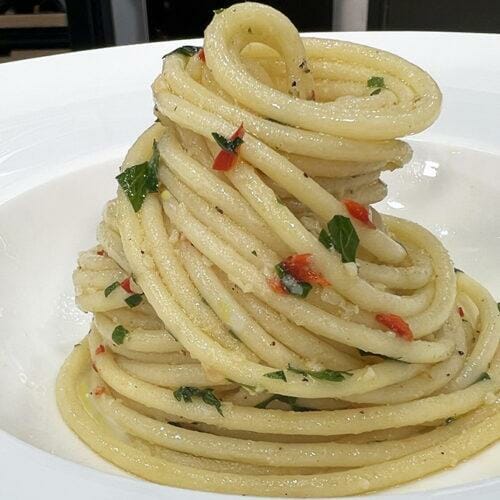
My Go-To Spaghetti Aglio E Olio Recipe! My friends, if you're looking for an easy weeknight dinner that your whole family will love, look no further than this Spaghetti Aglio E…
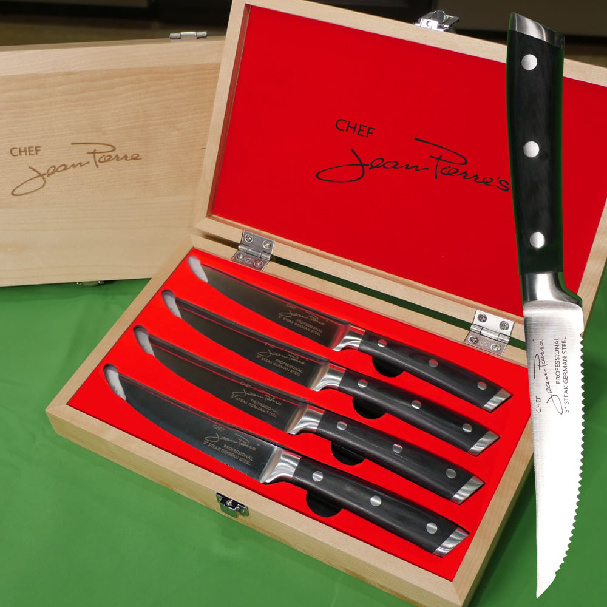
5-inch high-carbon German Stainless Steel blade will effortlessly slice through your steak, bread, vegetables, and fruits. The handle is ergonomically designed Pakka Wood. Makes a perfect gift presented in a beautifully crafted wooden box.









Better than any pasta recipe I’ve ever used. I think the extra eggs make a big difference in its richness.