Hello friends, Chef Jean-Pierre here! Today, we’re diving into the world of potato bread, a delectable treat that’s as versatile as it is delicious. Whether you’re a bread enthusiast or a potato lover, this homemade potato bread recipe is sure to tickle your taste buds and bring a smile to your face.
A Brief History of Potato Bread
Potato bread is believed to have its origins in Ireland, but if the truth be told, no one knows for sure. This bread was a staple in Ireland during the 19th century, especially during times when wheat flour was scarce, and potatoes were plentiful.
Irish potato bread, also known as “boxty” in some regions, became a popular way to stretch ingredients and create a hearty, satisfying loaf. Over time, this humble bread has evolved, and now, we have a variety of potato bread recipes that cater to different tastes and preferences around the world.
The Magic of Mashed Potatoes in Bread
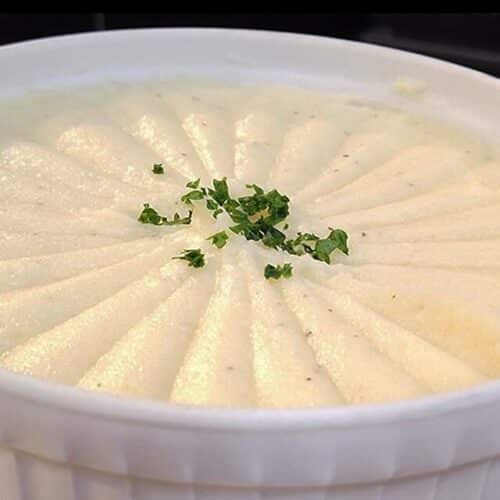
Why add mashed potatoes to bread? The answer lies in the texture. The starches in mashed potatoes give the bread a wonderfully soft, moist crumb. This makes homemade potato bread perfect for sandwiches, toast, or just enjoying a slice with a bit of butter.
Leftover mashed potatoes can be a game-changer, adding a creamy richness that elevates the bread to new heights.
How to Best Serve Potato Bread
Potato bread is incredibly versatile. It’s perfect for:
Sandwiches: The soft texture makes it ideal for any sandwich, from a classic BLT to a gourmet grilled cheese sandwich. French Toast: The slight sweetness and tender crumb of potato bread make it an excellent choice for a decadent French toast. Simply Toasted: A slice of warm, toasted potato bread with a smear of butter or jam is pure heaven.
Suggested Pairings
For a delightful meal, serve your potato bread with:
Soups and Stews: The hearty nature of potato bread pairs beautifully with rich, savory soups and stews. Sausage and Peppers: Use potato bread as a side to a delicious serving of Sausage and Peppers, or to make a Sausage and Peppers sandwich. Breakfast: Pair it with scrambled eggs, bacon, and avocado for a satisfying breakfast.
Potato Bread: A Family Favorite
Potato bread has a way of becoming a family favorite. Its soft, pillowy texture and slightly sweet flavor appeal to both kids and adults alike. It’s the kind of bread that brings people together, whether it’s around the breakfast table or at a family gathering.
This bread is a delightful fusion of buttery richness and creamy softness, similar to a brioche but simpler to make. Perfect for sandwiches, French toast, or simply enjoyed on its own, this potato bread is sure to become a favorite in your household. With easy-to-follow steps and straightforward ingredients, you’ll have a delicious loaf ready in no time.
Boil or bake the potatoes and mash them, ensuring you have about 1 cup (140g).
In the bowl of your mixer, combine the milk, butter, yeast, salt, sugar, and the egg and mix thoroughly. Add the bread flour, mixing until a dough forms.
Knead the dough using a dough hook for about 5-7 minutes until it becomes smooth and elastic. Alternatively, you can knead by hand for approximately 10 minutes. Form the dough into a ball and place it in a lightly dusted bowl with flour, covering it with a cloth.
Let it rise in a warm place for about 45 minutes to an hour, or until it doubles in size. Once risen, punch down the dough and shape it into a loaf.
Preheat Oven to 350°F (175°C)
Place it in a buttered loaf pan and let it rise again for about 45 minutes, until it doubles in size.
Bake the bread for 35-40 minutes, or until the top is golden brown and the loaf sounds hollow when tapped.
Remove from the oven and let it cool slightly before brushing the top with melted butter. Allow the bread to cool completely on a wire rack before slicing.
Enjoy your delicious homemade Potato Bread!
Pro-Tips
Perfecting Your Potato Bread
When preparing your mashed potatoes for this recipe, ensure they're well-mashed and integrated smoothly into the dough. This step ensures a consistent texture and enhances the bread's overall flavor.Additionally, allowing the dough to rise adequately is crucial for achieving that fluffy, golden-brown crust that defines a perfect loaf. Cover the dough with plastic wrap to retain moisture, place it someplace warm place, and let it rise until it doubles in size.
Bonus Pro-Tip: The Golden Brown Crust
For that perfect golden brown crust, brush your loaf with a bit of butter before baking. This not only adds flavor but also gives the bread a beautiful, glossy finish. And don't forget, a convection oven can help achieve that lovely brown color on top.
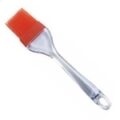
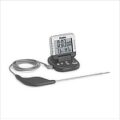
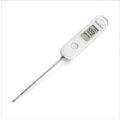
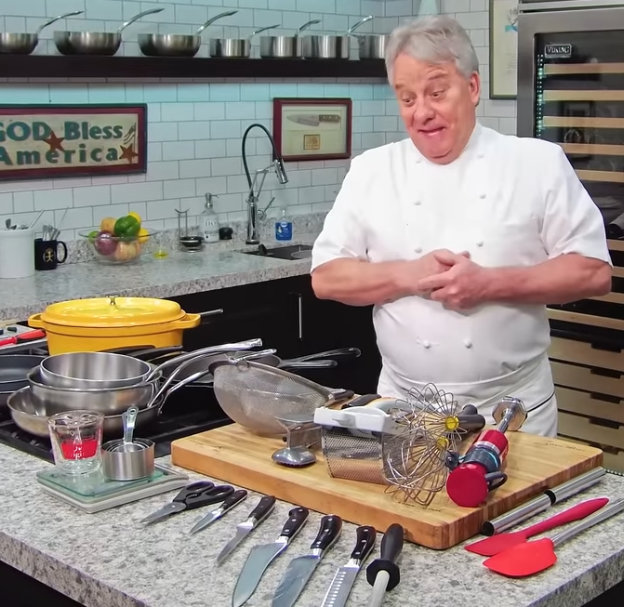
Equipment - You can find the items below at our online store!
Frequently Asked Questions About How To Make A Potato Bread Recipe
1. What is potato bread?
Potato bread is a type of bread that includes mashed potatoes or potato flour as one of its primary ingredients. The addition of potatoes gives the bread a soft, moist texture and a slightly sweet flavor. It’s a versatile bread that can be used for sandwiches, toast, or enjoyed on its own.
Potato bread can be made using leftover mashed potatoes, which adds convenience and reduces waste. It is known for its tender crumb and ability to stay fresh longer due to the moisture provided by the potatoes.
2. How is potato bread different from regular bread?
The key difference between potato bread and regular bread is the inclusion of mashed potatoes or potato flour. This ingredient adds a unique texture and moisture to the bread, making it softer and more tender than traditional white bread. Additionally, the potatoes provide a subtle sweetness and enhance the overall flavor profile.
Potato bread also tends to have a longer shelf life compared to regular bread because the potatoes help retain moisture. This makes it an excellent choice for sandwiches and toast, providing a delicious and versatile alternative to standard bread.
3. What kind of potatoes should I use in my potato bread recipe?
Russet potatoes are commonly used for potato bread due to their high starch content, which helps achieve the desired texture. However, any type of potato can be used, including Yukon Gold or even leftover mashed potatoes. The important thing is to ensure the potatoes are well-mashed and free of lumps before adding them to the dough.
Using different types of potatoes can slightly alter the flavor and texture of the bread, so feel free to experiment with what you have on hand. Just remember that the starchier the potato, the softer and more tender your bread will be.
4. Can I use leftover mashed potatoes in a potato bread recipe?
Absolutely! Leftover mashed potatoes are perfect for making potato bread. Just make sure the mashed potatoes are plain (without added butter, milk, or seasoning) and warm them slightly before incorporating them into the dough. This is a great way to reduce waste and add flavor to your bread.
Using leftover mashed potatoes not only adds convenience but also enhances the texture and taste of the bread. The natural starches in the potatoes help create a moist and tender crumb, making the bread ideal for sandwiches and toast.
5. How do I store potato bread?
Potato bread can be stored at room temperature in an airtight container for 2-3 days. For longer storage, wrap the bread tightly in plastic wrap and place it in a freezer-safe bag. It can be frozen for up to three months. To enjoy frozen bread, simply thaw it at room temperature or toast it directly from the freezer.
Storing the bread properly ensures it remains fresh and retains its soft texture. If you plan to freeze the bread, consider slicing it beforehand to make it easier to thaw only the amount you need.
6. What are some serving suggestions for potato bread?
Potato bread is incredibly versatile. It makes excellent sandwich bread, perfect for everything from a classic ham and cheese to a gourmet grilled cheese. It’s also fantastic for French toast due to its soft texture. Toast a slice and top it with butter and jam for a simple yet delicious breakfast or snack.
Other serving ideas include using potato bread as a base for bruschetta, making croutons for salads, or serving it alongside soups and stews. Its unique flavor and texture make it suitable for a variety of dishes.
7. How do I know when the dough is properly kneaded?
You can test the dough using the “windowpane test.” Pinch off a small piece of dough and stretch it between your fingers. If it stretches into a thin, translucent membrane without breaking, it’s ready. If it tears easily, continue kneading for another minute or two and test again.
Proper kneading develops the gluten in the dough, which is essential for achieving the right texture in your bread. It helps ensure the bread will rise properly and have a light, airy crumb.
8. What is the best way to proof potato bread dough?
Proof the dough in a warm, draft-free area. An ideal temperature for proofing is around 75-81°F. You can place the dough in an oven with the light on, on top of a refrigerator, or in a dedicated proofing drawer. Cover the dough with plastic wrap or a damp cloth to retain moisture and let it rise until it has doubled in size.
Proper proofing is crucial for developing the flavor and texture of the bread. Ensuring the dough rises adequately will result in a loaf that is light and fluffy, with a nice crumb structure.
9. Can I make potato bread in a bread machine?
Yes, potato bread can be made in a bread machine. Follow your bread machine’s instructions for adding ingredients, typically starting with the liquids and then the dry ingredients. Use the dough cycle to mix and knead the dough, then shape it into loaves and bake in the oven, or use the machine to bake the bread completely.
Using a bread machine can simplify the process and ensure consistent results. It is especially helpful for those who prefer a hands-off approach to bread making.
10. Why does my potato bread turn out dense?
Dense bread can result from several factors: not enough kneading, not allowing the dough to rise fully, or using too much flour. Ensure you knead the dough sufficiently to develop the gluten, let it rise in a warm environment until it doubles in size, and measure your flour accurately to avoid adding too much.
If your bread is consistently dense, consider checking your yeast’s freshness as old or inactive yeast can also affect the rise. Proper techniques and fresh ingredients are key to achieving a light and fluffy loaf.
11. Can I use sweet potatoes instead of regular potatoes in my potato bread recipe?
Yes, sweet potatoes can be used as a substitute. They will add a slightly different flavor and a bit more sweetness to the bread. The process remains the same, just substitute an equal amount of sweet potato for regular potatoes.
Sweet potatoes can add a lovely color and unique flavor to the bread, making it a delightful variation. Just ensure the sweet potatoes are well-mashed and incorporated smoothly into the dough.
12. What are the benefits of adding potatoes to bread?
Adding potatoes to bread increases its moisture content, resulting in a softer, more tender crumb. The potatoes’ starches also help retain moisture, keeping the bread fresh longer. Additionally, potatoes can add a subtle sweetness and enhance the overall flavor.
The inclusion of potatoes can also improve the nutritional profile of the bread by adding vitamins and minerals. This makes potato bread not only delicious but also a bit more nutritious.
13. How do I achieve a golden brown crust on my potato bread?
To achieve a golden brown crust, brush the top of the loaf with melted butter or an egg wash before baking. Using a convection oven can also help evenly brown the crust. Baking at the correct temperature (usually around 350-375°F) and not opening the oven door too often will ensure a beautifully colored crust.
Monitoring the bread as it bakes and using these techniques will help you achieve a perfect crust every time. A golden brown crust adds both visual appeal and a delightful texture to the bread.
14. Can I add other ingredients to potato bread?
Yes, you can customize your potato bread by adding ingredients such as herbs, cheese, or garlic. These additions can enhance the flavor and make the bread more versatile for different types of meals. Add these ingredients during the mixing stage to ensure they are evenly distributed.
Experimenting with different ingredients can lead to unique and delicious variations of potato bread. Just be mindful of the quantities to avoid affecting the dough’s texture and rise.
15. How do I prevent my potato bread from sticking to the pan?
To prevent sticking, grease your loaf pan thoroughly with butter or non-stick spray. You can also line the bottom with parchment paper. Allow the bread to cool slightly before removing it from the pan to ensure it comes out easily.
Properly preparing the pan and letting the bread cool will help you avoid any sticking issues and ensure your loaf comes out perfectly every time.
16. What type of flour is best for potato bread?
Bread flour is ideal for potato bread due to its higher protein content, which provides better gluten development and structure. However, all-purpose flour can also be used if bread flour is not available. Ensure you measure your flour accurately for the best results.
Using the right type of flour is crucial for achieving the desired texture and rise in your potato bread. Bread flour will give you a chewier, more structured loaf, while all-purpose flour will result in a softer bread.
17. Why is my potato bread not rising properly?
If your bread isn’t rising, it could be due to inactive yeast, cold dough, or insufficient proofing time. Ensure your yeast is fresh and active, the dough is kept in a warm environment, and you allow enough time for it to rise until it doubles in size. Using warm water (around 110-115°F) to activate the yeast and keeping the dough in a warm, draft-free area can help with proper rising.
Another reason could be the amount of flour used. Too much flour can make the dough too dense, preventing it from rising properly. Make sure to measure your flour accurately and avoid adding too much during the kneading process. Additionally, if your kitchen is too cold, consider placing the dough in a warm oven (turned off) or using a proofing box to maintain the ideal temperature.
18. Can potato bread be made gluten-free?
Yes, potato bread can be made gluten-free by using gluten-free flour blends and ensuring all other ingredients are gluten-free. The texture may differ slightly, but the potatoes will still add moisture and flavor. Be sure to follow a recipe specifically designed for gluten-free potato bread for the best results, as gluten-free baking requires different techniques and ingredient ratios.
When making gluten-free potato bread, it’s important to use a mix of gluten-free flours to mimic the properties of wheat flour. Common gluten-free flours include rice flour, tapioca flour, and potato starch. Adding xanthan gum or psyllium husk can help provide the structure that gluten would normally offer.
19. How do I make sure my potato bread is fully baked?
To ensure your potato bread is fully baked, use a thermometer to check the internal temperature, which should be around 190-200°F. The bread should also sound hollow when tapped on the bottom. Allow the bread to cool completely before slicing to ensure it sets properly and maintains its structure.
Visually, the bread should have a golden brown crust. If the crust is getting too dark while the inside is still not fully baked, cover the loaf loosely with aluminum foil during the last part of baking. This will prevent over-browning while allowing the bread to bake through.
20. Can I freeze potato bread dough?
Yes, you can freeze potato bread dough. After the first rise, shape the dough into a loaf, wrap it tightly in plastic wrap, and place it in a freezer-safe bag. When ready to bake, thaw the dough in the refrigerator overnight, let it come to room temperature, and allow it to rise again before baking as usual.
Freezing the dough can be a convenient way to have fresh bread on hand. Make sure to label the dough with the date and type of bread so you can easily identify it later. When you’re ready to bake, follow the usual baking instructions, adjusting the rise time as needed to ensure the dough has fully thawed and risen.
Chef Jean-Pierre, born in Aix-en-Provence, France, honed his culinary skills at a young age, mastering the art of charcuterie by the age of twelve. Determined to become a chef, he began his formal apprenticeship at L'Oustau de Baumaniere in Provence, one of the world’s best restaurants with a 3-star Michelin rating.
Jean-Pierre continued his apprenticeship on the French Riviera where he worked at famous restaurants, such as L’Oasis at La Napoule, Le Vendome in Aix-en-Provence, and the the Carlton in Cannes. In 1976, he opened The Left Bank Restaurant, consistently recognized as one of the best in America for 22 years by magazines like "Bon Appetit," "Conde Nast," "Gourmet Magazine" and "Travel & Leisure."
Jean-Pierre was also a popular TV personality, having hosted National Public Television series like "Incredible Cuisine” and "Sunshine Cuisine." He was also nominated for "Best Culinary Video" by the James Beard Foundation and operated the nationally renowned “Chef Jean-Pierre's Cooking School” and was a sought-after guest on shows like "The Today Show" and "Larry King Live."
With over 2 Million Subscribers to his Chef Jean-Pierre YouTube Channel, he is a widely respected figure in the culinary world, known for his skill and dedication to his craft, but even more so known for making gourmet cooking fun and easy to learn.
My Best Potato Croquettes Recipe Today I am sharing my best Potato Croquettes Recipe. These croquettes are perfect for a party or potluck dinner, and also make excellent appetizers…
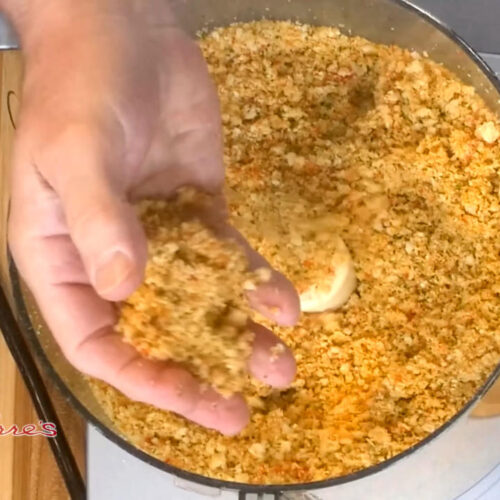
Fresh Breadcrumbs Recipe Fresh Breadcrumbs 1 loaf White Bread - crust removed2 tbsp chopped Sun-Dried Tomatoes1 tbsp fresh Parsley1/2 cup freshly grated Reggiano Make the fresh…
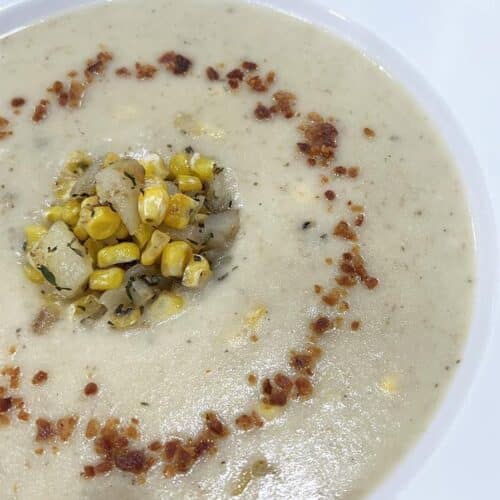
Cream of Potato Soup Recipe with Bacon Today I am sharing how to make my favorite Potato Soup. Potato Soup with Bacon - Perfect for a cold or even hot day!…
A lovely, very simple recipe that I love to make whenever I have leftover mashed potatoes. The written instructions are a little lacking, namely when to add the potatoes, but per the video you mix them with the rest of the ingredients right at the start.
Portioned this into 4 burger buns, and cold bulk fermented them overnight. Final proofed on the counter. Amazing recipe, perfect for adjusting and making your own, also.
You never actually say when to add the mashed potatoes. I expect at the beginning of mixing all the ingredients, but it is NOT clear in your instructions.
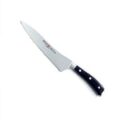
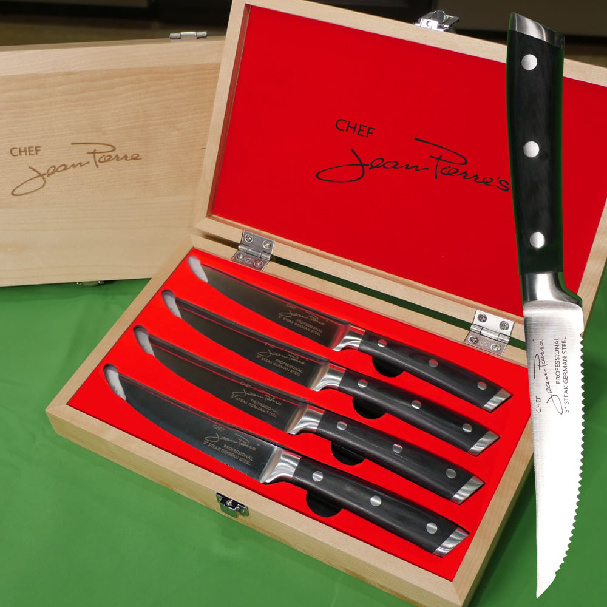
5-inch high-carbon German Stainless Steel blade will effortlessly slice through your steak, bread, vegetables, and fruits. The handle is ergonomically designed Pakka Wood. Makes a perfect gift presented in a beautifully crafted wooden box.










My dough was pretty dense on my first try…I’ll probably cut back flour a bit.
Absolutely amazing! Great taste, and easy to make. I love this recipe!
A lovely, very simple recipe that I love to make whenever I have leftover mashed potatoes. The written instructions are a little lacking, namely when to add the potatoes, but per the video you mix them with the rest of the ingredients right at the start.
Did I miss ?? What size pan please??
Portioned this into 4 burger buns, and cold bulk fermented them overnight. Final proofed on the counter. Amazing recipe, perfect for adjusting and making your own, also.
Wonderful
You never actually say when to add the mashed potatoes. I expect at the beginning of mixing all the ingredients, but it is NOT clear in your instructions.
I too was wondering when exactly add the potatoes.
I think, if you watch the YouTube video, freeze the frame. It clearly shows the brand of the proofed. Hope this helps.
What bread proofer do you use?