Simplified Caramelized Onions Recipe: Quick and Easy
Hello friends! Caramelized onions are one of my favorite kitchen staples—I love their rich, sweet flavor and their versatility. Whether it’s atop a juicy steak, mixed into creamy mashed potatoes, or enhancing a simple burger, caramelized onions add a burst of flavor that elevates any dish. Today, I’m excited to share with you a simple, quick method for making caramelized onions right at home. No fancy skills needed, just a few basic ingredients and some simple kitchen tools.
What Are Caramelized Onions?
Caramelized onions are simply onions that have been cooked slowly until they become wonderfully sweet and deeply golden brown. This magic transformation happens through a slow cooking process where the natural sugars in the onions caramelize, turning them into a rich, flavorful, and tender condiment. It’s not just about browning onions—it’s about slowly coaxing out their natural sweetness.
Caramelized onions are a staple in many cuisines around the world. From French onion soup to Indian biryanis, caramelized onions have a global footprint that underscores their universal appeal. Their ability to add depth and sweetness to dishes makes them a beloved ingredient in both traditional and contemporary recipes.
Serving and Pairing Caramelized Onions
When it comes to serving, caramelized onions are incredibly versatile. They can be a star side dish or a complementary addition to main courses. I personally enjoy them over fish for a sweet contrast or as a topping on a hearty cheeseburger for that extra oomph. They also make an excellent topping a delicious Tomato and Mozzarella Salad (Caprese Salad). Caramelized onions also pair beautifully with various cheeses in a sandwich, bringing a sweet balance to sharper flavors like blue or goat cheese.
For main dishes, caramelized onions work wonderfully in gourmet pizzas, as a luxurious addition to pasta, or even mixed into savory pastries. As for sides, they are exceptional in potato dishes, whether it’s a cheesy potato gratin or a German potato salad. The sweetness of caramelized onions blends seamlessly with the savory notes of most dishes, enhancing overall flavors without overpowering them.
Pro Tips on Perfecting Your Caramelized Onions Recipe
To get the best out of your onions, remember not to rush the cooking process. Low and slow is the mantra here. Use a thick-bottomed skillet to ensure even heating and consider a mix of oils like garlic-infused olive oil for an added layer of flavor. Do not be tempted to crank up the heat; patience is key to achieving that perfect melt-in-your-mouth texture and deep, mellow sweetness.
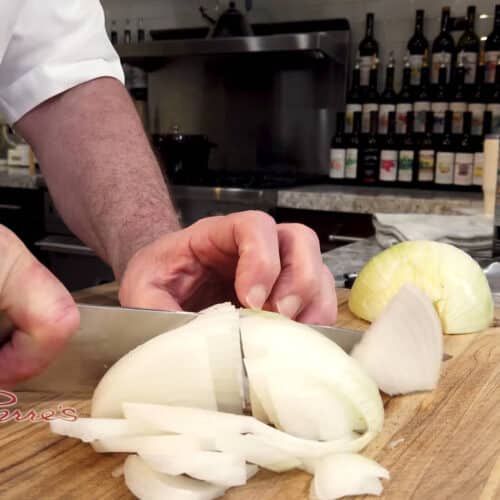
Also, while any onion can be caramelized, using yellow onions is often preferred due to their natural sweetness and robust flavor. Make sure your onions are uniformly sliced; this promotes even cooking and ensures every single slice reaches the same level of caramelized perfection.
Bonus Pro Tip
For an added twist, deglaze your pan with a splash of balsamic vinegar or a dollop of brown sugar towards the end of cooking. This not only adds a layer of complexity to the flavor but also helps in scraping up any delicious bits stuck to the pan, incorporating them back into the onions for an extra flavor boost.
Remember, the key to fantastic caramelized onions lies in the balance of sweetness and richness, so adjust your sugar and acidity accordingly. Enjoy experimenting and make each batch your own!
So now that we’ve covered the basics, let’s get cooking!
I'm thrilled to share one of my all-time favorite additions to nearly any dish—caramelized onions. These golden, sweet delights are not just another ingredient; they're a game-changer. Whether you’re dressing up a steak, topping off some fish, or just mixing into mashed potatoes, caramelized onions bring a depth of flavor that can transform the ordinary into extraordinary. So, grab your onions, and let’s get started—I promise, this is going to be both fun and delicious!
Peel the onions and slice them thinly, pole to pole, to ensure even cooking. Aim for slices about 2-3 mm thick.
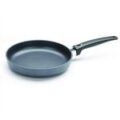
In a large enough fry pan over medium heat, heat the olive oil. Once hot (365°F / 185°C), add the onions ensuring they are spread out evenly and sauté for a couple minutes.
Cover and cook stirring well every 2 to 3 minutes to ensure even cooking and caramelization. This should take about 10 minutes, or until they are a nice dark golden brown.
Add the vinegar and sugar* (if needed) to achieve the perfect balance between sweet and savory.
*If you are using aged (sweet) Balsamic Vinegar, skip the sugar.
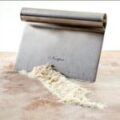
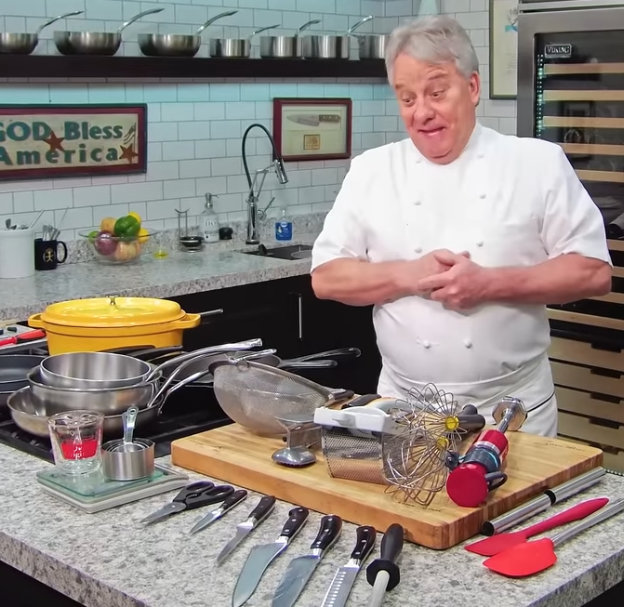
Equipment - You can find the items below at our online store!
Frequently Asked Questions On Making Caramelized Onions
1. What type of onions is best for caramelizing?
Yellow onions are the ideal choice for caramelizing because of their intrinsic sweetness and robust flavor, which becomes more pronounced when cooked slowly. These onions have a natural sugar content that facilitates the caramelization process, allowing them to develop a rich, deep golden color and sweet, complex flavors. Red onions are another good option, offering a slightly milder flavor but still achieving a desirable caramelized texture and taste.
White onions, though not as commonly used, can also be caramelized. They tend to have a sharper and more pungent flavor, which mellows significantly during the caramelization process, but they do not become as sweet as yellow or red onions. Choosing the type of onion depends on your flavor preference and the specific dish you are planning to enhance with the caramelized onions.
2. Do I need to add sugar to caramelize onions?
Adding sugar to onions during the caramelization process is not necessary, as onions naturally contain sugar which caramelizes when cooked slowly over low heat. The natural sugars are sufficient to achieve the sweet, rich flavor that caramelized onions are known for. However, a pinch of sugar can be added to speed up the caramelization process or to enhance the sweetness, especially if the onions used are less naturally sweet.
It’s important to note that the addition of sugar should be minimal to avoid making the onions too sweet, which can overpower their natural flavor. The key to perfect caramelization lies in patience and allowing the onions to cook slowly, so their sugars break down naturally. This method not only brings out the best flavor but also preserves the inherent taste of the onions.
3. How long does it take to properly caramelize onions?
Properly caramelizing onions is a slow cooking process that typically takes between 30 minutes to an hour. The exact time can vary based on the amount of onions and the heat setting. Low and slow is the mantra for caramelizing onions, as high heat can cause them to burn before their natural sugars have fully caramelized.
During the cooking process, it’s crucial to stir the onions occasionally to ensure they cook evenly and do not stick to the bottom of the pan. The onions will gradually change color from a pale translucent to a rich golden brown, and finally to a deep brown, which indicates they have been fully caramelized. The transformation is not just in color but also in flavor, with the onions becoming sweet and tender.
4. Can I caramelize onions without oil or butter?
Caramelizing onions without any fat is possible, though challenging, as fat helps in the even distribution of heat and adds flavor. If you choose to go fat-free, you must use a non-stick pan and possibly a small amount of water to prevent the onions from sticking to the pan. This method requires careful heat management and frequent stirring to ensure the onions do not burn.
Alternatively, using a light spray of oil or a small amount of vegetable broth can aid in preventing sticking while still keeping the recipe lower in fat. This approach allows the onions to soften and slowly caramelize using their natural sugars, though the end result might not be as rich as when cooked with oil or butter.
5. What is the best pan for caramelizing onions?
The ideal pan for caramelizing onions is a thick-bottomed skillet or a heavy non-stick pan. These types of pans provide good heat retention and distribution, which are essential for the slow and even cooking required to caramelize onions without burning them. Cast iron skillets are particularly effective because they maintain a consistent temperature, which is crucial for the gradual caramelization process.
Stainless steel pans can also be used, especially those with a heavy base, as they prevent hot spots that could cause the onions to burn. It’s important to avoid using thin pans, as they can heat up too quickly and unevenly, increasing the risk of burning the onions before they have fully caramelized.
6. Can caramelized onions be made in advance?
Yes, caramelized onions can be prepared in advance, which is a great time-saver for busy cooks. Once caramelized, onions can be stored in the refrigerator where they maintain their flavor and texture for up to a week. This makes them a convenient ingredient to have on hand for enhancing weeknight meals or for use in elaborate recipes that require multiple components.
When storing caramelized onions, it’s important to let them cool to room temperature before placing them in an airtight container. This prevents condensation from forming inside the container, which can make the onions soggy. If you need to keep them for longer than a week, caramelized onions also freeze well. Freeze them in portions using airtight bags or containers for easy use in future meals.
7. How can I store caramelized onions?
Caramelized onions should be stored in an airtight container to maintain their quality and extend their shelf life. In the refrigerator, they can last for about a week. For longer storage, freezing caramelized onions is an effective method. They can be frozen for up to three months without significant loss of flavor or texture.
To freeze caramelized onions, spread them out on a baking sheet in a single layer and freeze until solid. This prevents them from clumping together. Once frozen, transfer the onions to a freezer-safe bag or container. This method allows you to take out just the amount you need for a recipe, and they can be easily thawed or reheated directly from frozen.
8. What are the common uses of caramelized onions?
Caramelized onions are incredibly versatile and can be used in a myriad of dishes across various cuisines. Their sweet and rich flavor makes them an excellent addition to sandwiches, burgers, and pizzas. They also work wonderfully as a topping for meats, especially steak and chicken, where they add a delightful contrast in flavor.
Beyond toppings, caramelized onions can enhance the depth and sweetness of soups and stews, particularly French onion soup. They are also a key ingredient in tarts and quiches, providing a savory sweetness that balances well with other ingredients. Their versatility extends to vegetarian dishes, where they can be used to add flavor to lentil or bean-based meals, making them an indispensable ingredient in both casual and gourmet cooking.
9. Can I use a slow cooker to caramelize onions?
Using a slow cooker to caramelize onions is an excellent option for those who prefer a more hands-off approach or need to make large quantities. The slow cooker provides a consistent low heat that is ideal for caramelizing onions without the need for constant stirring. Simply place the sliced onions in the slow cooker, add a bit of oil or butter, and let them cook on low for about 8 to 10 hours.
This method is particularly convenient because it allows you to prepare other parts of your meal or go about your day without having to monitor the cooking process closely. However, it’s important to note that the texture of the onions caramelized in a slow cooker may be slightly different—often softer and more uniform—than those caramelized on the stove.
10. What is the difference between sautéed onions and caramelized onions?
Sautéed onions and caramelized onions are prepared with similar techniques but differ significantly in cooking time and flavor outcome. Sautéing onions involves cooking them over medium to high heat for a short period, typically 5 to 10 minutes, until they are translucent and slightly browned. This method is quick and suited for recipes where the onion flavor is meant to complement other ingredients without dominating.
Caramelized onions, on the other hand, require a much longer cooking process at lower heat. This allows the onions’ natural sugars to slowly caramelize, resulting in a deep golden brown color and a sweet, rich flavor that is much more pronounced than sautéed onions. Caramelized onions are typically used as a flavor enhancer in dishes where their rich sweetness can shine, such as on top of meats, incorporated into sauces, or as a key ingredient in dishes like onion soup.
11. Can I caramelize onions in an oven?
Yes, caramelizing onions in an oven is a feasible alternative that can save you from constant stirring on the stove. To do this, preheat your oven to 375°F (190°C). Spread the sliced onions evenly on a baking sheet, drizzle them with a bit of oil, and toss them to coat evenly. Bake for 25-30 minutes, stirring occasionally to ensure they cook evenly and don’t burn. This method is especially useful when you need to prepare a large batch of caramelized onions.
Oven caramelization can produce onions with a slightly drier texture but with a deep, sweet flavor similar to stovetop caramelized onions. It’s important to keep a close eye on the onions as they cook, as oven temperatures can vary, and the edges of the onions may begin to crisp or burn if left unchecked.
12. What kind of fat is best for caramelizing onions?
The choice of fat can significantly affect the flavor and texture of caramelized onions. Butter is a popular choice because it adds a rich, creamy flavor, but it can burn easily due to its lower smoke point. Many cooks prefer to use a combination of butter and oil to leverage the flavor of butter while the oil raises the smoke point, preventing burning.
Olive oil is another excellent choice, especially for those looking for a healthier option. It has a higher smoke point than butter and can add a subtle, earthy flavor to the onions. For a truly indulgent option, ghee or clarified butter can be used, as it imparts a rich flavor without the risk of burning, thanks to its even higher smoke point.
13. Why do my caramelized onions always burn?
If your caramelized onions are burning, it could be due to a few common mistakes. High heat is a frequent culprit; caramelizing onions requires low and slow cooking to allow the sugars to caramelize without burning. Setting the heat too high can cause the onions to burn on the outside before they have fully softened and sweetened internally.
Another reason might be infrequent stirring. While caramelizing onions don’t require constant attention, they do need to be stirred occasionally to ensure they cook evenly and don’t stick to the pan, especially in areas where your pan may have hot spots. Using a pan with a thick bottom can help distribute the heat more evenly and reduce the likelihood of burning.
14. How do I achieve perfect caramelization every time?
Achieving perfect caramelization requires patience and attention to detail. Start by using the right type of onions—yellow onions are generally the best choice for their balance of sweetness and flavor. Slice the onions consistently to ensure even cooking. Heat a thick-bottomed pan over low heat and add just enough oil or butter to coat the bottom of the pan before adding the onions.
Keep the heat low and let the onions cook slowly. This can take anywhere from 30 minutes to an hour depending on the quantity and your stove. Stir the onions occasionally, especially as they begin to soften and brown, to prevent them from sticking and burning. Adjust the heat if you notice any signs of the onions cooking too quickly or burning. With patience and practice, you’ll be able to nail the perfect caramelization.
15. Are caramelized onions healthy?
Caramelized onions are a healthy addition to your diet in moderation. Onions themselves are low in calories and rich in vitamins and antioxidants. When onions are caramelized, their natural sugars are enhanced, which can increase their calorie content slightly, but they remain a healthier option compared to many other flavor enhancers like processed sauces or seasonings.
The healthiness of caramelized onions can depend significantly on the type and amount of fat used in the cooking process. Using healthier fats like olive oil in moderation can keep your caramelized onions more beneficial. Additionally, the rich flavor of caramelized onions means that a small amount can go a long way in enhancing dishes, which helps prevent the need for excess salt or fat in your cooking.
Chef Jean-Pierre, born in Aix-en-Provence, France, honed his culinary skills at a young age, mastering the art of charcuterie by the age of twelve. Determined to become a chef, he began his formal apprenticeship at L'Oustau de Baumaniere in Provence, one of the world’s best restaurants with a 3-star Michelin rating.
Jean-Pierre continued his apprenticeship on the French Riviera where he worked at famous restaurants, such as L’Oasis at La Napoule, Le Vendome in Aix-en-Provence, and the the Carlton in Cannes. In 1976, he opened The Left Bank Restaurant, consistently recognized as one of the best in America for 22 years by magazines like "Bon Appetit," "Conde Nast," "Gourmet Magazine" and "Travel & Leisure."
Jean-Pierre was also a popular TV personality, having hosted National Public Television series like "Incredible Cuisine” and "Sunshine Cuisine." He was also nominated for "Best Culinary Video" by the James Beard Foundation and operated the nationally renowned “Chef Jean-Pierre's Cooking School” and was a sought-after guest on shows like "The Today Show" and "Larry King Live."
With over 2 Million Subscribers to his Chef Jean-Pierre YouTube Channel, he is a widely respected figure in the culinary world, known for his skill and dedication to his craft, but even more so known for making gourmet cooking fun and easy to learn.
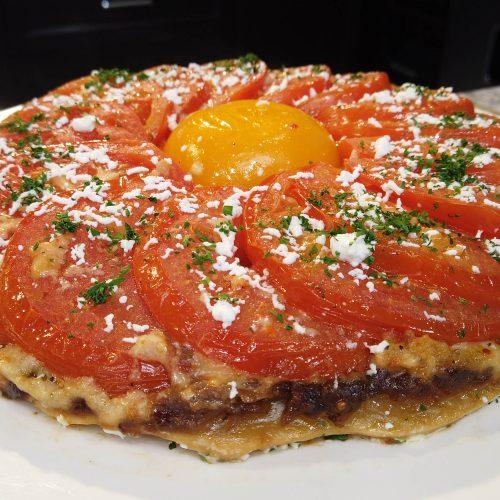
How To Make Tomato Pie For the Caramelized Onions click here For the Pie Dough click here For the Fresh Breadcrumbs click here Tomato and Goat Cheese Pie 1…
4 Comments
Steve H
on October 20, 2025 at 7:04 pm
Excellent recipe. I used molasses instead of brown sugar. I e done it other times with a little honey.
5-inch high-carbon German Stainless Steel blade will effortlessly slice through your steak, bread, vegetables, and fruits. The handle is ergonomically designed Pakka Wood. Makes a perfect gift presented in a beautifully crafted wooden box.















Excellent recipe. I used molasses instead of brown sugar. I e done it other times with a little honey.
I carmelize onions in the slow cooker with some water. Then I dehydrate and make carmelized onion powder or slices.
Thank you so much for all the info chef
Love this as well very much! Genius Chef JP!!!