How to Make Lemon Curd: Brighten Up Your Desserts!
Hello friends, today we’re diving into a delightfully tangy recipe that will zest up your desserts: I’m going to show you how to make lemon curd like a professional pastry chef!
Now, I know what you might be thinking—sure, you can snag some off the shelf at your local store, but trust me, nothing beats the fresh, vibrant taste of what you can whip up in your own kitchen. It’s not just a spread; it’s an upgrade to any sweet treat, crafted with the simplest of ingredients yet bursting with intense lemon flavor.
What Exactly is Lemon Curd?
Let’s start with the basics. Lemon curd is a thick, soft, and velvety cream that boasts a rich citrus flavor. It’s made from a blend of lemon juice, sugar, eggs, and a touch of butter, which gives it a luxurious texture that melts in your mouth. Unlike lemon marmalade, which often has a gel-like consistency, lemon curd is smooth and easily spreadable. Ideal for those who love that sharp, sweet tang of lemon!
Lemon curd is just one version of Fruit Curd that includes curds made with oranges, limes, grapefruit, tangerines, and more. This delightful concoction originated in England during the late 19th and early 20th centuries and was traditionally served with bread or scones at afternoon tea as an alternative to jam.
Serving Suggestions for Lemon Curd
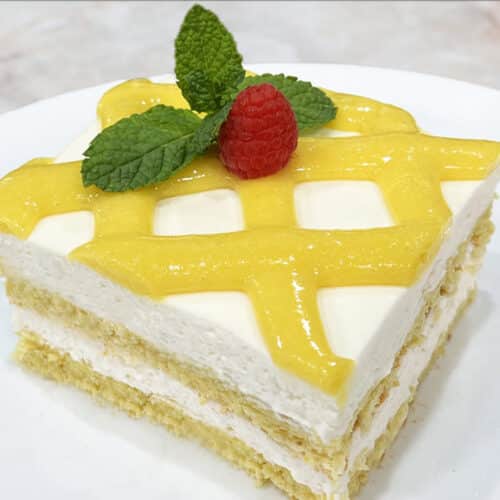
Lemon curd is incredibly versatile. Whether you’re topping off a scone, filling a tart, swirling it into yogurt, or making a Lemon Meringue Pie its uses are boundless. My personal favorite? Dolloping it onto a freshly baked pound cake or incorporating it into a lush lemon cheesecake. The punch of citrus cuts through the sweetness and enriches the overall flavor of desserts.
As for what desserts pair well with lemon curd, the sky’s the limit. If you’re feeling adventurous, try my Easy Limoncello Mascarpone Trifle. Each bite guarantees a burst of creamy citrus that’ll have you reaching for more. I love that dessert!
Pro Tip: How to Make Lemon Curd Perfectly:
Achieving the perfect lemon curd isn’t just about following a recipe—it’s an art. Start with the freshest lemons you can find for the zest and juice, as this will significantly influence the quality and flavor of your curd.
It’s essential to cook the mixture on low heat; patience is key here! Keep stirring to prevent the eggs from scrambling, and don’t rush the process. The result should be thick enough to coat the back of a spoon yet still pourable.
Bonus Pro Tip: How to Make Lemon Curd That is Ultra-Smooth
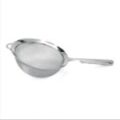
For an ultra-smooth texture, strain your curd through a fine mesh sieve to remove any bits of zest or egg that may have curdled. This extra step ensures your lemon curd is silky and perfect for elegant desserts. Remember, good things come to those who whisk!
So, grab your whisk, summon your inner chef, and get ready to make some of the best lemon curd you’ve ever tasted.
Lemon curd is a classic, creamy spread bursting with bright, citrusy flavor, perfect for enhancing desserts or simply spreading on toast. Unlike the store-bought varieties, homemade lemon curd brings a freshness and tang that can’t be matched. This recipe uses simple ingredients and provides steps for making lemon curd on the stove, ensuring a silky, delicious result. You'll enjoy the process as much as the flavor!
In a glass bowl combine eggs, egg yolks, lemon zest, sugar, vanilla and salt ensuring they are well blended. Add to a saucepan, on very low heat and add the lemon juice. Cook this mixture on a low simmer, constantly stirring to prevent it from scrambling.
The process should take about 10 minutes, depending on the heat level; keep it low to ensure gentle cooking. When the mixture thickens to the point where you can briefly see the bottom of the pan when stirring, remove from heat. Immediately strain the curd through a fine-mesh sieve to remove zest particles for a smooth texture. (if a smooth texture is not important to you can skip this step).
While still warm, stir in butter until it's completely melted and incorporated. Transfer the curd into a bowl and cover with plastic wrap directly on the surface to avoid a skin forming. Refrigerate for at least 24 hours to set properly before using. The result is a velvety, vibrant lemon curd that is perfect for various desserts or as a delightful spread.
Equipment - You can find the items below at our online store!
Frequently Asked Questions About How to Make Lemon Curd:
1. What is lemon curd?
Lemon curd is a luscious, tangy spread or filling made from a few simple ingredients: fresh lemon juice, sugar, eggs, and butter. This creamy mixture is cooked gently until it thickens into a smooth, velvety texture that bursts with vibrant citrus flavor. Unlike jams or jellies, lemon curd has a rich, custard-like consistency due to the eggs, making it a decadent addition to many dishes.
You can use lemon curd in a variety of ways, from spreading it on toast or scones to filling cakes and tarts. Its bright, zesty flavor is perfect for adding a refreshing twist to your desserts, making it a beloved component in both everyday and special-occasion baking.
2. How do you prevent lemon curd from curdling?
Preventing lemon curd from curdling is all about controlling the temperature and ensuring constant movement of the mixture. The key is to cook the curd over low to medium-low heat while whisking continuously. This steady, gentle heat prevents the eggs from cooking too quickly and turning into scrambled eggs.
Additionally, using a double boiler can help maintain a consistent, gentle heat, further reducing the risk of curdling. If you don’t have a double boiler, a heatproof bowl set over a pot of simmering water works just as well. The constant whisking ensures that the eggs are evenly incorporated into the lemon juice and sugar mixture, creating a smooth, homogenous curd.
3. Can lemon curd be made without eggs?
Yes, lemon curd can be made without eggs, making it suitable for vegans or those with egg allergies. The traditional thickening power of eggs can be substituted with cornstarch or agar-agar, which helps achieve a similar creamy texture. To make egg-free lemon curd, you’ll also need plant-based butter and milk.
In this version, lemon juice, sugar, and the thickening agent are cooked together until they reach the desired consistency. While the flavor might slightly differ from traditional lemon curd, it remains delicious and offers a great alternative for those avoiding eggs.
4. How long does homemade lemon curd last in the fridge?
Homemade lemon curd, when stored properly, can last up to two weeks in the refrigerator. It’s important to keep it in an airtight container to prevent it from absorbing any unwanted odors and to maintain its fresh flavor.
The high acidity from the lemon juice and the sugar content act as preservatives, helping to extend the shelf life of your homemade curd. However, it’s best enjoyed fresh, and for the best quality, use it within the first week.. The high acidity of the lemon juice and the presence of sugar help preserve it, but it’s best consumed fresh for optimal flavor.
5. Can you freeze lemon curd?
Yes, lemon curd freezes exceptionally well and can be stored for up to three months. To freeze lemon curd, transfer it to an airtight container, leaving some space at the top for expansion as it freezes.
When you’re ready to use it, thaw the lemon curd in the refrigerator overnight. Give it a good stir to restore its creamy consistency before serving. Freezing lemon curd is a great way to preserve any leftovers and have a delicious treat ready whenever you need it.
6. Why did my lemon curd turn out too runny?
If your lemon curd is too runny, it likely didn’t cook long enough or wasn’t heated to a high enough temperature to thicken properly. Lemon curd needs to be cooked until it reaches a temperature of around 170°F (77°C), at which point the eggs set and the mixture thickens.
To fix runny lemon curd, return it to the heat and continue cooking, stirring constantly, until it thickens. Be sure to cook it slowly to avoid curdling. If necessary, you can also add a small amount of cornstarch mixed with water to help it thicken.
7. How can I thicken lemon curd that is too runny?
To thicken lemon curd that is too runny, you can return it to low heat and continue to cook it, stirring constantly until it reaches the desired consistency. If it still doesn’t thicken, you can mix a teaspoon of cornstarch with a tablespoon of water and add it to the curd. Cook it for a few more minutes until it thickens.
It’s important to cook the lemon curd gently and to whisk continuously to avoid scrambling the eggs. If thickening with cornstarch, be sure to add it gradually and to cook the curd until the starch is fully cooked, which will help prevent any starchy taste.
8. Is it necessary to strain lemon curd?
Straining lemon curd is a crucial step if you want a perfectly smooth and creamy texture. Straining removes any small bits of cooked egg or lemon zest that might give the curd a grainy texture. This step ensures that your lemon curd is silky and smooth, making it perfect for filling tarts, spreading on scones, or using as a dessert topping.
To strain lemon curd, pour it through a fine-mesh sieve into a bowl. Use a spatula to press the curd through the sieve, leaving behind any solids. This extra step takes just a few minutes and makes a big difference in the final texture of your lemon curd.
9. What are the best ways to use lemon curd?
Lemon curd is incredibly versatile and can be used in a variety of delicious ways. Spread it on toast, scones, or pancakes for a bright, citrusy breakfast treat. Use it as a filling for cakes, tarts, and pastries, or swirl it into yogurt or ice cream for a tangy twist.
Lemon curd also makes an excellent topping for desserts like pavlovas, cheesecakes, and pies. Its vibrant flavor pairs beautifully with berries and other fruits, making it a perfect addition to any fruit-based dessert. The possibilities are endless, and its bright, zesty flavor enhances a wide range of dishes.
10. Can lemon curd be made in a microwave?
Yes, lemon curd can be made in a microwave, which is a quick and convenient alternative to the stovetop method. Ho to make lemon curd in the microwave: Combine all the ingredients in a microwave-safe bowl and heat in short bursts, stirring frequently.
Microwave the mixture on high for 1-minute intervals, stirring well after each burst, until the curd thickens and coats the back of a spoon. This process usually takes about 3-5 minutes, depending on your microwave. The key is to heat it gradually and stir frequently to prevent the eggs from curdling.
11. How do you make lemon curd without a double boiler?
If you don’t have a double boiler, you can still make lemon curd using a heavy-bottomed saucepan over low heat. The key to How to make lemon curd without a double boiler is to cook the mixture gently to avoid curdling the eggs. Alternatively, you can create a makeshift double boiler by placing a heatproof bowl over a pot of simmering water.
In both methods, combine the ingredients and cook while whisking constantly until the mixture thickens and reaches about 170°F (77°C). Using a low heat setting and continuous stirring ensures that the curd cooks evenly and achieves the desired smooth, creamy consistency.
12. What type of lemons are best for making lemon curd?
For the best flavor, use fresh, ripe lemons, preferably organic since you’ll be using the zest as well. Meyer lemons are a popular choice due to their slightly sweeter, more floral flavor compared to regular lemons.
Meyer lemons can make your curd slightly less tart and add a unique aromatic note. However, standard lemons work perfectly well and provide a classic, tangy flavor. Ensure the lemons are firm and heavy for their size, indicating juiciness and freshness.
13. Can lemon curd be canned for long-term storage?
While lemon curd can technically be canned using a water bath canning method, it is generally recommended to store it in the refrigerator or freezer due to its low pH and high egg and butter content, which make long-term canning riskier.
If you decide to can lemon curd, ensure you follow a tested recipe specifically designed for canning to ensure safety. Properly canned lemon curd can last up to a few months, but for the best flavor and texture, it’s often better to make smaller batches and store them in the fridge or freezer.
14. How can I make lemon curd less sweet?
To reduce the sweetness of lemon curd, decrease the amount of sugar in the recipe and increase the lemon juice or zest. This adjustment will enhance the tartness and balance the overall flavor.
However, be cautious not to reduce the sugar too much, as it plays a crucial role in achieving the desired consistency and preserving the curd. Taste as you go and adjust the sweetness to your preference, ensuring a balanced, flavorful lemon curd.
15. What is the difference between lemon curd and lemon marmalade?
Lemon curd is a smooth, creamy spread made from lemon juice, sugar, eggs, and butter, cooked until thick. It has a rich, custard-like texture and is used as a filling or topping for various desserts.
Lemon marmalade, on the other hand, is a jelly-like preserve made from lemon juice, sugar, water, and sometimes the peel, set into a gel-like consistency with pectin. It often includes pieces of lemon peel and has a firmer texture compared to lemon curd. Lemon marmalade is typically used as a spread for toast or scones.
Chef Jean-Pierre, born in Aix-en-Provence, France, honed his culinary skills at a young age, mastering the art of charcuterie by the age of twelve. Determined to become a chef, he began his formal apprenticeship at L'Oustau de Baumaniere in Provence, one of the world’s best restaurants with a 3-star Michelin rating.
Jean-Pierre continued his apprenticeship on the French Riviera where he worked at famous restaurants, such as L’Oasis at La Napoule, Le Vendome in Aix-en-Provence, and the the Carlton in Cannes. In 1976, he opened The Left Bank Restaurant, consistently recognized as one of the best in America for 22 years by magazines like "Bon Appetit," "Conde Nast," "Gourmet Magazine" and "Travel & Leisure."
Jean-Pierre was also a popular TV personality, having hosted National Public Television series like "Incredible Cuisine” and "Sunshine Cuisine." He was also nominated for "Best Culinary Video" by the James Beard Foundation and operated the nationally renowned “Chef Jean-Pierre's Cooking School” and was a sought-after guest on shows like "The Today Show" and "Larry King Live."
With over 2 Million Subscribers to his Chef Jean-Pierre YouTube Channel, he is a widely respected figure in the culinary world, known for his skill and dedication to his craft, but even more so known for making gourmet cooking fun and easy to learn.
This recipe is “Amazing. Even a child could do it!”
This is very yummy and the inclusion of the zest makes it seem like it would be better than the other recipes I’ve seen. I’ve made this three times and everyone raves about it. Thanks, Chef
5-inch high-carbon German Stainless Steel blade will effortlessly slice through your steak, bread, vegetables, and fruits. The handle is ergonomically designed Pakka Wood. Makes a perfect gift presented in a beautifully crafted wooden box.
















I made this tonight and accidentally tripled the amount of vanilla. My friend called it the best she’s ever had.
Easy recipe. My curd turned out perfect.
This recipe is “Amazing. Even a child could do it!”
This is very yummy and the inclusion of the zest makes it seem like it would be better than the other recipes I’ve seen. I’ve made this three times and everyone raves about it. Thanks, Chef
Easy to make, excellent instructions and delicious! I highly recommend.
Do you use unsalted butter
Yes
Luscious! I have already made it twice this week! Thanks for the clear, easy to follow instructions and for the metric measurements.