Hello friends! You’ve been asking me for ages, “Chef, how do I cook fish so it’s flaky, buttery, and perfectly crispy on the outside—just like at a fine restaurant?” Well, today is your lucky day! Because I’m finally sharing the secret to how to cook fish that will make your taste buds sing the hallelujah chorus.
Whether you’re making salmon, snapper, cod, or tilapia, I promise—after today, you’ll have learned how to cook fish like a pro! Cooking fish perfectly isn’t just about flavor—it’s about technique. And let me tell you, there’s nothing sadder than a gorgeous fish filet turned to rubber.
Across cultures and centuries, fish has held a revered place on the table. From Mediterranean Sea Bream to French Sole Meunière, cooking fish has always been about balance: delicate texture, rich flavor, and just the right touch of seasoning.
Essential Tools to Cook Fish Perfectly
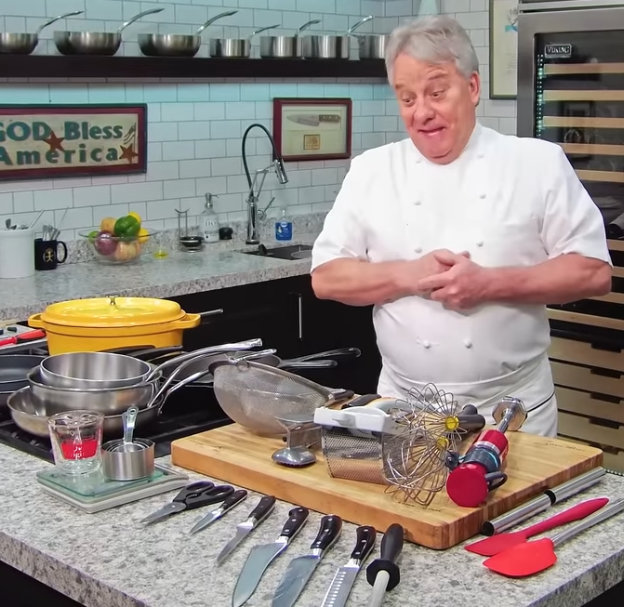
High-Quality Non-Stick Pan: Why? Because the best way to cook fish fillets with a crispy crust is to start with the right pan. A cast iron skillet retains heat beautifully, giving you that golden and crispy skin. A non-stick pan works well too, especially for lean fish like tilapia or haddock that tend to flake easily. Just be sure it’s big enough so your fish can sear without crowding.
A Slotted Spatula: Trust me, friends. If you don’t already own a fish spatula, it’s time. The flexible, slotted design lets you flip the fish gently without tearing the delicate flesh. Use a fish spatula to release the skin side of the fish once it naturally lifts from the pan—about 3 minutes per side for thinner filets.
Instant-Read Thermometer: You wouldn’t guess your oven temp, right? Same thing here. A thermometer helps ensure your fish is safe to eat without overcooking. The sweet spot? Around 120°F for flaky, delicious fish every time. Remember, fish continues cooking a few degrees even after you remove it from the pan!
Common Mistakes to Avoid When Cooking Fish
1. Not Patting the Fish Dry
Moisture is the enemy of crispy skin. Always pat the fish dry before seasoning. That goes for salmon, halibut, cod—any kind of fish! Water creates steam, and steam creates soggy skin. We want crispy skin!
2. Cooking on High Heat Without Control
High heat sounds sexy, but too much and your fish will be cremated on the outside while staying raw in the center. Use medium to high heat and a hot pan first, but always monitor. Especially with thicker cuts—you may need to finish them in the oven or with butter basting.
3. Flipping the Fish Too Soon
If you flip the fish before it’s ready, it will stick to the pan. Always wait until the skin releases from the pan on its own. This is usually around 3 minutes depending on thickness and type. Use a fish spatula and flip the fish gently.
What’s the Secret on How to Cook Fish Like a Fancy Restaurant
To cook fish fillet like a restaurant pro, you’ve got to use a combination of heat control, butter basting, and flavor-enhancing tricks.
Start with clarified butter—its high smoke point keeps the cooking process clean. Then add real butter at the end for richness. Always salt generously on the skin side to draw out moisture and promote that fish with crispy skin finish.
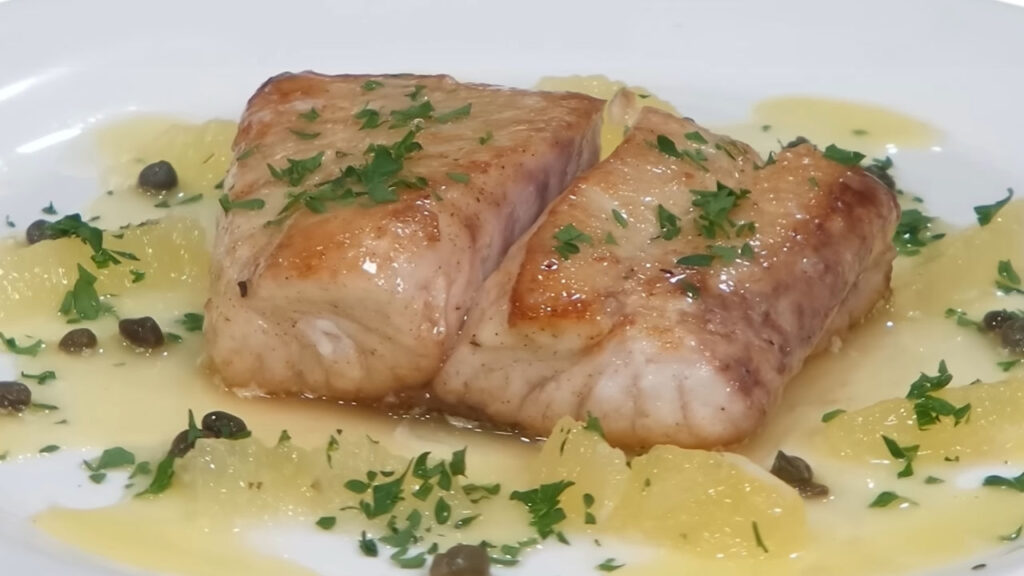
Want to know the secret sauce? Lemon juice, capers, lemon segments, and parsley—a simple lemon butter sauce that transforms any white fish into a five-star dish. The acidity of the lemon and the fat of the butter create a perfect balance. Add a squeeze of lemon and maybe a sprinkle of dill or nutmeg, and oh la la—you’re a star!
How to Best Serve Your Fish Fillets
Fish fillets should be served immediately after cooking—it’s not a dish that gets better with age. Let it rest for just a moment while you finish the sauce, then plate it up with a generous drizzle of that lemony, buttery goodness.
Want to impress your dinner guests? Garnish with lemon wedges and fresh parsley. And here’s a little trick I use in my kitchen: right before serving, I grate just a tiny bit of fresh nutmeg into the sauce—a classic Italian secret that enhances creamy sauces like spinach or lemon butter. It makes the flavor of the fish sing!
Side Dish Pairing Suggestions
Here are three vegetarian sides from my website that pair beautifully with a perfectly cooked fish fillet:
Ratatouille – Ratatouille is the crown jewel of Mediterranean vegetable dishes, and when paired with a golden, pan-seared fish fillet, it becomes a meal worthy of applause. The sweet, slow-cooked zucchini, eggplant, onions, and bell peppers melt together into a savory, herby harmony that beautifully complements the delicate flavor of flaky white fish. The natural juices from the vegetables, combined with garlic and olive oil, create a built-in sauce that doesn’t compete with the lemon caper butter—it enhances it!
Fondant Potatoes – Cheese Stuffed Potatoes! – This recipe is one of my favorite ways to prepare potatoes and makes a delicious side dish to any meal. These are sure to be a hit with your family and friends. If you are looking for a fun and delicious potato dish, give this one a try. The creamy, cheesy center and golden, crispy exterior pair wonderfully with a flaky, buttery fish fillet—adding richness and comfort to every bite.
A Simple Garden Salad with Vinaigrette Dressing – A crisp, refreshing garden salad with vinaigrette is the ideal counterbalance to a rich, buttery fish fillet. The acidity from the vinaigrette cuts through the fat, cleansing the palate and letting the delicate flavor of the fish shine. It’s light, it’s fresh, and it brings just the right tang to elevate the entire dish without stealing the spotlight.
Storage and Reheating Best Practices
Refrigerator: Store leftover fish fillet in an airtight container for up to 2 days. Lay a paper towel on top to absorb moisture and preserve the crispy skin.
Freezer: Freezing is not recommended for already cooked fish. It changes the texture and makes the fish rubbery and dry.
Reheating: Reheat on the stovetop over low heat with a touch of butter to retain moisture. Microwaving? Only if you’re in a rush and even then, at 50% power to prevent overcooking.
So there you have it, my friends! The best way to cook fish fillets perfectly every time—crispy on the outside, flaky and juicy on the inside, and topped with a buttery lemon caper sauce that will make you the star of any dinner party.
Fish doesn’t have to be scary. With just a few tools, the right temperature, and a little love, you can make restaurant-quality fish right in your own kitchen.
Hello, my friends! Today, I’m going to show you how to cook fish just like they do in fancy restaurants. We’re talking crispy skin, buttery flaky flesh, and a lemon caper sauce so good you’ll want to lick the plate. It’s not complicated, I promise. You just need a few simple ingredients, a hot pan, and one golden rule: don’t overcook the fish! This is how you take an everyday snapper and turn it into a restaurant-worthy masterpiece. So grab your spatula, your lemon, and your appetite, because once you learn how to cook fish this way… there's no going back!
Salt (a bit generous, especially on the skin side)
Clarified butter (for cooking)
Finishing Butter Sauce Ingredients:
Whole unsalted butter (for finishing)
Zest of 1 lemon
Fresh lemon juice
1lemon, segmented
1tbspcapers
1tbspcaper brine (optional)
Freshly cracked black pepper
Chopped fresh parsley
Get Recipe Ingredients
Prevent your screen from going dark
Recipe Instructions
Dry Your Fish Like It Owes You Money
Dry the fish extremely well. I’m serious, friends—no mercy here. Pat both sides thoroughly with paper towels. If it’s wet, it’ll steam. And steamed skin is floppy. We want golden and crispy, not sad and soggy.
Season with Confidence
Salt both sides, a bit more on the skin side. Not too much—this isn’t the Dead Sea—but give it enough so the skin crisps up beautifully. It’s all about texture!
Preheat the Pan and Add Clarified Butter
Get your pan to about 300°F (150°C). Medium to medium-high heat is your friend. Add clarified butter—because if you use regular butter at this point, you’ll burn it before your fish even gets cozy in the pan.
Fish In, Skin Side Down
Lay the fish in the pan skin-side down. Press it down with a spatula or a weight for the first few seconds to prevent curling.
Here comes the magic: As soon as that skin sets and starts to get golden (you’ll hear it sizzling), start basting the top of the fish with the hot butter. Tilt the pan, scoop the butter with a spoon, and drizzle it over the fillet. This builds flavor, helps cook the top gently, and keeps everything moist.
Baste every 30–60 seconds.
Thermometer Time – Don't Wing It
At about the 3-minute mark, start checking the internal temperature. Insert a thermometer into the thickest part of the fish. Chef’s rule: remove it at 114°F (46°C)—never let it go above 120°F (49°C). It will rise a few more degrees while resting. If you guess, you’re gambling with greatness!
Flip and Finish
Once the skin is golden and crispy and the temp is nearing 114°F, gently flip the fish. Let it kiss the pan briefly on the flesh side—just enough to finish cooking and get warm all the way through.
Tilt the pan and baste the top with the hot butter. Lower the heat slightly.
Prepare Lemon & Sauce Goodies
While the fish finishes cooking, zest your lemon and segment it. Be sure to remove all the white pith—it’s bitter and doesn’t belong in our happy little sauce. Save those segments for the final touch.
Remove the Fish and Build the Sauce
Use a thermometer and DO NOT go above 120°F (49°C) in the center. Take the fish out around 114°F—it will continue to cook slightly after removing from the heat.
Once you remove the fish, pour out the clarified butter. Return the pan to medium-low heat. Add whole unsalted butter and let it melt gently. Then stir in: > Capers > Optional caper brine > Lemon juice > Lemon zest > Lemon segments > A pinch of salt > Cracked black pepper > Fresh parsleyLet the flavors marry and warm up. You’ll see the sauce turn silky and bright. Oh yes, my friends.
Plate Your Masterpiece
Serve the fish skin side up (show off that crisp!) or down if you’re feeling modest. Spoon the warm sauce generously over and around the fillet. Don’t be shy—it’s called lemon caper butter for a reason!
Bon appétit!
Pro-Tips
Pro Tip: Ensure Even Crisping When Cooking Skin-On Fish
If you're using skin-on fish, always cook the skin side of the fish first and press it down gently with a spatula for the first 30 seconds. This keeps the skin from curling and ensures even crisping. Remember: the skin is the star, and we want that golden, crispy skin!
Bonus Pro Tip: Prevent Sticking
Trying to prevent your fish from sticking to the pan? Preheat the skillet and add the oil before adding the fish. And never flip until it naturally releases. That means the Maillard reaction is doing its magic, and the fish will develop a beautiful, golden crust. Timing is everything, my friends. Don’t rush the cooking process!And hey! If you try this method, do me a favor, will you? Rate this recipe ★★★★★ and leave a comment to let me know how your fish turned out. Did you impress the in-laws? Did your picky kids ask for seconds? I want to hear it all!
Equipment - You can find the items below at our online store!
1. How do I prevent fish from sticking to the pan?
To prevent fish from sticking, start by patting the fillet dry with paper towels. Moisture on the surface can cause sticking and hinder browning. Use a well-heated, non-stick or cast-iron skillet over medium-high heat, and add a high-smoke-point oil like clarified butter. Place the fish skin-side down and press gently with a spatula for the first few seconds to ensure even contact. Avoid moving the fish until it naturally releases from the pan, indicating a proper sear.
2. What’s the best method to achieve crispy fish skin?
Achieving crispy skin involves several key steps. First, ensure the skin is thoroughly dried and seasoned with salt. Heat your skillet to medium-high and add a suitable oil. Place the fish skin-side down, pressing gently to prevent curling. Cook without moving it until the skin is golden and releases easily. Flip the fish to finish cooking the flesh side, often by basting with hot butter to enhance flavor and texture.
3. How can I tell when fish is perfectly cooked?
Perfectly cooked fish is opaque, flakes easily with a fork, and has an internal temperature of 120°F to 130°F, depending on preference. Use a thermometer to check the thickest part of the fillet. Remember, fish continues to cook after being removed from heat, so it’s advisable to take it off the heat slightly before reaching the desired temperature to prevent overcooking.
4. Why is drying the fish before cooking important?
Drying the fish removes excess moisture, which is crucial for achieving a good sear and preventing sticking. Moisture can cause the fish to steam rather than sear, resulting in a less desirable texture. Use paper towels to pat the fish dry thoroughly before seasoning and cooking.
5. What are common mistakes to avoid when cooking fish?
Common mistakes include: Overcooking, not drying the fish, using low heat, flipping too soon or too often, and not letting the fish rest. Overcooking leads to dry, tough fish, and a wet surface can cause poor searing and sticking. Preheating the pan and giving the fish time to naturally release are keys to a flawless finish.
6. How does the thickness of the fish fillet affect cooking time?
The thickness of the fillet directly impacts cooking time. A general rule is to cook fish for 10 minutes per inch of thickness at 375°F. Thicker fillets may require finishing in the oven to ensure even cooking without burning the exterior. Always check for doneness by assessing opacity and flakiness or using a thermometer.
7. Is it better to cook fish with the skin on or off?
Cooking fish with the skin on can help retain moisture and adds a crispy texture when seared properly. The skin acts as a barrier against direct heat, protecting the delicate flesh. If crispy skin isn’t desired, it can be removed after cooking. Skinless fillets are also suitable, especially for methods like poaching or steaming.
8. What type of pan is best for cooking fish?
A non-stick or well-seasoned cast-iron skillet is ideal for cooking fish. These pans provide even heat distribution and reduce the risk of sticking. Ensure the pan is preheated before adding oil and the fish to achieve a proper sear.
9. How can I add flavor to fish without overpowering it?
Fish has a delicate flavor that can be enhanced with simple additions. Consider using lemon zest or juice, fresh herbs like dill or parsley, and light sauces such as a lemon butter or caper sauce. Avoid heavy creams or overpowering spices that can mask the natural taste of the fish.
10. What are the best practices for storing and reheating cooked fish?
Store cooked fish in an airtight container in the refrigerator for up to 3 days. Reheat gently using a skillet over low heat or in the oven at a low temperature to prevent drying out. Avoid using the microwave, as it can make the fish rubbery. Freezing cooked fish is not recommended, as it can alter the texture and flavor.
Chef Jean-Pierre, born in Aix-en-Provence, France, honed his culinary skills at a young age, mastering the art of charcuterie by the age of twelve. Determined to become a chef, he began his formal apprenticeship at L'Oustau de Baumaniere in Provence, one of the world’s best restaurants with a 3-star Michelin rating.
Jean-Pierre continued his apprenticeship on the French Riviera where he worked at famous restaurants, such as L’Oasis at La Napoule, Le Vendome in Aix-en-Provence, and the the Carlton in Cannes. In 1976, he opened The Left Bank Restaurant, consistently recognized as one of the best in America for 22 years by magazines like "Bon Appetit," "Conde Nast," "Gourmet Magazine" and "Travel & Leisure."
Jean-Pierre was also a popular TV personality, having hosted National Public Television series like "Incredible Cuisine” and "Sunshine Cuisine." He was also nominated for "Best Culinary Video" by the James Beard Foundation and operated the nationally renowned “Chef Jean-Pierre's Cooking School” and was a sought-after guest on shows like "The Today Show" and "Larry King Live."
With over 2 Million Subscribers to his Chef Jean-Pierre YouTube Channel, he is a widely respected figure in the culinary world, known for his skill and dedication to his craft, but even more so known for making gourmet cooking fun and easy to learn.
Flaky and Buttery Pie Crust Recipe Hello there friends! Today I am going to share with you my full proof "easy as pie" pie crust recipe that will replace all…
Panko Crusted Mahi Mahi Panko Crusted Mahi Mahi, don't get this confused with Dolphin! It's a Mahi Mahi. Easily one of the most delicious fish you can get…
3 Comments
Mollie White
on August 3, 2025 at 5:40 pm
Love cooking fish this way, tonight I am going to cook small red snapper fillets and try the sauce also.
Miss you Chef and hope you are enjoying some well deserved time with your family and friends. CHEERS!
Made this tonight with red snapper to kick off Father’s Day weekend for my fish loving husband. It was a quick, easy and delicious recipe. I will make this again soon. Thanks for the recipe Chef JP!
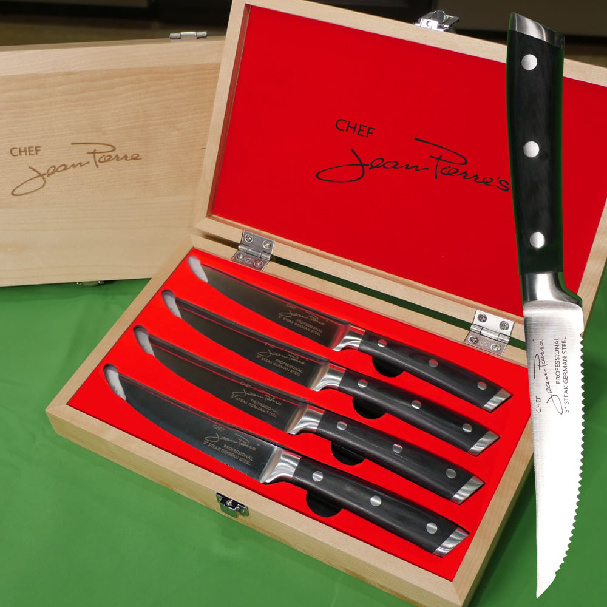
5-inch high-carbon German Stainless Steel blade will effortlessly slice through your steak, bread, vegetables, and fruits. The handle is ergonomically designed Pakka Wood. Makes a perfect gift presented in a beautifully crafted wooden box.














Love cooking fish this way, tonight I am going to cook small red snapper fillets and try the sauce also.
Miss you Chef and hope you are enjoying some well deserved time with your family and friends. CHEERS!
Made this tonight with red snapper to kick off Father’s Day weekend for my fish loving husband. It was a quick, easy and delicious recipe. I will make this again soon. Thanks for the recipe Chef JP!
Easy and great way to cook fish!!!