Simple and Delicious One-Pan Lemon Roasted Chicken
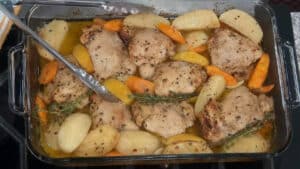
Hello friends! Today, I want to share with you a recipe that’s all about simplicity, flavor, and a little bit of fun: Lemon Roasted Chicken made with skinless, boneless chicken thighs, roasted to perfection with potatoes and carrots. This isn’t some fussy, high-maintenance recipe. It’s a meal that brings everything together in one pan.
Let’s be real—sometimes, we don’t want to juggle multiple pots and pans, especially on a busy weeknight. That’s where this Lemon Roasted Chicken recipe shines. And the best part? The lemon and herb-infused drippings at the bottom of the pan create a natural sauce that ties everything together. So, not only do you get a delicious, balanced meal, but you also get to keep your cleanup to a minimum. It’s the gift that keeps on giving!
Origins of Lemon Roasted Chicken
The concept of Lemon Roasted Chicken comes from the sunny Mediterranean regions where lemons grow abundantly. Think of Greece, Spain, or southern Italy — all those beautiful places where cooking is about freshness and simplicity. Adding lemon to chicken is a tradition that started in these areas, where cooks discovered that lemon juice tenderizes the chicken while adding a bright, citrusy punch to the flavor profile.
Pairing Suggestions: Keeping It Simple
Even though this dish is a complete meal on its own, there’s always room for a little extra. Serve it with a crusty loaf of bread—perfect for mopping up all those amazing drippings. I love Garlic Bread!. Or, if you’re in the mood for something light, pair it with a simple green salad with a Lemon Vinaigrette. The bright, crisp salad provides a refreshing contrast to the savory chicken and roasted vegetables.
Want something even simpler? A side of olives or pickled vegetables will do the trick. The tangy, briny flavors pair wonderfully with the lemon-roasted chicken, adding a bit of zing to every bite.
Wrapping It Up: Why This One-Pan Wonder is a Must-Try
So, there you have it, my friends! A dish that’s as easy to make as it is delicious to eat. Lemon Roasted Chicken with skinless, boneless thighs, potatoes, and carrots—all in one pan, all infused with the bright, zesty flavors of lemon, rosemary, and thyme. It’s a meal that’s sure to impress, whether you’re cooking for family, friends, or just yourself.
This dish is a flavorful and easy-to-make one-pot meal. Marinated in a lemony herb vinaigrette, the chicken thighs are roasted to perfection alongside potatoes and carrots, making this dish a perfect dinner for any night of the week. The marinade doubles as a delicious cooking sauce, infusing the chicken and vegetables with rich, savory flavors. It’s simple, delicious, and less cleanup with everything cooked in one pan.
For the Marinade / Sauce: (½ of this for the Marinade and ½ for the Sauce)
1cupGarlic Olive Oil
2tablespoonsDijon Mustard
8Garlic Cloveschopped
2teaspoonsRed Chili Flakes (carefully measured 😊)
2tablespoonsDried Herbes de Provence
2teaspoonsDried Oregano
2teaspoonsSalt
1teaspoonsBlack Pepper
Juice of 2 Lemons
2tablespoonsWhite Balsamic Vinegar Chef used Sicilian Lemon White Balsamic
For the Chicken and Vegetables:
8Chicken Thighs, boneless and skinless
4 to 6large Carrots peeled cut into slices about 3/16 “(6mm) thick max
1poundRusset Potatoes, peeled and cut into 6 to 8 wedges
Fresh Thyme a few sprigs (optional)
Get Recipe Ingredients
Prevent your screen from going dark
Recipe Instructions
Prepare the Marinade / Sauce:
In a bowl large enough to add the chicken, prepare the marinade by combining olive oil, mustard, garlic, chili flakes, dried herbes de Provence, dried oregano, salt, black pepper, lemon juice, and white balsamic vinegar.
Whisk until well mixed and remove and reserve about ½ for the mixture for the vegetables.
Add the chicken thighs ensuring they are well coated. Marinate in the refrigerator for 2-3 hours max 8 hours.
Preheat the Oven to 375°F (190°C)
Prepare the Chicken and Vegetables:
Prepare the vegetables by cutting the carrots into slices and the potatoes into wedges.
Place the vegetables in a large baking dish or lasagna pan, and pour the extra marinade/sauce over them to coat.
Place the marinated chicken thighs on top of the vegetables.
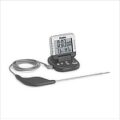
Roast in the preheated oven for one 1 hour, or until the chicken reaches an internal temperature of 185°F (85°C) and the vegetables are tender.
If using, add fresh thyme sprigs during the last 15 minutes of roasting.
Remove from the oven and let rest for a few minutes before serving.
Serve the chicken thighs with the roasted vegetables, and drizzle with any remaining pan juices for extra flavor.
Enjoy your delicious, lemony roasted chicken with vegetables, perfect for a cozy dinner.
Pro-Tips
Marinate for Maximum Tenderness
If you want your lemon-roasted chicken to be extra tender and juicy, I highly recommend marinating it for a few hours. Just a simple marinade with olive oil, a splash of white balsamic vinegar (never use white vinegar; that’s for cleaning floors!), some lemon juice for that bit of acidity, and a mix of dried herbs like oregano, thyme, and rosemary will do wonders. You don’t need to marinate for long — two to three hours is perfect. But don’t go overboard; too long, and the chicken might get mushy. And remember, always use a marinade that tastes good; if it’s not tasty on its own, it won't do your chicken any favors!
Bonus Pro-Tip: Roast Everything Together
To save on time and dishes, roast everything together in one pot — chicken, potatoes, carrots, you name it. Place the vegetables at the bottom of the pan so they soak up all those delicious chicken drippings while they cook. The juices from the chicken will flavor the vegetables, giving you a complete meal in one go. And don’t worry about the dark meat; you can cook it up to 180 degrees F, and it will still be juicy and tender. The magic happens when everything cooks together, so grab that lasagna pan, pile it all in, and let the oven do the work!
Equipment - You can find the items below at our online store!
Frequently Asked Questions About Lemon Roasted Chicken
1. Can I use chicken breasts instead of thighs for a lemon roasted chicken recipe?
Absolutely, but there are some important differences to consider. Chicken breasts are leaner than thighs, which means they tend to cook faster and can dry out more easily. To prevent this, adjust the cooking time and monitor the internal temperature carefully to ensure the chicken stays juicy. Boneless, skinless chicken breasts will typically need around 20-25 minutes at 400 degrees F, compared to the slightly longer time required for thighs.
Using boneless, skinless thighs, on the other hand, provides more flavor and retains moisture better due to their higher fat content. Thighs are ideal for recipes like lemon roasted chicken where you want a juicy, tender result without the risk of overcooking. If you do choose to use breasts, consider marinating them for a longer period to enhance flavor and keep them moist.
2. Is marinating the chicken thighs necessary for a lemon roasted chicken recipe?
Marinating is not strictly necessary, but it can significantly enhance the flavor and tenderness of your chicken. Thighs are naturally tender, but marinating them in lemon juice, olive oil, garlic, and herbs for at least 30 minutes (or up to overnight) allows the flavors to penetrate deeply into the meat. The acidity from the lemon juice also helps break down some of the muscle fibers, resulting in even more tender and flavorful chicken.
If you’re short on time, you can skip the marinating step and still achieve a tasty dish by generously seasoning the thighs right before cooking. However, if you have the time, a marinade will add depth and complexity to your lemon roasted chicken, making it even more delicious.
3. How do I ensure the chicken thighs get a crispy exterior in the oven?
Achieving a crispy exterior with boneless, skinless chicken thighs requires high heat and proper placement in the oven. Bake them at 400 degrees F, ensuring they are arranged in a single layer on the baking sheet or roasting pan to allow for even airflow. For extra crispiness, avoid overcrowding the pan, which can cause the chicken to steam instead of roast.
You can also finish the thighs under the broiler for the last 2-3 minutes of cooking to get a golden-brown, slightly crisp exterior. Be sure to watch them closely to avoid burning. The lack of skin means they won’t crisp up as much as skin-on thighs, but these techniques will help create a nice caramelized surface.
4. Should I bake lemon chicken thighs covered or uncovered?
Bake the chicken uncovered to allow excess moisture to evaporate, which promotes browning and prevents the chicken from becoming soggy. Boneless, skinless thighs benefit from this method because it helps them develop a slight caramelization while keeping the inside moist and flavorful. Covering the chicken can trap steam, which could make the chicken less flavorful and tender.
However, if you find that your chicken is browning too quickly or your oven runs hot, you can cover the dish with aluminum foil for part of the cooking time and uncover it for the last 10-15 minutes. This approach can help balance moisture while still achieving the desired texture.
5. Why is it important to use fresh lemons in a lemon roasted chicken recipe?
Using fresh lemons in a lemon roasted chicken recipe is important because they provide the best flavor. Fresh lemon juice is more vibrant and acidic than bottled varieties, which can taste muted or overly processed. The natural oils in lemon zest also add a fragrant, citrusy aroma that enhances the overall dish.
Fresh lemons ensure you get both juice and zest, adding layers of flavor. The juice provides tartness that balances the richness of the chicken, while the zest adds a burst of bright, fresh flavor that permeates the meat during roasting. This combination is essential for achieving the signature taste of lemon roasted chicken.
6. Can I freeze lemon roasted chicken thighs, and how should I do it?
Yes, freezing lemon roasted chicken is a great way to save leftovers or prepare meals in advance. To freeze, allow the cooked chicken to cool to room temperature, then wrap each thigh individually in plastic wrap or aluminum foil. Place the wrapped thighs in a freezer-safe bag or airtight container, and store them in the freezer for up to three months.
When ready to eat, thaw the chicken in the refrigerator overnight. For best results, reheat the chicken in the oven at a low temperature (around 300 degrees F) until warmed through, which helps retain moisture and flavor. Alternatively, you can reheat it in the microwave, but covering it with a damp paper towel will prevent it from drying out.
7. How do I know when my chicken thighs are done cooking?
The best way to check if your chicken thighs are done is by using a meat thermometer. Insert the thermometer into the thickest part of the thigh. The chicken is considered safe to eat when the internal temperature reaches 165 degrees F (74 degrees C). This ensures that the chicken is fully cooked without overcooking, which can make the thighs tough and dry.
In addition to checking the temperature, look for visual signs of doneness. Properly cooked chicken thighs will have clear juices when pierced, and the meat should be firm to the touch without any pink or translucent areas. Since thighs are naturally more forgiving than breasts, they retain moisture well even when cooked slightly longer.
8. Can I prepare lemon roasted chicken thighs in an air fryer instead of the oven?
Yes, chicken thighs can be easily prepared in an air fryer. This method is quick, convenient, and requires less oil while still achieving a juicy, flavorful result. Preheat your air fryer to 375 degrees F and season the chicken thighs as usual with lemon juice, olive oil, garlic, and herbs. Arrange the thighs in a single layer in the air fryer basket and cook for about 20-25 minutes, flipping halfway through.
The circulating hot air in the air fryer helps create a crispy exterior while keeping the chicken tender and juicy on the inside. This is a great option if you’re short on time or want to avoid heating up your oven.
9. What vegetables pair well with lemon roasted chicken thighs?
Lemon roasted chicken thighs pair well with a wide range of vegetables that complement the zesty, aromatic flavors. Root vegetables like potatoes, carrots, and parsnips work particularly well because they roast at the same temperature and time as chicken thighs, soaking up all the delicious lemony drippings. You can also add Brussels sprouts, green beans, or bell peppers to the roasting pan for added color and flavor.
If you prefer a lighter side, serve the chicken with a fresh salad, such as a simple green salad with a lemon vinaigrette or a Greek salad. The acidity from the salad’s dressing complements the lemon chicken, creating a refreshing contrast to the roasted flavors.
10. How should I store and reheat leftover lemon roasted chicken?
After cooking, let the lemon roasted chicken cool to room temperature before storing it in an airtight container. Refrigerate for up to four days or freeze for up to three months. For best results when reheating, use an oven at a low temperature (around 300 degrees F) to keep the chicken moist and flavorful. This method helps maintain the texture and juiciness of the chicken.
Alternatively, you can use a microwave for reheating, but cover the chicken with a damp paper towel to prevent drying out. Reheat on medium power to avoid overcooking. Whichever method you choose, reheat only the amount you plan to eat, as repeated reheating can degrade the quality of the chicken.
11. How much lemon should I use in the lemon roasted chicken recipe?
The amount of lemon you use can be adjusted based on personal preference, but generally, the juice of one to two lemons should be enough to season a batch of boneless, skinless chicken thighs. Additionally, using lemon zest will provide a more concentrated citrus flavor, enhancing the overall taste of the dish.
Incorporating both lemon juice and zest is recommended for maximum flavor. Zesting the lemon before juicing ensures you can easily use both elements without waste. If you prefer a milder lemon flavor, you can reduce the amount of juice and balance it with additional herbs like rosemary or thyme.
12. Can I use other herbs or spices in the lemon roasted chicken recipe?
Absolutely! While rosemary, thyme, and garlic are the most commonly used herbs for lemon roasted chicken, you can easily experiment with other herbs and spices to suit your taste. Fresh oregano, basil, or parsley can add unique, vibrant flavors that pair well with the zesty lemon. For those who like a bit of heat, a pinch of red pepper flakes or smoked paprika can provide a subtle kick, while a dash of cumin or coriander adds an earthy undertone that complements the citrus notes.
Remember to balance the additional herbs and spices with the natural flavor of the chicken and the tartness of the lemon. You can mix and match different herbs and spices to create a custom flavor profile that suits your palate. The key is to keep it simple and allow the freshness of the ingredients to shine through without overpowering the dish. Feel free to get creative, but don’t overdo it—lemon is the star of this recipe!
13. What is the best cooking temperature for lemon roasted boneless, skinless chicken thighs?
The best temperature for roasting boneless, skinless chicken thighs is 400 degrees F. This high heat ensures that the chicken cooks quickly and evenly while developing a slightly caramelized, golden-brown exterior. Because boneless, skinless thighs lack the protective layer of skin, cooking at a higher temperature helps them stay moist and tender without drying out. Make sure to arrange the thighs in a single layer on the baking sheet to ensure even cooking.
Roasting at 400 degrees F is also ideal when you are cooking vegetables like potatoes and carrots alongside the chicken. It allows the vegetables to cook through and develop a roasted flavor without becoming too soft or mushy. Remember to check the internal temperature of the chicken with a meat thermometer to ensure it reaches 165 degrees F (74 degrees C) for safe consumption.
14. Can I add a sauce to the lemon roasted chicken thighs, and if so, what type?
Yes, adding a sauce can elevate the flavor of lemon roasted chicken thighs. A simple and effective option is to use the pan drippings left after roasting the chicken. After removing the chicken and vegetables from the pan, deglaze it with a splash of chicken broth, a bit of white wine, and a knob of butter. Let it simmer for a few minutes to create a delicious, tangy pan sauce that pairs wonderfully with the lemon and herbs in the chicken.
If you prefer a different type of sauce, you could make a lemon herb butter sauce by mixing lemon juice, zest, fresh herbs (such as parsley or dill), and melted butter. For a creamier option, consider a lemon garlic cream sauce made with heavy cream, lemon juice, garlic, and a bit of Parmesan cheese. Each of these sauces will enhance the flavor of the chicken and provide a delightful complement to the dish.
15. What are some good side dishes to serve with lemon roasted chicken thighs?
While lemon roasted chicken thighs with potatoes and carrots make for a complete meal, there are several side dishes that pair well with them. For a lighter option, consider serving the chicken with a fresh salad, such as a simple green salad with a lemon vinaigrette or a Caesar salad. The acidity from the vinaigrette complements the lemony flavor of the chicken and adds a refreshing contrast to the roasted vegetables.
If you prefer a more substantial side, try serving the chicken with crusty bread to soak up the flavorful pan drippings, or grains like rice, quinoa, or couscous, which absorb the zesty juices from the chicken. Steamed or roasted vegetables like asparagus, green beans, or broccoli also provide a great contrast in texture and flavor, making the meal even more satisfying.
16. How should I store leftover lemon roasted chicken thighs, and how long will they keep?
To store leftover lemon roasted chicken thighs, first allow them to cool to room temperature. Then, place them in an airtight container and store them in the refrigerator for up to four days. For longer storage, you can freeze the chicken thighs by wrapping them individually in plastic wrap or aluminum foil and placing them in a freezer-safe bag or container. They can be stored in the freezer for up to three months.
When reheating, it’s best to use the oven or stovetop to maintain the texture and flavor. If using a microwave, cover the chicken with a damp paper towel to prevent it from drying out. Reheat on medium power to avoid overcooking. It’s important to note that chicken should only be reheated once to maintain food safety and quality.
17. Can I use a slow cooker for lemon roasted chicken thighs?
Yes, boneless, skinless chicken thighs can be cooked in a slow cooker for a different approach to this classic recipe. To do this, place the chicken thighs in the slow cooker with lemon juice, garlic, olive oil, herbs, and a bit of chicken broth or stock. Add potatoes, carrots, and other vegetables if desired. Cook on low for 4-6 hours or on high for 2-3 hours, or until the chicken is tender and reaches an internal temperature of 165 degrees F.
Using a slow cooker allows the flavors to meld together slowly, resulting in an exceptionally tender and flavorful chicken dish. This method is ideal for busy days when you want to prepare a meal in advance and let it cook while you attend to other tasks.
18. Can I cook lemon roasted chicken thighs on the stovetop instead of in the oven?
Yes, you can cook lemon roasted chicken thighs on the stovetop for a quicker preparation. Begin by heating olive oil in a large skillet over medium-high heat. Season the chicken thighs with lemon juice, garlic, herbs, salt, and pepper. Once the skillet is hot, add the chicken thighs and sear them for 3-4 minutes on each side until they are golden brown.
After searing, reduce the heat to medium, cover the skillet, and continue cooking until the chicken reaches an internal temperature of 165 degrees F. You can also deglaze the pan with a bit of chicken broth or white wine to create a light sauce. This stovetop method is perfect for a quick weeknight dinner without needing to use the oven.
19. What is the benefit of using boneless, skinless chicken thighs over other cuts in this recipe?
Boneless, skinless chicken thighs are a great choice for lemon roasted chicken because they are flavorful, tender, and cook relatively quickly. Unlike chicken breasts, thighs have a higher fat content, which helps keep them moist and juicy during cooking. This makes them more forgiving if slightly overcooked, whereas chicken breasts tend to dry out quickly.
Additionally, boneless, skinless thighs absorb flavors well, making them perfect for a lemon-based marinade. Their even thickness allows them to cook uniformly, which is ideal for roasting with vegetables in one pan. This cut is also cost-effective, providing a rich flavor at an affordable price point.
Chef Jean-Pierre, born in Aix-en-Provence, France, honed his culinary skills at a young age, mastering the art of charcuterie by the age of twelve. Determined to become a chef, he began his formal apprenticeship at L'Oustau de Baumaniere in Provence, one of the world’s best restaurants with a 3-star Michelin rating.
Jean-Pierre continued his apprenticeship on the French Riviera where he worked at famous restaurants, such as L’Oasis at La Napoule, Le Vendome in Aix-en-Provence, and the the Carlton in Cannes. In 1976, he opened The Left Bank Restaurant, consistently recognized as one of the best in America for 22 years by magazines like "Bon Appetit," "Conde Nast," "Gourmet Magazine" and "Travel & Leisure."
Jean-Pierre was also a popular TV personality, having hosted National Public Television series like "Incredible Cuisine” and "Sunshine Cuisine." He was also nominated for "Best Culinary Video" by the James Beard Foundation and operated the nationally renowned “Chef Jean-Pierre's Cooking School” and was a sought-after guest on shows like "The Today Show" and "Larry King Live."
With over 2 Million Subscribers to his Chef Jean-Pierre YouTube Channel, he is a widely respected figure in the culinary world, known for his skill and dedication to his craft, but even more so known for making gourmet cooking fun and easy to learn.
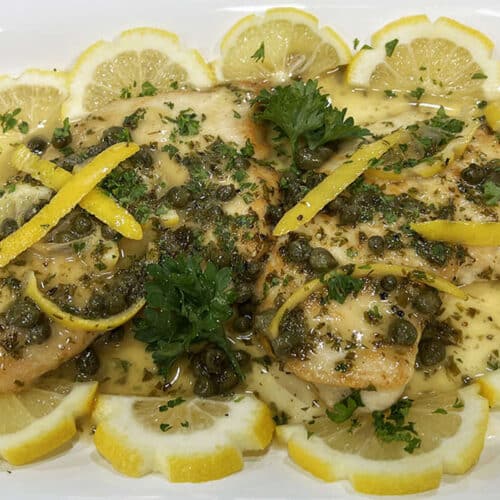
Lemon Chicken Piccata Recipe Chicken Piccata is light and flavorful, and the sauce is beautifully complimented by the capers and parsley. This Chicken Piccata Recipe will give you…
A Fantastic Roasted Chicken Stock Recipe An incredible Roasted Chicken Stock Recipe, giving it a richer flavor than regular Chicken Stock because of the roasted chicken and the addition of…
Chef,
I made this dinner last evening and it was delicious! I used bone-in thighs as that is what I had and Cooke it on convection at 375. Cooked perfectly in 1 hour. We love your recipes and your show. We missed you and hope you’ll return to 2 shows each week on YouTube TV.
Thank you!
5-inch high-carbon German Stainless Steel blade will effortlessly slice through your steak, bread, vegetables, and fruits. The handle is ergonomically designed Pakka Wood. Makes a perfect gift presented in a beautifully crafted wooden box.




























Great recipe, Chef!! I live alone and this was so easy and delicious.
Chef,
I made this dinner last evening and it was delicious! I used bone-in thighs as that is what I had and Cooke it on convection at 375. Cooked perfectly in 1 hour. We love your recipes and your show. We missed you and hope you’ll return to 2 shows each week on YouTube TV.
Thank you!