Best Hungarian Goulash: Easy Steps to Comfort Food Perfection
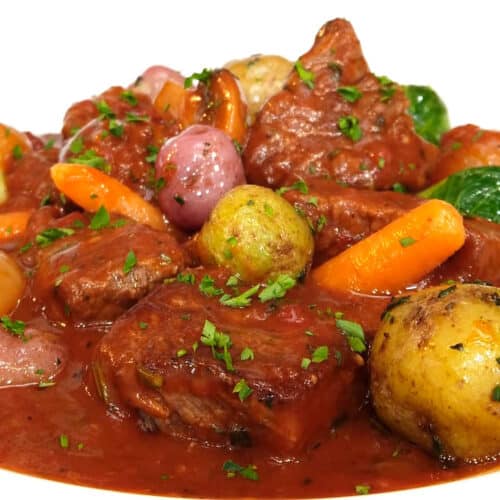
Hello friends! Today, we’re diving into a beautiful dish: An easy Hungarian goulash recipe. This perfectly braised beef stew, packed with a variety of vegetables, is absolutely delicious. I know you’re going to love it!
To ensure I got this authentic Hungarian goulash recipe just right, I called a friend in Budapest. While some people use pork and others use beef, goulash traditionally features beef. However, you can make it with pork if you prefer—many grandmothers in Hungary do.
The word “goulash” originates from the Hungarian word “gulyás,” which translates to “herdsman” or “cowboy.” The term “gulyáshús” specifically means “goulash meat” in Hungarian, referring to a meat dish traditionally prepared by herdsmen.
For this recipe, I recommend using chuck roast, which I find best for cooking goulash. Beef cheeks are also an excellent choice if you can find them.
The secret to a truly great Hungarian goulash lies in the paprika. Make sure to get a high-quality Hungarian sweet paprika; it’s a crucial ingredient for achieving that rich, authentic flavor. Whether you choose beef or pork, the paprika is what will make your goulash stand out.
A Brief History of Hungarian Goulash
Hungarian goulash is a traditional dish dating back to the 9th century. Originally, it was a dish prepared by Hungarian shepherds, known as “gulyás,” who cooked it in a cauldron over an open fire. The recipe has evolved over centuries, but the essence of the dish—tender beef cooked with onions, paprika, and other vegetables—remains the same.
Authentic Hungarian goulash is not just a stew; it’s a flavorful, hearty soup that embodies the rich culinary heritage of Hungary.
How to Serve Hungarian Goulash
Hungarian goulash can be served in several delicious ways. Traditionally, it is served as a soup, but it can also be enjoyed as a thick stew. Here are some of the best ways to serve this classic dish:
Hungarian Goulash As A Soup
When served as a soup, Hungarian goulash is typically paired with fresh bread or rolls. The soup’s rich broth and tender beef make it a comforting meal that’s perfect for chilly evenings. Adding a dollop of sour cream on top can enhance the flavor and provide a creamy contrast to the savory soup.
Hungarian Goulash As A Stew
If you prefer a heartier meal, Hungarian goulash can be thickened to create a stew. This version is often served with egg noodles, mashed potatoes, or even a side of steamed rice. The thick, savory sauce coats the beef and vegetables, making every bite a burst of flavor. For an authentic touch, consider serving it with a side of pickles or a simple cucumber salad.
Suggested Pairings
Hungarian goulash is versatile and pairs well with a variety of side dishes. Here are some ideas to complete your meal:
Noodles: Egg noodles are a classic pairing. Their soft texture complements the tender beef and rich sauce.
Cheesy Mashed Potatoes: Creamy mashed potatoes are perfect for soaking up the flavorful broth.
Rice: A simple side of white or brown rice can balance the rich flavors of the goulash.
Pickles: The tangy crunch of pickles provides a nice contrast to the hearty stew.
Hungarian goulash is a dish that brings warmth and comfort to any table. Whether you serve it as a soup or a stew, its rich flavors and tender beef make it a favorite among home cooks.
This is a traditional dish known for its rich flavors and hearty ingredients. This recipe features perfectly braised beef, vegetables, and the essential Hungarian sweet paprika, creating a delicious and comforting meal. Serve it as a soup or a stew according to your preference.
8cupsBeef Stock (or as much as needed to cover all ingredients)
3largePotatoes cut into small cubes
2tablespoonsButter
Fresh Parsley for garnish
Get Recipe Ingredients
Prevent your screen from going dark
Recipe Instructions
In a non stick fry pan over medium-high heat 2 tablespoons olive oil. When the oil is about 365 F / 190 C, add the beef and cook until nicely browned. Season with salt and pepper and reserve.
In a Dutch oven add another 2 tablespoons olive oil. When hot add the onion and sauté until light golden brown. Add the Hungarian sweet paprika and sauté briefly, being careful not to burn it. Stir in the garlic and cook until fragrant. Add the chopped tomatoes and stir well. Sprinkle in the caraway seeds and marjoram and add the red bell pepper. Add the parsnips, carrots, and Worcestershire Sauce.
Deglaze the frying pan you sauteed the beef with 2 cups of beef stock and pour stock and beef on top of the Dutch oven and all the vegetables. In that same pot, add one more cup of stock to cover all the ingredients. Bring to a boil, reduce the heat and let it simmer for about an hour. Add enough stock as needed and add the reserved potatoes and continue to cook for another hour or until the meat is tender and all the vegetables are cooked through. Adjust the seasoning with more salt and pepper if needed.
Stir in butter, then turn off the heat. Garnish with fresh parsley before serving.
Enjoy your Hungarian Goulash as a comforting soup or a hearty stew!
Pro-Tips
Choose A High Quality Paprika
When making Hungarian goulash, the quality of the paprika is crucial. Invest in a high-quality Hungarian sweet paprika to ensure the best flavor. The paprika not only adds a beautiful color but also a depth of flavor that's essential to the dish.Paprika comes in various forms—sweet, smoked, and hot. For an authentic Hungarian goulash, sweet paprika is the best choice. Hungarian paprika is known for its vibrant red color and sweet, mildly spicy flavor. You can find quality Hungarian sweet paprika at specialty stores or online. Look for brands that import directly from Hungary to guarantee authenticity.
Storing Paprika
To keep your paprika fresh and flavorful, store it in an airtight container away from light and heat. Paprika can lose its potency over time, so it's best to buy it in small quantities and use it within six months. Fresh paprika will have a bright red color and a robust aroma.
Bonus Pro-Tip: Add A Splash Of Worcestershire
For an extra layer of flavor, add a splash of Worcestershire sauce to the stew. It might not be traditional, but it enhances the umami flavors and gives the goulash a delicious twist.
Understanding Umami
Umami is one of the five basic tastes, along with sweet, sour, bitter, and salty. It's often described as a savory or meaty taste and is found in foods like soy sauce, tomatoes, mushrooms, and aged cheeses. Worcestershire sauce, with its complex blend of ingredients, is rich in umami, making it a perfect addition to enhance the depth of flavor in your goulash.
Adding Worcestershire Sauce
To incorporate Worcestershire sauce into your goulash, add it during the cooking process, just after you've added the broth and other seasonings. A small amount—about a tablespoon—can make a significant difference. It will blend seamlessly with the other flavors, enhancing the overall taste without overpowering the dish.
Equipment - You can find the items below at our online store!
Frequently Asked Questions About An Easy Hungarian Goulash Recipe
1. What is Hungarian goulash?
Hungarian goulash is a traditional dish that originated in Hungary. It’s a flavorful stew made with beef, onions, paprika, and other vegetables like potatoes and carrots. Unlike American goulash, which often includes pasta and ground beef, Hungarian goulash is known for its rich broth and use of beef chunks. The key ingredient is high-quality Hungarian paprika, which gives the dish its distinctive flavor and color.
The dish has deep roots in Hungarian culture and is considered a symbol of national identity. It is typically slow-cooked to ensure the beef becomes tender and the flavors meld together beautifully. The use of paprika, a spice native to Hungary, sets it apart from other stews and soups around the world.
2. What is the history of Hungarian goulash?
Hungarian goulash dates back to the 9th century and was originally prepared by Hungarian shepherds. Known as “gulyás,” which means herdsman, it was cooked in a cauldron over an open fire. Over time, the recipe evolved but retained its core ingredients and method of preparation. It became a staple in Hungarian cuisine and is now enjoyed worldwide.
The dish was initially a way for shepherds to use up tough cuts of meat and other readily available ingredients. It has since become a beloved part of Hungarian culinary tradition, celebrated for its rich flavors and hearty, comforting qualities.
3. What cut of beef is best for a Hungarian goulash recipe?
The best cut of beef for Hungarian goulash is beef chuck or stew beef. These cuts are ideal because they become tender and flavorful when slow-cooked. Beef cheeks are another good option, offering a rich taste and tender texture. When preparing the beef, cut it into bite-sized pieces to ensure even cooking and ease of eating.
Choosing the right cut of beef is crucial for achieving the desired texture in your goulash. These cuts have enough fat and connective tissue to break down during cooking, resulting in a melt-in-your-mouth experience that is characteristic of a well-made goulash.
4. How can I make my Hungarian goulash recipe more flavorful?
To make Hungarian goulash recipe more flavorful, use high-quality ingredients, especially Hungarian sweet paprika. Sear the beef properly to develop a rich, caramelized flavor. Adding a splash of Worcestershire sauce can enhance the umami flavors. Letting the goulash rest for a while before serving allows the flavors to develop fully.
Another way to enhance the flavor is by using homemade beef broth instead of water. This adds depth and richness to the goulash. Fresh herbs, such as thyme or bay leaves, can also add complexity to the dish. Adjusting the seasoning with salt and pepper at different stages of cooking ensures that the flavors are well-balanced.
5. Can I use pork instead of beef in a Hungarian goulash recipe?
Yes, you can use pork instead of beef in Hungarian goulash. Pork shoulder is a good substitute, providing a tender and flavorful alternative. The cooking method remains the same, and you can follow the same steps as with beef. Pork goulash is also popular in some regions of Hungary and neighboring countries.
Pork offers a slightly different flavor profile, but it can still produce a delicious and hearty goulash. The key is to ensure that the pork is cooked until tender, just like beef, to achieve the best texture and flavor.
6. What is the importance of paprika in Hungarian goulash?
Paprika is the most critical ingredient in Hungarian goulash. It provides the dish’s characteristic flavor and color. High-quality Hungarian sweet paprika is recommended for its vibrant red color and mild, sweet taste. This spice is added early in the cooking process and sautéed briefly to release its flavors, ensuring the goulash has a rich and deep taste.
Using authentic Hungarian paprika is essential to achieving the traditional flavor of goulash. The spice not only enhances the taste but also adds a beautiful, appetizing color to the dish, making it visually appealing.
7. Can I freeze Hungarian goulash?
Yes, Hungarian goulash can be frozen. Allow the goulash to cool completely before transferring it to airtight containers or freezer bags. It can be stored in the freezer for up to three months. To reheat, thaw it in the refrigerator overnight and then warm it on the stove, adding a little water or broth if needed to restore the desired consistency.
Freezing goulash is a great way to have a ready-made meal on hand for busy days. Just make sure to cool it properly before freezing to preserve its texture and flavor.
8. What are common side dishes to serve with Hungarian goulash?
Hungarian goulash pairs well with a variety of side dishes. Common accompaniments include crusty bread, egg noodles, mashed potatoes, or rice. Dumplings, such as nokedli or spätzle, are traditional and add a satisfying texture. A light cucumber salad or pickles can provide a refreshing contrast to the rich stew.
These sides help balance the rich, hearty flavors of the goulash, providing different textures and flavors that complement the main dish. They also make the meal more filling and satisfying.
9. Is Hungarian goulash a soup or a stew?
Hungarian goulash can be either a soup or a stew, depending on the amount of liquid used. Traditionally, it is a thick soup served with plenty of broth. However, it can be made thicker to resemble a stew by reducing the amount of liquid and cooking it longer to achieve a thicker consistency.
The versatility of goulash allows it to be adapted to personal preferences, whether you enjoy a more soupy consistency or a heartier, thicker stew. Both versions are delicious and offer a comforting meal.
10. How long does it take to cook Hungarian goulash?
Cooking Hungarian goulash typically takes about 2 to 2.5 hours. This includes time for searing the beef, sautéing the vegetables, and simmering the stew until the beef is tender and the flavors meld together. The long cooking time ensures that the beef becomes melt-in-your-mouth tender and the vegetables are perfectly cooked.
Patience is key when making goulash. The slow cooking process allows the flavors to develop fully, resulting in a rich and satisfying dish that is well worth the wait.
11. Can I make Hungarian goulash in a slow cooker?
Yes, Hungarian goulash can be made in a slow cooker. After searing the beef and sautéing the onions, transfer all ingredients to the slow cooker. Cook on low for 7-8 hours or on high for 4-5 hours until the beef is tender. This method is convenient and allows the flavors to develop fully while requiring minimal hands-on time.
The slow cooker method is perfect for busy days when you want to come home to a ready-made meal. The long cooking time in the slow cooker ensures that the beef becomes incredibly tender and the flavors meld beautifully.
12. What is the difference between Hungarian goulash and American goulash?
Hungarian goulash and American goulash are quite different. Hungarian goulash is a beef stew or soup made with paprika, onions, and other vegetables, resulting in a rich, flavorful dish. American goulash, also known as “slumgullion,” typically includes ground beef, macaroni, tomatoes, and cheese, creating a quicker, simpler, and less spiced dish.
The primary difference lies in the ingredients and the cooking method. Hungarian goulash relies on slow cooking and high-quality paprika, while American goulash is a more straightforward, one-pot meal that is quicker to prepare.
13. How can I thicken Hungarian goulash?
To thicken Hungarian goulash, you can let it simmer uncovered for a longer time to reduce the liquid. Alternatively, you can add a slurry made from cornstarch and cold water, stirring it into the goulash and cooking until it thickens. Another method is to mash some of the potatoes and stir them back into the stew.
Thickening the goulash enhances its heartiness and can make it more satisfying. Adjust the thickness to your preference, whether you enjoy a more broth-based soup or a thicker stew.
14. What is the best way to store leftover Hungarian goulash?
Store leftover Hungarian goulash in an airtight container in the refrigerator for up to four days. Make sure the goulash is cooled completely before refrigerating. To reheat, gently warm it on the stove or in the microwave, adding a little water or broth if needed to maintain the desired consistency.
Proper storage ensures that the goulash retains its flavor and texture. Reheating it gently helps preserve the tenderness of the beef and the rich, savory broth.
15. Can I leave out the caraway seeds from a Hungarian goulash recipe?
Yes, you can leave out the caraway seeds if you don’t like them. While caraway seeds add a traditional flavor to the goulash, they are not essential. The dish will still be delicious and flavorful without them, thanks to the paprika, onions, and other ingredients. Many regions and recipes vary, and some traditional Hungarian goulash recipes do not include caraway seeds at all.
If you choose to omit the caraway seeds, you can consider adding other herbs and spices that you enjoy. The primary flavor profile of Hungarian goulash comes from the paprika, so as long as you have a good quality paprika, your goulash will still have that authentic taste.
16. What vegetables are typically used in an Hungarian goulash recipe?
Common vegetables used in Hungarian goulash recipes include onions, bell peppers, tomatoes, carrots, and potatoes. These vegetables add flavor, color, and nutrition to the dish. Onions are usually the first vegetable to be sautéed, providing a sweet and savory base for the goulash. Bell peppers and tomatoes contribute additional layers of flavor and a touch of sweetness.
Carrots and potatoes are added later in the cooking process. Carrots add a subtle sweetness and color, while potatoes provide a hearty texture that makes the goulash more filling. Some recipes may also include parsnips or celery, but the core ingredients remain consistent across different versions of the dish.
17. How should I serve Hungarian goulash?
Hungarian goulash can be served as a soup or a stew, depending on your preference. It’s often accompanied by crusty bread, egg noodles, or mashed potatoes. A dollop of sour cream on top can enhance the flavor and add a creamy contrast to the rich broth. Garnishing with fresh parsley adds a touch of color and freshness to the dish.
In Hungary, it is common to serve goulash with a side of pickles or a light cucumber salad, which provides a refreshing contrast to the hearty stew. For a complete meal, consider pairing goulash with a robust red wine, such as a Hungarian Egri Bikavér (Bull’s Blood), which complements the rich flavors of the dish.
18. What is the traditional way to cook an Hungarian goulash recipe?
The traditional way to cook Hungarian goulash involves simmering beef with onions, paprika, and other vegetables in a large pot, usually a Dutch oven. The dish is slow-cooked to allow the flavors to meld and the beef to become tender. Authentic recipes often use lard or bacon fat for sautéing, which adds richness to the goulash. The key is to cook the goulash slowly, allowing the beef to become tender and the flavors to develop fully.
Traditionally, goulash is cooked over an open fire in a cauldron, which adds a smoky flavor to the dish. While this method is less common in modern kitchens, using a Dutch oven on a stovetop can replicate the slow, even cooking that is essential for a great goulash. The long cooking time ensures that the beef is melt-in-your-mouth tender and the vegetables are perfectly cooked.
19. Can I add wine to this easy Hungarian goulash recipe?
While traditional Hungarian goulash recipes do not typically include wine, you can add a splash of red wine for extra depth of flavor. If you choose to add wine, do so after searing the beef and before adding the broth, allowing the alcohol to cook off and the flavors to meld with the other ingredients. Red wine adds a rich, robust flavor that can enhance the overall taste of the goulash.
When selecting a wine to add to your goulash, choose a full-bodied red such as a Cabernet Sauvignon or Merlot. These wines have the tannins and flavor profile to complement the rich beef and paprika flavors in the goulash. Adding wine is optional, but it can add an extra layer of complexity to the dish.
Chef Jean-Pierre, born in Aix-en-Provence, France, honed his culinary skills at a young age, mastering the art of charcuterie by the age of twelve. Determined to become a chef, he began his formal apprenticeship at L'Oustau de Baumaniere in Provence, one of the world’s best restaurants with a 3-star Michelin rating.
Jean-Pierre continued his apprenticeship on the French Riviera where he worked at famous restaurants, such as L’Oasis at La Napoule, Le Vendome in Aix-en-Provence, and the the Carlton in Cannes. In 1976, he opened The Left Bank Restaurant, consistently recognized as one of the best in America for 22 years by magazines like "Bon Appetit," "Conde Nast," "Gourmet Magazine" and "Travel & Leisure."
Jean-Pierre was also a popular TV personality, having hosted National Public Television series like "Incredible Cuisine” and "Sunshine Cuisine." He was also nominated for "Best Culinary Video" by the James Beard Foundation and operated the nationally renowned “Chef Jean-Pierre's Cooking School” and was a sought-after guest on shows like "The Today Show" and "Larry King Live."
With over 2 Million Subscribers to his Chef Jean-Pierre YouTube Channel, he is a widely respected figure in the culinary world, known for his skill and dedication to his craft, but even more so known for making gourmet cooking fun and easy to learn.
5-inch high-carbon German Stainless Steel blade will effortlessly slice through your steak, bread, vegetables, and fruits. The handle is ergonomically designed Pakka Wood. Makes a perfect gift presented in a beautifully crafted wooden box.





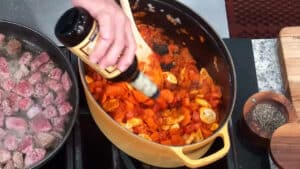 To incorporate Worcestershire sauce into your goulash, add it during the cooking process, just after you've added the broth and other seasonings. A small amount—about a tablespoon—can make a significant difference. It will blend seamlessly with the other flavors, enhancing the overall taste without overpowering the dish.









Loved it. A wonderful take on a Hungarian classic.
Perfect
I haven’t made this yet, but it looks so hearty and good. I can’t wait to give it a try. May even make it tonight.
I’ve made a version of this dish for many years, now I can’t wait to make this version. It will surly become a family favorite, thanks, Chef.