The Ultimate Guide To The Perfect Grand Marnier Soufflé
Hello friends, today, I am going to share with you one of my favorite soufflés, specifically my recipe for a Grand Marnier Soufflé. Now, don’t let the fancy name fool you; this classic French dessert is not as complicated as it sounds. But I assure you it is every bit as good as it sounds!
The Origin of the Grand Marnier Soufflé
The soufflé, a name derived from the French verb “souffler” meaning “to puff,” originated in France in the early 18th century. The genius behind this airy delight is attributed to the brilliant French chef Marie-Antoine Carême, who popularized the dish in the early 1800s.
The addition of Grand Marnier, a luxurious orange-flavored liqueur, brought a new dimension to this already delightful dessert. Combining the light, airy texture of a classic soufflé with the rich, citrusy notes of Grand Marnier liqueur, this recipe is nothing short of a masterpiece.
This French dessert, with its delicate, airy texture and vibrant orange flavor, is sure to impress even the pickiest of eaters. Not to mention, the sense of accomplishment you’ll feel when you pull that perfectly risen soufflé out of the oven!
How to Serve Your Grand Marnier Soufflé
Serving a Grand Marnier Soufflé is an art form in itself. Here are a few tips to ensure your soufflé is the star of the show:
Timing is Everything
Soufflés wait for no one. They are best served immediately after coming out of the oven. So, make sure your guests are seated and ready to be wowed.
The Perfect Pairings
Pair your Grand Marnier Soufflé with a light dusting of powdered sugar or a drizzle of crème anglaise. For an added touch of decadence, serve it alongside a scoop of vanilla bean ice cream or a dollop of whipped cream. The contrast of the warm soufflé and the cold ice cream is simply divine.
Presentation Matters
Serve your soufflés in individual ramekins for that classic, elegant look. And don’t forget to butter those ramekins generously and coat them with sugar to ensure a perfect rise and easy release.
Suggested Pairings With Your Grand Marnier Soufflé
So, what goes well with a Grand Marnier Soufflé? Here are a few ideas:
Pair your Grand Marnier Soufflé with a glass of sparkling wine or a crisp white wine. The acidity of the wine beautifully complements the rich, citrusy notes of the soufflé.
So, there you have it, friends! The Grand Marnier Soufflé is a classic French dessert that combines elegance with indulgence. With a little bit of preparation and a lot of love, you can create a dish that will impress anyone lucky enough to taste it. Remember, the key is to be patient, precise, and, above all, have fun with it.
This classic Soufflé is a light, airy, and decadent dessert perfect for impressing your guests. The delightful combination of orange zest and the subtle touch of Grand Marnier creates a sophisticated and flavorful experience. Follow this simple recipe to create a beautiful soufflé that rises perfectly and tastes delicious.
Prepare your soufflé molds by generously buttering the insides and coating them with sugar, ensuring the sugar covers the entire inner surface.
Melt the butter in a saucepan, add the flour, and cook for a minute to form a roux. Gradually add the milk while whisking continuously, stir in the white chocolate chips until melted and smooth and add the salt.
In a separate bowl, whisk the egg yolks with vanilla extract, Grand Marnier, and orange zest. Slowly temper the yolk mixture by adding the hot milk mixture gradually to prevent scrambling. Once combined, set aside to cool slightly.
In a clean bowl, beat the egg whites until frothy, then gradually add the sugar and continue beating until soft peaks form. Gently fold a small portion of the egg whites into the yolk mixture to lighten it, then carefully fold in the remaining egg whites until just combined.
Pour the batter into the prepared soufflé molds, filling them to the top. Smooth the surface with a spatula and clean the edges. Place the molds on a baking sheet and bake in the preheated oven for 15-20 minutes or until the soufflés have risen and are golden brown on top.
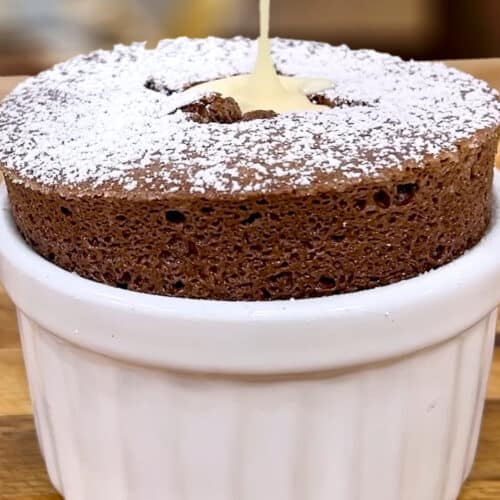
Serve immediately, dusted with powdered sugar and optionally with a drizzle of crème anglaise.
Pro-Tips
Use Room Temperature Egg Whites When Making Your Meringue
Egg whites whip up to a better volume when they are at room temperature. So, be sure to let your eggs sit out for a bit before you start.
Fold Gently
When incorporating the meringue into your base, do it gently! Use a rubber spatula and fold in the egg whites in a gentle motion to avoid deflating your batter.
Bonus Pro Tip: Mise en Place
Prepare all your ingredients and equipment before you start. This French term means "everything in its place," and it will make your cooking process a whole lot easier, smoother, and more enjoyable.
Equipment - You can find the items below at our online store!
Frequently Asked Questions About A Grand Marnier Soufflé Recipe
1. What is a Grand Marnier Soufflé?
A Grand Marnier Soufflé is a classic French dessert known for its light, airy texture and rich, citrus flavor. The soufflé is made with a base of crème pâtissière (pastry cream), which is flavored with Grand Marnier, an orange-flavored liqueur. Egg whites are beaten to stiff peaks and then gently folded into the base to create a light, fluffy mixture that rises beautifully in the oven.
The Grand Marnier liqueur adds a distinctive citrus note that pairs perfectly with the creamy texture of the soufflé. This dessert is typically served immediately after baking to preserve its delicate structure and is often dusted with powdered sugar or accompanied by a crème anglaise (vanilla custard sauce).
2. How do you prevent a soufflé from collapsing?
Preventing a soufflé from collapsing starts with proper preparation and handling. The key is to carefully incorporate air into the egg whites without deflating them. Whisk the egg whites to stiff peaks, ensuring they hold their shape but are not overbeaten, which can cause them to become dry and difficult to fold into the base.
Gently folding the egg whites into the crème pâtissière base with a rubber spatula is crucial. Overmixing can deflate the mixture, leading to a flat soufflé. Additionally, avoid opening the oven door during baking, as sudden changes in temperature can cause the soufflé to collapse. Serving the soufflé immediately after baking also helps maintain its structure.
3. Why is room temperature important for eggs in a soufflé?
Using room-temperature eggs is important for achieving the best volume when beating the egg whites. Cold egg whites take longer to whip and do not achieve the same volume and stability as those at room temperature. This volume is crucial for the airy structure of the soufflé.
Allowing the eggs to come to room temperature before whipping ensures that the egg whites incorporate more air, leading to a higher and more stable rise during baking. This step is particularly important for the light, fluffy texture that is characteristic of a perfect soufflé.
4. How is Grand Marnier used in a soufflé?
Grand Marnier is incorporated into the soufflé base, typically mixed with the crème pâtissière or the egg yolk mixture. It imparts a rich, orange-flavored essence that enhances the overall taste of the soufflé. The liqueur pairs well with the creamy texture of the soufflé and adds a layer of sophistication to the dessert.
In addition to flavoring the base, Grand Marnier can also be added to a syrup or sauce served with the soufflé, such as a Grand Marnier crème anglaise, which complements the citrus notes and adds a luxurious finishing touch.
5. Can you prepare a soufflé in advance?
While you can prepare some components of the soufflé in advance, such as the crème pâtissière, the egg whites should be beaten and incorporated just before baking. This ensures that the mixture retains as much air as possible for a good rise.
If you prepare the base in advance, store it in the refrigerator and bring it to room temperature before folding in the egg whites. Once the soufflé mixture is ready, it should be baked immediately to achieve the best results.
6. What are some common mistakes to avoid when making a soufflé?
Common mistakes to avoid when making a soufflé include overbeating the egg whites, underbaking, and opening the oven door during baking. Overbeating can cause the egg whites to become dry and difficult to incorporate into the base, resulting in a dense soufflé.
Underbaking can leave the center of the soufflé too liquid, while opening the oven door can cause a sudden drop in temperature, leading to a collapsed soufflé. Ensuring the ramekins are properly prepared with butter and sugar also helps prevent sticking and promotes even rising.
7. How do you know when a soufflé is done?
A soufflé is done when it has risen significantly, and the top is golden brown. To check for doneness, gently tap the side of the soufflé dish; it should wobble slightly but not collapse. You can also insert a knife into the center; it should come out clean or with a few moist crumbs, but not wet batter.
Baking times can vary, so keep an eye on the soufflé during the final minutes of baking. The key is to achieve a balance where the outside is set and the inside remains soft and slightly creamy.
8. Can you freeze a soufflé?
Soufflés are best enjoyed fresh out of the oven, as their delicate texture does not hold up well to freezing and reheating. Freezing can cause the soufflé to lose its airy structure and become dense.
If you must prepare in advance, it’s better to prepare the base and freeze it separately. Thaw and fold in freshly beaten egg whites before baking. However, for the best texture and rise, it’s recommended to prepare and bake soufflés fresh.
9. What is the role of the butter and sugar coating in the ramekins?
The butter and sugar coating in the ramekins serves two purposes: it helps the soufflé rise evenly and prevents sticking. The sugar creates a textured surface that the soufflé mixture can cling to as it rises, promoting an even lift.
Generously buttering the ramekins and coating them with sugar also ensures that the soufflé releases easily from the dish when serving, maintaining its delicate shape and structure.
10. What variations can you make to the Grand Marnier Soufflé?
There are several delicious variations to the Grand Marnier Soufflé. You can substitute the Grand Marnier with other liqueurs such as Amaretto, Chambord, or Kahlua to create different flavor profiles. Adding ingredients like chocolate, raspberries, or coffee can also provide interesting twists.
For example, a Chocolate-Amaretto Soufflé can be made by adding cocoa powder and Amaretto, while a Raspberry-Chambord Soufflé can include fresh raspberries and Chambord liqueur. These variations allow for creativity while maintaining the basic soufflé technique.
11. How should you serve a Grand Marnier Soufflé?
A Grand Marnier Soufflé is best served immediately after baking to preserve its airy texture. It can be dusted with powdered sugar for a simple presentation. For an added touch of luxury, serve it with a side of crème anglaise or a dollop of whipped cream.
You can also make a small hole in the top of the soufflé and pour a warm Grand Marnier sauce or custard inside. This adds flavor and moisture to the dessert, making each bite even more delightful.
12. What is crème anglaise, and how is it used with soufflés?
Crème anglaise is a light vanilla custard sauce made from milk, sugar, and egg yolks. It is often served with desserts like soufflés to add a creamy, rich contrast to the airy texture of the soufflé.
To serve, simply pour a small amount of crème anglaise into a hole made in the top of the soufflé or drizzle it around the base. The warm, silky sauce enhances the citrus notes of the Grand Marnier and elevates the overall dessert experience.
13. How do you make the perfect meringue for a soufflé?
To make the perfect meringue for a soufflé, start with room-temperature egg whites. Beat them until frothy, then gradually add sugar while continuing to beat. The goal is to achieve stiff, glossy peaks that hold their shape but are not dry or grainy.
Adding a pinch of cream of tartar can help stabilize the egg whites and achieve the desired consistency. Be careful not to overbeat, as this can cause the meringue to collapse during baking. Gently fold the meringue into the soufflé base to maintain as much air as possible.
14. What temperature should a soufflé be baked at?
A soufflé is typically baked at a high temperature to ensure it rises quickly and achieves a golden brown exterior. The recommended temperature is usually around 375°F to 400°F (190°C to 200°C). Preheating the oven to this temperature is crucial to provide the initial burst of heat that helps the soufflé rise.
It’s also important to place the ramekins in the center of the oven to allow for even cooking. Baking at the right temperature helps create the perfect balance between a crisp, golden top and a soft, airy interior.
15. How long should you beat the egg whites for a soufflé?
The egg whites should be beaten until they form stiff peaks, which usually takes about 5 to 7 minutes with an electric mixer on medium-high speed. Stiff peaks mean that the egg whites will hold their shape when the beaters are lifted, but the tips should still be slightly soft and not dry or grainy.
Achieving the right consistency is critical for providing the soufflé with the necessary structure to rise. Overbeating can lead to dry, clumpy egg whites that are difficult to fold into the base, while underbeating can result in insufficient volume and a less impressive rise.
16. What is the best way to incorporate egg whites into the soufflé base?
The best way to incorporate egg whites into the soufflé base is to first ensure that the egg whites are beaten to stiff peaks. Once the egg whites are ready, gently fold a small amount into the base mixture to lighten it. This initial folding helps to make the base more similar in consistency to the egg whites, making the final folding easier.
Next, carefully fold the remaining egg whites into the base using a rubber spatula. Use a gentle, lifting motion to incorporate the egg whites without deflating them. It’s important to be patient and avoid overmixing to retain as much air as possible, which is crucial for the soufflé’s rise and light texture.
17. How do you prepare ramekins for baking a soufflé?
Preparing ramekins properly is essential for ensuring that the soufflé rises evenly and doesn’t stick. Start by generously buttering the insides of the ramekins, including the rims. This helps the soufflé to climb up the sides as it rises. After buttering, coat the inside of the ramekins with granulated sugar, rotating them to ensure an even layer. Tap out any excess sugar.
This sugar coating creates a textured surface that allows the soufflé to rise evenly and prevents it from sticking to the sides. Properly prepared ramekins are crucial for achieving the classic high, fluffy rise of a perfect soufflé.
18. What are some common flavor variations for a soufflé?
There are numerous flavor variations you can explore with a soufflé. Some popular alternatives include: – Chocolate Soufflé: Made with melted chocolate or cocoa powder for a rich, decadent dessert. – Lemon Soufflé: Uses lemon juice and zest for a tart, refreshing flavor. – Cheese Soufflé: A savory option that incorporates grated cheese, such as Gruyère or Parmesan. – Raspberry Soufflé: Adds fresh or pureed raspberries for a fruity twist.
Each variation involves adjusting the base mixture to include the desired flavoring ingredients while maintaining the fundamental technique of incorporating beaten egg whites for that characteristic light and airy texture.
19. How should you serve a Grand Marnier Soufflé?
A Grand Marnier Soufflé is best served immediately after baking to preserve its airy texture. It can be dusted with powdered sugar for a simple presentation. For an added touch of luxury, serve it with a side of crème anglaise or a dollop of whipped cream.
You can also make a small hole in the top of the soufflé and pour a warm Grand Marnier sauce or custard inside. This adds flavor and moisture to the dessert, making each bite even more delightful.
20. What is crème anglaise, and how is it used with soufflés?
Crème anglaise is a light vanilla custard sauce made from milk, sugar, and egg yolks. It is often served with desserts like soufflés to add a creamy, rich contrast to the airy texture of the soufflé.
To serve, simply pour a small amount of crème anglaise into a hole made in the top of the soufflé or drizzle it around the base. The warm, silky sauce enhances the citrus notes of the Grand Marnier and elevates the overall dessert experience.
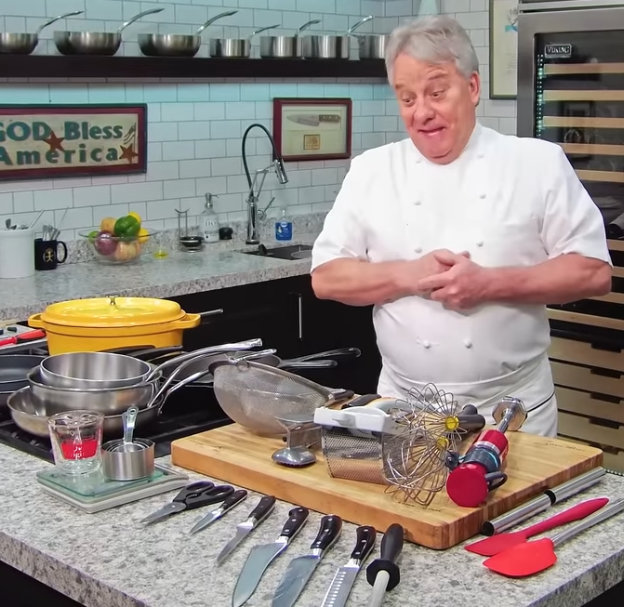
Chef Jean-Pierre, born in Aix-en-Provence, France, honed his culinary skills at a young age, mastering the art of charcuterie by the age of twelve. Determined to become a chef, he began his formal apprenticeship at L'Oustau de Baumaniere in Provence, one of the world’s best restaurants with a 3-star Michelin rating.
Jean-Pierre continued his apprenticeship on the French Riviera where he worked at famous restaurants, such as L’Oasis at La Napoule, Le Vendome in Aix-en-Provence, and the the Carlton in Cannes. In 1976, he opened The Left Bank Restaurant, consistently recognized as one of the best in America for 22 years by magazines like "Bon Appetit," "Conde Nast," "Gourmet Magazine" and "Travel & Leisure."
Jean-Pierre was also a popular TV personality, having hosted National Public Television series like "Incredible Cuisine” and "Sunshine Cuisine." He was also nominated for "Best Culinary Video" by the James Beard Foundation and operated the nationally renowned “Chef Jean-Pierre's Cooking School” and was a sought-after guest on shows like "The Today Show" and "Larry King Live."
With over 2 Million Subscribers to his Chef Jean-Pierre YouTube Channel, he is a widely respected figure in the culinary world, known for his skill and dedication to his craft, but even more so known for making gourmet cooking fun and easy to learn.
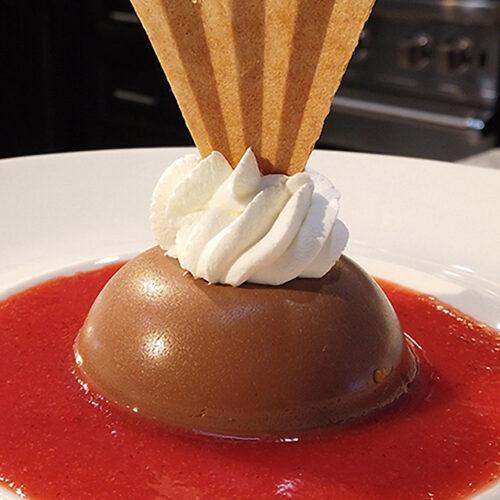
Dark Chocolate Panna Cotta Delicious Chocolate Panna Cotta served on top of a Fresh Strawberry Grand Marnier Sauce! Absolutely wonderful!
4 Comments
Victor Waggett
on June 15, 2025 at 2:07 pm
This was my first attempt at making soufflés. They came out looking ok but dropped like a stone. I obviously did something wrong. I have followed a lot of Chefs recipes and they’ve always turned out great. But I know for sure it’s something I’ve done wrong. I’m very disappointed. Sorry Chef I’ve let you down. 😞
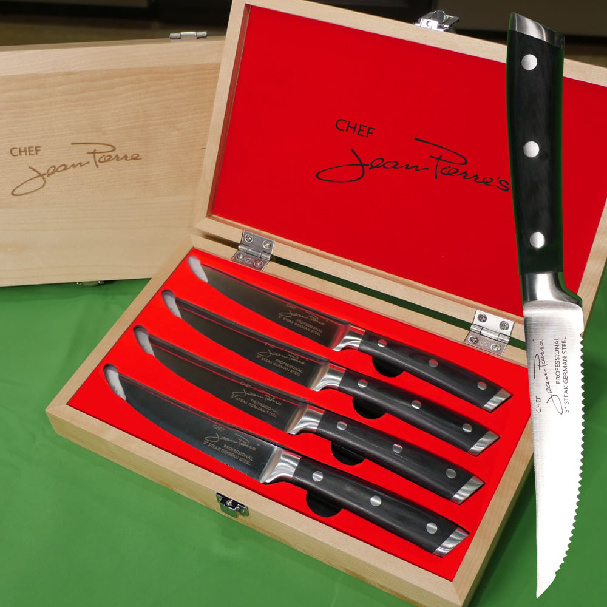
5-inch high-carbon German Stainless Steel blade will effortlessly slice through your steak, bread, vegetables, and fruits. The handle is ergonomically designed Pakka Wood. Makes a perfect gift presented in a beautifully crafted wooden box.














This was my first attempt at making soufflés. They came out looking ok but dropped like a stone. I obviously did something wrong. I have followed a lot of Chefs recipes and they’ve always turned out great. But I know for sure it’s something I’ve done wrong. I’m very disappointed. Sorry Chef I’ve let you down. 😞
Exquisite. What a wonderful page and presentation this is. Thanks, Chef Jean Pierre and your team.
Beautiful
Beautiful cake