Hello friends! Today, we’re making one of my absolute favorite Greek sauces — Tzatziki! Now, you might be wondering, what does a French-Italian chef like me know about Greek food? Well, you’d be surprised! I’ve been around the culinary block a few times, and let me tell you, this Tzatziki sauce recipe is as good as anything you’ll find in a Greek restaurant. It’s creamy, tangy, and loaded with refreshing cucumber and Greek yogurt.
The History of Tzatziki Sauce
The origins of Tzatziki sauce dates back to ancient Greece. This refreshing cucumber yogurt sauce, known as “tzatziki” (pronounced tsah-ZEE-kee), is a staple in Greek cuisine. It originated from the Ottoman Empire, where it was enjoyed as a cooling dip or sauce.
Over time, it became a beloved part of Greek food culture, celebrated for its fresh and simple ingredients. Today, you’ll find tzatziki served in Greek restaurants worldwide, bringing a taste of the Mediterranean to every table it graces.
How to Best Serve Tzatziki
So, you’ve made this fantastic tzatziki sauce, and now you’re wondering, “How do I serve this glorious creation?” The beauty of tzatziki lies in its versatility. Here are some of my favorite ways to enjoy it:
With Gyros and Kebabs
Tzatziki is a must-have condiment for gyros and kebabs. Whether you’re enjoying marinated chicken, beef, or lamb, a generous dollop of tzatziki sauce will elevate your meal to new heights. It adds a refreshing balance to the rich and savory flavors of grilled meats.
As a Dip For Fresh Vegetables
Tzatziki makes an excellent dip for fresh-cut vegetables, providing a creamy and tangy complement to the crisp and refreshing crunch of veggies. From broccoli florets and carrot sticks to cucumber slices and bell pepper strips. For some vegetable ideas and how to cut them check out How to Chop Vegetables Like a Chef.
With Crispy Potato Latkes
This might be a bit unconventional, but try serving tzatziki with Potato Latkes. The crispy, golden-brown Potatoes Latkes paired with the cool, tangy sauce is a combination you’ll want to experience again and again. Trust me, it’s a match made in snack heaven.
So, there you have it, this Tzatziki sauce recipe is so simple yet incredibly rewarding. It’s easy to whip up, versatile, and always a crowd-pleaser. Whether you’re dipping, spreading, or drizzling, tzatziki brings a touch of Mediterranean magic to any dish.
Tzatziki is a classic Greek cucumber sauce that's refreshing, tangy, and perfect for pairing with grilled meats, pita bread, or even as a dip for vegetables. This easy-to-make Tzatziki recipe ensures that you get a delicious, authentic taste right at home. Enjoy this creamy, garlicky delight with your favorite dishes!
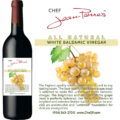
2teaspoonsWhite Balsamic Vinegar or White Wine Vinegar
1teaspoonFreshly Ground Black Pepper
2tablespoonsGarlic Olive Oil
1teaspoonLemon Zest
Adjust with Salt and Pepper to taste
Get Recipe Ingredients
Prevent your screen from going dark
Recipe Instructions
Begin by preparing the Cucumber: peel it, cut it in half lengthwise, and remove the seeds. Grate the cucumber and place it in a strainer over a bowl. Sprinkle with the salt to help draw out the water and let it sit for a couple of hours.
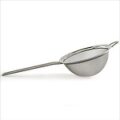
In a stainless steel strainer strain the Greek yogurt to remove excess liquid.
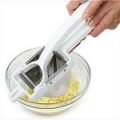
Once the cucumber has drained, squeeze out any remaining water using a cheesecloth or potato ricer.
In a large mixing bowl, combine the strained yogurt, grated cucumber, minced garlic, fresh dill, lemon juice, vinegar, salt, pepper, and olive oil. Add the lemon zest for a burst of fresh flavor. Mix everything together thoroughly.
Taste and adjust the seasoning if necessary. Let the Tzatziki sit in the refrigerator for at least 2 hours to allow the flavors to merry.
Serve chilled and enjoy!
Pro-Tips
Straining is Crucial
When making tzatziki, it's crucial to strain the yogurt and the cucumber. This step ensures that your sauce is thick and creamy, not watery. Use a cheesecloth or a fine-mesh sieve to strain the yogurt and squeeze the excess water from the grated cucumber.I promise this extra step makes a world of difference!
Bonus Pro-Tip - An Extra Burst of Flavor
For an extra burst of flavor, add some lemon zest to your tzatziki. The zest brings out the brightness of the lemon juice and adds a lovely aroma to the sauce. Just a little bit will do the trick, but if you’re like me and love lemon, feel free to add more to taste.
Equipment - You can find the items below at our online store!
Frequently Asked Questions About How To Make a Tzatziki Sauce Recipe
1. What is tzatziki sauce made of?
Tzatziki sauce is traditionally made with Greek yogurt, cucumber, garlic, olive oil, lemon juice, and fresh herbs like dill or mint. The yogurt provides a creamy base, while the cucumber adds a refreshing crunch. Garlic and olive oil bring depth of flavor, and the lemon juice adds a tangy kick. Fresh dill or mint gives the sauce its distinctive, aromatic taste. The combination of these simple ingredients results in a sauce that’s both rich and refreshing.
2. How do you prepare the cucumber for tzatziki?
To prepare the cucumber, peel it first if desired, and then grate it using a box grater. After grating, the cucumber needs to be drained to remove excess water. Place the grated cucumber in a cheesecloth or a fine-mesh sieve and press out as much liquid as possible. This step is crucial to avoid a watery tzatziki sauce. Squeezing out the water ensures a thick, creamy consistency that is perfect for dipping or spreading.
3. Can you use regular yogurt instead of Greek yogurt in a tzatziki sauce recipe?
While you can use regular yogurt, Greek yogurt is preferred because it has a thicker and creamier consistency. If you use regular yogurt, consider straining it to remove excess liquid and achieve a similar texture. Greek yogurt also has a tangier flavor which complements the other ingredients in tzatziki. If you opt for regular yogurt, ensure it’s full-fat for the best taste and texture.
4. Why is my tzatziki sauce watery?
Watery tzatziki usually results from not properly draining the cucumber or yogurt. Cucumbers contain a lot of water, and if not thoroughly squeezed out, this water will dilute the sauce. Similarly, if you use unstrained yogurt, it can add unnecessary moisture. To fix watery tzatziki, strain the yogurt through a cheesecloth and press out the cucumber’s water before mixing the ingredients.
5. How long does tzatziki sauce last in the fridge?
Tzatziki sauce can last up to 3-4 days when stored in an airtight container in the refrigerator. Over time, it may start to separate, but a quick stir will bring it back to its creamy consistency. Always use a clean spoon to scoop out portions to maintain freshness and prevent contamination.
6. Can you freeze tzatziki sauce?
Freezing tzatziki sauce is not recommended because the cucumber tends to become mushy, and the yogurt can separate upon thawing. If you must freeze it, expect a change in texture and stir well before serving. However, it’s best enjoyed fresh or stored in the fridge for a few days.
7. What can I serve with tzatziki sauce?
Tzatziki is incredibly versatile and can be served with a variety of dishes. It pairs well with grilled meats like chicken, lamb, or beef, and is a classic accompaniment to gyros and kebabs. It also makes a fantastic dip for fresh vegetables, pita bread, or pita chips. Additionally, you can use it as a spread for sandwiches and wraps or as a topping for baked potatoes.
8. Can you make tzatziki sauce recipe vegan?
Yes, tzatziki sauce can be made vegan by substituting Greek yogurt with a dairy-free alternative such as almond or coconut yogurt. Ensure the plant-based yogurt you choose is thick and creamy to mimic the texture of Greek yogurt. The rest of the ingredients remain the same, making it an easy vegan adaptation.
9. Is tzatziki sauce healthy?
Tzatziki sauce is relatively healthy, especially when made with Greek yogurt. It is high in protein and calcium, and contains probiotics that are good for gut health. The cucumbers add a dose of hydration and vitamins, while the garlic and herbs provide additional nutrients and antioxidants. Using full-fat yogurt does add some fat, but it also makes the sauce more satiating.
10. How do you thicken tzatziki sauce recipe?
To thicken tzatziki sauce, ensure you properly strain both the yogurt and cucumber before mixing. You can also add more Greek yogurt to achieve your desired thickness. If you find the sauce still too thin, let it sit in the refrigerator for a few hours; the yogurt will firm up as it chills.
11. What herbs are used in tzatziki sauce?
Fresh dill is the most common herb used in tzatziki sauce, but mint can also be added for a different flavor profile. Some recipes call for a combination of dill and mint. Both herbs contribute a refreshing, aromatic quality that enhances the sauce’s overall taste.
12. Can you make a tzatziki sauce recipe with sour cream?
Yes, you can substitute Greek yogurt with sour cream to make tzatziki. Sour cream will give the sauce a slightly different flavor and a creamier texture. This variation can be a delightful twist, especially if you prefer the taste of sour cream over yogurt.
13. What type of cucumber is best in a tzatziki sauce recipe?
English cucumbers are ideal for tzatziki because they have thinner skins and fewer seeds compared to regular cucumbers. This makes them easier to grate and strain, and they contribute a milder flavor and better texture to the sauce. If using regular cucumbers, you may need to peel and seed them before grating.
14. How do you store tzatziki sauce?
Store tzatziki sauce in an airtight container in the refrigerator. It’s important to keep it well-covered to prevent it from drying out or absorbing other odors. Stored this way, it can last for up to 3-4 days.
15. Why is my tzatziki sauce recipe bland?
If your tzatziki sauce tastes bland, you might need to adjust the seasoning. Add more salt, garlic, or dill to enhance the flavors. A little extra lemon juice can also brighten up the sauce. Remember to taste and adjust as you go to achieve the perfect balance.
16. Can I use dried herbs in my tzatziki sauce recipe?
Yes, dried herbs can be used if fresh ones are not available. Dried dill or mint can substitute fresh herbs, but use them sparingly as they are more concentrated in flavor. Generally, 1 teaspoon of dried herbs can replace 1 tablespoon of fresh herbs.
17. What does tzatziki sauce taste like?
Tzatziki has a creamy, tangy, and refreshing taste. The Greek yogurt provides a rich, tart base, while the cucumber adds a cool, crisp texture. Garlic and lemon juice give it a zesty kick, and the fresh dill or mint adds a herby, aromatic finish. The combination of these flavors makes tzatziki a versatile and delightful sauce.
18. How can I make my tzatziki sauce recipe more flavorful?
To enhance the flavor of tzatziki, ensure your ingredients are fresh. Adding a bit more garlic, lemon zest, or even a touch of vinegar can elevate the taste. Freshly chopped dill or mint can also boost the herbaceous notes. Letting the sauce sit in the fridge for a few hours before serving allows the flavors to meld together.
19. What is the origin of tzatziki sauce?
Tzatziki originated in the Ottoman Empire and has become a staple in Greek cuisine. It is commonly enjoyed in various forms across Greece, the Balkans, Turkey, and the Middle East. Each region has its variations, but the core ingredients of yogurt, cucumber, and garlic remain the same.
20. Can I use flavored yogurt in a tzatziki sauce recipe?
It’s best to use plain Greek yogurt for tzatziki. Flavored yogurts, especially sweet ones, can alter the taste significantly and may not pair well with the savory ingredients. If you want to experiment, try using plain yogurt infused with herbs or a bit of lemon for a subtle variation.
Chef Jean-Pierre, born in Aix-en-Provence, France, honed his culinary skills at a young age, mastering the art of charcuterie by the age of twelve. Determined to become a chef, he began his formal apprenticeship at L'Oustau de Baumaniere in Provence, one of the world’s best restaurants with a 3-star Michelin rating.
Jean-Pierre continued his apprenticeship on the French Riviera where he worked at famous restaurants, such as L’Oasis at La Napoule, Le Vendome in Aix-en-Provence, and the the Carlton in Cannes. In 1976, he opened The Left Bank Restaurant, consistently recognized as one of the best in America for 22 years by magazines like "Bon Appetit," "Conde Nast," "Gourmet Magazine" and "Travel & Leisure."
Jean-Pierre was also a popular TV personality, having hosted National Public Television series like "Incredible Cuisine” and "Sunshine Cuisine." He was also nominated for "Best Culinary Video" by the James Beard Foundation and operated the nationally renowned “Chef Jean-Pierre's Cooking School” and was a sought-after guest on shows like "The Today Show" and "Larry King Live."
With over 2 Million Subscribers to his Chef Jean-Pierre YouTube Channel, he is a widely respected figure in the culinary world, known for his skill and dedication to his craft, but even more so known for making gourmet cooking fun and easy to learn.
5-inch high-carbon German Stainless Steel blade will effortlessly slice through your steak, bread, vegetables, and fruits. The handle is ergonomically designed Pakka Wood. Makes a perfect gift presented in a beautifully crafted wooden box.