Hello, friends! Today, we’re diving into a soup that many of you have eagerly requested: the Manhattan Clam Chowder. After our New England Clam Chowder became a smashing hit, it’s only right to bring you its vibrant cousin, Manhattan style.
Unlike its creamy counterpart, this chowder boasts a lively, tomato-based broth, brimming with the same beloved clams but with a tangy twist. I’m thrilled to guide you through crafting this delightful dish, especially since we’ll be starting from scratch, creating our own clam juice with fresh clams and a splash of white wine. Delicious, right?
Manhattan Clam Chowder Compared to New England Clam Chowder
I have an amazing New England Style Clam Chowder Recipe you may also want to try. Unlike New England Clam Chowder, which is known for its creamy, thick base, Manhattan Clam Chowder dances to the beat of a different drum with its clear, tomato-infused broth. This not only gives it a distinct red hue but also introduces a tangy flavor that complements the clams in a whole new way. It’s a lighter alternative, yet it doesn’t skimp on flavor or heartiness.
Originating from the East Coast, this variation has stirred some friendly rivalry among chowder enthusiasts. But one thing is for sure: it’s a recipe that has captured the hearts of many, and I’m here to show you how to capture that essence in your kitchen.
Serving the Perfect Bowl of Manhattan Clam Chowder
The best way to serve Manhattan Clam Chowder, I find, is piping hot, allowing the flavors to come alive. A crusty piece of bread or a warm dinner roll on the side can do wonders for soaking up the delicious broth.
But before we dive into the serving, let’s talk about the heart of our recipe – the clams. Giving them a ‘bath’ in white wine and herbs not only flavors the clams but also creates a clam juice that’s rich, aromatic, and irreplaceable in depth. This golden liquid forms the backbone of our chowder and elevates it from good to unforgettable.
Pairing Manhattan Clam Chowder With Main and Side Dishes
When it comes to pairing, Manhattan Clam Chowder is versatile. It can stand as a hearty meal on its own or be paired with a variety of main dishes and sides. For a truly satisfying meal, consider serving it alongside a fresh, crisp salad or a selection of grilled vegetables.
If you’re leaning towards seafood, a light, succulent fish such as Butter Poached Salmon or a Blacken Fish Fillet would complement the chowder’s flavors without overwhelming them. And for those who love sandwiches, how about a Toasty Tuna Melt Sandwich for a lunch that’s hard to beat.
Pro-Tip for the Ultimate Manhattan Chowder Recipe Experience – Mise en Place
When making your chowder, remember the importance of mise en place – having all your ingredients prepped and ready to go. This not only streamlines the cooking process but also ensures that you can enjoy the experience without any unnecessary stress.
And when it comes to the clams, give them the respect they deserve. These aren’t just any ingredients; they’re the stars of the show. Treat them well, from the bath to the pot, and they’ll reward you with incredible flavor.
Bonus Pro-Tip: Maximizing the Flavor of Your Manhattan Clam Chowder
Don’t rush the sautéing of your onions and don’t skimp on the simmering time. These steps are crucial for developing the chowder’s rich, complex flavor profile. And when it comes to seasoning, be bold but thoughtful. The right balance of herbs, salt, and that pinch of cayenne can elevate your chowder from good to unforgettable.
Whether you’re a seasoned chef or a curious cook, this Manhattan Clam Chowder recipe is designed to impress. With its rich flavors, hearty ingredients, and vibrant history, it’s more than just a meal; it’s a celebration of coastal cuisine.
Experience the vibrant flavors of Manhattan Clam Chowder, a tomato-based soup that stands out from its creamy New England cousin. This version, enriched with homemade clam juice, offers authenticity and depth with every spoonful, making it perfect for those who appreciate a heartier, broth-based soup.
Frequently Asked Questions About Manhattan Clam Chowder
1. What is Manhattan Clam Chowder?
Manhattan Clam Chowder is a tomato-based soup that features clams, diced tomatoes, onions, celery, and potatoes. Unlike its creamy New England counterpart, Manhattan Clam Chowder has a clear, broth-like consistency with a tangy tomato flavor. This soup is a staple in American cuisine, particularly along the Eastern seaboard.
The origins of Manhattan Clam Chowder trace back to the arrival of Portuguese and Italian immigrants in the United States, who brought with them recipes that heavily featured tomatoes. Over time, these tomato-based recipes were combined with the traditional clam chowder of the Northeastern United States, resulting in the Manhattan style known today.
2. What are the main differences between Manhattan and New England Clam Chowder?
The main difference between Manhattan and New England Clam Chowder lies in the base of the soup. Manhattan Clam Chowder has a tomato-based broth, making it lighter and tangier, while New England Clam Chowder is known for its creamy, milk or cream-based broth.
Another difference is in the texture and color; Manhattan Clam Chowder is generally thinner and has a distinct red hue due to the tomatoes, whereas New England Clam Chowder is thicker and cream-colored. The choice between the two often comes down to personal preference regarding texture and taste.
3. Is Manhattan Clam Chowder healthy?
Manhattan Clam Chowder can be considered a healthier option compared to its creamy New England counterpart due to its tomato-based broth, which contains fewer calories and less fat. The soup is rich in vitamins and minerals from the vegetables and clams, such as vitamin C, potassium, and iron. Clams are also a good source of lean protein and omega-3 fatty acids, which are beneficial for heart health.
However, the healthiness of the chowder can vary depending on the recipe and preparation. To make a healthier version, use low-sodium broth and fresh ingredients. Be mindful of the amount of salt and oil used in cooking, and consider adding more vegetables to increase the soup’s fiber and nutrient content.
4. How long does Manhattan Clam Chowder last in the fridge?
Manhattan Clam Chowder can last in the refrigerator for up to three days when stored properly. It should be cooled to room temperature before being placed in an airtight container and refrigerated. When reheating, bring the chowder to a simmer over medium heat, stirring occasionally.
It’s important to note that the quality of the chowder may diminish over time, with vegetables becoming softer and flavors melding. Therefore, it’s best enjoyed within the first couple of days after cooking for the best taste and texture.
5. Can Manhattan Clam Chowder be frozen?
Yes, Manhattan Clam Chowder can be frozen, although the texture of the vegetables may change slightly upon reheating. To freeze, let the chowder cool completely after cooking, then transfer it to airtight containers or heavy-duty freezer bags. Leave some space for expansion, seal tightly, and freeze.
When ready to eat, thaw the chowder in the refrigerator overnight. Reheat it slowly on the stove over low heat, stirring occasionally to prevent sticking and ensure even warming. It’s important to note that potatoes may become softer or grainier after freezing and reheating, but the soup will still be tasty.
6. What are the best clams to use for Manhattan Clam Chowder?
The best clams for Manhattan Clam Chowder are typically hard-shell varieties such as quahogs or cherrystones. These clams are meatier and hold up well during the cooking process. If using fresh clams, they should be scrubbed clean and steamed until they open, then chopped into bite-sized pieces. The clam juice can be strained and added to the chowder for additional flavor.
Canned clams are a convenient alternative and work well in the soup. They should be drained, but the juice should be reserved and used as part of the broth for the chowder. Whether using fresh or canned, ensure the clams are added towards the end of the cooking process to prevent them from becoming tough and chewy.
7. How can I thicken Manhattan Clam Chowder?
While Manhattan Clam Chowder is traditionally thinner than its New England counterpart, you can thicken it slightly if desired. One method is to mash some of the cooked potatoes directly in the pot and stir them back into the soup. Another method is to mix a small amount of cornstarch with water to create a slurry, then gradually stir this mixture into the simmering chowder until the desired thickness is reached.
It’s important to avoid over-thickening, as the hallmark of Manhattan Clam Chowder is its lighter, brothier consistency compared to cream-based chowders. If you prefer a thicker soup, however, these methods can help achieve that texture without deviating too far from the traditional recipe.
8. Can I add other seafood to Manhattan Clam Chowder?
Yes, you can add other seafood to Manhattan Clam Chowder to create a more varied and luxurious dish. Common additions include shrimp, scallops, or chunks of firm white fish such as cod or halibut. These should be added towards the end of the cooking process, as they require less time to cook than the vegetables and clams.
When adding other seafood, be mindful of the cooking times to ensure everything is cooked through but not overdone. The additional seafood can enhance the flavor and texture of the chowder, making it even more of a seafood lover’s delight.
9. Why is it called Manhattan Clam Chowder?
Manhattan Clam Chowder gets its name from its distinct tomato-based broth, which sets it apart from the cream-based New England Clam Chowder. The “Manhattan” label is believed to have been coined as a sort of culinary rivalry, distinguishing it from the New England variety. The exact origins of the name are a bit murky, but it’s widely accepted that the addition of tomatoes to the traditional clam chowder recipe created a distinctly different soup that warranted its own geographic designation.
The introduction of tomatoes to the clam chowder is attributed to Italian immigrants in the New York area, which might explain the association with Manhattan. Despite its name, this chowder is enjoyed across the United States, particularly in the Northeastern regions.
10. What herbs and spices are typically used in Manhattan Clam Chowder?
Manhattan Clam Chowder is typically seasoned with a variety of herbs and spices that enhance its savory, briny flavors. Common herbs include thyme, bay leaves, and parsley, which add depth and a hint of freshness to the soup. Some recipes also call for a touch of oregano or basil, contributing to the chowder’s Italian-inspired flavor profile.
As for spices, black pepper is a must for adding a bit of heat, while some cooks like to include a pinch of crushed red pepper flakes for additional spice. Garlic is often used to add depth, and some recipes may call for a dash of Old Bay seasoning for an extra layer of flavor. The key is to balance the herbs and spices so that no single flavor overwhelms the delicate taste of the clams and vegetables.
11. Is Manhattan Clam Chowder traditionally served hot or cold?
Manhattan Clam Chowder is traditionally served hot. The warm broth is comforting and enhances the flavors of the clams, vegetables, and herbs. Serving the chowder hot also allows the aromas to emerge, making the eating experience more enjoyable. While some cold soups are popular, particularly in the summer months, Manhattan Clam Chowder is not typically one of them.
However, like many soups, it can be eaten cold if preferred, but this is not the traditional method of serving. When served cold, the flavors may not be as pronounced, and the texture of the vegetables and clams can change.
12. Can I use bottled clam juice in Manhattan Clam Chowder?
Yes, bottled clam juice can be used in Manhattan Clam Chowder and is, in fact, a common ingredient in many recipes, especially when fresh clams are not available. Bottled clam juice adds a deep, seafood flavor to the chowder that is essential for its characteristic taste. When using bottled clam juice, it’s important to adjust the seasoning of your chowder, as the juice can be quite salty.
If using bottled clam juice, consider combining it with a vegetable or chicken broth to balance the flavors. Always taste the chowder as you cook and adjust the seasoning as necessary to ensure a well-rounded flavor profile.
13. How can I make a vegetarian version of Manhattan Clam Chowder?
To make a vegetarian version of Manhattan Clam Chowder, you can substitute the clams with a variety of hearty vegetables such as mushrooms, zucchini, and bell peppers, which can mimic the texture and bulk of clams. Instead of clam juice, use vegetable broth as the base for the soup. You can also add seaweed or kelp flakes to impart a subtle seafood flavor without using actual fish or shellfish.
Season the chowder with the traditional herbs and spices, and consider adding a splash of soy sauce or miso paste for additional depth and umami flavor. This vegetarian version will still have the comforting and hearty qualities of the traditional chowder while being completely plant-based.
14. What makes Manhattan Clam Chowder different from other tomato-based soups?
While Manhattan Clam Chowder is tomato-based, it is distinct from other tomato soups due to its specific combination of ingredients and flavors. The presence of clams, clam juice, and a variety of vegetables like potatoes, onions, and celery, along with the seasoning blend of thyme, bay leaves, and pepper, sets it apart from a standard tomato soup.
Additionally, Manhattan Clam Chowder has a unique briny flavor from the clams that is not found in other tomato-based soups. The balance between the acidity of the tomatoes and the saltiness of the clam juice creates a complex flavor profile that is both refreshing and hearty.
15. Can I make Manhattan Clam Chowder without potatoes?
Yes, you can make Manhattan Clam Chowder without potatoes, although they are traditionally included for their texture and ability to thicken the soup. If you’re avoiding potatoes, you can substitute other root vegetables such as turnips, parsnips, or carrots to maintain the chowder’s hearty texture. Alternatively, you can simply omit the potatoes and enjoy a thinner, more broth-like chowder.
Keep in mind that removing the potatoes will change the traditional texture of the chowder. However, this can be a good way to cater to different dietary needs or preferences while still enjoying the flavors of Manhattan Clam Chowder.
Chef Jean-Pierre, born in Aix-en-Provence, France, honed his culinary skills at a young age, mastering the art of charcuterie by the age of twelve. Determined to become a chef, he began his formal apprenticeship at L'Oustau de Baumaniere in Provence, one of the world’s best restaurants with a 3-star Michelin rating.
Jean-Pierre continued his apprenticeship on the French Riviera where he worked at famous restaurants, such as L’Oasis at La Napoule, Le Vendome in Aix-en-Provence, and the the Carlton in Cannes. In 1976, he opened The Left Bank Restaurant, consistently recognized as one of the best in America for 22 years by magazines like "Bon Appetit," "Conde Nast," "Gourmet Magazine" and "Travel & Leisure."
Jean-Pierre was also a popular TV personality, having hosted National Public Television series like "Incredible Cuisine” and "Sunshine Cuisine." He was also nominated for "Best Culinary Video" by the James Beard Foundation and operated the nationally renowned “Chef Jean-Pierre's Cooking School” and was a sought-after guest on shows like "The Today Show" and "Larry King Live."
With over 2 Million Subscribers to his Chef Jean-Pierre YouTube Channel, he is a widely respected figure in the culinary world, known for his skill and dedication to his craft, but even more so known for making gourmet cooking fun and easy to learn.
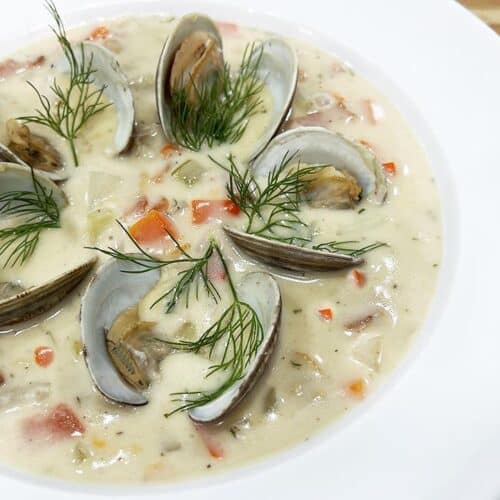
New England Clam Chowder Recipe Clam chowder is the perfect soup for any season! Hearty and filling, it's perfect for a cold winter night. But it's also a great…
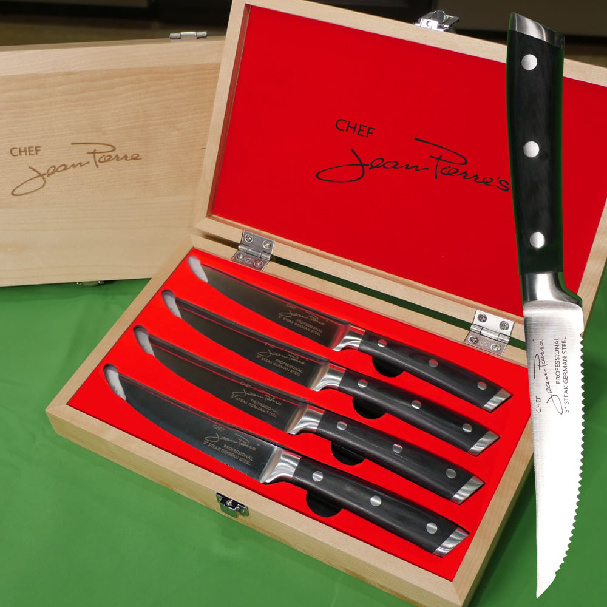
5-inch high-carbon German Stainless Steel blade will effortlessly slice through your steak, bread, vegetables, and fruits. The handle is ergonomically designed Pakka Wood. Makes a perfect gift presented in a beautifully crafted wooden box.









Thank you as always for sharing such wonderful recipes that bring me back to when I was a child in Rhode Island!