Hello, friends! Today, I’m thrilled to share with you a recipe that holds a special place in my heart – Beef Braciole. This isn’t just any recipe; it’s a legacy passed down from my beloved grandmother, a testament to the rich culinary traditions of Italy. Beef Braciole, or “Braciola” in singular form, is a sumptuous dish featuring thin slices of beef, rolled with a savory filling and braised to perfection in a robust tomato sauce. Imagine tender beef enveloping a heartwarming blend of herbs, cheese, and cured meats, all simmering slowly in a sauce that’s bursting with flavor. It’s not just a meal; it’s an experience, a celebration of love and heritage on a plate.
The Origins of Braciole
Diving into the origins, Beef Braciole is a dish steeped in Italian culinary history. Originating from the southern regions, particularly in Naples and Sicily, Braciole was the Sunday feast that brought families together. Each slice of meat, each stir of the sauce, carries the stories and traditions of Italian kitchens. My grandmother, with her skilled hands and generous heart, introduced me to this masterpiece, teaching me that cooking is not just about feeding the body but also nourishing the soul.
Serving the Braciole
Serving Beef Braciole is an art in itself. After hours of gentle braising, the meat becomes tender, infused with the flavors of the filling and the richness of the tomato sauce. But the magic doesn’t stop there. The true beauty of Braciole lies in its presentation and accompaniments. Traditionally served as a second course, it’s often accompanied by a side of creamy polenta or a serving of al dente pasta, making it a well-rounded, satisfying meal. The sauce, thickened and flavored by the long hours of cooking, is poured over the slices of braciole, creating a dish that’s as visually appealing as it is delicious.
Perfect Pairings
When it comes to side dishes, Beef Braciole pairs beautifully with a variety of options. A simple, crisp salad can balance the richness of the meat, while roasted vegetables or a side of garlic bread can complement the savory flavors. For wine enthusiasts, a full-bodied red wine, such as a Chianti or Barolo, makes an excellent companion, enhancing the deep flavors of the Braciole and sauce.
Pro-Tip: Mastering the Meat
To achieve the perfect Braciole, selecting and preparing the meat is crucial. Opt for top or bottom round cuts for their lean texture and ability to absorb flavors. Don’t shy away from pounding the meat to the right thinness; it’s not just about tenderizing, but also about creating the perfect canvas for your filling. Remember, the thinner the meat, the more delicate and flavorful the roll.
Bonus Pro-Tip: The Art of Rolling
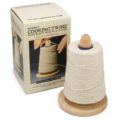
Rolling the Braciole is where your culinary skills shine. Spread the filling evenly, leaving a small border to prevent spillage. Roll tightly to ensure the filling stays encased, and secure with twine – not too tight, but just enough to hold its shape. This ensures even cooking and a beautiful presentation when sliced.
A Final Touch
Remember, friends, cooking is more than following a recipe; it’s about pouring your heart into the dish. Each step, from slicing the meat to simmering the sauce, is a step towards creating a meal that’s rich in flavors and traditions. So, embrace the process, share the experience with loved ones, and most importantly, enjoy every bite of this exquisite beef Braciole.
Experience the rich flavors of an Italian classic with this Beef Braciole recipe, straight from my grandmother's kitchen. Tender beef is expertly stuffed with prosciutto ham and simmered in a succulent tomato sauce, ensuring a dish that's brimming with tradition and taste. This time-honored method promises a meal that's both heartwarming and delicious.
2poundsBottom Round Beef, thinly sliced and pounded
Salt & Pepper, to taste
2cupsBasil, fresh
8Garlic Cloves
½cupPesto, Garlic or Extra Virgin Olive Oil
½cupPecorino Romano Cheese, finely grated
½cupParmesan Reggiano cheese, finely grated
1cupFresh Breadcrumbs
Zest of 1 Lemon
1/4cupPine Nuts, toasted
4slicesProsciutto
8slicesSalami de Genoa
For the Tomato Sauce:
1tablespoonOlive Oil
1largeOnion, finely chopped
2Garlic Cloves, minced
2cans36 ounces each, Peeled Tomatoes, Italian
1can28 ounce, Tomato Puree
Basil Leaves, to taste
1tablespoonFresh Thyme, chopped
Olive Oil, for sautéing
Salt & Pepper, to taste
Get Recipe Ingredients
Prevent your screen from going dark
Recipe Instructions
Preheat Oven to 350°F (175°C)
Remove any silver skin and excess fat from the beef and slice thinly. If necessary, pound the slices between plastic wrap to an even thickness of about 1/8 inch (3mm).
In a food processor (or a mortar and pestle) blend basil, garlic, olive oil, cheeses, breadcrumbs, and lemon zest. Blend until a paste forms and stir in toasted pine nuts by hand to preserve their texture.
Season each beef slice with salt and pepper. Spread a thin layer of the filling mixture over the beef, leaving edges clear. Place a slice of prosciutto and salami on each piece. Roll tightly and secure with kitchen twine. In a Dutch oven or a frying pan, heat olive oil and brown the braciole rolls on all sides to develop a rich color and flavor. Remove and set aside.
In the same pot, sauté onion until light golden brown. Add garlic and cook until fragrant. Add peeled tomatoes and tomato puree to the pot. Tear in some fresh basil leaves, add thyme, salt, and pepper. Bring to a simmer. Submerge the browned braciole rolls in the tomato sauce. Cover and transfer to the preheated oven. Braise for 2.5 to 3.5 hours, until the meat is tender.
Remove the twine from the braciole. Serve hot with a side of polenta cake and spoon over some of the rich tomato sauce. Garnish with fresh parsley or basil as desired.
Savor this homage to Italian culinary heritage, where the meticulously slow-cooked beef pairs exquisitely with the depth of a homemade tomato sauce. This dish is perfect for those special meals that call for something truly memorable.
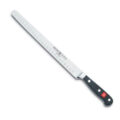
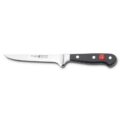
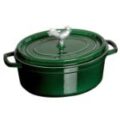
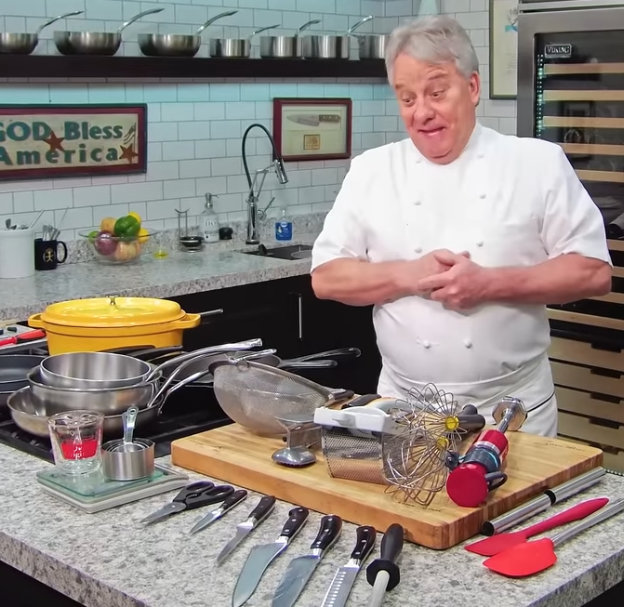
Equipment - You can find the items below at our online store!
Beef Braciole is a classic Italian dish that consists of thin slices of beef rolled with a mixture of herbs, cheese, and sometimes cured meats like prosciutto or salami. This roll is then seared and slowly cooked in a rich tomato sauce until the meat is tender and infused with flavor. The dish is a staple in Italian-American households and is often served during special occasions and family gatherings.
The preparation of Braciole highlights the Italian culinary principle of using simple, quality ingredients to create deeply flavorful and satisfying dishes. The beef used is typically a top or bottom round, which is lean and benefits from the slow cooking process, becoming tender and juicy. The filling can vary based on family traditions and regional differences, but it usually includes garlic, parsley, Parmesan or Pecorino cheese, and breadcrumbs, contributing to the Braciole’s distinctive taste and texture.
2. Where did Beef Braciole originate?
Beef Braciole has its roots in Southern Italy, particularly in regions like Naples and Sicily, where it is known as “Involtini” or “Braciola.” The concept of rolling meat with a filling and cooking it in sauce is a common technique in Italian cooking, reflecting the country’s emphasis on resourcefulness and flavor. Originally, this dish was a way to extend the flavors of scarce and expensive ingredients like meat and cheese.
Over time, as Italian immigrants brought their culinary traditions to other countries, Braciole evolved and adapted to new environments, ingredients, and tastes, especially in the United States. In Italy, the dish might be made with different types of meat, such as pork or veal, and the fillings and sauces can vary widely from one region to another. However, the essence of Braciole as a hearty, comforting dish that brings families together remains unchanged.
3. How is Beef Braciole traditionally served?
Traditionally, beef braciole is served as a main course, often accompanied by pasta or polenta. In many Italian-American families, Braciole is a centerpiece of Sunday dinner, a weekly gathering that brings family members together to enjoy a leisurely and abundant meal. The Braciole is typically sliced into rounds, showcasing the beautiful spiral of the filling, and served with generous spoonfuls of the tomato sauce it was cooked in.
The choice of side dishes can vary, but they are usually chosen to complement the rich flavors of the Braciole and its sauce. Simple, lightly dressed greens can provide a refreshing contrast, while roasted or sautéed vegetables add color and variety to the meal. Whatever the accompaniments, Braciole is meant to be enjoyed slowly, savoring each bite and the company of loved ones.
4. What are the key ingredients in a Beef Braciole filling?
The key ingredients in a Beef Braciole filling typically include breadcrumbs, Parmesan or Pecorino cheese, garlic, parsley, and sometimes pine nuts or raisins for added texture and flavor. The exact ingredients can vary based on family recipes and regional traditions. The breadcrumbs help bind the filling, while the cheese adds a savory depth. Garlic and parsley bring freshness and brightness, balancing the richness of the meat and cheese.
Some variations of the filling might include chopped hard-boiled eggs, cured meats like prosciutto or salami, or different herbs and spices. The filling is spread over the pounded slices of beef, which are then rolled and secured with string or toothpicks before being browned and simmered in tomato sauce. The result is a dish that’s rich in flavor and texture, with each component playing a crucial role in the overall taste.
5. Can Beef Braciole be made ahead of time?
Yes, Beef Braciole is an excellent dish for making ahead of time, as the flavors continue to develop and meld when the dish is refrigerated. You can prepare and cook the Braciole one or two days before serving, then reheat it gently in the tomato sauce on the stove over low heat. This not only makes meal planning more manageable but also enhances the dish’s taste, as the beef has more time to absorb the flavors of the filling and sauce.
When making Braciole ahead of time, ensure it is stored properly in the refrigerator, and covered tightly to prevent it from drying out. Before serving, you may need to add a little water or additional tomato sauce to the pan to ensure the Braciole remains moist and flavorful during reheating. This make-ahead aspect makes Braciole a convenient option for entertaining or for preparing a comforting family meal during a busy week.
6. What cuts of beef are best for Braciole?
The best cuts of beef for Braciole are those that are lean and benefit from slow cooking, such as top round or bottom round. These cuts are relatively inexpensive and become tender and flavorful when cooked slowly in the sauce. The meat should be sliced thin, about ¼ to ½ inch thick, to allow it to roll easily and cook evenly. If the slices are too thick, they can be pounded gently between sheets of plastic wrap to the desired thinness.
It’s important to choose a cut that has enough surface area to hold the filling once it’s rolled up. Butchers or meat departments at grocery stores can often slice and prepare the meat for Braciole upon request. Using the right cut of beef ensures that the Braciole will be tender, moist, and full of flavor after cooking.
7. How long does Beef Braciole need to cook?
Beef Braciole needs to be cooked slowly and gently to ensure that the meat becomes tender and the flavors of the filling and sauce fully develop. Typically, Braciole is browned on all sides in a skillet before being transferred to a pot of simmering tomato sauce. The total cooking time can vary depending on the size and thickness of the rolls, but generally, Braciole should simmer in the sauce for at least 1½ to 2 hours.
The low and slow cooking process allows the meat to become tender without falling apart, while also allowing the flavors of the sauce to penetrate the beef. It’s important to keep the heat at a low simmer and to check the Braciole occasionally to ensure it’s cooking evenly and the sauce isn’t reducing too much. If the sauce becomes too thick, you can add a little water or broth to thin it out.
8. Can Braciole be frozen?
Yes, Braciole can be frozen, making it a great dish to prepare in large batches for future meals. Once the Braciole has cooled completely, it can be transferred to airtight containers or heavy-duty freezer bags, along with some of the tomato sauce to keep it moist. When properly stored, frozen Braciole can last for up to 3 months.
To serve, thaw the Braciole in the refrigerator overnight, then reheat it gently on the stove in a saucepan with the tomato sauce. You may need to add a bit more sauce or water to ensure the Braciole remains moist and flavorful during reheating. Freezing and reheating Braciole can be a convenient way to enjoy this comforting dish with minimal preparation on busy days.
9. What are common variations of Braciole?
While the basic concept of Braciole involves rolling meat with a filling and cooking it in sauce, there
are many regional and family variations of the dish. In different parts of Italy, braciole may be made with pork, veal, or even chicken, instead of beef. The fillings can vary widely, including different cheeses, herbs, and additional ingredients like mushrooms, spinach, or sun-dried tomatoes.
Some variations of Braciole are cooked in white wine sauces or other types of broth instead of tomato sauce. Additionally, the spices and herbs used in the filling and sauce can vary based on personal preferences and regional traditions. These variations allow for a wide range of flavors and textures, making Braciole a versatile dish that can be adapted to suit different tastes and occasions.
10. Is Braciole considered a healthy dish?
Beef Braciole can be part of a balanced diet, especially when made with lean cuts of beef and served with healthy side dishes like vegetables or salad. The dish is high in protein and can be adjusted to reduce fat and calories by using less cheese or breadcrumbs in the filling and choosing a lower-fat cut of beef. However, like many traditional dishes, Braciole is often enjoyed for its flavor and cultural significance rather than its health benefits.
To make a healthier version of Braciole, you can use whole grain breadcrumbs, increase the amount of herbs and vegetables in the filling, and serve smaller portions. Accompanying the Braciole with a side of steamed vegetables or a fresh salad can also help balance the meal. As with any dish, moderation is key, and Braciole can be enjoyed as part of a varied and balanced diet.
Chef Jean-Pierre, born in Aix-en-Provence, France, honed his culinary skills at a young age, mastering the art of charcuterie by the age of twelve. Determined to become a chef, he began his formal apprenticeship at L'Oustau de Baumaniere in Provence, one of the world’s best restaurants with a 3-star Michelin rating.
Jean-Pierre continued his apprenticeship on the French Riviera where he worked at famous restaurants, such as L’Oasis at La Napoule, Le Vendome in Aix-en-Provence, and the the Carlton in Cannes. In 1976, he opened The Left Bank Restaurant, consistently recognized as one of the best in America for 22 years by magazines like "Bon Appetit," "Conde Nast," "Gourmet Magazine" and "Travel & Leisure."
Jean-Pierre was also a popular TV personality, having hosted National Public Television series like "Incredible Cuisine” and "Sunshine Cuisine." He was also nominated for "Best Culinary Video" by the James Beard Foundation and operated the nationally renowned “Chef Jean-Pierre's Cooking School” and was a sought-after guest on shows like "The Today Show" and "Larry King Live."
With over 2 Million Subscribers to his Chef Jean-Pierre YouTube Channel, he is a widely respected figure in the culinary world, known for his skill and dedication to his craft, but even more so known for making gourmet cooking fun and easy to learn.
I made this for our Easter Italian American family get together this year. It was fun to make and tasted tender and wonderful. I’d never made it or even eaten it before. Thanks chef Jean Pierre for the fun and flawless video and printed recipe. It will go in my permanent collection.
Delicious..worth the effort and fun to make together with the family…we then headed out for a walk for a couple of hours while it cooked. Smelled great when we came back. Perfect with a super Tuscan red.
Thank you for all the very interesting dish you. I had my own restaurant for 8 years. I loved cooking for everyone. I just lost my husband a 3 months ago, and watching your show gives comfort. Keep up your love for food.
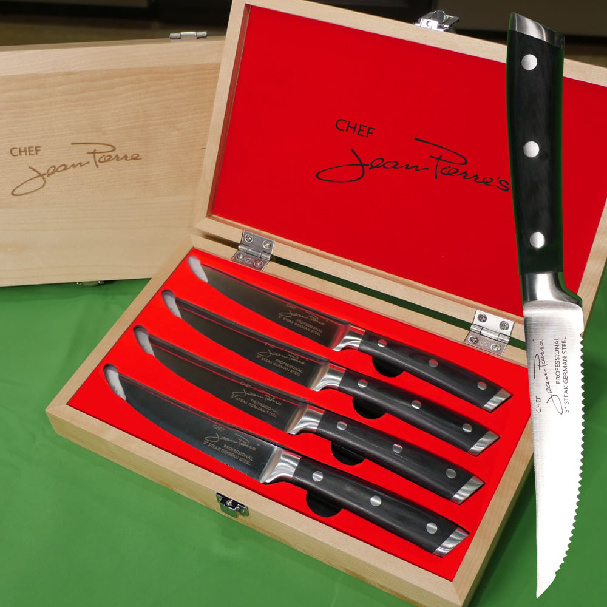
5-inch high-carbon German Stainless Steel blade will effortlessly slice through your steak, bread, vegetables, and fruits. The handle is ergonomically designed Pakka Wood. Makes a perfect gift presented in a beautifully crafted wooden box.
















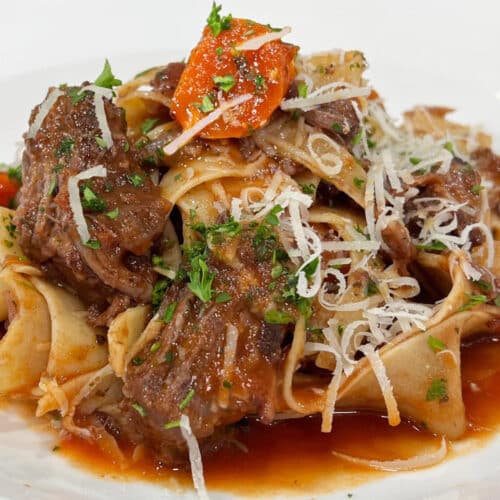
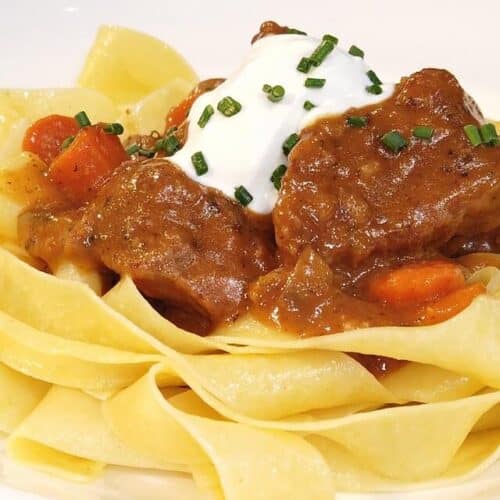
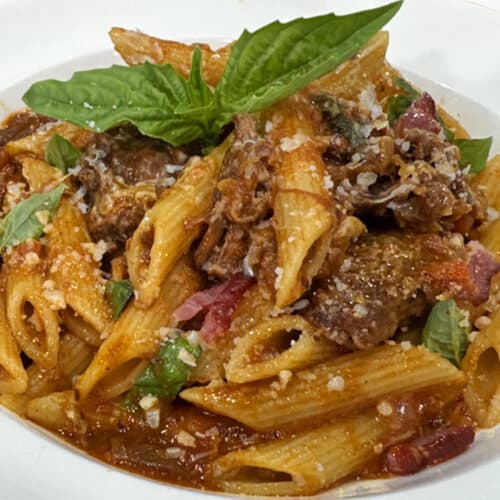


I made this for our Easter Italian American family get together this year. It was fun to make and tasted tender and wonderful. I’d never made it or even eaten it before. Thanks chef Jean Pierre for the fun and flawless video and printed recipe. It will go in my permanent collection.
I made this recipe and it was fantastic. I used sirloin steaks but they weren’t wide enough. They worked but next time I will use top or round roast.
Great recipe.
Delicious..worth the effort and fun to make together with the family…we then headed out for a walk for a couple of hours while it cooked. Smelled great when we came back. Perfect with a super Tuscan red.
Thank you for all the very interesting dish you. I had my own restaurant for 8 years. I loved cooking for everyone. I just lost my husband a 3 months ago, and watching your show gives comfort. Keep up your love for food.