Hello friends! Today, I’m excited to share with you the secrets of one of my all-time favorite dishes – a classic Pasta alla Gricia recipe. This simple yet delightful recipe will transport you straight to the heart of Rome, where every bite captures the essence of an Italian culinary tradition.
A Brief History of Pasta Alla Gricia
Pasta Alla Gricia is one of the oldest Roman pasta recipes, often regarded as the ancestor of Carbonara and Amatriciana. Originating from the pastoral regions around Rome, this Pasta Alla Gricia Recipe showcases the ingenuity of shepherds who used the ingredients they had on hand – guanciale, pecorino romano, and black pepper. The simplicity and rich flavors of this Roman recipe have stood the test of time, making it a beloved staple in Italian cuisine.
How to Best Serve Pasta Alla Gricia
Serving Pasta Alla Gricia is all about embracing its rustic charm. This pasta dish shines with just a few high-quality ingredients, so make sure to use the best guanciale and pecorino romano you can find.
Tips for Serving Pasta Alla Gricia:
1. Plate with Care: Use tongs to twist the spaghetti or rigatoni into neat nests on each plate.
2. Top with Crispy Guanciale: Scatter the crispy guanciale pieces generously over the pasta.
3. Sprinkle Freshly Grated Pecorino: Finish with a generous dusting of grated pecorino for that extra hit of salty, nutty goodness.
4. Add a Touch of Fresh Black Pepper: A final twist of freshly ground black pepper elevates the dish’s flavor profile.
Suggested Pairings with Pasta Alla Gricia
To complete your Roman feast, consider these perfect pairings:
– Wine: A crisp, dry white wine like Frascati or a light red such as Chianti complements the rich, salty flavors of the Pasta Alla Gricia.
– Side Dishes: Serve with a Simple Arugula Salad with a Stuffed Portobello Mushroom to cut through the richness of the pasta.
– Dessert: Finish with a classic Italian dessert like Limoncello Tiramisu or an amazing Dark Chocolate Panna Cotta to round out your meal.
This Pasta Alla Gricia Recipe is a testament to the beauty of the simplicity that can be found in Italian cuisine. With just a handful of high-quality ingredients and a few straightforward steps, you can bring a taste of Rome into your own kitchen. I can’t wait to hear how your Pasta Alla Gricia Recipe turns out.
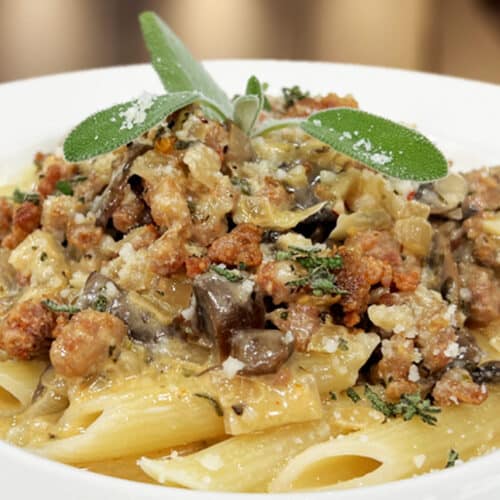
Hello friends! Today, we're making a classic Pasta Alla Gricia. This Roman dish features rigatoni, guanciale, and Pecorino Romano – a simple yet incredibly flavorful combination. Known for its rich, savory taste, Pasta Alla Gricia is popular for its minimal ingredients that come together to create a mouthwatering experience. For this recipe, you can use any type of pasta you like. I'm using rigatoni, but penne or any pasta would work great.If you enjoy this recipe be sure to let us know in the comments below! But for now, let's get cooking!
4ouncesGuanciale or Pancetta, cut into small cubes
4ouncesPecorino Romano Cheese, finely grated
1 ½teaspoonsFreshly Cracked Black Pepper
a PinchSalt for boiling water
2tablespoonsReserved Pasta Water
Get Recipe Ingredients
Prevent your screen from going dark
Recipe Instructions
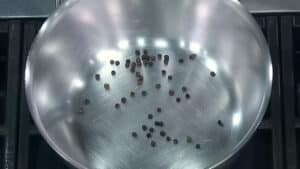
Begin by roasting the black pepper in a dry pan over medium heat until fragrant.
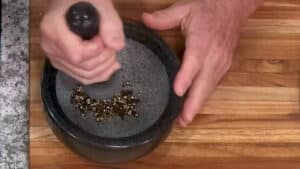
If you have a mortar and pestle process the whole peppercorn into small pieces. If you are using your pepper mill of course skip this step.
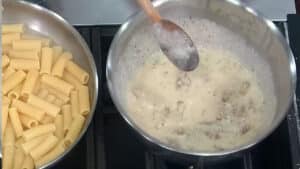
Cook the pasta in a frying pan with just enough water to cover it, adding a pinch of salt, remember that the Pecorino Romano cheese is very salty.
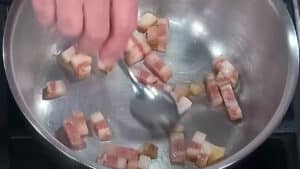
In another pan, VERY SLOWLY render the fat from the guanciale over low heat, making sure not to burn the lean parts.
Once the pasta is nearly al dente, turn the heat off and leave the pasta in the water for a couple of minutes while you start making the sauce in the pan where the guanciale is.
Reserve a couple of tablespoons of the pork fat and save for the end.
Add about ¼ cup of the pasta water on top of the cooked guanciale, add the black pepper and half of the Pecorino Romano cheese, stirring constantly and adding reserved pasta water if needed gradually until a creamy sauce forms.
Add pasta and the remaining cheese, stirring to maintain a smooth sauce.
Finally, plate the pasta and top with the guanciale, additional cheese, a tablespoon of the reserved guanciale fat and more black pepper if desired.
Serve immediately and enjoy the rich, creamy flavors of this traditional Roman dish!
Pro-Tips
Choosing the Right Ingredients
The secret to a truly authentic Pasta Alla Gricia lies in the ingredients:Guanciale: This cured pork jowl is the star of the show. Its fat renders down to create a luscious, flavorful base for the sauce. If guanciale is hard to find, pancetta is a good substitute.Pecorino Romano: This sheep’s milk cheese adds a sharp, tangy note. Grate it freshly to avoid any anti-caking agents found in pre-grated varieties.Black Pepper: Freshly ground black pepper is crucial. Its pungent aroma and slight heat balance the richness of the dish.
Bonus Pro-Tip: Cooking the Pasta
Cooking the pasta properly is key to achieving the perfect texture and flavor:Cook in Minimal Water: Use just enough water to cover the pasta. This ensures that the starchy pasta water you reserve is concentrated and perfect for emulsifying the sauce.Al Dente: Always cook the pasta until it’s just al dente. This firm texture provides a perfect contrast to the creamy sauce.Reserve Pasta Water: Save a cup of the starchy cooking water before draining the pasta. This is your secret weapon for creating a silky, cohesive sauce.
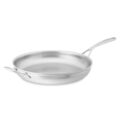
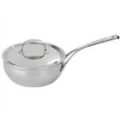
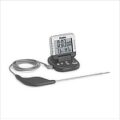
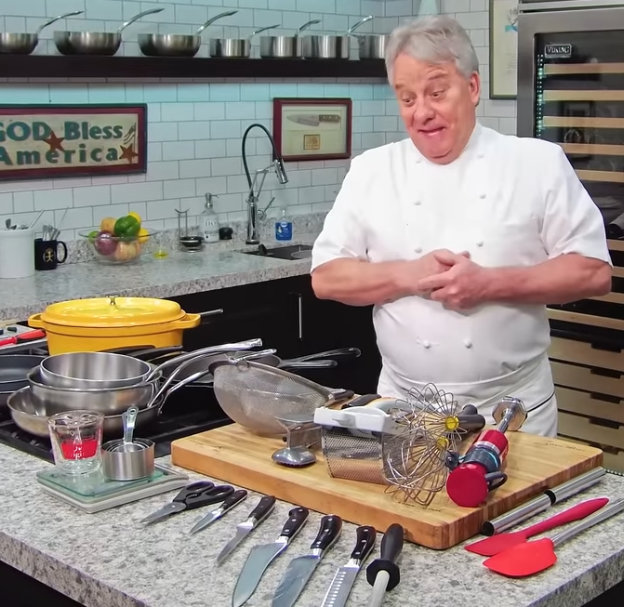
Equipment - You can find the items below at our online store!
Frequently Asked Questions How To Make Pasta Alla Gricia Recipe
1. What is Pasta Alla Gricia?
Pasta alla Gricia is a traditional Roman pasta dish known for its simplicity and rich flavors. It is made with just a few key ingredients: guanciale (cured pork jowl), Pecorino Romano cheese, black pepper, and pasta. The dish is considered one of the oldest pasta recipes in Roman cuisine and is often seen as a precursor to other famous pasta dishes like carbonara and amatriciana.
The magic of Pasta alla Gricia lies in its minimalism. The rendered fat from the guanciale, combined with the starchy pasta water, creates a creamy sauce that coats each pasta strand. The Pecorino Romano cheese adds a sharp, tangy flavor, while freshly ground black pepper provides a subtle heat. This dish showcases the beauty of Italian cooking, where high-quality ingredients and simple techniques come together to create something extraordinary.
2. Where did Pasta Alla Gricia originate?
Pasta alla Gricia has its roots in the Lazio region of Italy, particularly in Rome and its surrounding areas. The dish is believed to have originated in the small town of Grisciano, located in the Apennine Mountains. Shepherds in this region would carry staple ingredients like guanciale, Pecorino Romano, and dried pasta with them, and these ingredients formed the basis of the dish.
The simplicity and portability of these ingredients made Pasta alla Gricia a practical meal for shepherds during their long days tending to their flocks. Over time, this humble dish gained popularity and became a beloved part of Roman cuisine. Today, it is celebrated for its rich flavors and historical significance, embodying the essence of traditional Italian cooking.
3. What type of pasta is best in a Pasta Alla Gricia Recipe?
Traditional choices for Pasta alla Gricia include rigatoni and spaghetti. These pasta shapes are preferred because they hold the creamy sauce well and provide a satisfying texture. Rigatoni, with its ridges and hollow center, captures the sauce inside and out, while spaghetti offers a smooth, consistent bite.
However, the beauty of Pasta alla Gricia is its versatility. You can use other pasta shapes like tonnarelli, mezze maniche, or even penne. The key is to choose a pasta that can absorb the sauce and complement the dish’s rich flavors. Regardless of the shape, cooking the pasta al dente is crucial to achieving the perfect texture.
4. Can I substitute guanciale with another ingredient in my Pasta Alla Gricia Recipe?
Yes, while guanciale is the traditional choice for Pasta alla Gricia, you can substitute it with pancetta or even bacon if guanciale is not available. Pancetta is an Italian cured meat made from pork belly, and it has a similar flavor profile to guanciale but with less fat. Bacon, especially unsmoked or lightly smoked, can also work, though it will impart a slightly different taste.
When substituting guanciale, it’s important to keep in mind that guanciale’s high fat content is crucial for creating the dish’s signature creamy sauce. Pancetta and bacon may require a bit more olive oil or butter to achieve a similar effect. Despite these substitutions, the dish will still be delicious and retain its characteristic savory flavor.
5. Why is guanciale preferred over pancetta in a Pasta Alla Gricia Recipe?
Guanciale is preferred over pancetta in Pasta alla Gricia because of its unique flavor and higher fat content. Made from the pork jowl, guanciale has a rich, slightly sweet taste that enhances the overall flavor of the dish. Its fat renders down beautifully, creating a luscious, creamy sauce that coats the pasta perfectly.
Pancetta, made from pork belly, is leaner and drier compared to guanciale. While it can be used as a substitute, it lacks the depth of flavor and the luxurious mouthfeel that guanciale provides. The rendered fat from guanciale is essential for the authentic taste and texture of Pasta alla Gricia, making it the preferred choice among traditionalists and chefs alike.
6. How do you make the sauce creamy without using cream in my Pasta Alla Gricia Recipe?
The creaminess in Pasta alla Gricia comes from the emulsion of the starchy pasta water, rendered guanciale fat, and grated Pecorino Romano cheese. When you cook the pasta, it’s important to reserve some of the pasta cooking water. This water is rich in starch, which helps to thicken the sauce and bind the ingredients together.
To achieve the creamy consistency, add the reserved pasta water gradually to the pan with the cooked guanciale. Stir in the grated Pecorino Romano cheese off the heat, allowing the residual warmth to melt the cheese slowly. This method prevents the cheese from clumping and ensures a smooth, creamy sauce that coats the pasta evenly. The result is a luxurious, velvety texture without the need for any added cream.
7. Can I use pre-grated Pecorino Romano in my Pasta Alla Gricia Recipe?
While you can use pre-grated Pecorino Romano, it’s best to grate the cheese yourself for optimal flavor and texture. Pre-grated cheese often contains anti-caking agents to prevent clumping, which can affect the way the cheese melts and integrates into the sauce. These additives can also alter the taste of the final dish.
Grating Pecorino Romano fresh ensures that you get the pure, sharp flavor of the cheese without any unwanted additives. It also allows the cheese to melt more smoothly, creating a creamier sauce. Using a microplane or fine grater, grate the cheese just before adding it to the pasta to achieve the best results. The extra effort is well worth it for the authentic taste and texture of Pasta alla Gricia.
8. How do you properly cook guanciale for my Pasta Alla Gricia Recipe?
Cooking guanciale properly involves rendering its fat slowly over medium heat. Start by cutting the guanciale into thick slices or small dice, then add it to a cold pan without any additional oil. As the pan heats up, the fat will begin to melt and render out, providing the base for the sauce.
Cook the guanciale until it becomes crispy and golden brown, ensuring that the fat has fully rendered. This process usually takes about 10-15 minutes. Stir occasionally to prevent the meat from burning and to ensure even cooking. The rendered fat will be used to coat the pasta, and the crispy pieces of guanciale will add a delightful texture and rich flavor to the dish.
9. How do you make Pasta Alla Gricia Recipe if guanciale is not available?
If guanciale is not available, you can use pancetta or bacon as substitutes to make Pasta alla Gricia. While these alternatives will alter the flavor slightly, they can still produce a delicious dish. Pancetta, made from pork belly, has a similar flavor profile but is leaner than guanciale. Bacon, especially unsmoked or lightly smoked, can also work, though it will impart a different taste.
To mimic the richness of guanciale, you might need to add a bit more olive oil or butter when using pancetta or bacon. Cook these substitutes in a similar manner, starting in a cold pan to render out the fat slowly. If desired, you can also add a splash of white wine during the cooking process to enhance the flavor and deglaze the pan. This method will help you achieve a creamy, flavorful sauce even without guanciale.
10. What is the difference between a Pasta Alla Gricia Recipe and a Carbonara Recipe?
Pasta alla Gricia and Carbonara are both classic Italian pasta dishes that share similar ingredients but have distinct differences. Pasta alla Gricia is made with guanciale, Pecorino Romano cheese, black pepper, and pasta. The sauce is created by combining the rendered guanciale fat with starchy pasta water and grated cheese.
Carbonara, on the other hand, includes eggs in addition to guanciale, Pecorino Romano (or Parmigiano-Reggiano), and black pepper. The eggs are beaten and mixed with the cheese, creating a creamy, rich sauce when combined with the hot pasta. The heat from the pasta cooks the eggs gently, resulting in a silky texture. While both dishes are rooted in Roman cuisine, Carbonara’s inclusion of eggs sets it apart and gives it a unique creamy consistency.
11. How do you prevent the cheese from clumping in my Pasta Alla Gricia Recipe?
To prevent the cheese from clumping in Pasta alla Gricia, it’s important to grate the Pecorino Romano cheese finely and add it off the heat. The residual heat from the pasta and guanciale is sufficient to melt the cheese gradually without causing it to clump. Stirring the pasta continuously as you add the cheese also helps to create a smooth, creamy sauce.
Another tip is to gradually add the reserved starchy pasta water while stirring the cheese into the pasta. The starch in the pasta water helps to emulsify the sauce, ensuring the cheese melts evenly and coats the pasta beautifully. Adding the cheese slowly and mixing it thoroughly can also prevent the formation of lumps, resulting in a creamy, homogeneous sauce.
12. Is Pasta Alla Gricia served with any additional toppings?
Traditionally, Pasta alla Gricia is served simply with a sprinkle of extra grated Pecorino Romano and a generous grind of freshly cracked black pepper. These toppings enhance the dish’s flavors and add a finishing touch that complements the rich, creamy sauce and crispy guanciale.
For those looking to add a bit more flair, you can drizzle a little extra guanciale fat over the top just before serving. This adds an extra layer of richness and ensures every bite is full of flavor. Some chefs and home cooks might also garnish the dish with a light sprinkle of fresh herbs like parsley or basil to add a touch of color and freshness, though this is not traditional.
13. How long does it take to make a Pasta Alla Gricia Recipe?
The entire process of preparing and cooking Pasta alla Gricia typically takes about 30 minutes. This includes the time needed to render the guanciale, cook the pasta, and combine all the ingredients into a creamy, delicious dish. The preparation is straightforward and quick, making it an ideal choice for a satisfying meal with minimal effort.
First, you’ll need about 10-15 minutes to cook the guanciale until it’s crispy and the fat has rendered. While the guanciale is cooking, you can start boiling the pasta, which usually takes around 8-10 minutes to reach an al dente texture. Combining the pasta with the guanciale and cheese, along with adjusting the sauce with pasta water, takes another few minutes. This efficient process makes Pasta alla Gricia a great option for a quick yet indulgent dinner.
14. Can a Pasta Alla Gricia Recipe be made with gluten-free pasta?
Yes, Pasta alla Gricia can be made with gluten-free pasta to accommodate dietary restrictions without compromising on taste or texture. The key is to choose a high-quality gluten-free pasta that can hold up to the rich, creamy sauce and maintain an al dente texture. Many brands offer gluten-free options made from rice, corn, or a blend of grains that work well in this recipe.
When cooking gluten-free pasta, it’s important to follow the package instructions carefully, as cooking times can vary. Additionally, be sure to reserve some of the starchy cooking water, as it helps to create the silky sauce that is characteristic of Pasta alla Gricia. With the right gluten-free pasta, you can enjoy all the flavors and satisfaction of the traditional dish.
15. What should I serve with Pasta Alla Gricia?
Pasta alla Gricia pairs wonderfully with a variety of side dishes and beverages that complement its rich, savory flavors. A simple arugula salad dressed with lemon and olive oil makes an excellent side, as the peppery greens and tangy dressing provide a refreshing contrast to the creamy pasta. Additionally, roasted or grilled vegetables like asparagus or zucchini can add a nice textural and flavor balance to the meal.
For beverages, a crisp, dry white wine such as Frascati or a light red wine like Chianti is perfect for cutting through the richness of the dish. These wines enhance the flavors of the guanciale and Pecorino Romano without overpowering them. If you prefer a non-alcoholic option, sparkling water with a slice of lemon or a light, citrusy iced tea can be refreshing choices that pair well with Pasta alla Gricia.
16. How do you store leftover Pasta Alla Gricia?
Pasta alla Gricia is best enjoyed fresh, but if you have leftovers, you can store them in the refrigerator for up to a day. Transfer the pasta to an airtight container to keep it from drying out. When you’re ready to reheat, the best method is to warm it gently in a pan over low heat. Add a splash of water or a bit of olive oil to help loosen the sauce and restore its creamy texture.
Avoid using the microwave to reheat, as it can make the pasta dry and the sauce less cohesive. Instead, stir the pasta frequently in the pan to ensure it heats evenly. If needed, you can add a bit more grated Pecorino Romano and freshly ground black pepper to revive the dish’s flavors. While reheated Pasta alla Gricia won’t be quite as good as fresh, these steps can help you enjoy it the next day.
17. Can you freeze Pasta Alla Gricia?
Freezing Pasta alla Gricia is not recommended because the texture of the pasta and the sauce can be negatively affected. The creamy sauce, made from guanciale fat and Pecorino Romano cheese, tends to separate when frozen and thawed, resulting in a grainy and less appetizing dish. Additionally, the pasta itself can become mushy after being frozen and reheated.
If you must freeze it, ensure it is cooled to room temperature and stored in an airtight container. When ready to eat, thaw it in the refrigerator and reheat gently in a pan with a splash of water or broth to help bring back some of the sauce’s consistency. However, for the best experience, it is highly recommended to enjoy Pasta alla Gricia freshly made or stored in the refrigerator for up to a day.
18. How do you toast black pepper for a Pasta Alla Gricia Recipe?
Toasting black pepper for Pasta alla Gricia enhances its flavor by releasing its essential oils and creating a more aromatic, spicy kick. To toast black pepper, place whole peppercorns in a dry pan over low heat. Stir the peppercorns occasionally and toast them until they become fragrant, which usually takes about 1-2 minutes. Be careful not to burn them, as burnt pepper can impart a bitter taste.
Once toasted, transfer the peppercorns to a mortar and pestle or a spice grinder and grind them to a medium-coarse consistency. This freshly ground, toasted pepper will add a deeper, more complex flavor to your Pasta alla Gricia. The process is simple but makes a significant difference in the final dish, bringing out the best in this classic recipe.
19. Why is it important to save pasta water when making a Pasta Alla Gricia Recipe?
Saving pasta water is crucial when making Pasta alla Gricia because it contains starch released from the pasta during cooking. This starchy water acts as a natural thickening agent, helping to emulsify the sauce and bind the ingredients together. When you combine the pasta water with the rendered guanciale fat and grated Pecorino Romano, it creates a silky, cohesive sauce that clings to the pasta beautifully.
To use the pasta water effectively, reserve a cup of it just before draining the pasta. Gradually add the reserved water to the pan with the cooked guanciale and pasta, stirring constantly to achieve the desired sauce consistency. This technique not only enhances the texture of the dish but also ensures that every bite is infused with the rich, savory flavors of the sauce.
Chef Jean-Pierre, born in Aix-en-Provence, France, honed his culinary skills at a young age, mastering the art of charcuterie by the age of twelve. Determined to become a chef, he began his formal apprenticeship at L'Oustau de Baumaniere in Provence, one of the world’s best restaurants with a 3-star Michelin rating.
Jean-Pierre continued his apprenticeship on the French Riviera where he worked at famous restaurants, such as L’Oasis at La Napoule, Le Vendome in Aix-en-Provence, and the the Carlton in Cannes. In 1976, he opened The Left Bank Restaurant, consistently recognized as one of the best in America for 22 years by magazines like "Bon Appetit," "Conde Nast," "Gourmet Magazine" and "Travel & Leisure."
Jean-Pierre was also a popular TV personality, having hosted National Public Television series like "Incredible Cuisine” and "Sunshine Cuisine." He was also nominated for "Best Culinary Video" by the James Beard Foundation and operated the nationally renowned “Chef Jean-Pierre's Cooking School” and was a sought-after guest on shows like "The Today Show" and "Larry King Live."
With over 2 Million Subscribers to his Chef Jean-Pierre YouTube Channel, he is a widely respected figure in the culinary world, known for his skill and dedication to his craft, but even more so known for making gourmet cooking fun and easy to learn.
At the end, when I’m trying to mix the sauce and the starchy water, I only seem to get a spoon with cheese on it. I need more help on making the sauce. What temperature should the pot that the water is going into need to be kept at for the cheese to to not clump? I grated the cheese myself very thinly but still only clumps in the water and as soon as i stur it, all the clumps make bigger clumps. 🙁
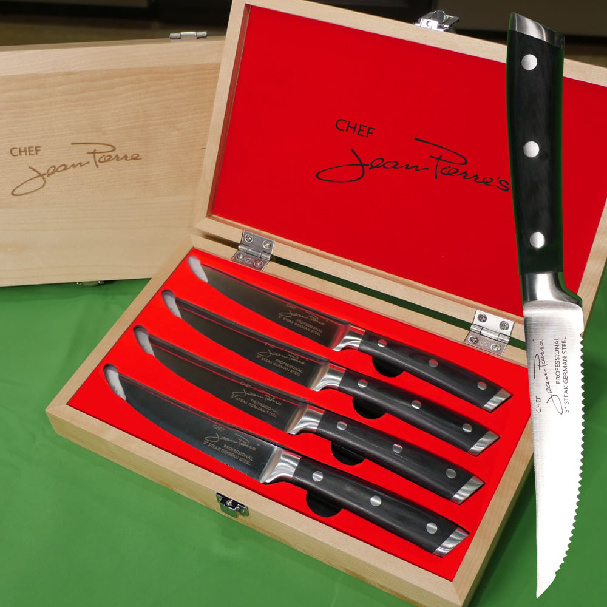
5-inch high-carbon German Stainless Steel blade will effortlessly slice through your steak, bread, vegetables, and fruits. The handle is ergonomically designed Pakka Wood. Makes a perfect gift presented in a beautifully crafted wooden box.












At the end, when I’m trying to mix the sauce and the starchy water, I only seem to get a spoon with cheese on it. I need more help on making the sauce. What temperature should the pot that the water is going into need to be kept at for the cheese to to not clump? I grated the cheese myself very thinly but still only clumps in the water and as soon as i stur it, all the clumps make bigger clumps. 🙁
Made this for dinner last night. An immediate favorite!
Delicious, as usual !