Hello friends…You’ve been asking for it, and here it is—my version of the Greek Moussaka Recipe. This Greek classic has layers of roasted eggplant, ground meat, a rich béchamel sauce, and a hearty meat sauce, all baked to golden perfection.
Now, I won’t lie to you, friends—this is not a quick recipe. It’s not one of those, “I’m hungry and need something fast” dishes. This is one of those comfort foods that’s worth every second of preparation. It may take a while to prepare but it is simple to make.
But trust me, the payoff is big. This traditional Greek moussaka recipe is a showstopper, perfect for family gatherings, and it tastes even better the next day! So, grab your apron and get ready for a culinary adventure with a side of fun!
Moussaka, at its core, is a layered casserole dish that’s beloved in many Mediterranean and Middle Eastern countries. You’ll find variations of it in Greece, Turkey, and Egypt, among others. The Greek moussaka that we know today was popularized by a Greek chef named Nikos Tselementes in the 1920s. He added the creamy béchamel sauce to the recipe, giving it that signature velvety top layer we all love.
Traditional moussaka recipes typically include layers of eggplant, potatoes, and ground meat—usually beef or lamb—all topped with the rich béchamel. It’s like the Mediterranean answer to lasagna but with a flavor profile that’s uniquely its own, thanks to spices like cinnamon and nutmeg.
How to Best Serve Moussaka
Moussaka is rich, hearty, and absolutely delicious, but because of that, you’ll want to balance it with lighter sides. One of the best ways to serve moussaka is with a fresh, crisp Greek salad. The cool, refreshing crunch of cucumbers, tomatoes, and olives complements the warmth and richness of the dish perfectly.
Another fantastic side is a light Tzatziki Sauce. The yogurt-based dip with cucumber and garlic is a great way to cut through the richness of the meat sauce and béchamel sauce. You could also serve some roasted vegetables like carrots or green beans for a little more balance. Trust me, friends, you don’t want anything too heavy on the side—let the moussaka be the star of the show!
Bechamel Sauce for Your Moussaka Recipe
The béchamel sauce—the creamy, luscious top layer that makes Greek moussaka truly special. Friends, this is where the magic happens. The key to a perfect béchamel is to whisk constantly while cooking to avoid lumps. You start by making a roux with butter and flour, then slowly add in warm milk. Keep whisking, and as it thickens, you’ll add a bit of nutmeg for flavor and cheese if you’re feeling extra indulgent—like I often do!
If you’re feeling adventurous, you can even swap out the ground beef for lamb or go for a vegetarian version by swapping the meat sauce for a rich tomato and lentil sauce. The beauty of moussaka is that it’s flexible—no two versions are exactly the same, and that’s part of what makes this authentic Greek dish so fun to cook.
How to Serve Moussaka Perfectly
One of the biggest mistakes people make with moussaka is cutting into it too soon. You have to be patient! After you bake the moussaka, you need to let it rest for at least 30 minutes, maybe even longer, before cutting into it. This allows the layers to set, making for a cleaner cut and a more cohesive dish. Trust me, friends, if you cut into it right out of the oven, it’s going to be runny, and all your hard work will feel a bit less satisfying.
When you’re ready to serve, a nice slice of moussaka pairs beautifully with a light side like Tzatziki or a Greek salad to balance out the richness.
And there you have it, friends! A moussaka recipe that will make you the star of your next dinner party. It’s rich, flavorful, and full of that authentic Greek taste we all love. Don’t forget to visit my website for the full recipe and some delicious sides to pair with your moussaka. Remember, it’s not a dish to rush, but it’s well worth the effort. Your family and friends will thank you for it.
This is a hearty Mediterranean Casserole featuring layers of sautéed eggplant, zucchini, potatoes, savory meat sauce, and a rich, cheesy mornay sauce. This recipe is a labor of love, ideal for a weekend feast, and is guaranteed to impress with its delightful blend of spices and flavors. Although it’s a bit involved, the result is well worth the effort!
2largeEggplants, peeled and sliced lengthwise into ¼-inch thick slices
2largeZucchinis, sliced ¼-inch thick
2largeBaking Potatoes, sliced about 1/8-inch thick
½cupGarlic Olive Oil, for sautéing vegetables
For the Meat Sauce:
1poundGround Beef (80/20)
1largeOnion, chopped
2tablespoonsTomato Paste
1tablespoonChopped Garlic
1cupRed Wine
1teaspoonHot Hungarian Paprika
¼teaspoonGround Cloves
¼teaspoonGround Cinnamon
2teaspoonFresh Thyme, chopped
1teaspoonDried Oregano
128 ounce canCrushed Tomatoes
6ouncesBeef Stock
Salt and Black Pepper to taste
For the Béchamel/Mornay Sauce:
4tablespoonButter
½cupAll-Purpose Flour
Salt and Black Pepper to taste
3cupsWhole Milk
1cupGruyère Cheese, grated
½cupParmesan Cheese, grated
¼teaspoonNutmeg
2largeEggs, beaten
Get Recipe Ingredients
Prevent your screen from going dark
Recipe Instructions
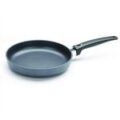
Prepare the eggplant, zucchini, and potato slices by salting them and letting them sit for 45 minutes to draw out moisture on a drying rack or paper towels. Pat them dry, then heat olive oil in a large skillet and sauté each vegetable until golden. Set aside.
In a sauté pan, add 1 tablespoon of olive oil. When hot, add the ground beef and cook until golden brown.
To make the meat ragout, in a Dutch oven or a large saucepan, heat some olive oil, then add the onion and cook until translucent. Add the tomato paste and caramelize for a couple of minutes. Add the garlic and cook briefly until fragrant. Add the wine and cook until reduced, then add the paprika, cloves, cinnamon, thyme, and oregano.
Finally, add the tomatoes, stock, and beef, and let the sauce simmer for about 1 hour over very low heat.
Preheat Oven to 350°F (175°C)
For the béchamel, melt the butter, whisk in the flour, and cook briefly, seasoning with salt and pepper. Gradually add milk, stirring until smooth, then add the cheese and nutmeg, cooking until thickened. Add the eggs by whisking vigorously to prevent scrambling.
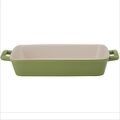
To assemble, layer the eggplant slices in a baking dish, followed by zucchini slices, meat sauce, then potato and Mornay sauce.
Bake for 45-60 minutes or until golden brown. Allow to set for 20 minutes before serving.
Pro-Tips
Prep Your Vegetables Correctly
One of the key steps in making a great moussaka is prepping your vegetables correctly—especially the eggplant. If you’ve ever made eggplant recipes before, you know it can be a bit tricky because of the water content. After you slice your eggplant, you’ll want to salt the eggplant to draw out the excess water. Let it sit for about 45 minutes, then pat the eggplant dry with a paper towel before cooking. This helps prevent your moussaka from getting soggy and makes sure you get that perfect, tender layer of eggplant without all the moisture.And friends, don’t forget the potatoes! Some people like to skip this layer, but I say keep it in—it adds a nice textural contrast to the eggplant and really rounds out the dish.
Bonus Pro Tip: Preparing The Perfect Meat Sauce
The heart of any good moussaka is the meat sauce. In my version, I use a mix of beef and lamb, but you can also stick with just ground beef if you prefer. The key is to let the meat sauce simmer long enough to develop deep, rich flavors. Don’t rush this step, my friends—good things take time. Adding a bit of cinnamon and nutmeg to the sauce gives it that signature Greek flavor, but be careful not to overdo it. You want those spices to be in the background, adding warmth without overpowering the dish.You can also make the meat sauce ahead of time and store it in the fridge for up to two days, which helps break the cooking process into more manageable steps. And here’s another tip—after cooking the ground beef and lamb, drain off some of the fat. Too much grease will weigh down your moussaka and make it heavy. No one wants that!
Equipment - You can find the items below at our online store!
Frequently Asked Questions About A Simple Moussaka Recipe
1. What is Moussaka?
Moussaka is a Mediterranean casserole, typically made with eggplant, ground beef or lamb, and a rich béchamel sauce. The layers of roasted eggplant, meat sauce, and creamy topping create a deliciously hearty dish.
2. What meat is traditionally used in a moussaka recipe?
Traditional moussaka uses ground beef or lamb. Chef Jean-Pierre uses 80/20 ground beef in his recipe, but you can also substitute with a mix of beef and lamb for richer flavors.
3. How should I prepare eggplant for a moussaka recipe?
In Chef Jean-Pierre’s moussaka recipe, eggplant is sliced thick, salted to draw out excess water, and then dried with a paper towel. You can sauté the slices or bake them until golden.
4. What spices are used in the meat sauce for a moussaka recipe?
Key spices for the meat sauce include cinnamon, nutmeg, cloves, and paprika. These spices add a warm, aromatic layer of flavor to the dish, but should be used sparingly to avoid overpowering other ingredients.
5. Can I make a vegetarian version of a moussaka recipe?
Yes, a vegetarian moussaka recipe can replace the meat sauce with a hearty tomato and lentil or mushroom-based sauce while maintaining the layers of eggplant and béchamel.
6. Do I need to peel the eggplant for a moussaka recipe?
Chef Jean-Pierre suggests peeling the eggplant because the skin can be tough, but this step is optional. If you prefer the added texture, feel free to leave the skin on.
7. How long does it take to make a moussaka recipe?
Chef Jean-Pierre’s moussaka recipe is quite involved and can take a few hours due to the multiple steps—preparing vegetables, making the meat sauce, and assembling the layers.
8. Can I freeze a moussaka recipe?
Yes, moussaka can be made ahead and frozen. Assemble the dish without baking, wrap it well, and freeze. When ready to eat, thaw it completely and bake until golden.
9. Why is my moussaka recipe watery?
Moussaka can become watery if the eggplant isn’t salted properly to remove excess moisture. Letting the moussaka rest after baking to allow the layers to set will also prevent a runny texture.
10. What is béchamel sauce in a moussaka recipe?
The béchamel sauce in moussaka is a creamy layer made from butter, flour, and milk. Chef Jean-Pierre adds cheese to turn it into a rich mornay sauce, which enhances the flavor of the dish.
11. What cheese is used in a moussaka recipe?
In Chef Jean-Pierre’s moussaka recipe, Parmesan and Gruyère are used in the béchamel sauce for added richness. Other traditional Greek cheeses like kefalotyri can also be used.
12. How do I prevent the béchamel sauce from curdling in a moussaka recipe?
To avoid curdling, continuously whisk the béchamel sauce while gradually adding milk, and temper the eggs before mixing them in to keep the sauce smooth.
13. What’s the best way to serve a moussaka recipe?
Serve moussaka with light sides like a Greek salad, tzatziki, or roasted vegetables to balance out the richness of the dish.
14. How do you avoid moussaka from becoming soggy?
Salting the eggplant helps draw out moisture, and letting the moussaka rest for at least 30 minutes after baking ensures that the layers set properly, preventing sogginess.
15. What is the origin of the moussaka recipe?
Moussaka originates from the Mediterranean and the Middle East, with the Greek version popularized by Nikolaos Tselementes in the 1920s, who added the béchamel layer.
16. Can I substitute zucchini in a moussaka recipe?
Yes, you can use zucchini along with or instead of eggplant in a moussaka recipe. It adds another flavorful vegetable layer to the dish.
17. How long should moussaka rest after baking?
Chef Jean-Pierre recommends letting moussaka rest for at least 30 minutes after baking. This allows the layers to set, making it easier to cut and serve without it being too runny.
18. What potatoes are best in a moussaka recipe?
Potatoes are sometimes added as an additional layer in moussaka. Chef Jean-Pierre uses thinly sliced and sautéed baking potatoes to add extra texture. Russet or Yukon Gold or the most common.
19. What makes a moussaka recipe different from lasagna?
While moussaka and lasagna are both layered dishes, moussaka uses eggplant (and sometimes potatoes) instead of pasta, and is topped with a creamy béchamel sauce rather than cheese.
20. What’s a quick pro tip for making a moussaka recipe?
Prep your vegetables ahead of time. Salt the eggplant slices, let them sit, and dry them before cooking. This small step makes a big difference in preventing a watery dish and ensuring a tender, flavorful eggplant layer.
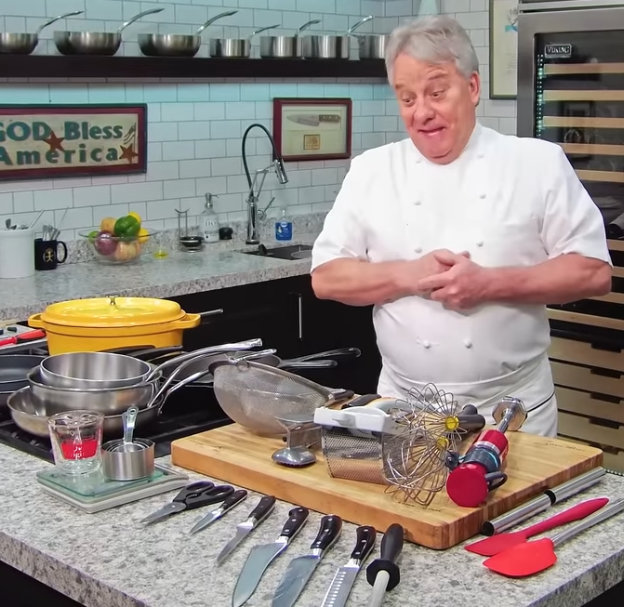
Chef Jean-Pierre, born in Aix-en-Provence, France, honed his culinary skills at a young age, mastering the art of charcuterie by the age of twelve. Determined to become a chef, he began his formal apprenticeship at L'Oustau de Baumaniere in Provence, one of the world’s best restaurants with a 3-star Michelin rating.
Jean-Pierre continued his apprenticeship on the French Riviera where he worked at famous restaurants, such as L’Oasis at La Napoule, Le Vendome in Aix-en-Provence, and the the Carlton in Cannes. In 1976, he opened The Left Bank Restaurant, consistently recognized as one of the best in America for 22 years by magazines like "Bon Appetit," "Conde Nast," "Gourmet Magazine" and "Travel & Leisure."
Jean-Pierre was also a popular TV personality, having hosted National Public Television series like "Incredible Cuisine” and "Sunshine Cuisine." He was also nominated for "Best Culinary Video" by the James Beard Foundation and operated the nationally renowned “Chef Jean-Pierre's Cooking School” and was a sought-after guest on shows like "The Today Show" and "Larry King Live."
With over 2 Million Subscribers to his Chef Jean-Pierre YouTube Channel, he is a widely respected figure in the culinary world, known for his skill and dedication to his craft, but even more so known for making gourmet cooking fun and easy to learn.
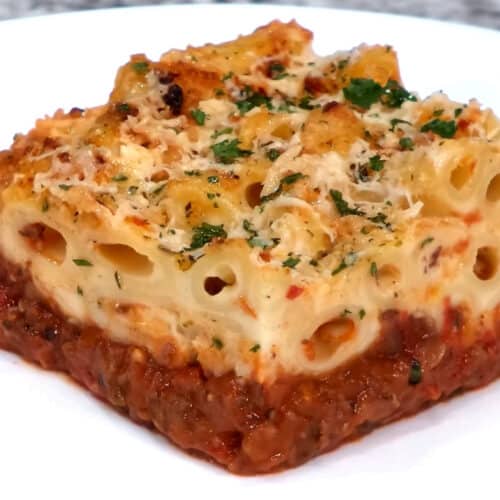
Not So Sloppy, Sloppy Joe Easy Sloppy Joe Recipe: A Delicious Classic You’ll Love Hello friends, let’s get straight to it! Today, we’re making an “Easy Sloppy Joe Recipe”…
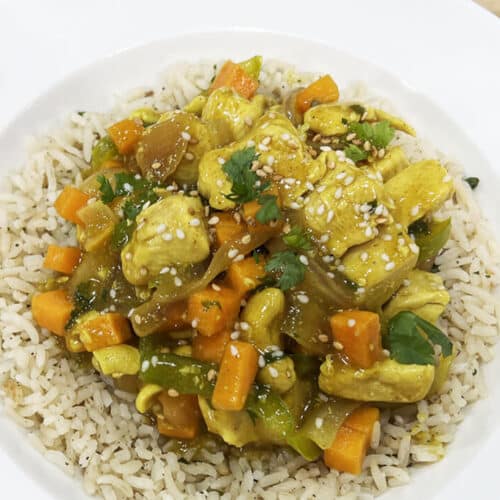
Simple Chicken Curry Recipe I love all kinds of chicken dishes, but this is one of my favorites, Chicken Curry! This is a delicious and my favorite simple…
3 Comments
Lori Eppstein
on February 15, 2025 at 9:49 am
This recipe is far from “simple” but worth the time and work. I would next time add another half pound of ground beef for a heartier ragu. I would also skip the extra step of making bechamel and substitute ricotta with some egg, parm, & spice. It has the same texture and flavor profile. Substituted garam masala (more of it) for the recipe’s cloves and cinnamon. I personally do not appreciate cinnamon in anything savory.
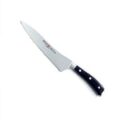
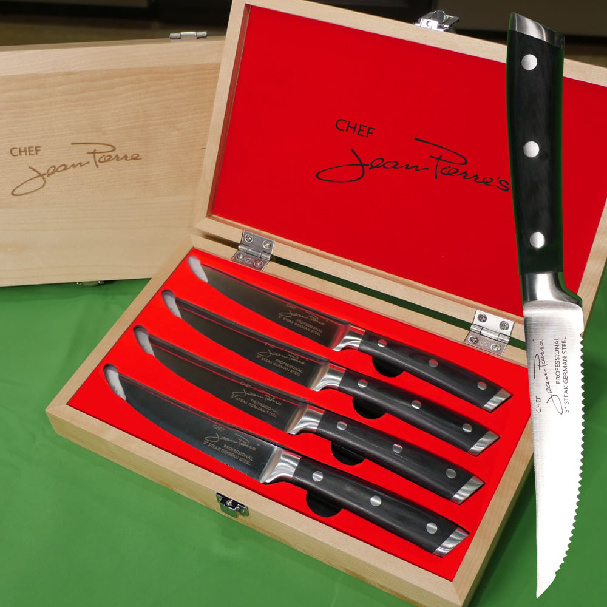
5-inch high-carbon German Stainless Steel blade will effortlessly slice through your steak, bread, vegetables, and fruits. The handle is ergonomically designed Pakka Wood. Makes a perfect gift presented in a beautifully crafted wooden box.














This recipe is far from “simple” but worth the time and work. I would next time add another half pound of ground beef for a heartier ragu. I would also skip the extra step of making bechamel and substitute ricotta with some egg, parm, & spice. It has the same texture and flavor profile. Substituted garam masala (more of it) for the recipe’s cloves and cinnamon. I personally do not appreciate cinnamon in anything savory.
Best moussaka I have ever had. My husband said my cooking is out of this world since using your recipes.
You enable me to repolish my cooking career!