Chef Jean-Pierre’s Paella Jambalaya – A Seafood Feast!
Hello friends…You’ve been asking me for a recipe that’s a bit more involved, and well—your wish is my command! But don’t worry, I promise we’re not climbing Everest here. Just a little prep, a little patience, and a whole lot of flavor.
This dish? It’s what happens when Paella meets Jambalaya and they decide to throw the best dinner party of the year. I wasn’t even sure what to call it. Maybe a “Figalalaya”? Or “Pa-Jambalaya”? Either way—it’s a flavor-packed fusion that you’re going to absolutely love.
The Cultural Mash-Up That is Paella Jambalaya
Let’s talk heritage. Paella is Spanish. Jambalaya is Cajun-Creole. They both use rice. They both love seafood. And they both make the kitchen smell like heaven. Now, I know the recipe police out there are clutching their ladles—but relax. Pour yourself a glass of wine and hear me out.
This fusion isn’t about disrespecting tradition—it’s about celebrating flavor. We take the saffron-kissed soul of paella, stir in the smoky heart of jambalaya, and end up with something new: a dish that’s as festive as Mardi Gras and as soulful as a sunset in Valencia.
Essential Tools for Paella Jambalaya
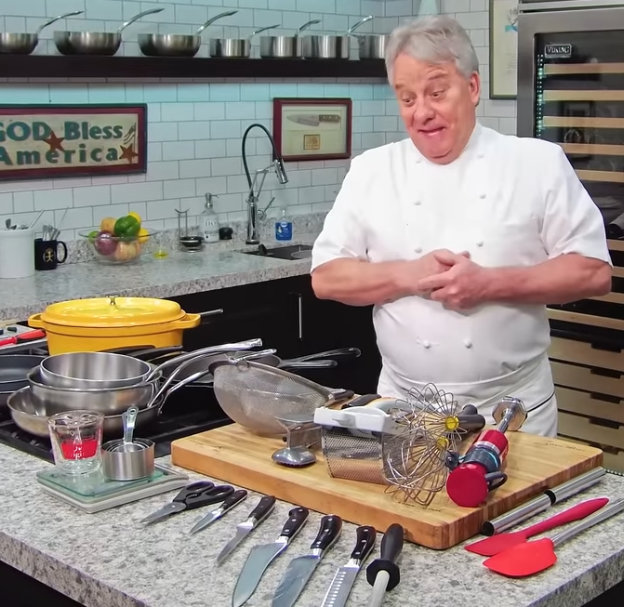
A Large, Heavy Pan – Call it a rondeau, a casserole, a big ol’ skillet—whatever you’ve got, it’s gotta be sturdy. A proper Dutch oven holds heat evenly and gives your chicken that beautiful Maillard reaction. I used one because most people don’t have a paella pan, and guess what? It works like magic. It’s wide, shallow, and oven-safe. You need room for the rice to spread out and cook evenly without turning to mush.
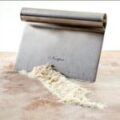
A Heat-Resistant Spatula – You know those tools that let you stir without scratching and scrape without scolding? Get one. This isn’t the moment for your wooden spoon to hide in the drawer. When you sauté and deglaze, you want to check your bottom—of the pan, that is! A good scraper lets you release all that flavor and keep your rice from sticking or burning.
Sharp Knife and Cutting Board (a Mise en Place Must) – Friends, I cannot stress this enough—mise en place! Everything chopped and ready. This dish is all about timing, and if you’re still dicing your onions when the chicken’s ready to brown, you’re in trouble. A sharp knife and a clean board are your best prep allies.
3 Common Mistakes to Avoid When Making Paella Jambalaya
1. Skipping the Mise en Place
I said it once, I’ll say it again. Mise en place isn’t fancy talk—it’s your secret weapon. Paella Jambalaya has a lot of players: chicken, sausage, rice, seafood, peppers, herbs, saffron, garlic—you name it. Get it ready before the heat is on. Pour yourself a glass of wine while you prep, and thank yourself later.
2. Overcooking the Seafood
You want those shrimp and scallops to sing, not cry. Cook them separately and add them back at the end. Otherwise, they’ll turn rubbery faster than you can say “prawn cocktail.” A quick sear brings flavor and keeps their texture perfect.
3. Not Respecting the Stock
Your chicken broth is the soul of the dish. Use unsalted stock so you control the salt. Store-bought stocks can be sneaky little sodium bombs. Too much salt from the start, and you’ll be playing culinary firefighter trying to put out the flavor blaze.
Paella Jambalaya: The Dish That Does It All
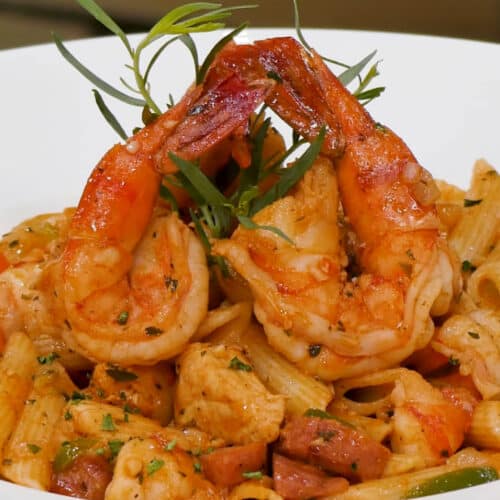
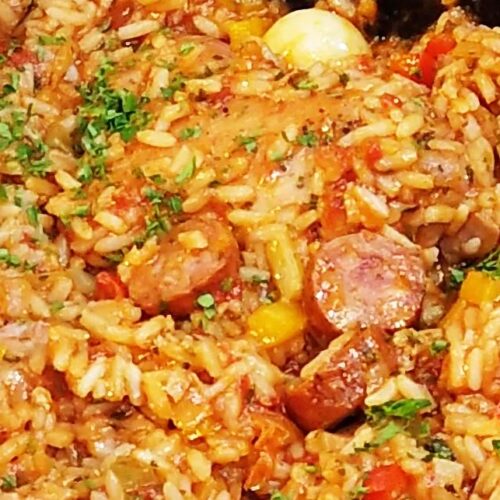
Let me paint the picture. You’ve got saffron-tinted rice shimmering with chicken broth. Smoked andouille sausage and chunks of baked ham tucked in between golden-brown chicken pieces. Then—like confetti at a celebration—we throw in scallops, shrimp, mussels, bell peppers, onions, garlic, and celery. This is one pot glory, my friends.
The flavor? Bold. Rich. Layered. The rice soaks in everything—the chicken, the stock, the saffron, the sausage—and becomes the star of the show. Each bite has its own personality. It’s like gumbo met risotto at a family reunion hosted by paellas.
So, what are we waiting for? Let’s get cooking!
Paella Jambalaya Fusion Recipe: A Spicy Spanish-Cajun Feast
If jambalaya and paella had a delicious baby, this would be it! This one-pot wonder blends the smoky richness of Cajun cooking with the golden saffron soul of Spanish paella. It’s perfect for a weekend dinner with friends or a special night with the family. It takes a little prep, but once everything’s ready, the rest is easy—and oh so worth it. And let me tell you—leftovers? Even better the next day!
Chop all vegetables, measure spices, and prep seafood. Keep everything organized and ready to go. Preheat your oven to 350°F.
Prep & Sear the Chicken
Season chicken with salt and pepper. Use dark meat for richer flavor and moisture.
Heat olive oil over medium-high heat in two pans—one casserole for the rice and one frying pan for the chicken.
Sauté the diced onion until lightly golden in the casserole pan
In the frying pan, sear chicken on both sides until browned. This is where you build that gorgeous color and flavor.
Once the chicken is seared, remove it and set aside.
Build the Rice Base
To the casserole with onion, add rice and toast it gently, stirring like a risotto until lightly golden.
Add the saffron and pour in a splash of white wine to create a saffron infusion. Let it simmer a minute to bloom that beautiful color.
Add chopped bell peppers and celery. Season with salt and pepper. Toss in the tarragon, thyme, bay leaf, and a pinch of cayenne if you like a kick.
Pour in the chicken stock. Stir everything together, scraping the bottom with a spatula to loosen all that flavor.
Return the chicken to the pan. Cover and bake at 350°F for 30 minutes.
Prepare the Seafood - While the rice bakes:
While the rice bakes, prep the seafood. In a hot pan, quickly sear scallops in olive oil until golden on each side. Don’t overcrowd and don’t overcook—color is key!
Season the shrimp with salt and pepper and sear until just pink and lightly charred. Set both aside.
Steam the Mussels
Combine the shallots, garlic, and white wine in a small pot with a cover, and bring to a boil.
Add the mussels, cover, and steam until they open. Discard any that stay closed.
Final Bake & Assembly
After 30 minutes in the oven, remove the rice mixture. Gently stir in diced ham and chopped tomato.
Nestle in the shrimp and scallops. Return to the oven uncovered for another 10–15 minutes until everything is cooked through and flavors are married.
Garnish & Serve
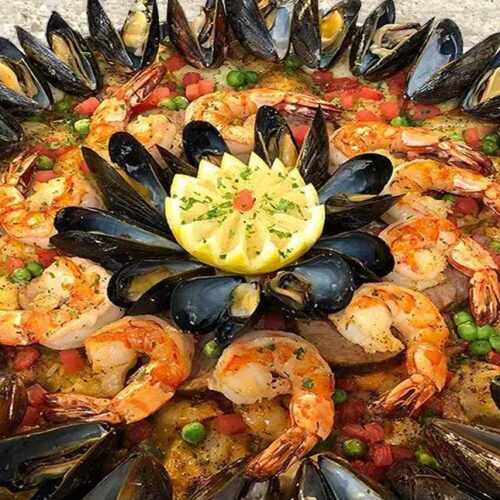
To finish, arrange the mussels on top and garnish with lemon wedges and fresh parsley.
I like to add a little lemon crown—cut with a zigzag pattern, just like we used to do in the ’70s. It's fun. It’s festive. It’s extraordinary.
Serve hot—every plate should have some rice, chicken, shrimp, scallops, and a couple of mussels. This is a celebration in a pan!
Bon Appétit!
Pro-Tips
This dish is pure comfort and joy, my friends. Yes, it takes a little work upfront, but once everything’s chopped and ready—mise en place! — you’re golden. You’ll love the blend of spices, the textures of the seafood, the warmth of the saffron… just make sure to make enough for leftovers.
Pro-Tip: A Little Extra Wow-Factor
Want a little extra wow-factor? Right before serving, place your finished dish under the broiler for 2–3 minutes. It gives the top a slight crisp and brings out even more color in the shrimp and scallops. Just keep your eyes on it—don’t burn your masterpiece!
Bonus Pro-Tip: Their Farewell Spa Treatment
Don’t forget the wine bath for your mussels. A quick splash of dry white wine, a shallot, and some garlic—it’s their farewell spa treatment. Steam them gently, and they’ll open up like a bouquet of briny beauty. And that broth? Save it. Drizzle a spoonful over each serving for an extra burst of seafood richness.Friends, if you enjoyed this recipe, please rate it ★★★★★ and leave a comment below—did you make it your own? Add clams? Swap ham for chorizo? Add fish such as Haddock or Salmon? Please share, we want to hear all about it!
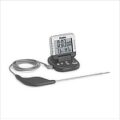
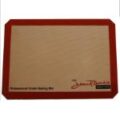
Equipment - You can find the items below at our online store!
This isn’t your average Wednesday night dinner when the kids are starving and you’re just trying to survive. No no, my friends. This is what you make when your besties are coming over or when you want to wow the family.
It’s a gorgeous one pot wonder—loaded with sausage, shrimp, sea scallops, rice, spice, and a bit of love from both Spanish and Cajun kitchens. I guarantee it’ll be a hit—and leftovers? Even better!
How to Best Serve Paella Jambalaya
This isn’t a “scoop it onto a plate and go” dish. No, this is your showstopper. Serve it family-style in that big paella pan or Dutch oven. Let people admire the arrangement—the shrimp curled just so, the mussels forming a crown, the lemon in that classic zigzag cut from the ’70s. Go ahead, Chef—bring some flair.
Here’s the surprise: before serving, I love to drizzle a bit of lemon juice over the top. It wakes up the saffron and the seafood like you wouldn’t believe. And if you want to go wild, a dash of fresh parsley and a teeny grate of nutmeg will blow your guests’ minds. Seriously. Try it.
Perfect Side Dish Pairings for Paella Jambalaya
Asparagus Tips – Bright, simple, and just the right contrast to our rich, spice-heavy main. One of the most delicious and healthy vegetables you can eat. They are packed with nutrients and have a unique flavor that is perfect for any meal.
French Green Bean Almondine – This is elegance on the side. The crunch of the almonds with tender green beans adds texture and freshness. It’s a subtle pairing that doesn’t compete for attention but supports every bite like a backup singer with perfect pitch.
Tomato and Mozzarella Salad with Fresh Basil – You need acidity. You need freshness. This Caprese-style salad gives you both. The juicy tomato and creamy mozzarella are like a culinary palate cleanser. Between spicy bites of jambalaya and rich saffron rice, this side refreshes like a gentle breeze.
Storage and Reheating Best Practices of Paella Jambalaya
• Refrigerator: Store leftovers in an airtight container for up to 3 days. The flavors get even better! • Freezer: Portion it out and freeze for up to 2 months. Skip freezing the mussels—they don’t like it. • Reheat: Best on the stovetop over low heat with a splash of chicken broth to keep the rice tender. Microwave works in a pinch—just cover it to trap moisture.
Well, my friends—there you have it. A Paella Jambalaya fusion feast that will make your guests swoon and your kitchen smell like a dream. Whether you’re celebrating something special or just having fun, this one pot wonder is worth every chop, stir, and sizzle.
Frequently Asked Questions About Paella and Jambalaya
1. What is Paella Jambalaya?
Paella Jambalaya is a fusion dish that combines elements of Spanish paella and Louisiana jambalaya. It typically includes rice, a variety of proteins like chicken, sausage, and seafood, and a blend of spices and vegetables from both culinary traditions.
2. What is the difference between Paella and Jambalaya?
While both are flavorful rice dishes, Paella originates from Spain and typically features saffron-seasoned short-grain rice cooked in a wide, shallow pan. Jambalaya hails from Louisiana, USA, and combines long-grain rice with a mix of meats, vegetables, and bold spices like cayenne pepper.
3. Can I use fish such as haddock or salmon in my Paella Jambalaya?
Yes, absolutely! Both haddock and salmon can be delicious additions to Paella Jambalaya—but they require slightly different handling to maintain the best flavor and texture:
Haddock
• Haddock is mild, flaky, and delicate.
• To prevent it from falling apart, add it during the last 5–10 minutes of cooking.
• You can also pan-sear or poach it gently before folding it into the dish right before serving.
Salmon
• Salmon is rich, flavorful, and firm enough to hold its shape well.
• Use skinless fillets, cut into chunks.
• It can be roasted, pan-seared, or gently steamed before being added to the rice dish near the end of the cooking time.
Pro Tips
• Stir gently once the fish is added to avoid breaking it apart.
• For a firmer texture, use fish like monkfish, halibut, or cod as alternatives.
• Salmon pairs especially well with the smoky Cajun spices and saffron-based broth, adding a luxurious touch to your one-pot fusion.
4. Can I use different types of rice for Paella Jambalaya?
Yes, you can. Traditional Paella uses short-grain rice like Bomba, while Jambalaya often uses long-grain rice. For a fusion dish, you can choose based on your texture preference, but ensure the rice can absorb flavors well without becoming mushy.
5. Can I make a vegetarian version of Paella Jambalaya?
Absolutely! Substitute meats with hearty vegetables like bell peppers, tomatoes, and okra. Use vegetable broth and add plant-based proteins like tofu or legumes to enhance the dish.
Friends, if you enjoyed this recipe, please rate it ★★★★★ and leave a comment below—did you make it your own? Add clams? Swap ham for chorizo? Add fish such as Haddock or Salmon? Please share, we want to hear all about it!
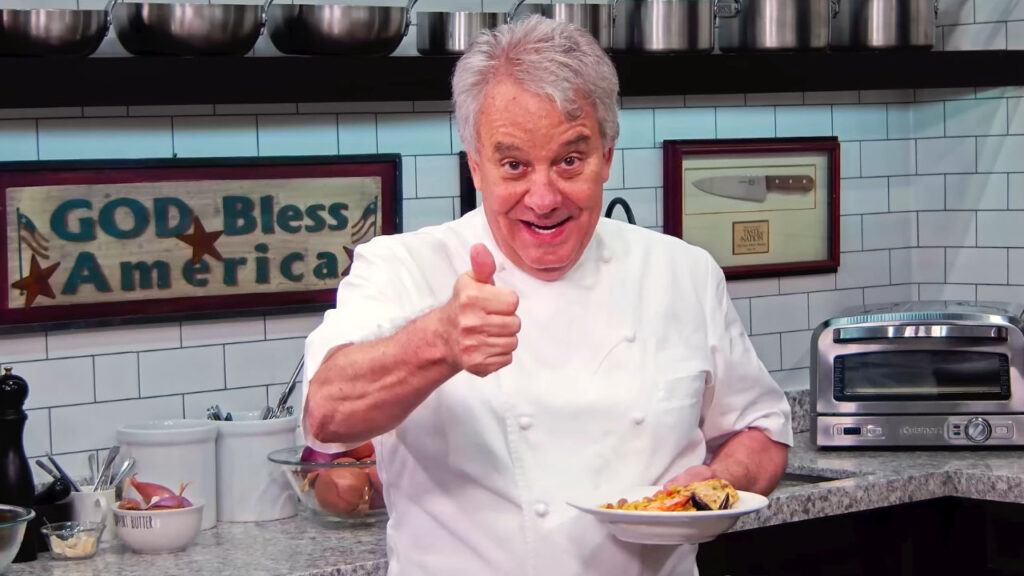
Chef Jean-Pierre, born in Aix-en-Provence, France, honed his culinary skills at a young age, mastering the art of charcuterie by the age of twelve. Determined to become a chef, he began his formal apprenticeship at L'Oustau de Baumaniere in Provence, one of the world’s best restaurants with a 3-star Michelin rating.
Jean-Pierre continued his apprenticeship on the French Riviera where he worked at famous restaurants, such as L’Oasis at La Napoule, Le Vendome in Aix-en-Provence, and the the Carlton in Cannes. In 1976, he opened The Left Bank Restaurant, consistently recognized as one of the best in America for 22 years by magazines like "Bon Appetit," "Conde Nast," "Gourmet Magazine" and "Travel & Leisure."
Jean-Pierre was also a popular TV personality, having hosted National Public Television series like "Incredible Cuisine” and "Sunshine Cuisine." He was also nominated for "Best Culinary Video" by the James Beard Foundation and operated the nationally renowned “Chef Jean-Pierre's Cooking School” and was a sought-after guest on shows like "The Today Show" and "Larry King Live."
With 2.2 Million Subscribers to his Chef Jean-Pierre YouTube Channel, he is a widely respected figure in the culinary world, known for his skill and dedication to his craft, but even more so known for making gourmet cooking fun and easy to learn.
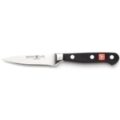
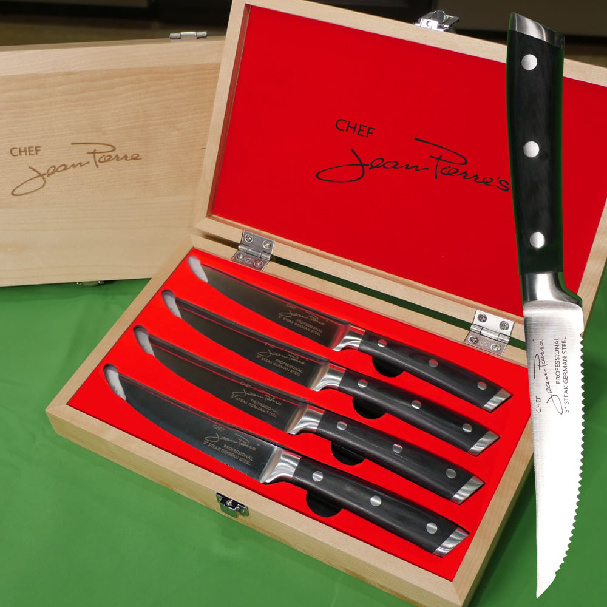
5-inch high-carbon German Stainless Steel blade will effortlessly slice through your steak, bread, vegetables, and fruits. The handle is ergonomically designed Pakka Wood. Makes a perfect gift presented in a beautifully crafted wooden box.















So damn delicious!
Waiting for your return!!
Thank you over and over again……