Hello friends, welcome back! Today, we’re diving into the delightful world of crispy, golden-brown potato latkes. These classic potato pancakes are a treat any time you’re craving something crispy and savory. Let’s get into the nitty-gritty of what makes the best potato latkes recipe so special.
The Origins of Potato Latkes
Potato latkes, often simply called latkes, are a beloved dish in Jewish cuisine, especially during Hanukkah. The word “latke” comes from Yiddish, meaning “pancake,” and these tasty treats have a rich history. Originally, latkes could be made from various starchy vegetables, but the humble potato version took center stage in Eastern Europe during the 19th century. Why? Potatoes were cheap, plentiful, and versatile.
The Secret to Crispy Latkes
Now, let’s talk about what makes these latkes so irresistibly crispy. The key lies in the preparation. You’ve got to get those potatoes and onions just right. Many people simply grate the potatoes and squeeze out the liquid, but here’s a a little secret: don’t throw away that starchy water! Let it sit for a bit, and the starch will settle at the bottom. Pour off the water and add that starch back into your latke mixture. It’s like magic for crispy latkes!
How to Serve Potato Latkes
Classic Potato Latkes Pairings
Potato latkes are traditionally served with sour cream and applesauce. The tangy creaminess of sour cream pairs perfectly with the crispy, savory latkes, while the applesauce adds a sweet contrast. Trust me, it’s a match made in heaven.
Surprising Potato Latkes Pairings and Serving Suggestions
Potato Latkes As a Side Dish
Latkes are a fantastic side dish for almost any meal. They pair beautifully with roasted meats, or how about a surprising twisted to a British classic, Fish and Chips, or even a a delicious side to a hearty French Onion Beef Stew. Their crispy texture and savory flavor complement a wide range of dishes, making them a versatile addition to your table.
Potato Latkes As a Main Course
Don’t underestimate the latke as a main course. Serve them topped with a poached egg and a simple salad for a delightful brunch. Or go all out with a stack of latkes topped with smoked salmon, capers, and a drizzle of lemon-infused crème fraîche. Your guests will be talking about it for weeks!
The Joy of Latkes
Potato latkes are more than just a dish; they’re a celebration of flavor and tradition. They bring people together, whether it’s for a family dinner or a casual brunch with friends. The combination of crispy potatoes, savory onions, and delicious toppings makes them a favorite for any occasion.
So there you have it, friends! The secrets to making the best potato latkes. Whether you’re a seasoned chef or a home cook, these tips will help you create latkes that are crispy on the outside, tender on the inside, and bursting with flavor.
These are a beloved staple in many cultures, often enjoyed during holidays or as a comforting snack. This recipe elevates the traditional potato latke by incorporating sautéed onions, garlic, and a hint of ginger, making them wonderfully flavorful and aromatic. Perfectly crispy on the outside and tender on the inside, these latkes are a delightful addition to any meal. Serve them with your favorite toppings such as sour cream, applesauce, or smoked salmon for an extra touch of indulgence.
2tablespoonsClarified Butter or Vegetable Oil (for sautéing)
1mediumOnion, finely chopped (about 1 cup)
2Eggs, beaten
1tablespoonGarlic, minced
1teaspoon Fresh Ginger, grated
¼teaspoonBaking Powder
½teaspoonSalt
½teaspoonBlack Pepper
1tablespoonFresh Dill, chopped
½cupMatzo Meal (or Breadcrumbs)
Vegetable Oil (for frying, enough to cover the bottom of the pan)
Get Recipe Ingredients
Prevent your screen from going dark
Recipe Instructions
Start by finely chopping the onion just as the chef did in the video. First, cut it in half pole to pole, then halve each half again, but this time against the grain and slice into thin slices. In a sauté pan, heat the oil to medium heat, add the onion and cook them until it becomes translucent and soft, taking care not to caramelize it.
Meanwhile, grate the potatoes and immediately place them in cold water to prevent oxidation. Using a Spider Strainer Skimmer Ladle remove the grated potatoes from the bowl and place them in the salad spinner to remove as much water as possible of you have it use a cheesecloth to remove the remaining water ensuring they are very dry. Discard the water in the bowl but BE SURE to save the starch that fell in the bottom of the bowl.
In the same bowl with the starch in the bottom, combine the sautéed onions, grated potatoes, beaten eggs, minced garlic, grated ginger, baking powder, salt, pepper, fresh dill, and matzo meal. Mix everything thoroughly.
Heat a generous amount of vegetable oil in a large skillet over medium-high heat (at least 325F / 162C). Form the potato mixture into small patties and gently place them in the hot oil, making sure not to overcrowd the pan. Fry each latke until golden brown and crispy on both sides, about 3-4 minutes per side. Adjust the heat as necessary to prevent burning. Once cooked, transfer the latkes to dying rack on a cookie sheet or a paper towel-lined plate to catch any excess oil.
Serve warm with your favorite toppings such as sour cream, applesauce, or smoked salmon.
Pro-Tips
Potato Latkes Onion Trick
One of my favorite tricks is to sauté the onions before adding them to the potato mixture. This step adds a rich, caramelized flavor that raw onions just can’t match. It’s a small step that makes a big difference. Remember, we’re not just making any potato pancake here; we’re making the best potato latkes recipe.
Matzo Meal Magic
Instead of flour, I like to use matzo meal in my latkes. It gives them a wonderful texture and a bit of extra flavor. Plus, it’s a nod to the dish’s Jewish roots. If you’ve never tried it, you’re in for a treat. Matzo meal helps bind the latkes together without making them too dense.
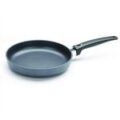
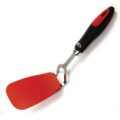
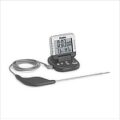
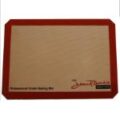
Equipment - You can find the items below at our online store!
Frequently Asked Questions About Potato Latkes Recipe
1. What are potato latkes?
Potato latkes are traditional Jewish potato pancakes typically made from grated potatoes, onions, eggs, and matzo meal or flour. They are seasoned with salt and pepper and fried until golden and crispy. While often associated with Hanukkah, latkes can be enjoyed year-round. They are a symbol of the miracle of the oil that burned for eight days in the Hanukkah story, which is why they are fried in oil.
The crispy texture and savory flavor of potato latkes make them a beloved dish in many households. They can be served with a variety of toppings, from traditional sour cream and applesauce to more modern options like smoked salmon or caviar.
2. What is the origin of potato latkes?
Potato latkes originated in Eastern Europe, where potatoes became a staple food in the 19th century due to their availability and affordability. Initially, latkes were made with various starchy vegetables, but potatoes became the preferred ingredient over time. They are traditionally served during Hanukkah to commemorate the oil miracle, making them a significant part of Jewish culinary heritage.
Over the years, the recipe for latkes has evolved, but the basic ingredients and cooking method have remained largely unchanged. This dish is a testament to the adaptability and resourcefulness of Eastern European Jewish communities.
3. What are the best potatoes for making latkes?
Russet potatoes are the best choice for making latkes due to their high starch content, which helps bind the mixture together and create a crispy texture. Other good options include Yukon Gold or a mix of starchy potatoes like King Edward or German Butterball. The key is to use potatoes that have a relatively low moisture content to ensure the latkes are crispy.
The starch in russet potatoes acts as a natural binder, which is crucial for keeping the latkes intact during frying. Additionally, russets have a neutral flavor that complements the other ingredients without overpowering them.
4. How do you keep latkes from turning brown?
To prevent latkes from turning brown, immediately submerge the grated potatoes in cold water after grating. This helps to remove excess starch and prevents oxidation. Before mixing with other ingredients, make sure to drain the potatoes thoroughly and squeeze out as much liquid as possible using a cheesecloth or a clean dishtowel.
Browning occurs due to the oxidation of potatoes when exposed to air. By soaking them in water, you slow down this process. Additionally, ensuring the potatoes are dry before frying helps achieve the desired crispy texture.
5. Can you freeze potato latkes?
Yes, you can freeze potato latkes. After frying, let them cool completely, then place them in a single layer on a baking sheet and freeze until solid. Transfer the frozen latkes to a resealable plastic bag. To reheat, place them in a 400°F oven until heated through and crispy, about 10-15 minutes.
Freezing latkes is a great way to prepare them in advance for large gatherings or to save leftovers for later. When reheating, the oven method ensures they come out just as crispy as when they were first made.
6. What are traditional toppings for latkes?
Traditional toppings for latkes include sour cream and applesauce. These toppings provide a delicious contrast to the savory and crispy latkes. Sour cream adds a tangy creaminess, while applesauce adds a sweet and fruity flavor. Other popular toppings include smoked salmon, crème fraîche, and caviar.
These toppings not only enhance the flavor of the latkes but also add a layer of richness and complexity. Whether you prefer the traditional or the gourmet, these toppings can elevate your latke experience.
7. Why are my latkes falling apart?
Latkes may fall apart if there is too much moisture in the potato mixture or if the binding ingredients are insufficient. Make sure to drain and squeeze out as much liquid as possible from the grated potatoes. Adding enough eggs and matzo meal or flour helps bind the mixture. Also, ensure the oil is hot enough before frying, as this helps to set the latkes quickly.
If your latkes are still falling apart, try letting the mixture sit for a few minutes before frying. This allows the ingredients to bind together better. Additionally, handling the latkes gently while frying can help maintain their shape.
8. What is the difference between latkes and hash browns?
Latkes are shredded potatoes mixed with onions, eggs, and a binder (matzo meal or flour), then formed into pancakes and fried. Hash browns are typically just shredded potatoes fried until crispy. While both are delicious potato dishes, latkes are more structured and have additional ingredients for flavor and binding.
Hash browns are generally simpler and quicker to make, while latkes require a bit more preparation and seasoning. The inclusion of onions and matzo meal in latkes gives them a distinct flavor and texture that sets them apart from hash browns.
9. Can you make latkes in an air fryer?
Yes, you can make latkes in an air fryer. Preheat the air fryer to 375°F, spray the tops of the latkes with cooking spray, and cook for about 12-16 minutes, flipping halfway through. Air frying results in a less greasy but still crispy latke. Make sure to work in batches to avoid overcrowding the air fryer basket.
Using an air fryer is a healthier alternative to traditional frying methods. It reduces the amount of oil needed while still delivering a crispy and delicious latke. Plus, it’s a convenient option for those looking to cut down on frying time and cleanup.
10. How do you serve potato latkes?
Potato latkes can be served as a side dish or a main course. Traditional pairings include sour cream and applesauce. For a more gourmet approach, serve latkes with smoked salmon, crème fraîche, and a sprinkle of fresh dill. They can also be topped with poached eggs and served with a simple salad for a complete meal.
Latkes are versatile and can be dressed up or down depending on the occasion. Whether served at a festive holiday gathering or a casual brunch, they are sure to be a hit. Experiment with different toppings to find your perfect combination.
11. What is the purpose of using matzo meal in latkes?
Matzo meal is used in latkes as a binder to help hold the mixture together and provide structure. It also adds a subtle flavor that complements the potatoes and onions. If you don’t have matzo meal, you can use flour or breadcrumbs as a substitute.
The choice of binder can affect the texture and flavor of the latkes. Matzo meal gives them a light and crispy texture, while flour or breadcrumbs can make them slightly denser. Using matzo meal is also a way to keep the recipe traditional and kosher for Passover.
12. Why do you need to squeeze the liquid out of the potatoes for latkes?
Squeezing the liquid out of the potatoes is essential to ensure the latkes are crispy and not soggy. Excess moisture can prevent the latkes from forming properly and result in a less desirable texture. Using a cheesecloth or clean dishtowel to squeeze out as much liquid as possible is crucial for achieving the perfect latke.
This step helps concentrate the flavors and starches in the potatoes, making the latkes hold together better during frying. It also ensures that the latkes develop a nice, crispy crust without being weighed down by excess water.
13. Can you make latkes ahead of time?
Yes, you can make latkes ahead of time. Fry them as usual, let them cool completely, and store them in an airtight container in the refrigerator. To reheat, place the latkes in a 200°F oven until they are crispy and heated through, about 10 minutes.
Making latkes ahead of time is a great way to save time during busy holidays or gatherings. Proper storage and reheating ensure that they retain their crispiness and delicious flavor. This way, you can enjoy fresh-tasting latkes without the last-minute rush.
14. What oil is best for frying latkes?
A high-smoke-point oil is best for frying latkes. Options include canola oil, grapeseed oil, avocado oil, and schmaltz (chicken fat) for added flavor. These oils can withstand the high temperatures required for frying without burning, ensuring your latkes are perfectly crispy.
Choosing the right oil not only affects the flavor but also the texture of the latkes. Schmaltz adds a rich, savory flavor, while neutral oils like canola and grapeseed allow the natural flavors of the latkes to shine. Avocado oil is a healthy alternative that also works well due to its high smoke point.
15. How do you know when latkes are done frying?
Latkes are done frying when they are golden brown and crispy on both sides. This typically takes about 3-4 minutes per side. To ensure even cooking, watch the latkes closely and adjust the heat as needed. Once done, transfer the latkes to a paper towel-lined plate to drain excess oil.
The visual cues are essential for determining doneness. The edges should be crisp, and the center should be firm. If the latkes are browning too quickly, reduce the heat slightly to avoid burning the exterior while ensuring the interior is fully cooked.
16. Can you use pre-cooked potatoes for latkes?
While traditional latkes are made with raw grated potatoes, some variations use pre-cooked potatoes. These latkes tend to have a different texture and may require more binders to hold together. However, the classic and preferred method involves using raw grated potatoes for the best texture and flavor.
Pre-cooked potatoes can make the latkes softer and less crispy. If you choose to use them, ensure they are well-drained and consider adding extra matzo meal or flour to help bind the mixture. The flavor profile will also differ slightly, with pre-cooked potatoes offering a milder taste.
17. Why are my latkes greasy?
Latkes can become greasy if the oil is not hot enough when frying. Ensure the oil is at the right temperature (around 350°F) before adding the latke mixture. If the oil is too cool, the latkes will absorb more oil, making them greasy. Also, avoid overcrowding the pan, which can lower the oil temperature.
Maintaining the correct oil temperature is crucial for achieving non-greasy, crispy latkes. Use a thermometer to monitor the oil, and fry in small batches to prevent the temperature from dropping too much. Draining the latkes on paper towels immediately after frying helps remove excess oil.
18. How can I make gluten-free latkes?
To make gluten-free latkes, substitute the matzo meal or flour with gluten-free alternatives such as almond flour, gluten-free breadcrumbs, or a gluten-free flour blend. Ensure all other ingredients are also gluten-free, and follow the same preparation and frying steps.
Gluten-free binders like almond flour add a nutty flavor and maintain the crispy texture of the latkes. It’s important to mix thoroughly to ensure even distribution of the binding agent. Gluten-free latkes can be just as delicious and crispy as their traditional counterparts.
19. What other vegetables can be used to make latkes?
While potatoes are the traditional choice, you can experiment with other vegetables to make latkes. Sweet potatoes, zucchini, carrots, and parsnips all work well. These vegetables can be grated and mixed with the same ingredients used for potato latkes, offering a delicious and colorful twist on the classic recipe.
Vegetable latkes can provide a variety of flavors and textures. Sweet potato latkes are sweeter and denser, while zucchini and carrot latkes are lighter and more delicate. Mixing different vegetables can create unique flavor combinations that appeal to a wide range of palates.
Chef Jean-Pierre, born in Aix-en-Provence, France, honed his culinary skills at a young age, mastering the art of charcuterie by the age of twelve. Determined to become a chef, he began his formal apprenticeship at L'Oustau de Baumaniere in Provence, one of the world’s best restaurants with a 3-star Michelin rating.
Jean-Pierre continued his apprenticeship on the French Riviera where he worked at famous restaurants, such as L’Oasis at La Napoule, Le Vendome in Aix-en-Provence, and the the Carlton in Cannes. In 1976, he opened The Left Bank Restaurant, consistently recognized as one of the best in America for 22 years by magazines like "Bon Appetit," "Conde Nast," "Gourmet Magazine" and "Travel & Leisure."
Jean-Pierre was also a popular TV personality, having hosted National Public Television series like "Incredible Cuisine” and "Sunshine Cuisine." He was also nominated for "Best Culinary Video" by the James Beard Foundation and operated the nationally renowned “Chef Jean-Pierre's Cooking School” and was a sought-after guest on shows like "The Today Show" and "Larry King Live."
With over 2 Million Subscribers to his Chef Jean-Pierre YouTube Channel, he is a widely respected figure in the culinary world, known for his skill and dedication to his craft, but even more so known for making gourmet cooking fun and easy to learn.
Chef Jean Pierre, your enthusiasm for cooking is contagious. Thank you for teaching us how to eat delicious, healthy home cooked meals. Sincerely Jamie Rink
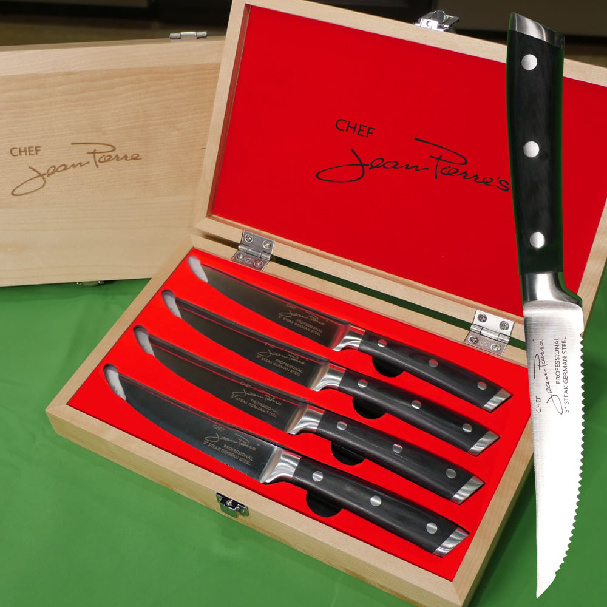
5-inch high-carbon German Stainless Steel blade will effortlessly slice through your steak, bread, vegetables, and fruits. The handle is ergonomically designed Pakka Wood. Makes a perfect gift presented in a beautifully crafted wooden box.













Chef Jean Pierre, your enthusiasm for cooking is contagious. Thank you for teaching us how to eat delicious, healthy home cooked meals. Sincerely Jamie Rink
Chef Jean Pierre’s cooking has aroused my appetite which has made my sublingual glands over flow that I’m going to cook the potato
Had these as a child – always wanted to cook as I remember – this is very close thank you
I’m excited to try it out.