Bold Pesto, Tender Chicken, Parmesan—Classic Flavors Done Right
Hello friends…another delicious pasta today! Today, I’m going to show you how to make Chicken and Pesto Pasta that is so easy, so delicious, you’ll think you’re dining in a five-star restaurant—except you made it in your own kitchen. I mean, come on! Pasta, pesto, and chicken—how can you go wrong?
We’re talking about golden, juicy chicken breast, al dente pasta, and a rich, nutty basil pesto sauce that brings it all together. And if you don’t have homemade pesto in your freezer already—what are you waiting for? It lasts 17 years, I tell you! Okay, maybe not 17, but long enough that you’ll always have it on hand when you need it.
A Brief History of Chicken and Pesto Pasta
Pesto has been around since the Roman Empire—those guys knew what they were doing! They made a version of pesto sauce with crushed garlic, pine nuts, basil, Parmesan, and olive oil. Fast forward a few centuries, and some genius said, “Hey, let’s throw in some pasta and chicken,” and boom! We have this masterpiece.
Now, let me tell you, Italians might argue you should only use pine nuts in your pesto, but I say almonds are just as good, if not better! Use whatever nuts you want—just don’t forget to keep them in the freezer, or they go rancid faster than your neighbor’s cooking.
Essential Tools for Chicken and Pesto Pasta
A Large Skillet or Wok: Friends, if there’s one thing you need for this pasta dish, it’s a proper skillet or wok. And I don’t mean some tiny pan where your chicken is fighting for space like tourists on a crowded beach! No, no, we need room! A good large skillet allows the chicken to cook evenly, giving you that golden brown perfection instead of sad, steamed pieces. You want that caramelization—that beautiful Maillard reaction—because that’s where the flavor is!
A Food Processor: If you’re making homemade pesto, this is non-negotiable. Sure, you could chop everything by hand if you enjoy suffering, but trust me, a food processor makes life easier. You toss in your basil, nuts, garlic, Parmesan, and olive oil, press a button, and voilà! Perfectly smooth, velvety pesto sauce in seconds.
But here’s the trick, friends—don’t just dump everything in and blend it to death. Pulse it! This way, you control the texture. We want a pesto sauce that still has some character, not a green smoothie.
A Pot of Water: Yes, I know—it’s just a pot of water. But listen, pasta cooking is an art! And if you mess this up, you mess up the whole dish. First, make sure your pot is big enough—your pasta needs space to dance! Second, season with salt—and I mean a lot. The water should taste like the sea! Why? Because unsalted pasta is like a sad, bland noodle that needs saving.
And here’s the most important part: Third, save that pasta water! I beg you, don’t just drain it all down the sink. That starchy, liquid gold is the key to silky, restaurant-quality pesto pasta with chicken. A little splash helps the pesto sauce cling beautifully to every bite.
Common Mistakes to Avoid When Making Chicken and Pesto Pasta
Overcooking the Chicken
Friends, I beg you—do not turn your chicken breast into a piece of dry leather! Chicken cooks fast, and if you leave it on the heat too long, it will go from juicy and tender to something you could use to fix your shoes. You want golden brown, beautifully seared chicken with a little caramelization—not something that feels like chewing on cardboard. So, cook it just until it’s juicy and golden, then take it off the heat before it protests!
Forgetting the Pasta Water
I say it every time, and yet people still forget—save that pasta water! That starchy, magical liquid is what makes the difference between a silky, restaurant-quality sauce and a sad, dry bowl of pasta. Just a splash helps everything come together, coating the pasta beautifully instead of leaving you with clumpy noodles. So, before you drain the pasta, scoop out at least a cup of that water. You won’t need all of it, but trust me—you’ll be glad you have it.
Adding Pesto Too Early
Oh no, no, no—pesto sauce does not like heat! If you throw it into a sizzling hot pan, you’ll kill all that fresh basil flavor and turn your gorgeous green pesto into something sad and dull. Instead, remove the pan from the heat first, stir in the pesto, and let the residual warmth do the work. This way, you keep all the bright, nutty, garlicky goodness intact, just as it should be!
Skipping the Parmesan
Listen, friends, if you’re not finishing your chicken pesto pasta with a mountain of grated Parmesan, I don’t know what to tell you. Parmesan cheese adds that perfect nutty, salty punch that ties everything together. And please—real Parmesan, not the stuff in a green can! Grate it fresh, let it melt into the pasta, and enjoy the magic.
Now, don’t say I didn’t warn you! Follow these tips, and your pasta will turn out perfect every single time.
Regional Flavor Profiles
Classic Italian – Traditional basil pesto, olive oil, Parmesan, and penne pasta.
Mediterranean Twist – Throw in sun-dried tomatoes, Kalamata olives, and feta cheese—Holy Macarolie!
Spicy Kick – A little red pepper flakes and Italian seasoning make this dish dance in your mouth.
How to Best Serve Chicken and Pesto Pasta
Plate your pasta hot, top it with a little more pesto, a drizzle of olive oil, and a handful of grated Parmesan. And if you want to take it to the next level—zest a little lemon on top! Trust me, it’s magic.
Side Dish Pairings Suggestions With Your Chicken and Pesto Pasta
Salads! The perfect way to add a fresh and vibrant touch to your meal. Here are some delightful salad recipes that will pair wonderfully with your Chicken and Pesto Pasta:
Classic Caesar Salad – A well-loved staple, the Caesar Salad features crisp romaine lettuce coated in a creamy, garlicky dressing made with Parmesan cheese, lemon juice, Dijon mustard, and anchovies. It’s finished with crunchy croutons and an extra dusting of grated Parmesan for that perfect bite. A timeless favorite its refreshing taste complements the pesto, creating a balanced and satisfying meal.
Spinach Salad with Warm Bacon Dressing – A fresh bed of baby spinach leaves tossed in a warm bacon vinaigrette, featuring crispy bacon bits, sundried tomatoes, and red beets. It’s garnished with hard-boiled eggs and goat cheese for extra depth. This spinach salad is a versatile side that pairs well with hearty dishes.
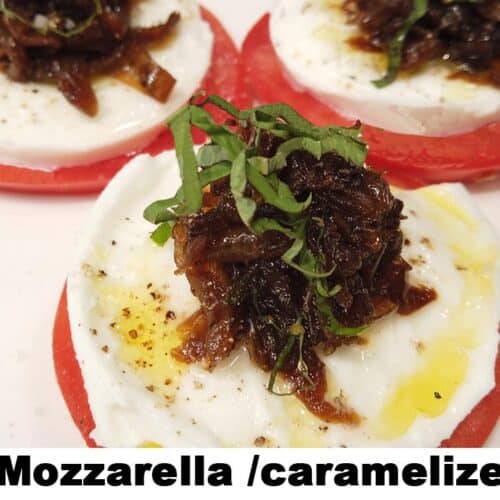
Caprese Salad with Balsamic Glaze – A simple yet elegant Italian salad made with slices of ripe tomatoes, fresh mozzarella, and fragrant basil leaves, all drizzled with extra virgin olive oil and a sweet-tangy balsamic reduction. Its light and refreshing profile with the tomatoes are the perfect match with Chicken and Pesto Pasta.
And of course let’s not forget about garlic bread with your pasta dish! It’s like mac and cheese, or peanut butter and jelly, a match made in culinary heaven! .
Garlic Bread: You can’t have a beautiful bowl of Chicken and Pesto Pasta sitting there all lonely without a crispy, buttery, garlicky sidekick to dance alongside it. The pasta’s got all the pesto goodness, but the garlic bread?
It’s the mop! It scoops up every last drop of that sauce—no flavor left behind. And let’s be honest, who doesn’t love a little crunch to go with all that saucy, cheesy pasta magic? If you’re not serving garlic bread, you might as well forget the wine, too!
Storage and Reheating Best Practices
Friends, if you managed to have leftovers—first of all, congratulations on your self-control! Now, let’s make sure they taste just as amazing the next day.
Storage in the Refrigerator or Freezer
Refrigerator: Store your pasta in an airtight container, and it will stay fresh for up to 3 days. If you can, keep the pesto sauce separate—this way, it stays vibrant and doesn’t lose its fresh basil flavor.
Freezer: Yes, you can freeze it! But let’s do it the right way. Toss your pasta with a little olive oil to keep it from sticking together, store it in a sealed container, and freeze for up to 2 months. If you’re freezing the pesto, put it in small portions—so you can thaw just what you need instead of chipping away at a frozen brick.
Reheating on the Stove (Best Method!)
This is the way to go, my friends! Heat a skillet over medium heat, add a splash of chicken broth or reserved pasta water, and toss in your pasta. Stir gently until it’s warm and creamy again. If the pesto sauce looks dull, add a fresh spoonful at the end—never cook it too much, or it loses its magic!
Reheating in the Microwave (If You Must)
Not my favorite method, but hey, sometimes we’re in a hurry! Place your pasta in a microwave-safe bowl, add a splash of water or chicken broth, cover it with a damp paper towel, and heat in 30-second intervals, stirring in between. This keeps it from drying out and turning into a chewy mess.
Reheating in the Oven (For Large Portions)
Got a lot to reheat? Preheat your oven to 350°F (175°C), place the pasta in an oven-safe dish, add a little broth or cream, and cover with foil. Bake for 15-20 minutes until warmed through. This method keeps it from drying out and brings everything back to life beautifully.
No matter how you reheat it, just don’t overcook it! Pasta should stay creamy and delicious—not turn into something that belongs in a science experiment.
Friends, this is it—Chicken and Pesto Pasta in all its glory. Pasta, chicken, pesto, Parmesan—all the best things in one bowl. If you don’t make this, I don’t know what you’re doing with your life.
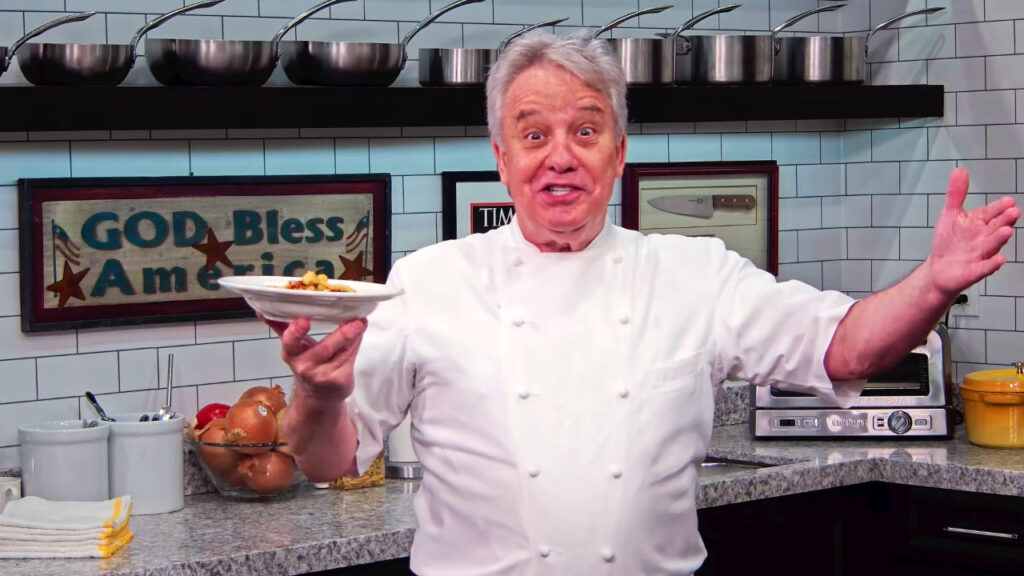
Hello, friends! Welcome to another delicious adventure in my kitchen. Today, I’m showing you how to whip up a Chicken Pesto Pasta that’s so simple, a child could do it—and so tasty, you’ll want to make it every Monday, Tuesday, Wednesday... you get the idea! This dish is all about fresh flavors, a quick sauté, and a pesto you can make ahead and freeze for—oh, let’s say 17 years. Okay, maybe not that long, but it keeps like a champ! Let’s get cooking—grab your pans, and don’t forget to give this recipe a big thumbs up when you’re done! And here's a quick reminder about Mise en Place: Prep like a pro—chop, measure, and organize your ingredients and tools before cooking. It keeps you organized, prevents mid-cooking chaos (no more scrambling for ingredients!), and ensures every step flows smoothly. A little upfront effort transforms you into a pro, making your recipe not just quick but downright delicious!
3/4poundChicken Breast, cut into bite-sized pieces
2tablespoonsGarlic Olive Oil for sautéing
1cupCherry Tomatoes, halved
1/4cupSundried Tomatoes, chopped small
1/4cupKalamata Olives, pitted and halved
1/4cupChicken Stock
2tablespoonsButter
1tablespoonSherry or other Liquor (optional)
Zest of 1 Lemon
Parmesan Cheese, grated, for garnish
Fresh Basil Leaves, for garnish
Get Recipe Ingredients
Prevent your screen from going dark
Recipe Instructions
Cook the Pasta:
First things first, friends—get that pasta going! Fill a big pot with water, salt it like the ocean, and bring it to a boil. Cook the pasta until it’s VERY al dente—about 9 minutes for me, when the box said 10. Drain it and set it aside in a bowl with a drizzle of olive oil to avoid the pasta sticking to each other. I had mine pre-cooked in the video, so you’re starting right where I did!
Sauté the Chicken:
Heat 2 tablespoons of olive oil in a large skillet over medium-high heat—get it nice and hot, around350-365°F. Add the chicken in one layer and sauté for 5-7 minutes, stirring occasionally, until it’s golden brown and cooked through. Look at that color—it’s happiness in a pan!
Make the Pesto (While the Chicken Cooks):
While the chicken’s getting beautiful and golden, let’s whip up the pesto. Toss the basil, roasted almonds, garlic, and a pinch of salt and pepper into a food processor. Pulse it a few times to chop, then drizzle in the olive oil while it runs until it’s smooth and stunning.
Add the Tomatoes and Olives:
Once the chicken’s almost done, throw in the cherry tomatoes, sundried tomatoes, and olives. Sautéthem for 2-3 minutes until the cherry tomatoes soften a little. Chop those sundried tomatoes small—nobody wants a big chewy bite ruining the party!
Stir in Pesto and Stock:
Now, add 2-3tablespoons of that fresh pesto to the skillet—two big spoons, friends! Pour in a splash of chicken stock, about 1/4 cup, and stir it all together. The pesto coats the chicken and veggies, and the stock makes it saucy—just how I did it on camera!
Add the Pasta:
Toss that pre-cooked pasta into the skillet with everything else. Mix it up well—if it looks dry, add a bit more stock or pasta water. We want it silky and perfect, not sticky!
Finish with Butter and Zest:
Stir in the butter until it melts—oh, I almost forgot it in the video, but I got it in there! Add a splash of sherry if you’re feeling adventurous, then zest a lemon right into the pan and mix. That zest is like a little burst of sunshine—it’s magic!
Serve It Up:
Divide the pasta between two plates. Spoon a little extra pesto on top, sprinkle with Parmesan, and add a few fresh basil leaves. Look at that—it’s gorgeous, friends! You’ve just made what I made in the video, step by step!
Pro-Tips
Special Tips and Tricks
Freezing the Pesto:
Got leftover pesto? Put it in a container, drizzle olive oil on top, press plastic wrap onto the surface, and freeze it. It’ll stay good for months—I joked about 17 years in the video, but you get the idea!
Pesto Versatility:
This pesto isn’t just for pasta—use it on fish, veggies, or even a sandwich. It’s a flavor bomb!
Butter Is Key:
Don’t skip the butter—it makes the sauce rich and smooth. I forgot it once on camera and had to scramble—learn from my mistake!
Lemon Zest Trick:
That lemon zest at the end? It’s my secret weapon—brightens everything up in seconds!
There you go, friends!
A Chicken Pesto Pasta that’s quick, delicious, and foolproof. Make it tonight, and don’t forget to tell everyone how easy it was—I’m telling you, it’s a winner! Thumbs up if you love it, and I’ll see you in the kitchen next time!
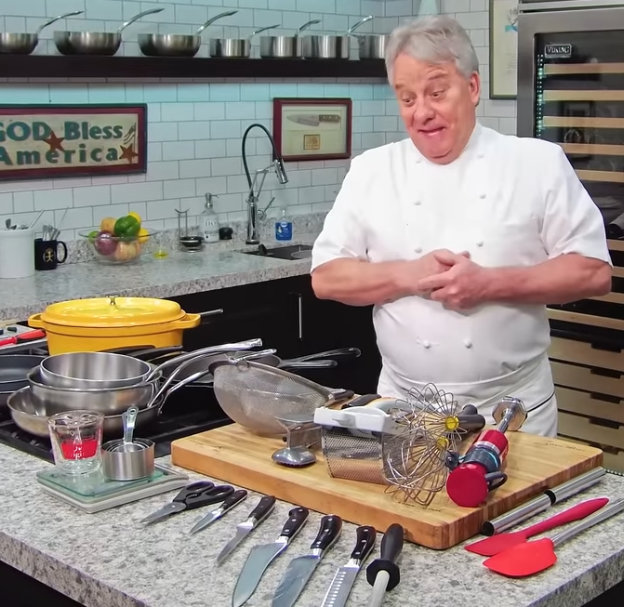
Equipment - You can find the items below at our online store!
Frequently Asked Questions About Chicken and Pesto Pasta
1. Can I use store-bought pesto instead of making homemade pesto?
Yes, you can absolutely use store-bought pesto to save time. Many quality brands offer fresh basil pesto options that work wonderfully in Chicken and Pesto Pasta. Look for pesto made with simple, fresh ingredients like basil, olive oil, garlic, pine nuts or almonds, and Parmesan cheese. It’s a convenient option that still delivers a flavorful dish without the extra step of blending your own pesto.
That said, homemade pesto allows you full control over the flavor and texture. You can adjust the garlic, nut choice, or cheese to suit your preference. Plus, homemade pesto freezes well—up to several months—so you can make a big batch and always have some ready for future meals.
2. What type of pasta works best for Chicken and Pesto Pasta?
Short pasta shapes like penne, fusilli, farfalle, or rotini are ideal because their grooves and twists hold onto the pesto sauce well. Penne is especially popular because it captures the pesto and bits of chicken inside its tubes, ensuring each bite is packed with flavor. These pasta shapes also stand up well to tossing in the skillet without breaking apart.
However, long pastas like spaghetti or linguine can also be used if you prefer. The key is to cook the pasta al dente—firm to the bite—so it doesn’t become mushy when tossed with the sauce and chicken. Make sure to reserve some of the pasta cooking water to help loosen the pesto sauce and create a silky coating on the pasta.
3. Can I use chicken thighs instead of chicken breasts?
Yes, chicken thighs are a fantastic substitute for chicken breasts in Chicken and Pesto Pasta. Thighs offer a juicier, richer flavor due to their slightly higher fat content. They’re also more forgiving during cooking, making them less likely to dry out if slightly overcooked.
Cut chicken thighs into bite-sized pieces before sautéing. The key is to achieve a nice golden brown color on the chicken, ensuring the pieces are seared well but remain tender inside. Either chicken thighs or breasts will deliver delicious results, so it’s a matter of personal preference.
4. Should I reserve pasta water when making Chicken and Pesto Pasta?
Yes, saving some pasta cooking water is essential. Pasta water contains starch, which helps emulsify and bind the pesto sauce to the pasta. When you mix in a few tablespoons of the starchy water, it loosens the sauce without thinning out its flavor and creates a silky texture that clings to every bite.
Before draining the cooked pasta, scoop out at least one cup of pasta water. You can gradually add splashes while tossing the pasta and chicken with the pesto until you achieve the desired consistency. This small step makes a big difference in ensuring your sauce isn’t too thick or clumpy.
5. Can I add vegetables to Chicken and Pesto Pasta?
Yes, adding vegetables is a great way to enhance both flavor and nutrition. Common additions include spinach, cherry tomatoes, sun-dried tomatoes, roasted red peppers, or zucchini. These vegetables complement the herby, garlicky flavors of the pesto without overpowering the dish.
Sauté the vegetables separately or in the same skillet after cooking the chicken. For ingredients like spinach, you can stir them in at the end—they wilt quickly and don’t need much cooking. The result is a vibrant, colorful meal with added texture and variety.
6. What kind of nuts can I use in pesto?
While traditional pesto uses pine nuts, you have several other nut options that work equally well. Almonds, especially roasted slivered almonds, offer a mild, slightly sweet flavor and are commonly used as a substitute. Walnuts, cashews, and pistachios are also excellent alternatives, each bringing their own unique taste.
Toasting the nuts beforehand is highly recommended. Roasting enhances their flavor, adds a bit of crunch, and makes the pesto richer and more aromatic. The type of nut you choose allows you to customize the pesto based on personal preference or what you have on hand.
7. Is Chicken and Pesto Pasta gluten-free?
Traditional pasta is made from wheat, which contains gluten. However, you can easily make Chicken and Pesto Pasta gluten-free by substituting regular pasta with gluten-free options. Pasta made from rice, lentils, chickpeas, or quinoa are all good choices and can be found in most grocery stores.
Make sure to check the ingredients in your pesto as well, particularly if it’s store-bought. Some pre-made pestos may contain gluten-containing additives, though most classic pestos are naturally gluten-free. When in doubt, making your own pesto from scratch guarantees control over all ingredients.
8. Can I make Chicken and Pesto Pasta ahead of time?
Yes, Chicken and Pesto Pasta is perfect for making ahead. You can prepare the pesto sauce in advance and store it in the refrigerator for up to one week or freeze it for several months. The chicken can also be cooked ahead, stored in an airtight container, and reheated when assembling the dish.
If preparing the entire dish in advance, store it in the fridge for up to three days. To reheat, add a splash of chicken broth or reserved pasta water to loosen the sauce and keep the pasta from drying out. This makes it a great option for meal prep and busy weeknights.
9. What’s the best way to reheat Chicken and Pesto Pasta?
The best method is to reheat Chicken and Pesto Pasta gently on the stove. Place the pasta in a skillet over medium heat and add a splash of chicken broth, pasta water, or olive oil. Stir frequently to prevent the pasta and chicken from drying out, heating until warmed through.
If using a microwave, cover the pasta with a damp paper towel and heat in short intervals, stirring in between to distribute heat evenly. Avoid microwaving without any added liquid, as this can cause the pasta to become rubbery and the sauce to lose its creamy consistency.
10. Can I freeze Chicken and Pesto Pasta?
Yes, Chicken and Pesto Pasta freezes well if done properly. To prevent the pasta from sticking, toss it with a little olive oil before freezing. Store it in airtight containers or freezer-safe bags, and it will keep for up to two months.
When ready to enjoy, thaw the pasta overnight in the refrigerator. Reheat it gently on the stove with a splash of broth or water to restore its sauciness. Alternatively, freezing just the pesto sauce separately is an excellent option—it keeps its fresh flavor and can be added to freshly cooked pasta anytime.
11. Can I make Chicken and Pesto Pasta without cheese?
Yes, you can omit cheese or use a dairy-free substitute if needed. Parmesan cheese adds nuttiness and saltiness, but there are many plant-based Parmesan alternatives available that replicate the flavor and texture.
Additionally, the pesto sauce itself can be made without cheese. You can replace Parmesan with nutritional yeast or simply skip it altogether. The basil, garlic, olive oil, and nuts provide enough flavor to create a satisfying sauce even without dairy.
12. What kind of chicken is best for Chicken and Pesto Pasta?
Boneless, skinless chicken breasts are most commonly used because they cook quickly and absorb flavor well. Cutting them into bite-sized pieces ensures even cooking and allows for faster browning without drying out.
If you prefer a juicier, richer flavor, boneless skinless chicken thighs are a great alternative. Thighs retain moisture better and add an extra layer of tenderness to the dish, making them equally suitable.
13. What cheese works best in Chicken and Pesto Pasta?
Parmesan cheese is the classic choice for Chicken and Pesto Pasta. It offers a salty, nutty flavor that enhances the basil pesto sauce and complements the chicken perfectly. Freshly grated Parmesan melts better and has a more pronounced flavor than pre-shredded varieties.
Other cheese options include pecorino romano or mozzarella if you’re looking for a slightly different profile. You can sprinkle the cheese on top before serving or stir it into the sauce for added richness.
14. Can I make Chicken and Pesto Pasta dairy-free?
Yes, you can easily adapt this recipe to be dairy-free. Replace Parmesan cheese with a dairy-free alternative or nutritional yeast to keep the flavor profile balanced without dairy.
Similarly, use a dairy-free pesto—either store-bought or homemade without cheese. For additional richness, finish the dish with extra olive oil instead of butter, and the result will still be full of vibrant flavor.
15. How do I prevent overcooking the chicken?
To avoid overcooking, use medium-high heat and give the chicken plenty of space in the skillet. Overcrowding traps steam and causes the chicken to cook unevenly. Allow the chicken pieces to brown without stirring constantly—this helps them develop a golden crust while keeping the inside juicy.
Cutting the chicken into bite-sized pieces ensures quick, even cooking. Pull the chicken off the heat once it reaches a golden color and is just cooked through, as it will continue to cook slightly while resting.
16. Can I use different herbs instead of basil in pesto?
Yes, pesto is highly customizable. While basil is traditional, you can substitute it with herbs like parsley, arugula, or cilantro. Spinach or kale also work well if you want a milder or slightly different flavor.
Keep in mind that each herb will give the pesto its own unique taste. Adjust other ingredients like garlic and cheese accordingly to balance the flavors. The basic technique remains the same regardless of the greens you choose.
17. What are good side dishes to serve with Chicken and Pesto Pasta?
Garlic bread is a classic side—it’s perfect for soaking up any leftover pesto sauce on your plate. A Caesar salad adds freshness and crunch, balancing the richness of the pasta.
For a vegetable option, roasted vegetables like zucchini, bell peppers, or asparagus pair beautifully with the herby, garlicky flavors of the dish. The slight sweetness and char from roasting complement the savory pasta.
18. Can I use rotisserie chicken instead of cooking fresh chicken?
Yes, rotisserie chicken is an excellent shortcut. Simply shred or cube the cooked chicken and toss it in with the pasta and pesto at the end, just long enough to warm it through.
This approach saves time and still delivers great flavor. It’s perfect for weeknights when you need a quick, satisfying meal but want to minimize prep and cooking time.
19. Can I make this recipe vegetarian?
Yes! Simply omit the chicken and focus on the pesto pasta itself. Add extra vegetables like sautéed mushrooms, cherry tomatoes, spinach, or zucchini for additional flavor and texture.
The pesto sauce remains the star of the dish, providing plenty of bold, herby flavor. You can also consider adding plant-based proteins like chickpeas or tofu if you want to keep it hearty.
20. Is Chicken and Pesto Pasta suitable for meal prep?
Chicken and Pesto Pasta is ideal for meal prep. It stores well in the refrigerator for up to three days and reheats easily with a splash of broth or olive oil to revive the sauce.
To make it even more meal-prep friendly, prepare extra pesto and freeze it in small portions. That way, you can cook fresh pasta and chicken anytime and simply thaw a portion of pesto for an easy, flavorful meal.
Chef Jean-Pierre, born in Aix-en-Provence, France, honed his culinary skills at a young age, mastering the art of charcuterie by the age of twelve. Determined to become a chef, he began his formal apprenticeship at L'Oustau de Baumaniere in Provence, one of the world’s best restaurants with a 3-star Michelin rating.
Jean-Pierre continued his apprenticeship on the French Riviera where he worked at famous restaurants, such as L’Oasis at La Napoule, Le Vendome in Aix-en-Provence, and the the Carlton in Cannes. In 1976, he opened The Left Bank Restaurant, consistently recognized as one of the best in America for 22 years by magazines like "Bon Appetit," "Conde Nast," "Gourmet Magazine" and "Travel & Leisure."
Jean-Pierre was also a popular TV personality, having hosted National Public Television series like "Incredible Cuisine” and "Sunshine Cuisine." He was also nominated for "Best Culinary Video" by the James Beard Foundation and operated the nationally renowned “Chef Jean-Pierre's Cooking School” and was a sought-after guest on shows like "The Today Show" and "Larry King Live."
With over 2 Million Subscribers to his Chef Jean-Pierre YouTube Channel, he is a widely respected figure in the culinary world, known for his skill and dedication to his craft, but even more so known for making gourmet cooking fun and easy to learn.
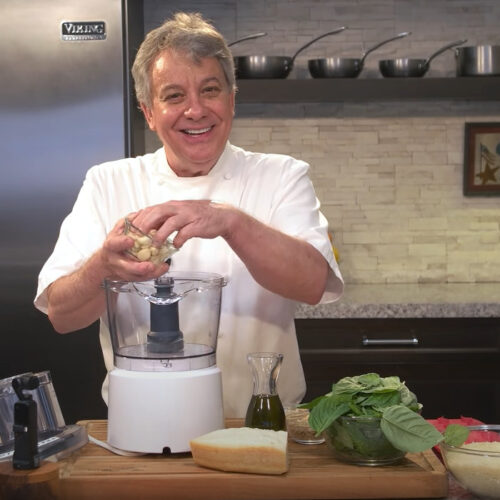
How to Make Basil Pesto - So Easy! A great Pesto is a must have as a condiment for anyone who loves to cook. So delicious with pasta, on top of fish,…
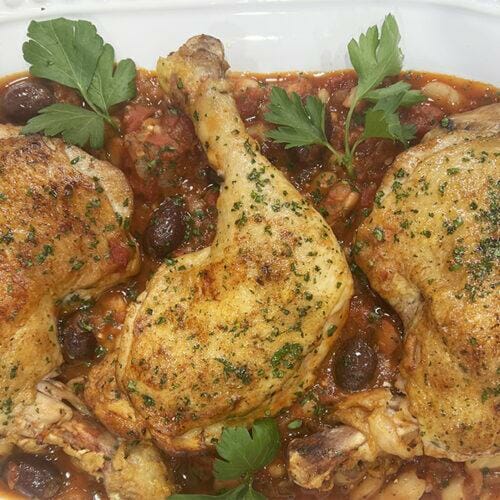
A Delicious Braised Chicken Recipe Are you looking for a delicious weekday dinner recipe that your whole family will love? If so, you'll want to try my Braised Chicken…
4 ounces Parmesan on Cheese Chicken Pesto Pasta Recipe. You did not state when to add in directions or in the video. Dose it go in and when. Your great at teaching cooking you are very entertaining at the same time. How about ham dishes.
I just found your channel and this is the second recipe I tried (butter was the first)- it was a huge hit in my house! Thank you for sharing the tips and tricks- perfect meal which is ready quickly and full of flavor! And there weren’t any leftovers (you called it!)
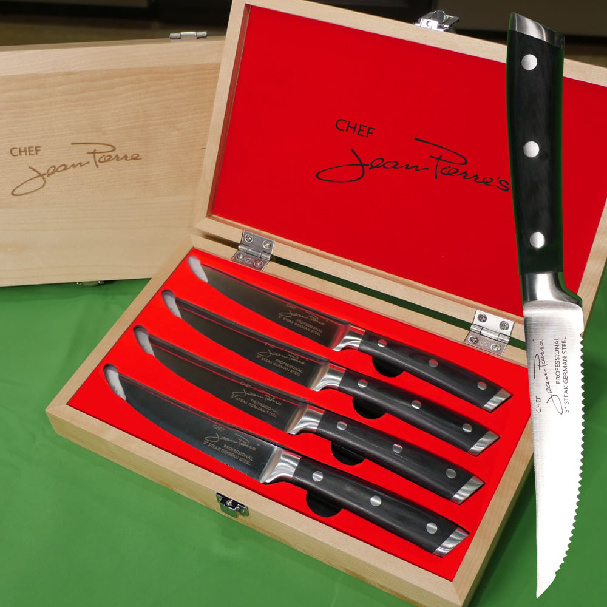
5-inch high-carbon German Stainless Steel blade will effortlessly slice through your steak, bread, vegetables, and fruits. The handle is ergonomically designed Pakka Wood. Makes a perfect gift presented in a beautifully crafted wooden box.











4 ounces Parmesan on Cheese Chicken Pesto Pasta Recipe. You did not state when to add in directions or in the video. Dose it go in and when. Your great at teaching cooking you are very entertaining at the same time. How about ham dishes.
I just found your channel and this is the second recipe I tried (butter was the first)- it was a huge hit in my house! Thank you for sharing the tips and tricks- perfect meal which is ready quickly and full of flavor! And there weren’t any leftovers (you called it!)
The best pesto recipe for sure!
This is new and came out fantastic. Must try. I did.