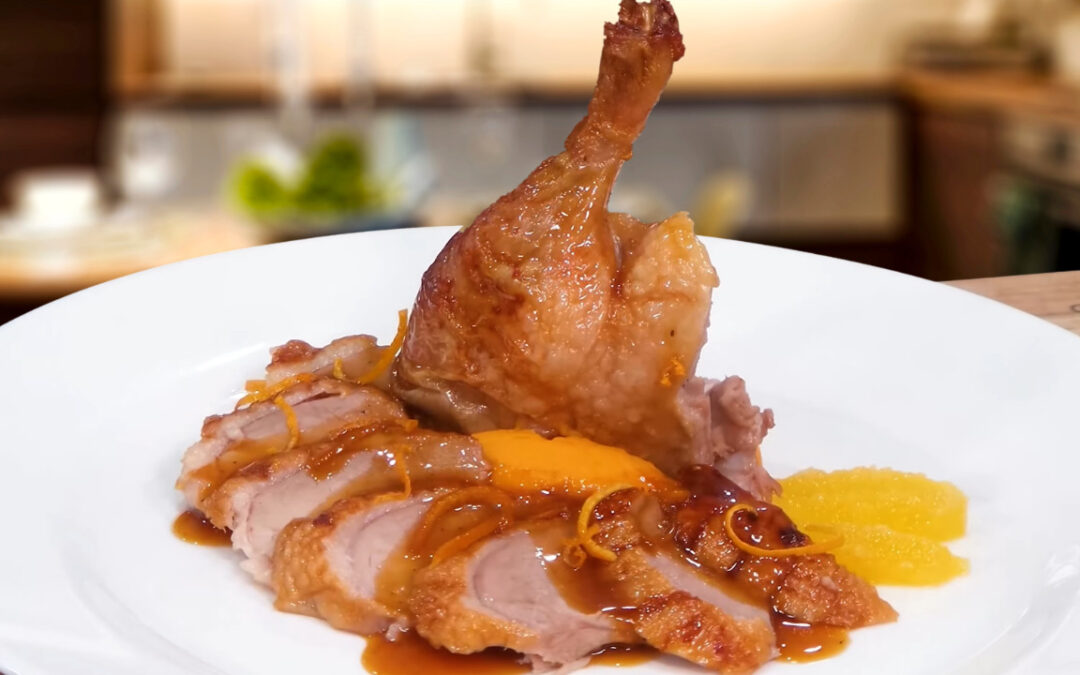
Hello, friends! Let’s dive into the flavors of the 1970s with one of the most celebrated dishes in French cuisine—Duck à l’Orange. This classic recipe features a beautifully roasted duck paired with a rich, caramelized orange sauce that dances between sweet and tangy. It’s a dish that has graced fine dining tables for decades, and today, I’ll guide you through everything you need to know to make this at home. From the crispy skin to the spectacular sauce, you’ll discover why this recipe has remained a favorite among food enthusiasts.
A Brief Historical Context and Cultural Significance
Duck à l’Orange, often synonymous with classic French cuisine, actually has roots that span far beyond France. Early iterations of roasted duck with orange sauce can be traced back to medieval Europe, where citrus fruits symbolized wealth and elegance. Over centuries, the dish evolved, with the French perfecting it into the luxurious version we know today. Its combination of savory duck and vibrant orange sauce makes it a testament to French culinary artistry, bridging tradition and timeless appeal.
Essential Tools for Duck À l’Orange Success
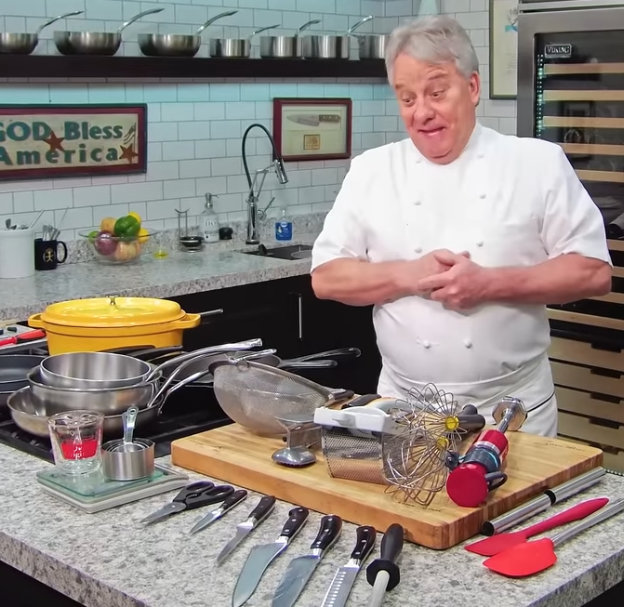
To ensure your Duck À l’Orange is a masterpiece, you’ll need the following tools:
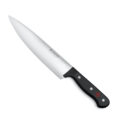
Sharp Chef’s Knife: For scoring the duck skin and segmenting oranges.
Thermometer: To guarantee the perfect internal temperature for moist, tender meat.
Roasting Pan: Ideal for even cooking and collecting those flavorful drippings.
Fine Mesh Strainer: Essential for achieving a smooth, velvety sauce.
Prickly Tool or Paring Knife: To poke small holes in the skin, allowing fat to render and the skin to crisp.
Heavy-Bottomed Saucepan: Perfect for creating the rich orange sauce.
Common Mistakes to Avoid
Cooking Duck À l’Orange can seem intimidating, but avoiding these pitfalls will keep you on track:
Skipping the Dry Brine: Salting the duck and letting it rest uncovered in the fridge ensures the skin crisps up beautifully.
Overcooking the Duck: A thermometer is your best friend. Aim for an internal temperature of 155°F to 160°F for perfectly cooked meat.
Not Properly Scoring the Skin: Make shallow cuts to allow fat to render. Cutting too deep can damage the meat and affect presentation.
Ignoring the Sauce Balance: Duck à l’Orange is all about harmony—too sweet or too sour ruins the dish. Use equal parts sugar and vinegar for the gastrique base.
Flavor Profiles: Regional Duck à l’Orange Styles
While the French version reigns supreme, different regions put their own twist on this dish:
Classic French Duck à l’Orange: Features a caramelized orange sauce with a delicate balance of sweetness and acidity.
Italian Influence: Some variations include balsamic vinegar and rosemary for a more herbaceous touch.
Asian Fusion: A hint of soy sauce and ginger introduces savory depth and umami to the orange sauce.
Each style showcases the versatility of this iconic dish, proving its universal appeal.
How to Best Serve Duck À l’Orange
Duck À l’Orange pairs wonderfully with:
Sweet Potato Soufflé: The light and fluffy texture of sweet potato soufflé beautifully complements the richness of Duck à l’Orange. Its natural sweetness subtly echoes the citrusy orange sauce, creating a harmonious balance on the plate. The creaminess of the soufflé contrasts with the crispy duck skin, offering a well-rounded dining experience. This dish also adds a warm, earthy flavor that enhances the overall meal.
Pommes Anna: Pommes Anna is a classic French potato dish that layers thinly sliced potatoes with butter, baked until crisp and golden. Its buttery richness and delicate texture provide the perfect foil to the tangy orange sauce of Duck à l’Orange. The mild, savory flavor of the potatoes lets the duck shine while adding a satisfying element to each bite.
Honey Glazed Carrots with Orange Zest: The sweet and tangy glaze on these tender carrots complements the flavors of the duck’s orange sauce. The fresh orange zest ties the side dish directly to the main course, creating a cohesive flavor profile. Meanwhile, the carrots’ natural sweetness enhances the dish’s overall balance, making it feel fresh and vibrant.
Storage and Reheating Tips
Duck à l’Orange is just as delightful the next day when stored properly:
Refrigeration: Store leftovers in an airtight container for up to 3 days.
Freezing: Duck can be frozen for up to 3 months. Wrap individual portions in plastic wrap and place in a freezer-safe bag.
Reheating: Reheat duck in the oven at 300°F to retain its crispy skin. For the sauce, reheat gently on the stovetop, whisking to restore its texture.
Friends, Duck À l’Orange is more than just a recipe—it’s an experience that blends culinary tradition with irresistible flavor. Whether it’s the crispy skin, the savory meat, or the caramelized orange sauce, every bite is a celebration.
A Classic French dish Duck A L'Orange combines the rich, savory flavor of roasted duck with a bright, tangy orange sauce. This elegant recipe is perfect for festive occasions or a gourmet dinner at home. Follow these step-by-step instructions to create a beautiful and delicious meal that will impress your guests.
1tablespoonsCornstarch mixed with 2 tablespoons (30ml) Water
Zest of 1 Orange
2tablespoonButter
For the Garnish:
Orange Segments
Get Recipe Ingredients
Prevent your screen from going dark
Recipe Instructions
Prepare the duck by trimming excess skin, removing giblets, and patting it dry. Poke small holes in the skin to help render fat during cooking. Dry-brine the duck by generously salting the skin and inside cavity, then place it uncovered in the refrigerator for 24 hours.
While the duck brines, prepare the duck stock. In a large pot, combine chopped duck neck, wings, onion, carrots, celery, leek, star anise, garlic, and peppercorns. Add water to cover, bring to a boil, reduce the heat and simmer for 3-4 hours. Strain the stock and set reserve.
Preheat Oven to 375°F (190°C)
Rinse the duck in ice water to remove excess salt, pat it dry, and score the skin without cutting into the meat. Place it in a roasting pan or a drying rack on a bed of onion. Roast for 2 hours or until the internal temperature reaches 155°F (68°C).
While the duck roasts, make the glaze. Combine honey, soy sauce, and star anise in a small saucepan and simmer until slightly thickened. Brush the glaze over the duck during the last 10 minutes of roasting and increase the oven temperature to 500°F (260°C) to achieve a golden brown finish.
For the Orange Sauce, combine sugar and vinegar in a saucepan over medium heat to create a caramel. Carefully add the duck stock, orange juices, and orange zest. Simmer until reduced, then thicken with cornstarch slurry. Stir in butter off heat until smooth and glossy.
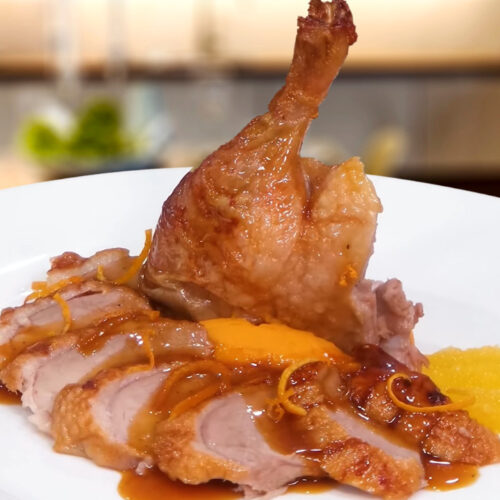
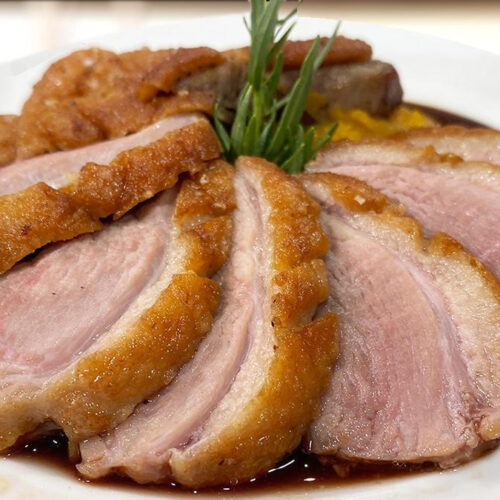
Carve the duck by removing the legs and slicing the breast meat. Serve with orange sauce drizzled on top or on the side. Garnish with orange segments if desired.
Pro-Tips
Cooking Time:For a defrosted 5 pound Duck, cook for about 2 hours for an internal temperature of 160; for a 6 pound duck, cook for another 20 minutes (total cooking time should be about 20 minutes per pound.
Pro-Tip: Achieving Crispy Skin Every Time
For irresistibly crispy duck skin:
Dry Brine Overnight: Salting the duck and leaving it uncovered in the fridge for 24 hours dries out the skin.
Score Thoughtfully: Shallow cuts allow fat to render while keeping the meat intact.
Roast Smartly: Start at a higher temperature for an initial crisp, then lower it to finish cooking evenly.
Use a Rack: Elevating the duck prevents it from sitting in its rendered fat, ensuring every bit of the skin stays crisp.
Bonus Pro-Tip: Mastering the Orange Sauce
The sauce is the soul of Duck à l'Orange. Here’s how to elevate it:
Gastrique Balance: Start with equal parts sugar and red wine vinegar to achieve a base that’s neither too sweet nor too acidic. Let it caramelize to a golden amber before adding stock and orange components.
Use Concentrate Sparingly: Orange concentrate enhances sweetness, but too much can overwhelm. Blend with freshly squeezed juice for a bright, natural flavor.
Finish with Butter: Whisk in cold butter off the heat for a glossy, rich finish. This step transforms the sauce into a silky masterpiece.
Equipment - You can find the items below at our online store!
Duck à l’Orange Recipe is a French dish featuring roasted duck paired with a tangy orange sauce. It combines the rich flavors of duck with a sweet and sour orange glaze, creating a perfect balance of savory and citrus.
2. What type of duck is best for Duck À l’Orange Recipe?
Choose a whole duck with good fat content, such as Pekin or Mallard. These varieties render enough fat during cooking to achieve a tender, flavorful result and help make the skin crispy.
3. How do I make the skin crispy?
To achieve crispy skin, dry the duck thoroughly with paper towels, poke small holes in the skin to help fat render, and dry-brine it overnight in the fridge with kosher salt. Roasting at the correct temperature will also help crisp up the skin.
4. What temperature should Duck À l’Orange Recipe be cooked to?
Duck is best cooked to an internal temperature of 155°F to 160°F. Use a thermometer to check the thickest part of the duck for accurate results and avoid overcooking.
5. What is the secret to a perfect orange sauce?
The orange sauce starts with a balanced gastrique made from equal parts sugar and vinegar. Add orange zest, freshly squeezed orange juice, and a bit of orange concentrate for depth. Finish with butter to achieve a smooth, rich consistency.
6. How long does it take to make Duck à l’Orange Recipe?
Cooking a whole duck takes about 2 hours, including preparation time. The sauce can be made while the duck roasts, ensuring a cohesive cooking process.
7. Can Duck à l’Orange Recipe be made with duck breasts instead of a whole duck?
Yes, duck breasts can be used for a quicker version of the recipe. Sear the breasts skin-side down until crispy, then finish cooking in the oven and serve with the orange sauce.
8. How can I avoid making the sauce too sweet or too sour?
Balance is key in the sauce. Use equal parts sugar and vinegar for the base and adjust sweetness with orange concentrate. Adding orange zest will enhance the citrus flavor without overwhelming the sauce.
9. What side dishes pair well with Duck À l’Orange Recipe?
Pair this dish with buttery Pommes Anna, sweet potato mash, or roasted vegetables like carrots and Brussels sprouts. These sides complement the rich duck and tangy orange sauce.
10. Can I prepare Duck À l’Orange Recipe ahead of time?
Yes, you can prepare the duck and sauce a day in advance. Store the duck uncovered in the fridge to maintain crispy skin, and reheat in the oven before serving. Reheat the sauce gently on the stovetop.
11. What tools do I need for Duck À l’Orange Recipe?
Essential tools include a roasting pan, a sharp knife for scoring the skin, a meat thermometer, and a saucepan for the sauce. A prickly tool or paring knife is also helpful for creating small holes in the skin.
12. What wine pairs best with Duck À l’Orange Recipe?
Pair Duck À l’Orange Recipe with a medium-bodied red wine like Pinot Noir or a slightly sweet white wine such as Gewürztraminer. Both balance the dish’s rich and tangy elements.
13. Can Duck À l’Orange Recipe be frozen?
Yes, it can be frozen. Wrap the duck in plastic wrap and store in a freezer-safe bag for up to 3 months. The sauce should be stored separately in an airtight container.
14. How do I reheat Duck À l’Orange Recipe?
Reheat the duck in the oven at 300°F to preserve its crispy skin. The sauce should be reheated gently on the stovetop and whisked to restore its texture.
15. What is the difference between Duck À l’Orange Recipe and Duck Confit?
Duck À l’Orange Recipe is roasted duck served with orange sauce, while Duck Confit is duck slowly cooked in its own fat. The latter has a richer, more concentrated flavor and is prepared differently.
16. Is it possible to make Duck À l’Orange Recipe healthier?
To make the dish healthier, use less sugar in the sauce and trim excess fat from the duck before cooking. Opt for fresh orange juice over concentrate for a more natural sweetness.
17. What are common mistakes to avoid when making Duck À l’Orange Recipe?
Common mistakes include not drying the duck thoroughly, overcooking the meat, and making the sauce overly sweet or sour. Using a thermometer and following proper sauce ratios can prevent these errors.
18. Can I use other citrus fruits in Duck À l’Orange Recipe?
Yes, you can experiment with other citrus fruits like blood oranges, mandarins, or grapefruit for a unique twist on the traditional orange sauce.
19. How do I know when the duck is done?
Check the internal temperature with a meat thermometer. The duck is done when it reaches 155°F to 160°F. Look for golden brown, crispy skin as an additional visual cue.
20. What makes Duck À l’Orange Recipe a classic French dish?
Duck À l’Orange Recipe exemplifies French cuisine’s emphasis on balance and technique. Its combination of rich duck and vibrant citrus sauce showcases the elegance and complexity of French cooking traditions.
Chef Jean-Pierre, born in Aix-en-Provence, France, honed his culinary skills at a young age, mastering the art of charcuterie by the age of twelve. Determined to become a chef, he began his formal apprenticeship at L'Oustau de Baumaniere in Provence, one of the world’s best restaurants with a 3-star Michelin rating.
Jean-Pierre continued his apprenticeship on the French Riviera where he worked at famous restaurants, such as L’Oasis at La Napoule, Le Vendome in Aix-en-Provence, and the the Carlton in Cannes. In 1976, he opened The Left Bank Restaurant, consistently recognized as one of the best in America for 22 years by magazines like "Bon Appetit," "Conde Nast," "Gourmet Magazine" and "Travel & Leisure."
Jean-Pierre was also a popular TV personality, having hosted National Public Television series like "Incredible Cuisine” and "Sunshine Cuisine." He was also nominated for "Best Culinary Video" by the James Beard Foundation and operated the nationally renowned “Chef Jean-Pierre's Cooking School” and was a sought-after guest on shows like "The Today Show" and "Larry King Live."
With over 2 Million Subscribers to his Chef Jean-Pierre YouTube Channel, he is a widely respected figure in the culinary world, known for his skill and dedication to his craft, but even more so known for making gourmet cooking fun and easy to learn.
Duck Confit Recipe – Easy and Delicious! If you're looking for an easy and delicious duck confit recipe, look no further! Whether cooking for your family or a fancy dinner party,…
I made this along with the pommes Anna and the honey glazed carrots. I made two ducks at once in my oven, at 375F, and they cooked too fast. They were at 205F internal temperature when cooking time had elapsed to 1:45. I wonder if 375 for initial crisping of the skin is better, followed by lowering to 330-350 range for the last 1:45 of cooking.
Absolutely amazing recipe!!!
We made the Duck a l’ Orange for our Solstice dinner.
Absolutely amazing flavor, tender, and juicy!
The recipe was easy to follow and the ingredients were easy to come by, which is very helpful!
Thank you so much Chef Jean Pierre!!!
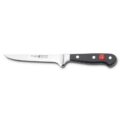
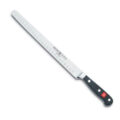
5-inch high-carbon German Stainless Steel blade will effortlessly slice through your steak, bread, vegetables, and fruits. The handle is ergonomically designed Pakka Wood. Makes a perfect gift presented in a beautifully crafted wooden box.

 Hello, friends! Let’s dive into the flavors of the 1970s with one of the most celebrated dishes in French cuisine—Duck à l’Orange. This classic recipe features a beautifully roasted duck paired with a rich, caramelized orange sauce that dances between sweet and tangy. It’s a dish that has graced fine dining tables for decades, and today, I’ll guide you through everything you need to know to make this at home. From the crispy skin to the spectacular sauce, you’ll discover why this recipe has remained a favorite among food enthusiasts.







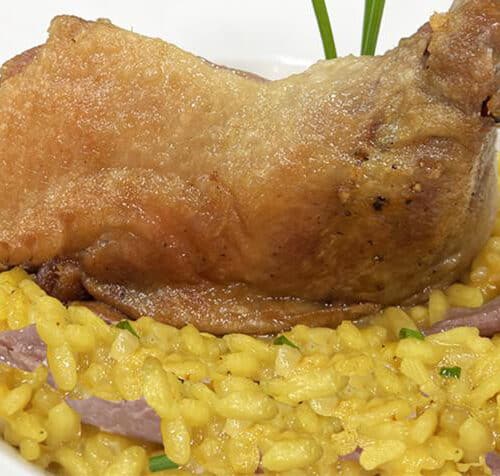



I had never made it before, but was so enthused by the video I decided to try it. My excellent cook friend had seconds. 🙂
I made this along with the pommes Anna and the honey glazed carrots. I made two ducks at once in my oven, at 375F, and they cooked too fast. They were at 205F internal temperature when cooking time had elapsed to 1:45. I wonder if 375 for initial crisping of the skin is better, followed by lowering to 330-350 range for the last 1:45 of cooking.
The sauce is amazing! This was my first duck and it turned out good because of Chef is an amazing teacher
Absolutely amazing recipe!!!
We made the Duck a l’ Orange for our Solstice dinner.
Absolutely amazing flavor, tender, and juicy!
The recipe was easy to follow and the ingredients were easy to come by, which is very helpful!
Thank you so much Chef Jean Pierre!!!