The Complete Guide to Homemade Ranch, Vinaigrette, Honey Mustard, Blue Cheese & More
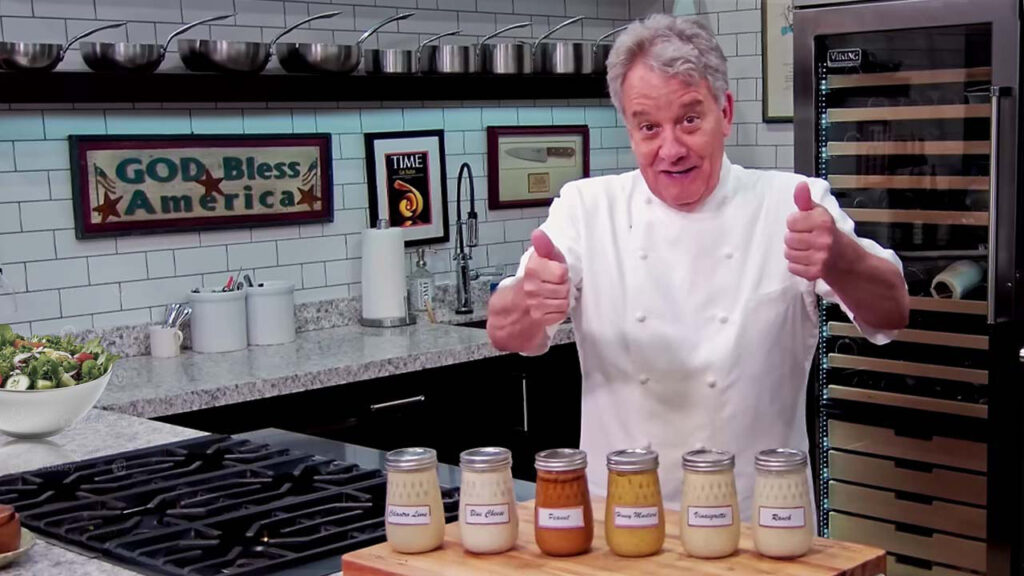
Today, my friends, we are making six delicious homemade salad dressings: Ranch, Classic Vinaigrette, Honey Mustard, Peanut-Ginger, Blue Cheese, and Cilantro-Lime. And remember, a good homemade dressing should be so delicious you could drink it!
Would you ever consider drinking that bottled dressing from the grocery store? I don’t think so! The secret is fresh ingredients and the right balance—not too oily, not too acidic, not too thick, and not too thin.
I’ll show you how simple it is, and once you make your own, you may never buy bottled dressing again!
Jump to Your Homemade Salad Dressings Recipes
These six Homemade Salad Dressing Recipes each demonstrate a slightly different principle.
Combines mayonnaise, sour cream, buttermilk, fresh onion, garlic, dill, chives, parsley, and lemon. The goal is creamy but still pourable, with freshness coming from the herbs and lemon.
This recipe teaches the most important lesson about balancing oil and acid. Dijon mustard helps emulsify the oil and vinegar, while lemon, shallots, parsley, garlic, salt, and pepper build flavor.
This Honey Mustard Dressing Recipe is all about balance. You don’t want so much honey that all you taste is sweetness or so much mustard that it becomes aggressively tart.
Combines peanut flavor with garlic, ginger, lemon, rice vinegar, tamari, a little sweetness, neutral oil, sesame oil, herbs, and a touch of heat. The peanut should be present without overwhelming everything else.
Your Blue Cheese Dressing depends heavily on the quality and texture of the bluecheese. Be sure to keep some pieces of your cheese intact instead of blending the dressing completely smooth.
This amazing dressing gets its freshness from cilantro, lime juice, lime zest, fresh ginger, garlic, yogurt, oil, and a little sweetness to balance the acidity.
Homemade Salad Dressings Key Takeaways
Fresh ingredients make the difference. Fresh garlic, herbs, lemon juice, lime juice, ginger, and shallots give homemade dressing the flavor that makes it worth preparing yourself.
Taste before you declare it finished. Acidity, salt, pepper, sweetness, thickness, and richness should all be adjusted until no single ingredient overwhelms everything else.
Don’t blindly follow an oil-to-vinegar formula. Different vinegars have different acidity levels, so start conservatively and adjust by taste.
Give fresh ingredients time to work. Garlic, shallots, herbs, and other aromatics continue releasing flavor after the dressing is prepared.
Three Common Homemade Salad Dressings Mistakes — and How to Fix Them
1. Using Dry Ingredients When Fresh Ones Matter
One of the biggest advantages of making dressing yourself is freshness. If you’re making ranch, for example, fresh garlic, onion, dill, chives, parsley, and lemon give you a completely different result than building the entire thing around powders. Fresh ingredients provide texture, aroma, brightness, and flavor.
How to fix it: If the dressing tastes flat, look first at your aromatics and acid. Fresh lemon or lime juice and freshly chopped herbs can completely wake up a dressing.
2. Following an Oil-to-Vinegar Ratio Instead of Your Taste Buds
You hear that vinaigrette should always be two-to-one or three-to-one. Forget that. The correct amount of vinegar depends on the vinegar you’re using. A strong vinegar may require less. A mild vinegar may require more.
Start with the oil, add some vinegar, emulsify it, and taste it. If all you taste is oil, you need more acid. If the vinegar punches you in the face, you’ve gone too far.
Cooking should have rules, but your tongue gets a vote!
3. Why Is My Vinaigrette Separating?
Oil and vinegar naturally separate because they don’t want to stay together. For a creamy, unified vinaigrette, use an emulsifier such as Dijon mustard and blend the mixture thoroughly. An immersion blender works beautifully because it breaks the mixture into tiny droplets and creates the smooth texture you’re looking for.
This is what transforms something that tastes like oil and vinegar into a vinaigrette that tastes like one finished dressing.
If you don’t have an immersion blender, you can use a regular blender. You can even shake the dressing vigorously in a sealed container, although the emulsion may not be quite as strong.
What Tools Do You Need to Make Homemade Salad Dressings?
You don’t need a kitchen full of equipment. The most useful tools are:
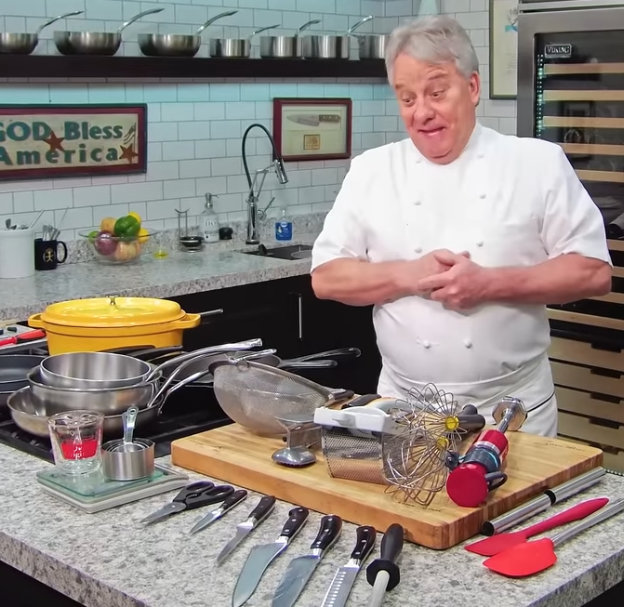
Immersion blender: Excellent for creating a stable, creamy vinaigrette and blending dressings smoothly.
Regular blender: A good alternative when an immersion blender isn’t available.
Mixing bowl and spoon: Perfect for chunky dressings such as blue cheese, where you want to preserve pieces of cheese.
Microplane: Ideal for getting fragrant lime zest into cilantro lime dressing.
Citrus squeezer: Makes it easy to add fresh lemon and lime juice as you taste and adjust.
The most important tool, however, is the one between your ears. And your tongue!
Taste the dressing. Adjust it. Taste it again.
The Six Homemade Salad Dressing Recipes
Fresh Ranch Dressing
The goal is creamy but still pourable, with freshness coming from the herbs and lemon.
A good ranch dressing should taste fresh, creamy, and bright, not like garlic powder and dried herbs. This version uses real onion, fresh garlic, dill, chives, parsley, and lemon juice. The mayonnaise and sour cream provide richness, while cultured buttermilk gives the dressing its characteristic tang and keeps it from becoming too thick. Make it several hours ahead if possible. This allows the garlic, onion, and herbs to release their flavor and turn a simple creamy dressing into something exceptional.
In a mixing bowl, combine the mayonnaise and sour cream until smooth.
Add the cultured buttermilk and mix thoroughly. The dressing should be creamy and pourable, but not thin. Add a little more buttermilk if you prefer a looser consistency.
Add the red onion, garlic, dill, chives, parsley, lemon juice, salt, and black pepper. Mix until everything is evenly distributed.
Taste the dressing. Add more lemon juice if it needs brightness and adjust the salt and pepper as necessary. The acidity wakes up the herbs and prevents the dressing from tasting heavy.
Cover and refrigerate for at least 2 hours before serving. The garlic, onion, and herbs need time to release their flavors into the dressing.
Pro-Tips
Chef’s Notes
Use full-fat cultured buttermilk for the best flavor and texture.
Fresh garlic, onion, and herbs are what distinguish homemade ranch from bottled dressing.
The garlic flavor will become stronger as the dressing rests, so do not add too much before refrigerating it.
For a thinner salad dressing, add additional buttermilk 1 tablespoon at a time. Keep it thicker when using it as a dip.
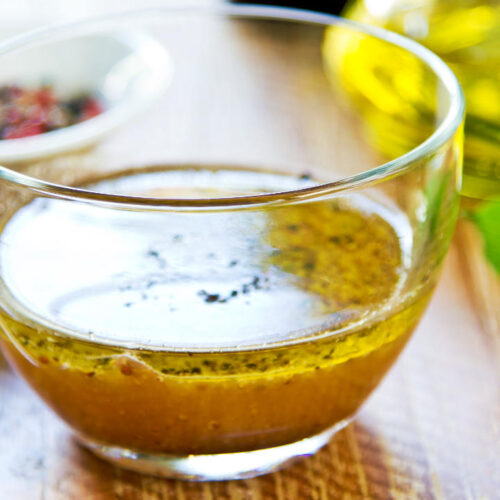
A proper vinaigrette is not based on a rigid oil-to-vinegarformula because every vinegar has a different level of acidity. The correct balance comes from tasting and adjusting. Dijon mustard acts as the emulsifier, helping the oil and vinegar become one creamy dressing instead of two separate ingredients. Fresh lemon juice adds brightness, while shallots and parsley provide texture, color, and a delicate onion flavor. Once you understand the balance between fat and acid, you can adapt this vinaigrette to almost any salad.
1½ cuphigh-quality extra virgin Olive Oilplus more to taste
¼ cupRed Wine Vinegar or Balsamic Vinegarplus more to taste
2tbspDijon Mustard
1tbspGarlicsliced or roughly chopped
¾ tspKosher Saltplus more to taste
½ tspFreshly Ground Black Pepperplus more to taste
3tbspFresh Lemon Juiceplus more to taste
¼ cupShallotfinely chopped
2tbspFresh Parsleyfinely chopped
Get Recipe Ingredients
Prevent your screen from going dark
Recipe Instructions
Combine the oil, red wine vinegar, Dijon mustard, garlic, salt, and black pepper in a tall container suitable for an immersion blender.
Blend until the dressing becomes smooth, creamy, and completely emulsified. The Dijon mustard holds the oil and vinegar together so they taste like one unified dressing.
Taste the vinaigrette. If it tastes too oily, add a little more vinegar. If it is too acidic, add more oil. The correct ratio depends on the strength of your vinegar, so always trust your palate rather than a fixed formula.
Add the fresh lemon juice and blend briefly. Lemon juice brightens the dressing and wakes up the other ingredients without replacing the flavor of the vinegar.
Stir in the chopped shallot and parsley by hand. Do not blend them; the small pieces provide texture, color, and a delicate onion flavor.
Taste once more and adjust the vinegar, lemon juice, salt, and pepper. The dressing should be pourable, creamy, and balanced—not aggressively oily or sour.
Refrigerate for 2 to 3 hours before serving so the shallot can release its flavor.
Pro-Tips
Chef’s Notes
Red wine vinegar keeps the vinaigrette attractive and light in color. Balsamic vinegar is delicious but will produce a brown dressing which is not very attractive on a salad.
A standard blender may be used instead of an immersion blender. Shaking the ingredients in a tightly sealed jar will work, although the emulsion may not be as stable.
If you add fresh herbs or shallots, use the dressing within approximately 2 weeks. A basic vinaigrette without them will last longer.
Taste before every use and shake or stir if the vinaigrette has been refrigerated.
Honey mustard dressing must have the right balance: enough honey to soften the mustard, but not so much that the dressing becomes sugary. Dijon mustard gives it character, Greek yogurt adds tang, and mayonnaise provides a smooth, creamy texture. Acacia honey is particularly good because its delicate flavor does not overwhelm the other ingredients. Fresh garlic, parsley, and lemon juice keep everything lively. This is an easy dressing to adjust, so taste it carefully and let the balance—not an exact measurement—guide the final result.
¼ tspFreshly Ground Black Pepperplus more to taste
Get Recipe Ingredients
Prevent your screen from going dark
Recipe Instructions
In a mixing bowl, combine the mayonnaise and Greek yogurt until smooth.
Add the Dijon mustard, honey, parsley, garlic, lemon juice, salt, and black pepper.
Mix thoroughly until the honey and mustard are completely incorporated and the dressing is smooth and creamy.
Taste the dressing. Add more Dijon if the mustard needs to be more present. Add a little more honey if the dressing is too sharp, but do not make it excessively sweet.
Adjust the lemon juice, salt, and pepper. The lemon juice should brighten the dressing without making it sour.
Cover and refrigerate for at least 2 hours before serving. This gives the garlic time to release its flavor and allows the ingredients to marry.
Pro-Tips
Chef’s Notes
Dijon mustard is important in this recipe because it provides both flavor and a smooth texture.
Acacia honey is mild and delicate. If using a stronger honey, begin with slightly less and adjust after tasting.
The dressing should be creamy but pourable. If necessary, thin it with a small amount of water or additional lemon juice.
Refrigerate in a covered container and use within 7 to 10 days.
With Cilantro & Ginger combines peanut flavor with garlic, ginger, lemon, rice vinegar, tamari, a little sweetness, neutral oil, sesame oil, herbs, and a touch of heat. The peanut should be present without overwhelming everything else.
This peanut dressing is creamy and nutty without allowing the peanut flavor to overwhelm everything else. Fresh ginger, garlic, cilantro, lemon juice, rice vinegar, tamari, and hot sauce create layers of flavor, while a small amount of toasted sesame oil adds aroma. The neutral oil brings everything together into a smooth emulsion. The key is to taste at the end and adjust the acidity. You should recognize the peanut, but you should also be able to taste the ginger, citrus, soy, and herbs.
Place the peanut butter, garlic, ginger, lemon juice, salt, black pepper, honey, rice vinegar, tamari, hot sauce, cilantro, grapeseed oil, and toasted sesame oil in a tall container suitable for an immersion blender.
Blend until completely smooth and emulsified. The dressing should be creamy and fluid enough to pour.
Taste the dressing carefully. Add more rice vinegar and lemon juice if the peanut butter makes it taste too rich or heavy. Acidity wakes up the other ingredients and keeps the peanut flavor from dominating.
Adjust the salt, tamari, honey, or hot sauce as needed. You should be able to identify the peanut, ginger, citrus, cilantro, and sesame without any one flavor overwhelming the others.
If the dressing is too thick, blend in water 1 tablespoon at a time until it reaches the desired consistency.
Cover and refrigerate for at least 2 hours before serving to allow the flavors to develop.
Pro-Tips
Chef’s Notes
Use unsweetened peanut butter to control the sweetness.
Toasted sesame oil is powerful. Use only a small amount so it remains in the background.
A regular blender may be used instead of an immersion blender.
The dressing will thicken when refrigerated. Stir in a small amount of water before serving if necessary.
Refrigerate in a covered container and use within 7 to 10 days.
The quality of a blue cheese dressing depends primarily on the cheese. Choose a creamy, flavorful blue cheese such as Roquefort, Stilton, or a good American blue. Greek yogurt and mayonnaise create the base, while buttermilk keeps the dressing pourable. Garlic, Worcestershire sauce, cayenne, and cream remain in the background, supporting the cheese without competing with it. Most importantly, mix this dressing by hand. Those irregular pieces of blue cheese provide the texture that makes a proper blue cheese dressing so satisfying.
2tbspHeavy Cream or Additional Cultured Buttermilk
4ozCreamy Blue Cheesecrumbled
Get Recipe Ingredients
Prevent your screen from going dark
Recipe Instructions
In a mixing bowl, combine the Greek yogurt and mayonnaise until smooth.
Add the garlic, salt, black pepper, cayenne, Worcestershire sauce, buttermilk, and heavy cream. Mix until evenly combined.
Add the crumbled blue cheese and fold it into the dressing by hand. Gently press any excessively large pieces with the back of a spoon, but do not make the dressing completely smooth.
Taste and adjust the salt. Blue cheese varies considerably in saltiness, so the final seasoning must be determined after the cheese has been added.
Adjust the consistency with additional buttermilk if necessary. The dressing should be creamy and pourable while still holding visible pieces of cheese.
Cover and refrigerate for at least 2 hours before serving. The garlic and cayenne will become more noticeable as the dressing rests, so do not over-season it immediately.
Pro-Tips
Chef’s Notes
Roquefort is creamy, pungent, and slightly sharp. Stilton is generally milder. Either works well, and the two may be combined.
Do not use a blender or food processor. The pieces of blue cheese are an important part of the dressing’s texture.
Cayenne and Worcestershire sauce should remain in the background. Neither should be identifiable as a dominant flavor.
Heavy cream softens the sharp edges of the cheese. If you do not have it, use additional buttermilk.
Refrigerate in a covered container and use within 7 to 10 days.
This cilantro-lime dressing is creamy, fresh, and aromatic, with enough sweetness to balance the natural sharpness of the lime. Greek yogurt provides body, olive oil makes it silky, and both lime zest and fresh lime juice create a bright citrus flavor. Maple syrup rounds out the acidity without making the dressing taste sugary. Fresh cilantro, garlic, ginger, and a small amount of ground coriander add depth. Make it several hours ahead so those background flavors have time to develop and marry properly.
½ cupLemon-Infused Olive Oil or Extra-Virgin Olive Oil
Zest of 1 Lime
2tbspPure Maple Syrupplus more to taste
2tspGarlicroughly chopped
2tspFresh Cilantroroughly chopped
2tspFresh Gingerpeeled and roughly chopped
3tbspFresh Lime Juiceplus more to taste
½ tspKosher Saltplus more to taste
¼tspFreshly Ground Black Pepper
¼tspGround Corianderoptional
Get Recipe Ingredients
Prevent your screen from going dark
Recipe Instructions
Place the Greek yogurt, olive oil, lime zest, maple syrup, garlic, cilantro, ginger, lime juice, salt, black pepper, and ground coriander in a tall container suitable for an immersion blender.
Blend until smooth, creamy, and fully emulsified. The dressing should have a pale green color and a pourable consistency.
Taste and adjust the balance. Add more lime juice if it needs brightness or a little more maple syrup if the lime is too sharp. The maple syrup should soften the acidity without making the dressing noticeably sweet.
Adjust the salt and pepper. If the dressing is too thick, blend in a small amount of water or additional lime juice.
Cover and refrigerate for at least 2 to 3 hours before serving. For the fullest flavor, prepare it one day ahead. The garlic, ginger, cilantro, and coriander need time to release their flavors.
Pro-Tips
Chef’s Notes
Always use fresh lime juice. Bottled lime juice will not provide the same clean, bright flavor.
Lime zest contains concentrated aromatic oils and is essential to making the lime flavor noticeable.
Ground coriander should remain in the background. It adds complexity without making the dressing taste strongly of coriander.
A standard blender may be used instead of an immersion blender.
Refrigerate in a covered container and use within 7 to 10 days.
How Do You Store Different Homemade Salad Dressings?
Homemade dressing should be refrigerated because these recipes use fresh ingredients. I recommend making several of them ahead because ingredients such as garlic, shallots, herbs, and ginger develop more flavor after resting. Most of the fresh dressings discussed in the video are intended to be enjoyed within roughly a week to 10 days.
The classic vinaigrette can keep longer than many of the creamy versions when it does not contain highly perishable fresh additions. Once you add fresh herbs or shallots, use that freshness as your guide.
Refrigerator: Keep the dressings covered and refrigerated. Allow a few hours for ingredients such as garlic and shallots to release more flavor.
Freezer: Freezing is not recommended for most of these homemade dressings, particularly ranch, honey mustard, blue cheese, and cilantro lime, because dairy- and mayonnaise-based emulsions can separate and become grainy after thawing. The classic vinaigrette is the best candidate for freezing, but it may need to be shaken or blended again after thawing.
Your Homemade Salad Dressings Questions, Answered (FAQs)
Can I Use Dried Herbs Instead of Fresh Herbs?
You technically can, but these recipes are specifically designed around fresh flavor. Fresh dill, chives, parsley, garlic, onion, ginger, cilantro, lemon, and lime give the dressings their character. If you’re going to the trouble of making dressing from scratch, fresh ingredients are one of the biggest reasons the homemade version tastes different.
What Is the Best Oil-to-Vinegar Ratio for Vinaigrette?
There isn’t one ratio that works perfectly for every vinaigrette dressing because vinegars vary in acidity. Rather than automatically using a fixed two-to-one or three-to-one formula, start with your oil, add vinegar gradually, emulsify the dressing, taste it, and adjust until neither the oil nor the vinegar dominates.
Why Do You Put Dijon Mustard in Vinaigrette?
Dijon mustard acts as an emulsifier, helping oil and vinegar combine into a smoother, more unified dressing. Without an emulsifier, the oil and vinegar naturally separate. Blending Dijon with the oil and vinegar helps create the creamy texture and integrated flavor that makes a properly emulsified vinaigrette taste like one finished ingredient.
Can I Make Homemade Salad Dressing Ahead of Time?
Yes. In fact, several of these dressings benefit from resting for a few hours because fresh garlic, shallots, ginger, herbs, and seasonings continue releasing flavor. Making the dressing two or three hours ahead—or in appropriate cases the day before—gives the ingredients time to marry before you taste and adjust again.
How Do I Thin a Homemade Dressing That Is Too Thick?
Add liquid gradually rather than trying to fix the dressing all at once. Depending on the recipe, that may mean a little buttermilk, citrus juice, vinegar, or another liquid already used in the dressing. Add a small amount, mix thoroughly, and test the texture before deciding whether it needs more.
Why Does My Homemade Dressing Taste Flat?
A flat dressing usually needs adjustment rather than another complicated ingredient. Taste for salt, pepper, acidity, sweetness, and richness. Chef Jean-Pierre repeatedly uses fresh lemon, lime, or vinegar to brighten these dressings. Add a small amount, mix it in, and taste again before making another change.
What Is Homemade Salad Dressing?
Homemade salad dressing is a freshly prepared mixture that balances fat, acidity, seasoning, aromatics, and other flavor ingredients to complement a salad or other dish. Depending on the recipe, it may be creamy, emulsified, chunky, sweet, tangy, herbaceous, or spicy—but the goal is always balance.
Chef Jean-Pierre, born in Aix-en-Provence, France, honed his culinary skills at a young age, mastering the art of charcuterie by the age of twelve. Determined to become a chef, he began his formal apprenticeship at L'Oustau de Baumaniere in Provence, one of the world’s best restaurants with a 3-star Michelin rating.
Jean-Pierre continued his apprenticeship on the French Riviera where he worked at famous restaurants, such as L’Oasis at La Napoule, Le Vendome in Aix-en-Provence, and the the Carlton in Cannes. In 1976, he opened The Left Bank Restaurant, consistently recognized as one of the best in America for 22 years by magazines like "Bon Appetit," "Conde Nast," "Gourmet Magazine" and "Travel & Leisure."
Jean-Pierre was also a popular TV personality, having hosted National Public Television series like "Incredible Cuisine” and "Sunshine Cuisine." He was also nominated for "Best Culinary Video" by the James Beard Foundation and operated the nationally renowned “Chef Jean-Pierre's Cooking School” and was a sought-after guest on shows like "The Today Show" and "Larry King Live."
With 2.2 Million Subscribers to his Chef Jean-Pierre YouTube Channel, he is a widely respected figure in the culinary world, known for his skill and dedication to his craft, but even more so known for making gourmet cooking fun and easy to learn.
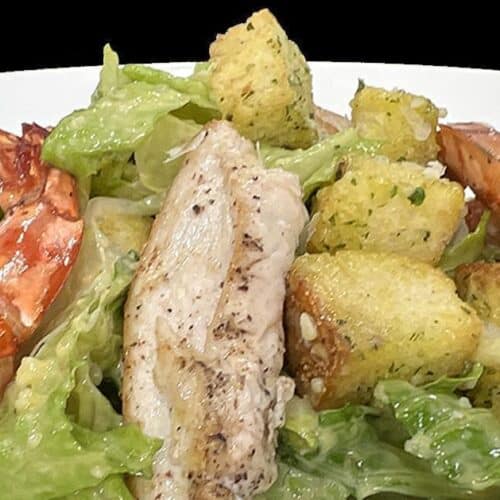
Caesar Salad Caesar Salad For the Dressing:4 to 6 Heads Romaine Lettuce2 Egg Yolks2 tablespoons Dijon Mustard3 large Anchovies, optional3 to 4 Garlic cloves1 tablespoon…
5-inch high-carbon German Stainless Steel blade will effortlessly slice through your steak, bread, vegetables, and fruits. The handle is ergonomically designed Pakka Wood. Makes a perfect gift presented in a beautifully crafted wooden box.











Great Blue Cheese dressing! So glad to have you back!
My dad and I tried perfecting the Houston’s peanut dressing for years. How I wish he was alive to share this with him. Thank you, Chef.
Add to tomatoe et cocumber.
Use the best blue cheese. I prever the english stilton aged.
Absolutely perfect