An Amazing Curry Chicken Soup: Or As I Like to Call It, Curry Chicken Chowder!
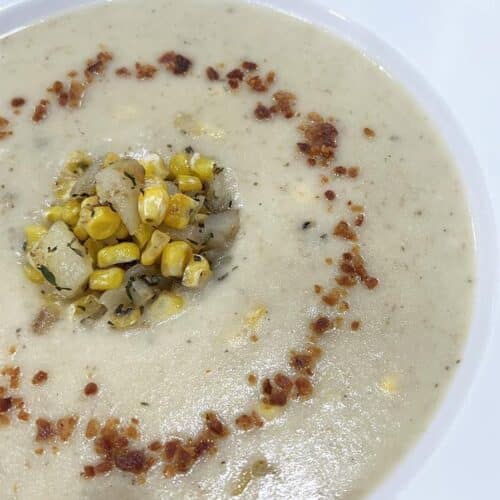
Hello there, friends! Do I have a curry chicken soup recipe for you today. This isn’t just any soup; it’s a concoction that came to life almost by accident, a delightful mishap that turned into a favorite. A soup that’s not only comforting and creamy but also packed with the goodness of chicken, corn, and a splash of coconut milk, all simmered in a rich chicken stock. A soup that’s smooth, delicious, and absolutely phenomenal in texture and taste.
The origins of this soup are as unique as its flavor. It wasn’t born from an ancient recipe or handed down through generations; instead, it sprang from creativity and a bit of serendipity in my kitchen.
This curry chicken soup, or as Jack here in the studio likes to call it, “Curry Chicken Chowder,” is a testament to the beauty of culinary accidents. In fact, this soup really is more like a chowder than what one would normally consider soup. It’s a blend of flavors that might just surprise you
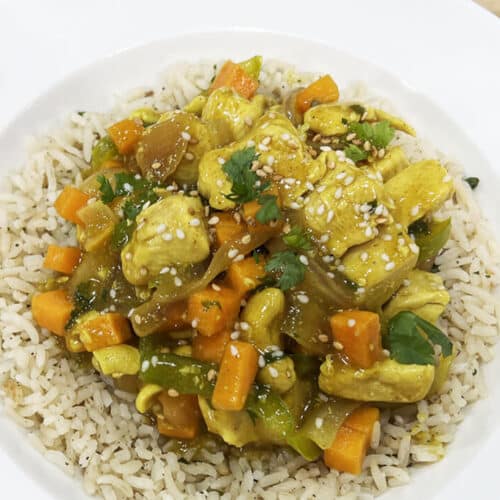
Serving this soup is an art in itself. It’s best enjoyed hot, with your favorite bread or rice. The creamy texture, combined with the heartiness of the chicken and the sweetness of the corn, makes for a meal that’s not only satisfying but also soul-warming. Whether it’s a chilly evening or a moment when you need a bit of comfort, this soup is warm comfort in a bowl.
And what pairs well with this delightful soup, you ask? A crisp, green salad or some freshly baked naan bread can complement the rich flavors of the curry. For those who enjoy a bit of crunch, a side of papadums or crackers can add that extra texture to your meal.
The beauty of curry chicken soup is its versatility; it can stand as a meal on its own or be part of a larger feast, depending on your mood and occasion.
Pro-Tip: Mastering the Perfect Texture
One of the secrets to a great curry chicken soup lies in its texture. The key is to cut your chicken into small, spoon-friendly pieces, ensuring each bite is a perfect blend of flavors. When sautéing your vegetables, let them sweat and soften, releasing their natural sweetness into the soup. This not only builds a foundation of flavor but also ensures that every spoonful is a harmonious blend of creamy, crunchy, and tender.
Another Pro-Tip: Be Generous With Your Spices
Curry is not just a spice; it’s a symphony. Start with a moderate amount of curry powder, and don’t be afraid to adjust as you go. Remember, the best dishes are those that speak to your palate. And if you’re feeling adventurous, a dash of dried apricots or raisins can introduce a subtle sweetness that balances the heat and adds a layer of complexity to your soup.
Bonus Pro-Tip: Flavor Building
For those looking to elevate their curry chicken soup even further, consider roasting your chicken pieces before adding them to the soup. This not only adds depth to the flavor but also introduces a smoky element that pairs beautifully with the richness of the curry.
And when it comes to serving, a sprinkle of fresh cilantro or a squeeze of lime can brighten the dish, adding a fresh contrast to the warm spices.
So, there you have it, friends – a curry chicken soup/chowder that’s bound to impress. Whether you’re a seasoned chef or a curious cook, this recipe is a journey worth taking.
Remember, cooking is not just about following steps; it’s about making each dish your own. So, dive in, experiment, and let your culinary flag fly high!
This delightful dish combines the robust flavors of curry with creamy coconut milk, tender chicken, and sweet bursts of dried apricots and raisins, offering a unique twist on traditional chowder. Suitable for any lover of fusion cuisine, this recipe promises to take your taste buds on an unforgettable journey.
1Fennel bulb optional, diced; if unavailable, use additional celery
1Red Bell Pepper diced (substitute with any color available)
3Scallions separated between White parts and Green parts sliced
1 ½tablespoonsFresh Thyme, chopped (or 3/4 tablespoon if dried)
2tablespoonsCurry Powder, adjust to taste (see recipe below)
1/2cupDried Apricots, diced into small pieces
1/4cupWhite Raisins
1tablespoonGarlic, minced
9cupsChicken Stock, plus more as needed
2 1/2cupsCorn, frozen or fresh
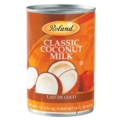
13.5ouncesCoconut Milk
3 - 4ouncesHeavy Cream
Salt and Pepper, to taste
Corn Starch, or Arrowroot / Tapioca Powder, diluted in water for thickening
1/4cupCorn Starch mixed with an equal amount of water
For the Curry Powder:
3tablespoonsCumin Seeds
2tablespoonsCoriander Seeds
1tablespoonMustard Seeds
1tablespoonGinger, ground
1tablespoonRed Chili Powder, ground
1tablespoonTurmeric ground
2teaspoonsRed Chili Flakes
Get Recipe Ingredients
Prevent your screen from going dark
Recipe Instructions
Make the Soup:
In a frying pan, heat some 1 tablespoon olive oil and when hot add the chicken and sauté until light golden brown and cooked 85%. Remove and reserve for later.
In a large soup pot, add 1 tablespoon olive oil and when hot sauté the onion for a couple minutes.
Add celery, optional fennel, and red bell pepper until they begin to soften. Add the white parts of the scallions and cook until fragrant.
Add the curry powder to the pot and let it cook briefly to release its flavors. Follow with the dried apricots, raisins and garlic.
When garlic is fragrant add the chicken stock and cook for about 30 to 35 minutes at very low heat.
Add the corn, coconut milk, the cream, the green art of the scallion and the reserved chicken pieces. Adjust the heat to maintain a gentle simmer for another few minutes. Season with salt and pepper to taste.
Thicken the Chowder with a corn starch-water mixture according to your preference.
This Curry Chicken Chowder melds the warmth of curry with the creamy texture of traditional chowders, creating a comforting yet exotic dish perfect for any season. Enjoy this meal with family or friends, and don't forget to freeze any leftovers for a quick, delicious future meal.
Make the Curry Powder:
Makes enough Curry for about 4/5 dishes
Sauté the seeds in a frying pan for 4/5 minutes and let them cool on a cookie sheet.
For the rest of the ingredients, use a coffee grinder and grind until very smooth and all are well blended.
Frequently Asked Questions About Curry Chicken Soup
1. What is curry chicken soup?
Curry chicken soup is a creamy, flavorful soup that combines the rich, aromatic flavors of curry with tender pieces of chicken, vegetables, and often coconut milk for added creaminess. It’s a dish that brings together a variety of spices and ingredients to create a comforting bowl of soup that’s both nourishing and satisfying. The soup can vary in heat and flavor depending on the type of curry used, making it a versatile dish that can be tailored to individual tastes.
To achieve a creamy texture in curry chicken soup, coconut milk is often added towards the end of the cooking process. Coconut milk not only adds creaminess but also introduces a subtle sweetness that balances the spice of the curry. Another method to enhance the soup’s creaminess is by incorporating a touch of cream or using a roux made from flour and butter as a thickener. The key is to add these ingredients gradually and adjust according to your desired consistency and flavor profile.
2. Can I use any type of curry powder?
Yes, you can use various types of curry powder to make curry chicken soup, depending on your flavor preference. Curry powders range from mild to hot and can include a wide array of spices. Experimenting with different curry powders allows you to customize the soup’s heat level and flavor profile. If you’re new to using curry powders, start with a mild version and adjust the amount based on your taste preferences.
3. Is curry chicken soup spicy?
The spiciness of curry chicken soup largely depends on the type of curry powder or paste used and the amount added to the soup. Some curry blends are inherently spicy, while others are milder. To control the heat level, start with a small amount of curry and gradually increase it until you reach the desired spiciness. Additionally, adding coconut milk can help temper the heat and add a creamy texture.
4. What vegetables go well in curry chicken soup?
Common vegetables that complement curry chicken soup include onions, carrots, celery, and bell peppers. These vegetables add depth and sweetness to balance the spices. For a twist, consider adding diced potatoes, sweet potatoes, or even pumpkin for a heartier soup. Leafy greens like spinach or kale can be stirred in towards the end of cooking for added color and nutrition.
5. Can I make curry chicken soup vegetarian?
Absolutely! To make a vegetarian version of curry chicken soup, simply omit the chicken and use vegetable broth instead of chicken stock. You can add more vegetables, such as chickpeas, lentils, or tofu, to increase the protein content and make the soup more filling. Adjust the seasoning as needed to ensure the soup remains flavorful and satisfying.
6. How can I thicken curry chicken soup?
There are several ways to thicken curry chicken soup. One method is to use a slurry made from cornstarch or arrowroot powder mixed with a little water, which is then stirred into the simmering soup to thicken it. Alternatively, blending a portion of the soup and adding it back to the pot can naturally thicken it without altering the flavor. Adjust the thickness by adding more or less of the thickening agent until you achieve the desired consistency.
7. What type of chicken is best for curry chicken soup?
Boneless, skinless chicken breasts or thighs are ideal for curry chicken soup because they’re easy to chop into bite-sized pieces and cook relatively quickly. Chicken thighs offer more flavor due to their higher fat content, while chicken breasts are leaner. The choice between breasts and thighs depends on personal preference and dietary considerations.
8. Can I make curry chicken soup in advance?
Yes, curry chicken soup can be made in advance and often tastes even better the next day as the flavors have more time to meld together. Store the cooled soup in an airtight container in the refrigerator for up to 3-4 days. Reheat gently on the stove or in the microwave, adding a little extra broth or water if the soup has thickened too much upon standing.
9. How do I serve curry chicken soup?
Curry chicken soup can be served as a main dish or a starter. It pairs well with rice, naan bread, or crusty bread for dipping. Garnish with fresh herbs like cilantro or basil, a squeeze of lime juice, and a dollop of yogurt or a sprinkle of chili flakes for extra heat. Serving suggestions can vary, so feel free to get creative and adjust to your taste preferences.
10. Can curry chicken soup be frozen?
Yes, curry chicken soup freezes well. Cool the soup completely before transferring it to freezer-safe containers, leaving some space for expansion. Freeze for up to 3 months. Thaw overnight in the refrigerator and reheat gently on the stove, adding a little extra liquid if needed to adjust the consistency.
11. How do I add more flavor to curry chicken soup?
To enhance the flavor of curry chicken soup, consider sautéing the vegetables and spices before adding the broth, as this helps to release their natural flavors. Adding a splash of fish sauce, soy sauce, or a squeeze of lime juice can also deepen the soup’s flavor profile. Fresh herbs and a garnish of toasted coconut flakes or chopped nuts add texture and a burst of flavor just before serving.
12. Is curry chicken soup healthy?
Curry chicken soup can be a healthy option, depending on how it’s prepared. It’s rich in protein from the chicken and packed with vitamins and minerals from the added vegetables. Using light coconut milk or reducing the amount of cream can lower the fat content, making it a healthier choice. The spices in curry, such as turmeric, are known for their anti-inflammatory properties, adding to the soup’s health benefits.
13. Can I use leftover chicken for curry chicken soup?
Absolutely! Leftover chicken is perfect for curry chicken soup and can save you time in the kitchen. Simply shred or chop the cooked chicken and add it to the soup towards the end of the cooking process, just long enough to heat through. This is a great way to repurpose leftovers and create a delicious, comforting meal.
14. How can I make curry chicken soup more filling?
To make curry chicken soup more filling, consider adding grains such as rice, quinoa, or barley directly into the soup. Legumes like lentils or chickpeas also add substance and protein, making the soup a more satisfying meal. Increasing the amount of vegetables or chicken can also bulk up the soup, ensuring it’s hearty enough to serve as a main course.
15. What’s the best way to adjust the seasoning in curry chicken soup?
Adjusting the seasoning in curry chicken soup is key to achieving the perfect balance of flavors. Taste the soup as you cook, adding salt, pepper, or more curry powder as needed. Remember, it’s easier to add more seasoning than to correct an overly seasoned soup. Trust your palate and adjust the seasonings gradually. This way, you ensure that the soup meets your flavor preferences while maintaining the delicate balance of spices that makes curry chicken soup so special.
Another aspect of seasoning adjustment involves the acidity and sweetness of the soup. A splash of lime juice can brighten the flavors, while a teaspoon of sugar or honey can mellow out the heat and acidity, creating a more rounded flavor profile. The goal is to achieve a harmony of flavors where no single element overpowers the others. Experiment and adjust until you find that perfect symphony of tastes.
Chef Jean-Pierre, born in Aix-en-Provence, France, honed his culinary skills at a young age, mastering the art of charcuterie by the age of twelve. Determined to become a chef, he began his formal apprenticeship at L'Oustau de Baumaniere in Provence, one of the world’s best restaurants with a 3-star Michelin rating.
Jean-Pierre continued his apprenticeship on the French Riviera where he worked at famous restaurants, such as L’Oasis at La Napoule, Le Vendome in Aix-en-Provence, and the the Carlton in Cannes. In 1976, he opened The Left Bank Restaurant, consistently recognized as one of the best in America for 22 years by magazines like "Bon Appetit," "Conde Nast," "Gourmet Magazine" and "Travel & Leisure."
Jean-Pierre was also a popular TV personality, having hosted National Public Television series like "Incredible Cuisine” and "Sunshine Cuisine." He was also nominated for "Best Culinary Video" by the James Beard Foundation and operated the nationally renowned “Chef Jean-Pierre's Cooking School” and was a sought-after guest on shows like "The Today Show" and "Larry King Live."
With over 2 Million Subscribers to his Chef Jean-Pierre YouTube Channel, he is a widely respected figure in the culinary world, known for his skill and dedication to his craft, but even more so known for making gourmet cooking fun and easy to learn.
Simple Chicken Curry Recipe I love all kinds of chicken dishes, but this is one of my favorites, Chicken Curry! This is a delicious and my favorite simple…
Cream of Potato Soup Recipe with Bacon Today I am sharing how to make my favorite Potato Soup. Potato Soup with Bacon - Perfect for a cold or even hot day!…
Is there supposed to be thyme in the recipe? It’s in the ingredients’ list; but I didn’t see it in the video or hear you talk about putting it in. I left it out. Thank you! LOVE, LOVE, LOVE your videos! I have learned so much and am enjoying cooking for the first time in my 61 years on this earth, lol!
Thank you for providing us this recipe.
And thank you very much for not putting massive amounts of advertisements on your page which allows us to read your article well thank you very much for sharing your recipes
5-inch high-carbon German Stainless Steel blade will effortlessly slice through your steak, bread, vegetables, and fruits. The handle is ergonomically designed Pakka Wood. Makes a perfect gift presented in a beautifully crafted wooden box.















Is there supposed to be thyme in the recipe? It’s in the ingredients’ list; but I didn’t see it in the video or hear you talk about putting it in. I left it out. Thank you! LOVE, LOVE, LOVE your videos! I have learned so much and am enjoying cooking for the first time in my 61 years on this earth, lol!
Thank you for providing us this recipe.
And thank you very much for not putting massive amounts of advertisements on your page which allows us to read your article well thank you very much for sharing your recipes