Hello friends…You know how sometimes you just need to impress your guests with something that looks like it came from a fancy French bistro—but doesn’t take three days and a culinary degree to make?
Voilà! My easy ratatouille recipe is exactly what you need. Today we’re going all the way back to the South of France—Provence, where I was born and raised—and making a classic French ratatouille recipe just like they do it in Nice. Except I’ll show you how to make it look fancy without needing to be fancy.
Now listen, there are a million versions of ratatouille recipe online. Some look like they came straight out of that animated movie—yes, that one. Adorable, but not quite what we do in Provence. We’re not sculpting vegetables into Disney characters here.
We’re making a traditional vegetable stew that’s rich, flavorful, and honest. And when I say honest, I mean peasant food with a passport. It’s a dish that tells stories. Let’s cook it the way we do it in the South of France.
What is Traditional Ratatouille?
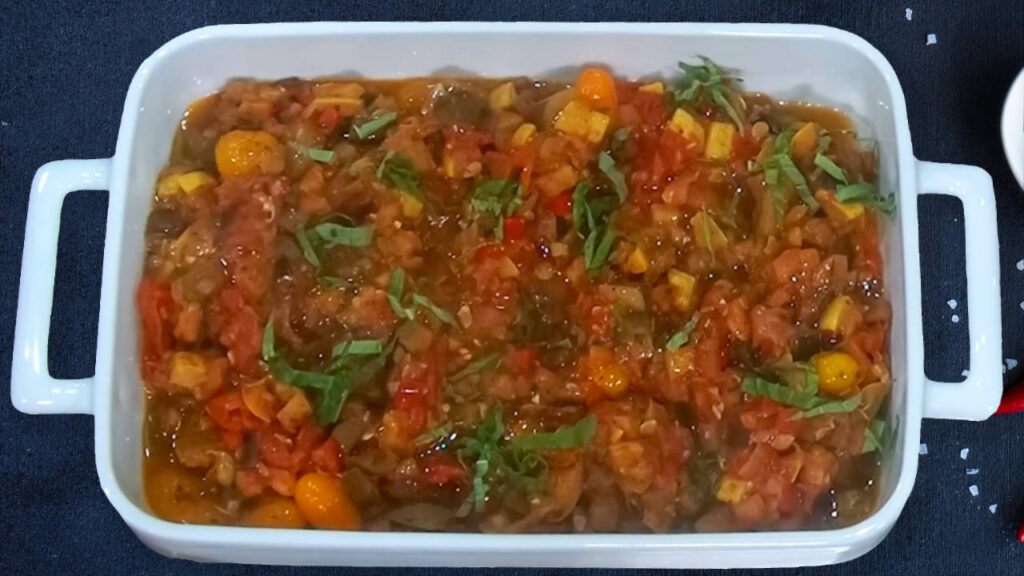
A traditional ratatouille dish is a harmony of summer vegetables that have been sautéed individually, then slowly simmered together into a richly textured vegetable stew. It’s a dish full of sunshine, one that captures the essence of Mediterranean simplicity and comfort.
We’re talking layers of eggplant, zucchini, tomato, and bell pepper, gently cooked in olive oil and seasoned with thyme, basil, rosemary, and of course, that heavenly herbes de Provence blend. It’s healthy, hearty, and comforting—all in one spoonful.
A Bit of History on Traditional Ratatouille
Traditional ratatouille—also called ratatouille niçoise—is a classic Provençal vegetable stew that originated as a humble peasant dish. Imagine farmers tossing their summer vegetables—like tomatoes, eggplant, zucchini, and bell pepper—into a pot with olive oil, a bit of garlic, and fresh herbs from the garden. Voilà, dinner!
It was never meant to be fancy—it was hearty, healthy, and made with what was on hand. But over time, chefs (guilty!) found ways to elevate it without losing its soul. This is why ratatouille is a classic—both rustic and elegant, a true classic French dish.
Essential Tools to Make Ratatouille
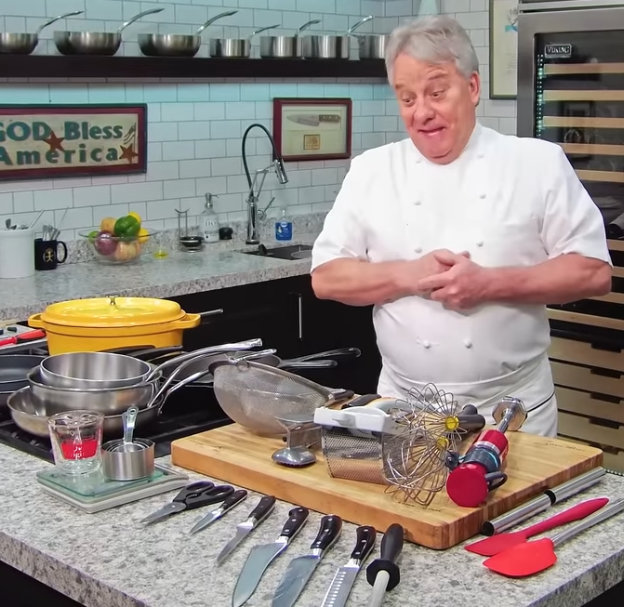
Large Dutch Oven or Heavy-Bottomed Pot: Ah yes, the sacred vessel! A large Dutch oven is perfect for this dish. Why? It allows even heat distribution while you slowly simmer your ingredients. That’s key. You want your vegetables to mingle and get cozy, not burn or stick. A heavy pot holds the heat just right and makes sure your ratatouille tastes like it’s been kissed by the sun of Provence.
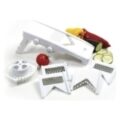
Mandoline Slicer: Now, if you want to get all fancy pants and layer your veggies in beautiful spirals (you know, for the Instagram crowd), a mandoline slicer is your best friend. Just please, I beg you—use the guard. Don’t sacrifice your fingertips for aesthetics. It creates uniform slices of zucchini, yellow squash, and eggplant that cook evenly and look très magnifique.
Silicone Spatula: Wooden spoons are fine, but when you’re dealing with caramelized bits of onion, garlic, and tomato, nothing deglazes like a good silicone spatula. You’ll scrape every flavorful morsel off the bottom of the pan without damaging your cookware.
3 Common Mistakes to Avoid When Making Ratatouille
1. Dumping All the Vegetables in at Once: No, no, non! This is not a vegetable party where everyone shows up at the same time. Each vegetable has its own cooking time and moisture level. If you throw them all in at once, you’ll get a mushy mess. Start with onion, bell pepper, and eggplant. Then add your zucchini, squash, and finish with your tomato and garlic.
2. Not Caramelizing the Onion: You want flavorful? Start with the onion. Caramelize it until golden brown. This step builds the foundation of the stew. Skipping this is like skipping the crust on crusty bread—a crime in the culinary world!
3. Adding Tomatoes Too Soon: Tomato brings in moisture. If you add it too early, you’ll steam the vegetables instead of sautéing and caramelizing them. You want those browned bits, that depth of flavor. So hold off until the last minute, just before everything gets cozy in the pot for the final simmer.
Mise en Place: Its A Must When Making Ratatouille
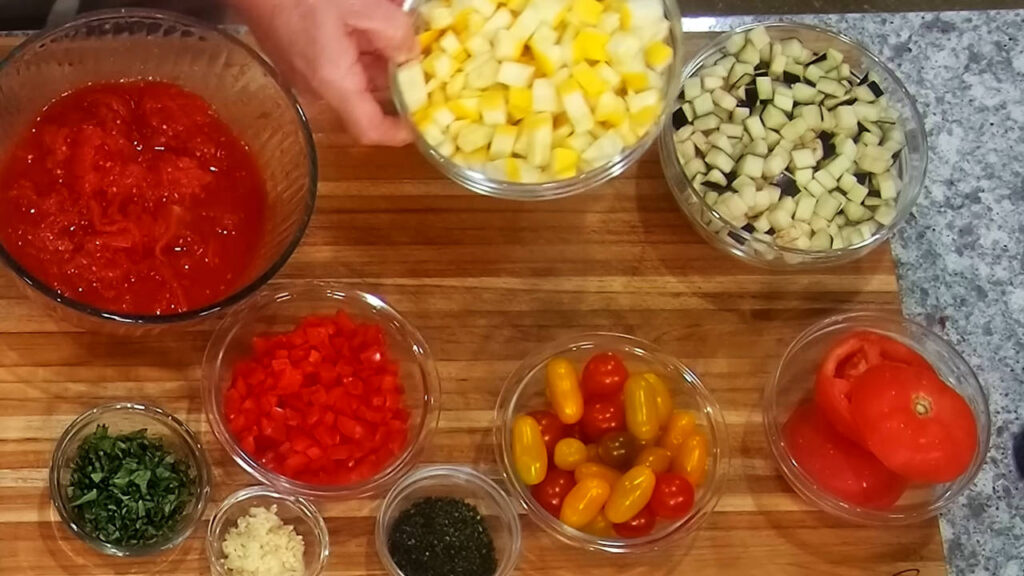
Mise en place—it’s a French term that means “everything in its place.” And trust me, when you’re making a dish like ratatouille, where you’ve got eggplant, zucchini, onions, bell peppers, garlic, tomatoes, and herbs flying all over your kitchen, you want to be organized. Think of mise en place like preparing for a concert. You wouldn’t start a symphony without tuning your instruments, right?
Before you sauté a single vegetable or warm a drop of olive oil, take the time to dice, slice, and measure all your ratatouille ingredients. Have your fresh herbs chopped, your onions ready, your eggplant trimmed (seeds out if needed), and your tomatoes peeled or squeezed. This way, you won’t be scrambling for the thyme while your garlic is burning. It’s the key to making ratatouille with calm, control, and maybe even a little French flair. Mise en place turns kitchen chaos into harmony—and it’ll make you feel like a real chef.
This is more than just an easy ratatouille recipe—it’s a piece of France. Whether you’re serving it as a side dish, a main course, or a fancy dinner party showstopper, this classic ratatouille brings sunshine to the table. Ratatouille is a classic for a reason, my friends.
Ratatouille is a classic French dish that is often served as a side dish or appetizer. This Ratatouille Recipe is made with a variety of vegetables, including eggplant, zucchini, tomatoes, and peppers. It is relatively easy to make, and can be made ahead of time so that it is ready to serve when your guests arrive.Ratatouille makes an elegant side dish for a formal dinner party that your guests will love. Ratatouille can be served hot or cold, so it is a great dish to make in the summer when the vegetables are fresh and in season.
Course Appetizer, Main Course (Vegetarian/Vegan Adaptable)
Cuisine French
Servings 6
Calories 141.29kcal
Recipe Video
Recipe Ingredients
Produce
1largeonion, small diced
1mediumzucchini, diced
1mediumyellow squash, diced
1smalleggplant, diced smallremove excess seeds
1largered bell pepper, diced
1cup cherry tomatoesfor color and sweetness
28ozcan Peeled Tomatoes or 2 cups Peeled, Seeded and Diced Fresh Tomatoessqueeze with your hand like a true chef!
3clovesgarlic, finely chopped
1 tbspFresh thyme, chopped
¼ cup Fresh basil, chopped plus extra for garnish
Optional: extra cherry tomatoes or roasted red pepper strips for garnish
Herbs & Spices
1tbspHerbes de Provence
Kosher Salt, to taste
Freshly ground black pepper, to taste
Oils
3 to 4tbspextra virgin olive oil the good kind, not the one in a plastic bottle that’s been sitting in the back of the closet since who knows when
Other
A good attitude and a bad French accentOptional but encouraged!
Get Recipe Ingredients
Prevent your screen from going dark
Recipe Instructions
Start with the Onion
Heat olive oil in a large sauté pan to around 350–360°F (177-182°C. If you don’t have a thermometer, wait until it shimmers—not smokes!
Toss in your diced onion. Caramelize it. Like, really caramelize it. That golden brown color? That’s the magic.Chef’s Note: Caramelized onions are non-negotiable. Anyone who throws onions in with everything else? That’s a one-way ticket to flavor jail.
Prep the Veggies Separately (Yes, It’s Worth It)
In another pan (or the same one, batch by batch), sauté the zucchini and squash until slightly browned and caramelized. Season with salt and a pinch of Herbes de Provence.
Sauté the eggplant the same way—get some nice color on it and let some moisture evaporate. Eggplant is like a sponge that cries flavor if you don’t handle it right.
In the onion pan, add the diced bell peppers. Sauté until softened.
Build the Stew
Add the eggplant to the pan with the peppers and onions.
Add garlic and sauté for about 1 minute, just until it releases that glorious aroma. Don’t brown it.
Toss in the chopped thyme, basil, and finally the crushed peeled tomatoes.
Add cherry tomatoes for bursts of sweetness and beauty. We eat with our eyes, friends!
Stir in the pre-cooked zucchini and squash.
Let everything get to know each other on medium-low heat. Simmer for 45 minutes to 1 hour, uncovered or loosely covered, stirring occasionally.
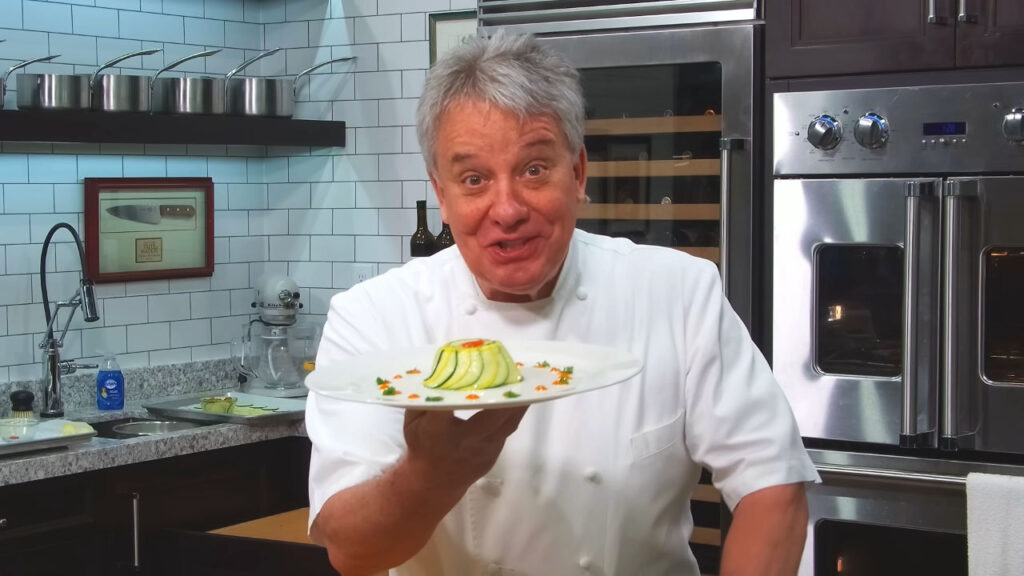
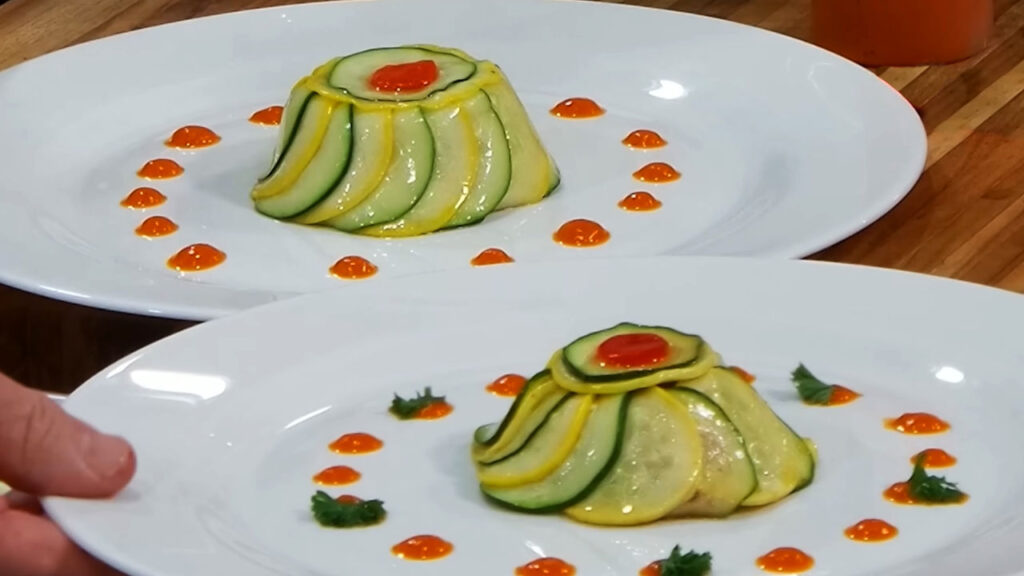
Fancy Dinner Party Option (Optional but Very Impressive)
Slice zucchini and yellow squash into thin coins using a mandoline (watch your fingers!).
Roast slices at 350°F for 10–15 minutes with a sprinkle of salt until tender and pliable.
Layer squash coins around the inside edge of a lightly oiled ramekin or ring mold.
Spoon warm (not hot!) ratatouille into the center and gently pack it in.
Bake or reheat until internal temperature hits 145°F. Then invert onto a plate.
Serve Your Masterpiece
Drizzle with garlic-infused or Herbes de Provence olive oil.
Add a chiffonade (a fancy word for rolled and sliced) of fresh basil on top.
Garnish with a roasted red pepper ring if you want to glam it up.
Bon appétit!
Tip
Ratatouille is even better the next day. Make it ahead!
Pro-Tips
Pro Tip: Make Every Bite Sing!
Right before serving, I like to drizzle a little garlic-infused olive oil over the top, then sprinkle a pinch of Herbes de Provence and a chiffonade of fresh basil. This amps up the aroma and makes each bite sing with Mediterranean flavor. Trust me, the nose is the first thing to eat—make it count!
Bonus Pro Tip: Want to Impress?
If you really want to impress, double the recipe and serve it two ways: the traditional stew style for comfort, and the fancy dome presentation for flair. You can double the recipe and freeze half (if you must), or better yet—invite more friends over. Because good food is meant to be shared!Enjoyed this recipe? Please rate it ★★★★★ and leave a comment—I love hearing how it turned out for you!
Equipment - You can find the items below at our online store!
You can serve ratatouille warm or at room temperature. In Provence, we just bring the pot straight to the table with a big ladle and some crusty bread. It doesn’t get more authentic than that.
But when you want to make it look fancy? You can layer the ratatouille ingredients into a beautiful dome shape using your mandoline-sliced zucchini and squash, then bake it until golden. Top it off with a drizzle of olive oil, some fresh basil, and a roasted red bell pepper curl. Voilà—your humble vegetable stew just turned heads.
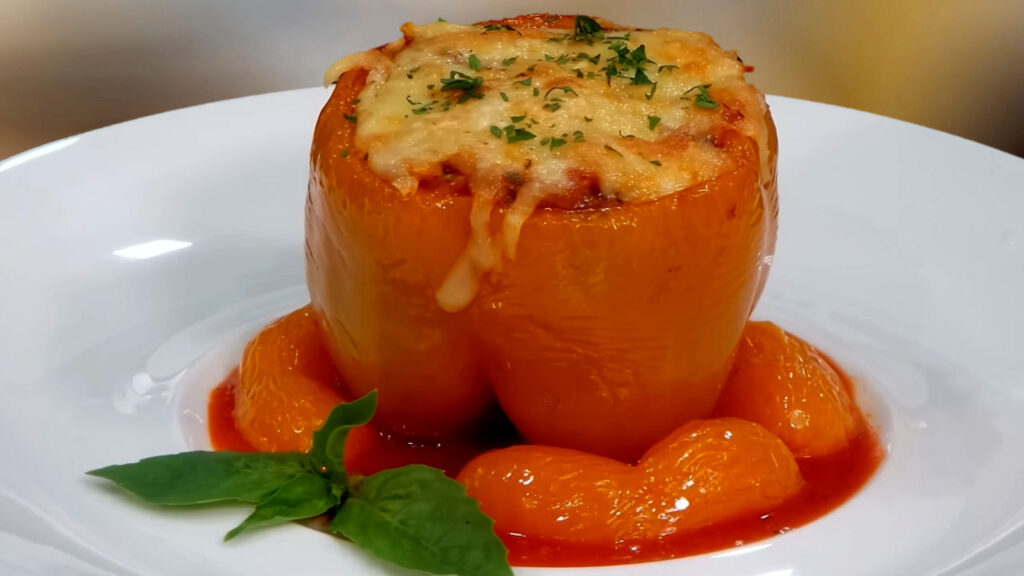
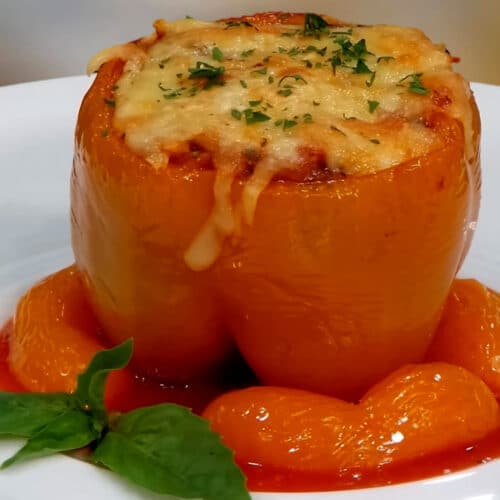
And if you like mixing it up and are craving a twist on tradition, try my Stuffed Bell Pepper Ratatouille—a fun take on stuffed peppers, filled to the brim with savory ratatouille. It’s colorful, satisfying, and just as Provençal in flavor. Perfect for meal prep or a stylish vegetarian main course!
Perfect Pairings for Your Ratatouille from Chef Jean-Pierre’s Kitchen
Creamy Goat Cheese Polenta: This rich, cheesy polenta is the hug your ratatouille deserves. The velvety texture contrasts beautifully with the soft, chunky vegetables, and the flavorful goat cheese adds depth without overpowering. Perfect for soaking up every last bit of tomato-y goodness.
Fondant Potatoes: Fondant Potatoes are potatoes that have been stuffed with cheese. This recipe is one of my favorite ways to prepare potatoes and makes a delicious side dish to any meal. If you are looking for a fun and delicious potato dish, give this one a try. The contrast in texture is delightful, and they make a hearty, satisfying companion.
Herbs De Provence Tomato Soup: Tomato on tomato? Absolutely! This light but rich soup mirrors the tomato base in the ratatouille, and the Herbs De Provence ties it all together. Great for a light lunch or a starter at your next dinner party.
Tips For Storing and Reheating Your Ratatouille
Storage in the Refrigerator: Place leftovers in an airtight container and refrigerate for up to 5 days. The flavors deepen over time—day two is even better!
Freezer Storage: Freeze ratatouille only if absolutely necessary. It’s technically doable, but freezing changes the texture of the vegetables, especially zucchini and eggplant. Not recommended for best results.
Reheating: Best reheated on the stovetop over low heat. Microwave if you must, but don’t overcook. Add a splash of water or olive oil to freshen it up.
Frequently Asked Questions About Ratatouille
1. What exactly is Ratatouille and where does it come from?
Ratatouille is a classic vegetable stew that hails from Provence, in the South of France. Traditionally known as ratatouille niçoise, it’s made by slowly cooking eggplant, zucchini, bell peppers, tomatoes, onions, garlic, and herbs like thyme, basil, and herbes de Provence. It started as a humble peasant dish, a way to use up the bounty of summer vegetables that farmers had on hand.
But don’t let its rustic roots fool you. When done right—especially using Chef Jean-Pierre’s method of caramelizing each vegetable individually and layering flavors slowly—ratatouille transforms into something luxurious. It’s comforting, flavorful, and so versatile it can be served as a main dish, side, or even breakfast with eggs!
2. Why does Chef Jean-Pierre cook the vegetables separately in Ratatouille?
This is critical! Chef Jean-Pierre insists on sautéing the vegetables separately to control the texture and enhance flavor. Every vegetable releases moisture at different rates—if you dump them all into the pot at once, they’ll steam instead of caramelize, and you’ll lose the deep, savory notes that come from browning.
By cooking onions, bell peppers, eggplant, zucchini, and squash separately, you give each its moment to shine. The eggplant, for example, loves to soak up oil, so by cooking it alone, you avoid turning the whole stew greasy. Separately sautéed veggies also develop their natural sweetness and avoid turning to mush in the final simmer. Trust me—this step is the secret to the best ratatouille.
3. What’s the difference between traditional Ratatouille and the version seen in the animated movie?
Great question! The beautifully arranged dish in the animated movie is actually based on a more refined version called Confit Byaldi. It’s elegant, artistic, and looks fantastic in photos—but it’s not what they serve in Grandma’s kitchen back in Nice.
Traditional ratatouille is more rustic and hearty. Instead of thinly slicing and layering the vegetables raw, we caramelize each one in olive oil, then slowly simmer everything together in a large pot or Dutch oven. The result? A cozy, comforting vegetable stew that tastes like sunshine and tradition—not a Pinterest project.
4. Do I need to peel the vegetables for Ratatouille?
Generally, no—but there are exceptions. Usually zucchini, squash, or bell peppers doesn’t need to be peeled. However, when it comes to tomatoes, peeling is ideal for texture. In the video, he talks about using peeled plum tomatoes or even canned peeled tomatoes like Laval or San Marzano when fresh ones are poor quality.
As for eggplant, Chef Jean-Pierre sometimes peels parts or removes excess seeds if they’re too big, because large seeds can make the stew bitter. Bottom line: peel if the texture or bitterness might distract from the smooth, flavorful finish you’re after.
5. Can I make Ratatouille ahead of time?
Absolutely! Ratatouille only gets better with time. Preparing it in advance is recommended, especially when hosting a dinner party. Why? Because the vegetables have time to rest, mingle, and deepen in flavor. The stew tastes richer and more balanced the next day—like a symphony that’s finally in tune.
To store, place it in an airtight container and refrigerate for up to five days. When you’re ready to serve, gently reheat it on the stove with a splash of water or olive oil to freshen it up. Trust me, you’ll want leftovers!
6. Is Ratatouille vegan and gluten-free?
Yes! Traditional ratatouille recipe is naturally vegan and gluten-free, made from nothing but fresh vegetables, herbs, and olive oil. There are no animal products or wheat-based ingredients involved, which makes it a great choice for people with dietary restrictions—or anyone who just loves clean, wholesome food.
The traditional version keeps things simple and full of Mediterranean flavor. You can enjoy it as a main dish, side, or part of a plant-based meal. And if you’re not vegan? Well, it still pairs beautifully with roasted meats, fish, or even eggs.
7. Can you freeze Ratatouille?
Technically, yes—you can freeze ratatouille. But is not recommended. Freezing can change the texture of delicate vegetables like zucchini and eggplant, making them a little soggy when reheated. If you must freeze it, use a high-quality airtight container, and try to eat it within a month.
That said, if you’re planning meals ahead or doubling the recipe, freezing a portion can still be handy. Just be sure to reheat it slowly on the stove, and consider tossing in some fresh herbs or a splash of olive oil to bring it back to life.
8. Can Ratatouille be served cold, or should it always be served hot?
Ratatouille is one of those rare dishes that’s delicious at just about any temperature. Chef Jean-Pierre often reminds us that in Provence, we just bring the whole pot of this vegetable stew right to the table—warm, room temp, or even chilled if it’s been resting since the day before. No rules, just flavor.
Serving ratatouille cold or at room temperature actually enhances the depth of flavor. When the vegetables have had time to rest and mingle, the herbaceous notes of thyme, basil, and Herbes de Provence really come through. For a summer picnic or light lunch, chilled ratatouille with a piece of crusty bread or a side of goat cheese is magnifique. Of course, if you’re craving something cozy, reheat it gently and serve warm with a drizzle of olive oil and a few fresh herbs.
9. What’s the best way to reheat Ratatouille without ruining it?
Chef Jean-Pierre recommends reheating ratatouille slowly on the stovetop over low heat. This gives you better control and keeps the flavors intact. Add a small splash of water or olive oil to loosen things up and stir occasionally to prevent sticking.
If you’re in a hurry, the microwave works too, but be gentle. Heat it in short bursts, covered loosely, and stir in between to avoid overcooking the delicate vegetables. Remember, ratatouille is all about texture and flavor—no one wants a rubbery zucchini surprise.
10. Can I make Ratatouille look fancy for a dinner party?
Absolutely! Chef Jean-Pierre shows exactly how to glamorize it. First, make your ratatouille the traditional way. Then, slice zucchini and squash thinly with a mandoline, roast the slices until pliable, and layer them like a vegetable spiral over the warm stew. Bake briefly, then top with fresh basil, a drizzle of olive oil, and a red bell pepper curl.
If that sounds like too much work, go for Chef Jean-Pierre’s stuffed pepper version or simply serve it in a shallow bowl with a squeeze bottle of roasted red pepper sauce as he does in the video. Fancy doesn’t have to mean fussy—it just needs a little presentation magic!
Chef Jean-Pierre, born in Aix-en-Provence, France, honed his culinary skills at a young age, mastering the art of charcuterie by the age of twelve. Determined to become a chef, he began his formal apprenticeship at L'Oustau de Baumaniere in Provence, one of the world’s best restaurants with a 3-star Michelin rating.
Jean-Pierre continued his apprenticeship on the French Riviera where he worked at famous restaurants, such as L’Oasis at La Napoule, Le Vendome in Aix-en-Provence, and the the Carlton in Cannes. In 1976, he opened The Left Bank Restaurant, consistently recognized as one of the best in America for 22 years by magazines like "Bon Appetit," "Conde Nast," "Gourmet Magazine" and "Travel & Leisure."
Jean-Pierre was also a popular TV personality, having hosted National Public Television series like "Incredible Cuisine” and "Sunshine Cuisine." He was also nominated for "Best Culinary Video" by the James Beard Foundation and operated the nationally renowned “Chef Jean-Pierre's Cooking School” and was a sought-after guest on shows like "The Today Show" and "Larry King Live."
With 2.2 Million Subscribers to his Chef Jean-Pierre YouTube Channel, he is a widely respected figure in the culinary world, known for his skill and dedication to his craft, but even more so known for making gourmet cooking fun and easy to learn.
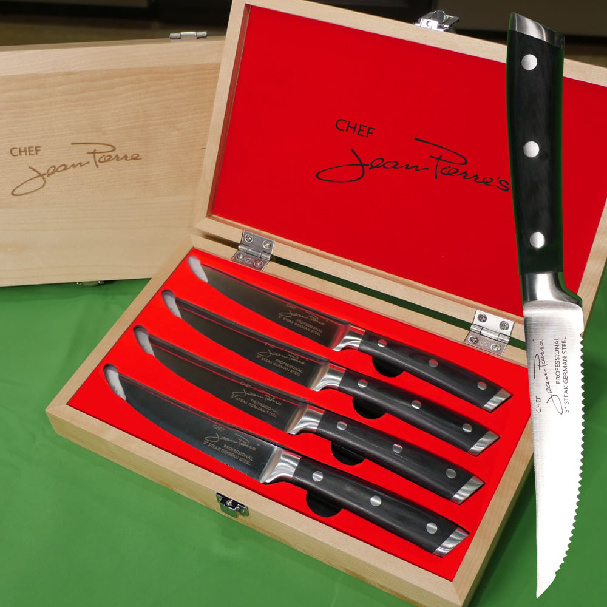
5-inch high-carbon German Stainless Steel blade will effortlessly slice through your steak, bread, vegetables, and fruits. The handle is ergonomically designed Pakka Wood. Makes a perfect gift presented in a beautifully crafted wooden box.
















1 Comment