Pasta Genovese – A Slow-Cooked Italian Masterpiece
Hello friends, I’m thrilled to share with you a recipe that’s close to my heart: Pasta alla Genovese.
This Neapolitan classic is a rich, slow-cooked beef and onion ragù that embodies the essence of Italian comfort food. Despite its name, this dish hails from Naples, not Genoa, and is a testament to the region’s culinary prowess.
Imagine tender pieces of beef simmered for hours with a mountain of onions, resulting in a sauce that’s both hearty and subtly sweet. It’s a dish that requires patience, but oh, the reward is a symphony of flavors that’ll make your taste buds sing!
Brief Historical Context and Cultural Significance of Pasta Genovese
Now, you might be scratching your head, wondering why a dish called “Genovese” comes from Naples.
Well, the origins are a bit murky, but one theory suggests that it was introduced by Genoese immigrants working in Naples’ port. Over time, the locals adopted and perfected the recipe, making it a staple of Neapolitan cuisine.
This slow-cooked beef and onion ragù has become synonymous with Sunday family gatherings, embodying the Italian tradition of sharing love and laughter over a hearty meal. It’s a dish that has stood the test of time, and for good reason.
Essential Tools for Pasta Genovese
To create this delectable dish, you’ll need a few essential tools:
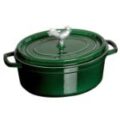
Dutch Oven or Heavy-Bottomed Pot: This is crucial for evenly distributing heat during the long cooking process. The heavy bottom prevents the sauce from scorching, ensuring a rich, deep flavor.
Sharp Chef’s Knife: With pounds of onions to slice, a sharp knife is your best friend. It ensures uniform cuts, allowing the onions to cook evenly and melt into that luscious sauce.
Wooden Spoon or Heat-Resistant Spatula: Perfect for stirring the sauce without scratching your pot. It helps in gently mixing the ingredients, ensuring they meld together beautifully.
Mandoline (Optional): If you’re not confident in your knife skills, a mandoline can help achieve uniformly thin onion slices, leading to a smoother sauce. But be extra careful using a mandoline, the blades are very sharp.
Common Mistakes to Avoid When Making Pasta Genovese
Even the best of us can stumble, so here are some pitfalls to watch out for:
Skipping the Browning Step: Browning the beef is essential for developing depth of flavor. Don’t rush this step; patience here pays off in the final dish.
Using Too Few Onions: The magic ratio is roughly two parts onion to one part beef by weight. This abundance of onions cooks down to create the sauce’s unique sweetness and texture.
Cooking Over High Heat: Low and slow is the name of the game. High heat can cause the onions to burn and the beef to become tough.
Neglecting to Stir Occasionally: While the dish doesn’t require constant attention, an occasional stir prevents sticking and ensures even cooking.
Regional Flavor Profiles
While the traditional Neapolitan version is the gold standard, variations exist:
Addition of Carrots and Celery: Some recipes incorporate a soffritto base of carrots and celery, adding subtle sweetness and depth to the sauce.
Inclusion of Pancetta or Guanciale: Introducing these cured meats imparts a smoky, savory undertone that enriches the overall flavor.
Choice of Wine: Some cooks prefer white wine for deglazing, while others opt for red. Each brings its own character to the sauce, so choose according to your preference.
How to Best Serve Pasta Genovese
Serving this dish is an art in itself:
Pasta Selection: Short, tubular pastas like rigatoni, ziti, or paccheri are ideal. Their hollow centers and ridged exteriors trap the sauce, ensuring each bite is a flavor bomb.ft.com
Cheese Garnish: A generous grating of Pecorino Romano or Parmigiano-Reggiano adds a salty, umami kick that complements the sweet richness of the sauce.
Fresh Herbs: A sprinkle of freshly chopped parsley or basil provides a burst of color and a fresh aroma that elevates the dish.
Storage and Reheating Best Practices
Friends, if by some miracle you have leftovers (which, let’s be honest, is rare with a dish this delicious), you’ll want to store and reheat it properly to keep all that incredible flavor intact.
Refrigeration: Store any leftover Pasta alla Genovese in an airtight container in the fridge. The flavors actually deepen overnight, making the next day’s meal even better! It will keep well for up to 4 days.
Freezing: The sauce alone freezes beautifully. Just let it cool completely before transferring it to a freezer-safe container. It’ll keep for up to 3 months. When you’re ready to use it, thaw it in the fridge overnight and reheat slowly over low heat.
Reheating on the Stovetop: Add a splash of water or reserved pasta water to loosen the sauce, and reheat over medium-low heat while stirring occasionally. If it looks too thick, another drizzle of extra virgin olive oil does wonders.
Microwave Method (If You Must): Cover the dish with a damp paper towel and heat in 30-second bursts, stirring in between to ensure even reheating. This prevents the pasta from drying out and keeps the sauce velvety.
Best Tip for Reheating Pasta: If you’ve stored the pasta mixed with the sauce, toss it into a hot pan with a splash of water or broth. This brings it back to life better than any microwave ever could!
Friends, there you have it—Pasta Genovese, a dish that’s stood the test of time and taste buds! With its slow-cooked beef and onion ragù, rich caramelized flavors, and soul-warming goodness, it’s one of the best pasta dishes you’ll ever make.
This is not a fast meal, but it’s a rewarding one. It’s the kind of dish that fills your kitchen with mouthwatering aromas and gathers family around the table before you even call them. Whether you’re serving it up for a Sunday dinner, a special occasion, or just because you want a plate of pure happiness, this recipe is bound to impress.
So, what are we waiting for? Let’s get cooking!
Pasta Genovese Beef Ragu Recipe: My Grandmother Would Be Proud!
Today, we're making a dish that’ll make you forget all your troubles: Pasta Genovese with a beef ragu. This beauty hails from Naples, and it’s a classic that’s hearty, meaty, and oh-so-simple to whip up. I’ve added a few twists—because why not?—and I promise you’ll be licking your plate clean. We’re talking tender beef that falls apart with a wink, onions that melt into sweet perfection, and a sauce so good you’ll want to call it family. Grab your pots, friends, because we’re making something spectacular!
Fire up a big pot or Dutch oven over medium heat and toss in the diced bacon. Let it sizzle until it’s crispy and gives up all that glorious fat. Scoop it out and set it aside—leave the fat behind, friends, it’s flavor central! (Tip: If your bacon’s stingy with fat, splash in some oil—no big deal.)
2) Brown the Beef:
Season your beef chunks with salt and pepper like they’re heading to a fancy dinner. Crank the heat to medium-high and sear them in the bacon fat until they’re golden brown all over. Big pieces are fine—they’ll fall apart later. Once they’re gorgeous, pull them out and set them aside. (Special Technique: This is the Maillard reaction, friends—brown means flavor, and we’re not messing around!)
3) Caramelize the Onions:
In a separate pan, heat up some clarified butter or oil over medium heat. Add your sliced onions—cut them about 3mm thick, not too small, not too big. Cook them low and slow, stirring now and then, until they’re a deep, golden brown. Takes about 20–30 minutes, but it’s worth it. Set them aside. (Chef’s Twist: Tradition skips this, but caramelized onions beat raw ones any day—trust me, it’s like hamburger heaven!)
4) Make the Soffritto:
Back in the beef pot, toss in your diced carrots and celery. Sweat them over medium heat for 5–7 minutes until they soften up. (Pro Trick: Small dice too tricky? Grate the carrots with a cheese grater—boom, easy soffritto!)
5) Add Garlic and Tomato Paste:
Stir in the minced garlic and let it perfume the air for a minute. Then add the tomato paste and sauté it for 2–3 minutes—it’s gotta wake up and sing! (AnotherTwist: No tomatoes in the old recipe, but this adds depth—don’t tell my grandma!)
6) Deglaze with Wine:
Pour in the white wine (red works too, live a little!) and scrape up all those tasty browned bits from the bottom with a wooden spoon. Let it simmer a few minutes until it reduces a bit. (Fun Fact: Tradition says white, but I say use what’s open—deglazing’s the key here!)
7) Reunite the Bacon and Beef:
Toss the crispy bacon and browned beef back into the pot. Give it a stir—it’s a happy reunion!
8) Add Stock and Bay Leaf:
Pour in the beef stock and drop in the bay leaf. Bring it to a gentle simmer. (Stock Note: Homemade? You’re a star. Store-bought? Still delicious.)
9) Layer on the Onions:
Pile those caramelized onions on top like a big, cozy blanket. Don’t mix them in yet—just let them sit there looking pretty.
10) Low and Slow Cooking:
Cover the pot and turn the heat down to super low—think “bloop bloop bloop.” Let it cook for 2.5 to 3.5 hours, checking every 45 minutes or so to make sure it’s not sticking. Or pop it in a 350°F oven for 3 hours—check after an hour, just in case. (Patience Alert: This is where the meat gets so soft it practically melts—don’t rush it!)
11) Cook the Pasta:
When the ragu is almost ready, boil your pasta in salted water per the package. Save a cup of that starchy pasta water before draining—it’s gold, friends!
12) Finish the Sauce:
Once the meat’s falling apart, stir in the chopped basil. Taste it—add salt and pepper if needed, but go easy; the cheese is coming. (Basil Bonus: Not traditional, but it’s better with it—don’t argue, just eat!)
13) Marry the Pasta and Ragu:
Toss the cooked pasta with the ragu in the pot or a big bowl. Add a splash of pasta water to help the sauce stick like glue. (Pro Move: That starchy water is the secret to a silky sauce—don’t skip it!)
14) Add the Cheese:
Mixin some grated Pecorino Romano—start light, taste as you go. (Cheese Warning: It’s salty, so don’t overdo it, or you’ll be chugging water all night!)
15) Serve It Up!
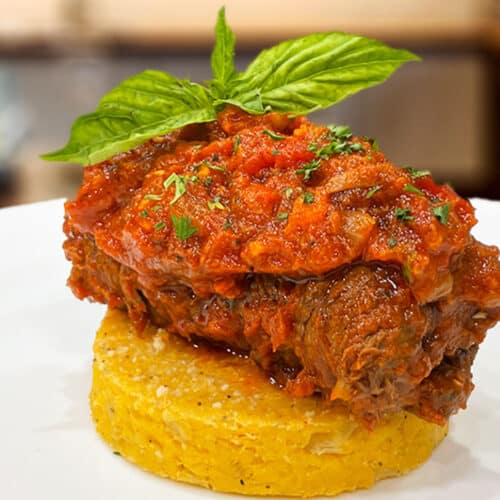
Plate your masterpiece, sprinkle on more cheese, and top with a few basil leaves—tear them by hand if you’re feeling fancy. Put a chunk of that tender meat right on top—gorgeous, right?
Pro-Tips
Special Techniques, Tips, and Tricks:
Caramelizing Onions: Take your time—low heat and a little patience turn them into sweet, golden magic.
Searing the Meat: Get that beef brown and beautiful—it’s the flavor foundation. Do it in batches if the pot’s crowded.
Deglazing: Scrape the pot bottom with the wine like you’re hunting treasure—those bits are pure gold!
Low and Slow: This isn’t fast food, friends. Let it simmer until the meat surrenders—it’s worth the wait.
Pasta Water Trick: A splash of that starchy goodness makes the sauce cling to the pasta like a best friend.
Cheese Caution: Pecorino Romano’s a salt bomb—taste before you season, or you’ll regret it!
There you go, friends . . .
a Pasta Genovese that’s easy, affordable, and downright delicious. It’s not my grandma’s exact recipe (sorry, Nonna!), but these little twists make it sing.You can find all this stuff at the grocery store—no fancy suppliers needed. Now, go cook this up, share it with your crew, and save me a bite.Be sure to leave a comment and 5 stars if you love it, and thanks for joining me—let’s eat!
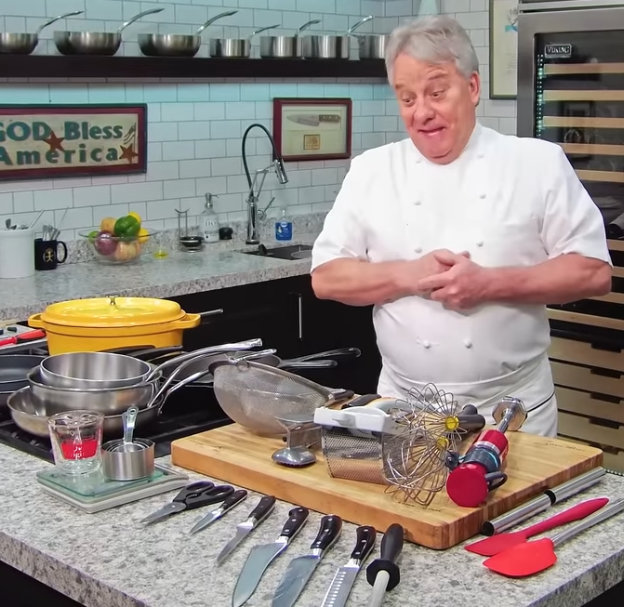
Equipment - You can find the items below at our online store!
Pasta Genovese is a traditional Neapolitan dish featuring a slow-cooked beef and onion ragù. Despite its name, it originates from Naples, not Genoa. The sauce, known as ‘La Genovese,’ combines tender beef and sweet, caramelized onions, resulting in a rich and flavorful pasta dish.
2. How does Pasta Genovese differ from other Italian Ragùs?
Unlike the tomato-based ragù alla Bolognese, Pasta Genovese relies heavily on onions for its sauce. The abundance of onions creates a unique sweetness and depth of flavor, setting it apart from other Italian meat sauces.
3. What cut of beef is best for Pasta Genovese?
Beef chuck roast is ideal for Pasta Genovese due to its marbling and connective tissues. When slow-cooked, this cut becomes tender and imparts a rich flavor to the sauce.
4. Why are so many onions used in Pasta Genovese?
The recipe traditionally uses twice the weight of onions to beef. This abundance of onions cooks down to form a sweet and savory sauce, which is the hallmark of Pasta Genovese.
5. Can I add other vegetables to the sauce?
Yes, incorporating a soffritto of finely diced carrots and celery adds depth to the sauce. While not always traditional, these vegetables enhance the overall flavor profile.
6. Is it necessary to caramelize the onions?
Caramelizing the onions before combining them with the beef enhances their sweetness and adds complexity to the sauce. This step, though not always traditional, elevates the dish’s flavor.
7. What type of pasta pairs best with Genovese sauce?
Short pasta shapes like rigatoni, ziti, or paccheri are ideal. Their hollow centers and ridges effectively capture the hearty beef and onion sauce.
8. Can I use red wine instead of white wine in the recipe?
While white wine is traditional, using red wine can impart a richer flavor to the sauce. Both variations are acceptable and depend on personal preference.
9. How long should I cook the sauce?
The sauce benefits from slow cooking over low heat for about 2.5 to 3.5 hours. This duration allows the beef to become tender and the flavors to meld beautifully.
10. Should I cook the sauce covered or uncovered?
Cooking the sauce covered helps retain moisture, preventing it from drying out. This method ensures a luscious and well-integrated sauce.
11. How do I know when the beef is properly cooked?
The beef is ready when it becomes very tender and easily falls apart. You should be able to shred it with a fork without resistance.
12. Can I prepare Pasta Genovese in advance?
Absolutely. The flavors often deepen when the sauce is made a day ahead. Store it in the refrigerator and reheat gently before serving.
13. What cheeses complement Pasta Genovese?
Pecorino Romano and Parmigiano Reggiano are excellent choices. Their sharp and salty profiles enhance the rich flavors of the dish.
14. How should I store leftover Pasta Genovese?
Store leftovers in an airtight container in the refrigerator. Proper storage ensures the dish maintains its quality for future enjoyment.
15. What’s the best way to reheat Pasta Genovese?
Reheat gently on the stovetop over low heat, adding a splash of reserved pasta water or beef stock to maintain the sauce’s desired consistency.
Chef Jean-Pierre, born in Aix-en-Provence, France, honed his culinary skills at a young age, mastering the art of charcuterie by the age of twelve. Determined to become a chef, he began his formal apprenticeship at L'Oustau de Baumaniere in Provence, one of the world’s best restaurants with a 3-star Michelin rating.
Jean-Pierre continued his apprenticeship on the French Riviera where he worked at famous restaurants, such as L’Oasis at La Napoule, Le Vendome in Aix-en-Provence, and the the Carlton in Cannes. In 1976, he opened The Left Bank Restaurant, consistently recognized as one of the best in America for 22 years by magazines like "Bon Appetit," "Conde Nast," "Gourmet Magazine" and "Travel & Leisure."
Jean-Pierre was also a popular TV personality, having hosted National Public Television series like "Incredible Cuisine” and "Sunshine Cuisine." He was also nominated for "Best Culinary Video" by the James Beard Foundation and operated the nationally renowned “Chef Jean-Pierre's Cooking School” and was a sought-after guest on shows like "The Today Show" and "Larry King Live."
With over 2 Million Subscribers to his Chef Jean-Pierre YouTube Channel, he is a widely respected figure in the culinary world, known for his skill and dedication to his craft, but even more so known for making gourmet cooking fun and easy to learn.
This was absolutely delicious and that’s coming from someone who is not a huge pasta fan. I used lentil pasta and it worked great. I was concerned about the meat not getting tender enough because when I think chuck it reminds me of overcooked pot roast. The meat fell apart beautifully and all those onions disappeared/melded into the finished dish. Note to self, always watch the video before venturing into chef’s recipes. This recipe is definitely on our favorite recipe list.
I made this 2 days ahead of time. I deglazed without wine for guests that can’t consume alcohol, they have since had to cancel.
My question, can I now reduce the wine reduce, and add while reheating, or should I leave well enough alone?
I’m troubled by tomato paste in a cast iron dutch oven. I thought red wine, any vinegar, and any tomato is a problem for cast iron. I bought an enamels cast iron dutch oven because I ruined your pot roast recipe in my cast iron. Never again. Enamel is the way to go.
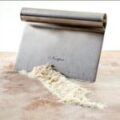
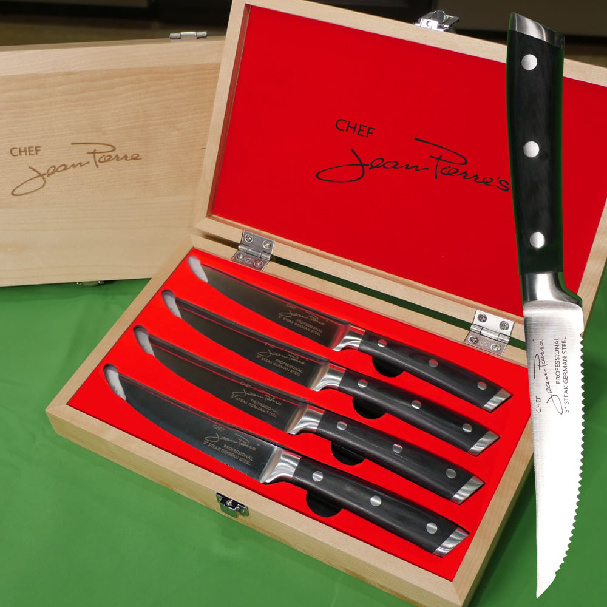
5-inch high-carbon German Stainless Steel blade will effortlessly slice through your steak, bread, vegetables, and fruits. The handle is ergonomically designed Pakka Wood. Makes a perfect gift presented in a beautifully crafted wooden box.















Boy, is that a great recipe! Delicious! I could eat this recipe every week!
This was absolutely delicious and that’s coming from someone who is not a huge pasta fan. I used lentil pasta and it worked great. I was concerned about the meat not getting tender enough because when I think chuck it reminds me of overcooked pot roast. The meat fell apart beautifully and all those onions disappeared/melded into the finished dish. Note to self, always watch the video before venturing into chef’s recipes. This recipe is definitely on our favorite recipe list.
The family really enjoyed this recipe! The only thing I did differently was to reduce the onions. I just didn’t have enough room in my large skillet.
Does it REALLY call for 4 POUNDS of onions? Or is that a mistake on the recipe?
Hi Chris, thanks for reaching out. 4lbs of onions is correct when using 2 pounds of Beef Chuck. Basically you want to use twice as much onion as beef.
I made this 2 days ahead of time. I deglazed without wine for guests that can’t consume alcohol, they have since had to cancel.
My question, can I now reduce the wine reduce, and add while reheating, or should I leave well enough alone?
I’m troubled by tomato paste in a cast iron dutch oven. I thought red wine, any vinegar, and any tomato is a problem for cast iron. I bought an enamels cast iron dutch oven because I ruined your pot roast recipe in my cast iron. Never again. Enamel is the way to go.