Hello, friends! Today, I’m thrilled to share the secrets of a fantastic classic that many of you have been asking for, an amazing Split Pea Soup recipe. It’s a soup with a rich history and flavor, a dish that has traveled through time from ancient cultures to our modern kitchens.
The Rich History of Split Pea Soup
Did you know that split pea soup dates back to ancient times? It was a staple for the Greeks and Romans, and it’s fascinating how it has stood the test of time, adapting to various cultures and tastes. From the smoky Dutch ‘Erwtensoep’ to the vibrant variations in the Caribbean, this soup has been warming hearts and bellies around the globe.
Perfect Pairings: What to Serve with Split Pea Soup
When it comes to pairing, Split Pea Soup is a versatile star. It shines alongside crusty bread, perfect for dipping and savoring every last drop. But why stop there? Imagine a side of fresh, crisp salad, adding a light, refreshing contrast to the soup’s rich depth. Or perhaps, for a heartier meal, serve it with a slice of savory quiche or a grilled cheese sandwich, turning a simple dinner into a feast for the senses. The beauty of Split Pea Soup lies in its ability to complement a wide range of dishes, making it a perfect centerpiece for any meal.
Elevating Your Spilt Pea Soup Recipe
Here’s where you can get creative! I love adding a sprinkle of bacon bits for that extra salty crunch, or some homemade croutons for a delightful contrast. And let’s not forget a handful of fresh herbs – parsley, dill, or thyme – just pick your favorite and sprinkle generously.
Pro Tip: The Magic of the Mirepoix
Mirepoix, my friends, is a classic base used in cooking to provide a flavor foundation for a wide array of dishes, particularly soups. Originating from French cuisine, this aromatic trio consists of onions, carrots, and celery, typically chopped to a uniform size to ensure even cooking.
This not only makes your soup more visually appealing but ensures that everything cooks evenly. And don’t forget the leek – it’s the unsung hero that brings a subtle, sweet depth to your soup. For an even richer flavor, caramelize your mirepoix slightly before adding the split peas and liquid.
Bonus Pro Tip: The Finish Touch
Add the ham pieces towards the end of the cooking process. This ensures they remain tender and flavorful, rather than turning tough and chewy. Remember, the ham is already cooked; we’re just warming it through and letting it mingle with the other flavors.
So, there you have it, friends – a guide to creating a Split Pea Soup that warms the heart and soothes the soul. Whether it’s a cold winter night or a cool spring evening, this soup is sure to bring comfort and joy to your table.
So tie on your apron, grab your spoon, and let’s get cooking!
Savor the comfort of homemade Split Pea Soup, a classic dish that warms the soul with its hearty flavors. This recipe brings together the richness of bacon and ham, the sweetness of carrots and leeks, and the earthiness of split peas in a beautifully thick and creamy soup. Perfect for any season!
1tablespoonFresh Thyme, to taste (or ½ of dry thyme)
6cupsChicken or Vegetable Stock
2Carrots, cut into wheels
2Celery Stalks, chopped
1Leek white and light green parts, chopped
1/3poundabout Ham, cubed
1Smoked Pork Hock
Salt and Pepper, to taste
Garlic Croutons for serving
Get Recipe Ingredients
Prevent your screen from going dark
Recipe Instructions
If time allows, soak the split peas in water overnight, or boil for 5 minutes and let sit in the hot water for 30 minutes. This helps them cook more tenderly. Drain the split peas before using.
In a large soup pot, begin by cooking the bacon at low heat (not to burn the lean part before the fat has time to render).
Add the chopped onion to the bacon and cook until translucent and slightly golden. Add the garlic and when you can smell it, add the stock to avoid burning it!
Add the reserved peas, carrots, celery, and pork hock into the pot. Season with salt and pepper.
Bring the mixture to a boil, then reduce the heat and simmer. The soup will start to thicken as the split peas cook and break down.
After about an hour and a half, check the soup's consistency and mix well to break the peas and release the starch for a thinker soup. Add the ham and adjust the seasoning as needed. If the soup is too thick, you can add more stock to reach your desired consistency.
Just before serving, remove the pork hock. Optionally, you can shred some of its meat and add it back to the soup. Adjust the seasoning if necessary.
Serve the soup hot, garnished with garlic croutons for added texture and flavor. For a visual appeal, you can add a few carrot wheels on top of each serving.
This Split Pea Soup recipe is a testament to the joy of cooking and the richness of simple ingredients coming together to create a fulfilling meal. Its thick, creamy texture and robust flavors make it a comforting choice for any day.
Equipment - You can find the items below at our online store!
The inherent creaminess of Split Pea Soup is due to the nature of split peas themselves. As they cook, these peas soften and release their natural starches into the broth, which acts as a thickening agent. This process is gradual and requires the peas to simmer over time, allowing them to fully break down and merge their flavors with the liquid, resulting in a naturally thick and creamy texture without the need for cream or flour.
To enhance this creamy texture, some cooks prefer to blend part or all of the soup once the peas are fully cooked. This step is optional but can create an even smoother consistency, particularly appealing for those who prefer a less chunky soup. Remember, the key to a creamy texture lies in the cooking time and the split peas’ quality, so be patient and allow them to simmer until perfectly softened.
2) How can I enhance the flavor of my Split Pea Soup Recipe?
Flavor enhancement in Split Pea Soup can begin with the foundational elements: the aromatics and the broth. Sauteeing onions, carrots, and celery in a bit of oil or the rendered fat from bacon or ham adds a deep flavor base. This technique, known as sweating the vegetables, releases their natural sugars and flavors, which become integral to the soup’s overall taste. Additionally, using a rich, homemade stock or broth as the liquid component instead of water can significantly boost the soup’s flavor profile.
Beyond the base, integrating herbs such as thyme, bay leaves, and parsley can add layers of flavor. Smoked meats like ham hocks, bacon, or smoked turkey legs contribute a savory depth and richness that complements the earthy tones of the split peas. Don’t forget to season the soup well with salt and pepper, adjusting according to taste and dietary needs. For an extra flavor boost, consider finishing the soup with a splash of vinegar or lemon juice to brighten the flavors and cut through the richness.
3) Why are my split peas not softening?
If you find that your split peas are not softening as expected, there could be a few reasons. Older peas can be particularly stubborn due to decreased moisture content, making them take longer to cook. Additionally, the quality of the water can affect the cooking process; hard water, which is high in minerals, can prevent the peas from softening effectively. Always check the expiration date on your split peas and try to use fresh peas whenever possible for the best results.
Another method to ensure your split peas soften properly is to soak them overnight before cooking. While this step is not always necessary, it can help accelerate the cooking process and lead to a more tender pea. If you’re already mid-cooking and the peas aren’t softening, try adding a pinch of baking soda to the soup to alter the pH level, which can help break down the peas more quickly. Just be mindful to add only a small amount to avoid altering the flavor of your soup.
4) Can I make this Split Pea Soup Recipe in a slow cooker?
Creating Split Pea Soup in a slow cooker is not only feasible but also incredibly convenient. The slow cooker method allows for the ingredients to simmer and meld over several hours, which can enhance the soup’s depth of flavor and ensure that the split peas are thoroughly cooked and tender. When preparing split pea soup in a slow cooker, combine all ingredients in the pot and set it to cook on low for 7-8 hours or on high for 4-5 hours, checking toward the end to ensure the peas have softened and the flavors have melded.
One of the benefits of using a slow cooker is the ‘set it and forget it’ convenience, which is perfect for busy days. However, since there is less evaporation in a slow cooker, you might need to adjust the amount of liquid used. Start with slightly less broth or water than you would use for stovetop cooking, as you can always add more towards the end of cooking if needed. Also, consider adding the ham or other meat at the beginning of cooking to infuse the soup with a rich, smoky flavor as it cooks.
5) How do I store and reheat Split Pea Soup?
Proper storage of Split Pea Soup can extend its shelf life and preserve its flavor and texture. Once the soup has cooled to room temperature, transfer it into airtight containers and refrigerate. Properly stored, split pea soup can last up to four days in the refrigerator. If you have made a large batch and wish to keep it for longer, freezing is an excellent option. Pour the cooled soup into freezer-safe containers or bags, leaving some space for expansion, and freeze for up to three months.
Reheating Split Pea Soup is straightforward. If the soup has been frozen, allow it to thaw overnight in the refrigerator before reheating. To reheat, transfer the soup to a pot and warm it over medium heat, stirring occasionally. If the soup has thickened more than desired, thin it with a little water or broth until you reach the preferred consistency. Always reheat the soup until it is hot throughout, and adjust seasoning as necessary before serving.
6) Is Split Pea Soup Recipe healthy?
Split Pea Soup is renowned for its health benefits, as it is rich in fiber, protein, and essential nutrients while being relatively low in calories. The split peas themselves are an excellent source of plant-based protein and fiber, which can aid in digestion and help maintain a healthy weight. When packed with vegetables like carrots, celery, and onions, the soup becomes a nutrient-dense meal that can contribute to your daily vegetable intake.
While the traditional recipe includes ham or bacon, which adds flavor and depth, those looking to reduce fat intake can omit these ingredients or use leaner cuts of meat. For vegetarians or those seeking to reduce meat consumption, the soup can be made with vegetable broth and additional vegetables without sacrificing flavor. Regardless of variations, Split Pea Soup remains a hearty, comforting, and nutritious option suitable for various dietary needs.
7) How long should I cook Split Pea Soup Recipe?
Cooking time for Split Pea Soup can vary based on cooking method and whether the peas were pre-soaked. On the stovetop, expect the soup to take about 1.5 to 2 hours to ensure the peas are thoroughly softened and the flavors well integrated. It’s essential to simmer the soup gently to avoid burning while allowing enough time for the peas to break down completely and contribute to the soup’s creamy texture.
In a slow cooker, the soup can take 7-8 hours on low or 4-5 hours on high. Regardless of the method, the key is to ensure that the split peas have become tender and the soup has reached the desired consistency. Some peas may take longer to cook depending on their age and the hardness of the water, so adjust cooking times as necessary. Test the soup periodically and continue cooking until the peas are completely soft and the flavors melded.
8) What do I do if my Split Pea Soup Recipe is too salty?
If your Split Pea Soup turns out too salty, there are several ways to correct it. One method is to add more liquid, such as water or unsalted broth, which dilutes the overall saltiness. Another technique is to add more split peas or vegetables, which will absorb some of the salt and balance out the flavors. Be cautious with adding ingredients as they will need time to cook and integrate into the soup.
Alternatively, introducing an ingredient like a diced potato can help absorb excess salt. Just remember that the potato will need to be cooked until tender and then either removed or mashed into the soup depending on your preference. Remember, it’s easier to add salt at the end than to correct an overly salty soup, so add salt gradually and taste as you go.
9) Can I freeze Split Pea Soup?
Yes, Split Pea Soup freezes very well, making it a great make-ahead meal. Allow the soup to cool completely after cooking, then transfer it to freezer-safe bags or containers. Leave some space at the top of the containers for expansion as the soup freezes. Properly stored, the soup can last up to three months in the freezer. When you’re ready to enjoy, thaw the soup overnight in the refrigerator or use the microwave for quicker thawing.
To reheat, transfer the soup to a pot and warm it over medium heat, stirring occasionally to ensure even heating. If the soup appears too thick upon thawing, simply add some water or broth while reheating to achieve your preferred consistency. This way, you can enjoy homemade Split Pea Soup even on busy days when time for cooking is limited.
10) Is Split Pea Soup healthy?
Split Pea Soup is considered a healthy option due to its high fiber content, plant-based protein, and low fat levels, especially if made with lean ham or without meat. The soup provides essential nutrients while being relatively low in calories, making it a wholesome choice for those looking to maintain a balanced diet. Additionally, the vegetables in the soup contribute vitamins and minerals, enhancing its nutritional profile.
For an even healthier version, you can increase the number of vegetables, use low-sodium broth, and omit or limit high-salt meats like ham or bacon. This can make the soup suitable for various dietary needs, including vegetarian or low-sodium diets. As with any dish, moderation is key, and balancing your meal with a variety of foods will contribute to a healthy diet.
11) What variations can I make to traditional Split Pea Soup?
Traditional Split Pea Soup is quite versatile, and there are numerous variations you can make depending on your taste preferences and dietary needs. For a vegetarian or vegan version, omit the ham and use vegetable stock or water as the base. You can also add different vegetables such as potatoes, sweet potatoes, leeks, or squash to create different flavors and textures.
For those who enjoy a smokier flavor, adding smoked paprika, liquid smoke, or even smoked turkey can provide depth without traditional ham. Spices such as cumin, coriander, or curry powder can transform the soup into a more exotic dish. Experimenting with garnishes like fresh herbs, yogurt, or croutons can also change the soup’s character and presentation, making it adaptable to many tastes and occasions.
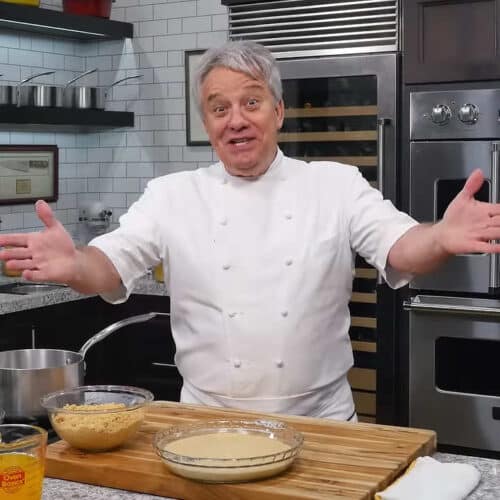
Chef Jean-Pierre, born in Aix-en-Provence, France, honed his culinary skills at a young age, mastering the art of charcuterie by the age of twelve. Determined to become a chef, he began his formal apprenticeship at L'Oustau de Baumaniere in Provence, one of the world’s best restaurants with a 3-star Michelin rating.
Jean-Pierre continued his apprenticeship on the French Riviera where he worked at famous restaurants, such as L’Oasis at La Napoule, Le Vendome in Aix-en-Provence, and the the Carlton in Cannes. In 1976, he opened The Left Bank Restaurant, consistently recognized as one of the best in America for 22 years by magazines like "Bon Appetit," "Conde Nast," "Gourmet Magazine" and "Travel & Leisure."
Jean-Pierre was also a popular TV personality, having hosted National Public Television series like "Incredible Cuisine” and "Sunshine Cuisine." He was also nominated for "Best Culinary Video" by the James Beard Foundation and operated the nationally renowned “Chef Jean-Pierre's Cooking School” and was a sought-after guest on shows like "The Today Show" and "Larry King Live."
With over 2 Million Subscribers to his Chef Jean-Pierre YouTube Channel, he is a widely respected figure in the culinary world, known for his skill and dedication to his craft, but even more so known for making gourmet cooking fun and easy to learn.
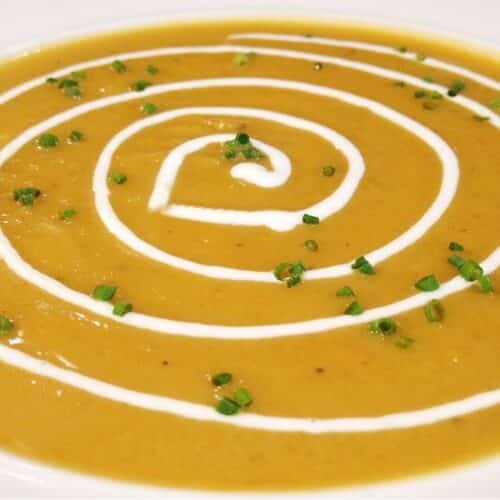
A Fantastic Butternut Squash Soup Recipe! This is an Incredible Butternut Squash Soup Recipe! Hello friends, looking for the perfect Thanksgiving soup recipe? Join me as I share how…
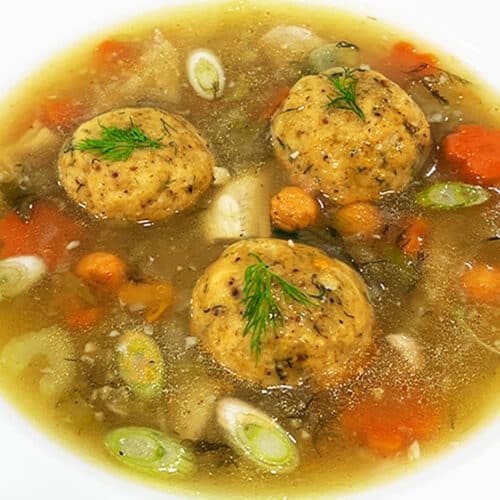
Matzo Ball Soup Fluffy Matzo Balls in a Rich, Homemade Chicken Broth
3 Comments
David Mackenzie
on April 6, 2024 at 5:26 pm
I just made this today and followed this recipe exactly. THE BEST SPLIT PEA SOUP *EVER*!
Don’t hesitate to make this. It’s fantastic. As are all the other recipes here from Chef Pierre.
Chef: Thank you for such a wonderful recipe. I made the Pea Soup for my family yesterday and it was a huge hit. I think half the fun was in the prep and having a proper mise en place to begin. It happened to be a rainy day in New England so it made it even more fun to enjoy the entire process. My family LOVED the soup and I also made some adult grilled cheese sandwiches to go with it. Love your channel and all that you do. My good friend Joe Chellew turned me on to your channel about a year ago and it has become a great source of learning and entertainment. While I’m nearing my 70th birthday, “Even a Child could do it” makes it less intimidating….Thank you! (And at the last minute, i needed to thicken the soup so i dialed up Joe for an assist and he coached me up on a slurry)…
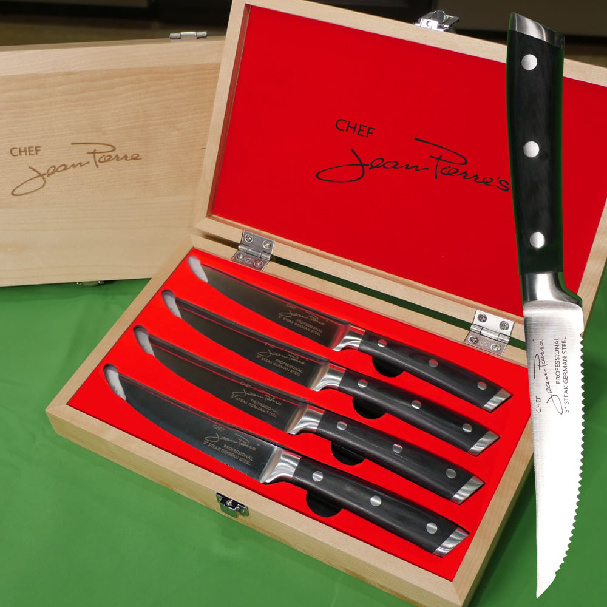
5-inch high-carbon German Stainless Steel blade will effortlessly slice through your steak, bread, vegetables, and fruits. The handle is ergonomically designed Pakka Wood. Makes a perfect gift presented in a beautifully crafted wooden box.











I just made this today and followed this recipe exactly. THE BEST SPLIT PEA SOUP *EVER*!
Don’t hesitate to make this. It’s fantastic. As are all the other recipes here from Chef Pierre.
Terrific recipe to follow… Terrific soup to eat.
Chef: Thank you for such a wonderful recipe. I made the Pea Soup for my family yesterday and it was a huge hit. I think half the fun was in the prep and having a proper mise en place to begin. It happened to be a rainy day in New England so it made it even more fun to enjoy the entire process. My family LOVED the soup and I also made some adult grilled cheese sandwiches to go with it. Love your channel and all that you do. My good friend Joe Chellew turned me on to your channel about a year ago and it has become a great source of learning and entertainment. While I’m nearing my 70th birthday, “Even a Child could do it” makes it less intimidating….Thank you! (And at the last minute, i needed to thicken the soup so i dialed up Joe for an assist and he coached me up on a slurry)…