Snapper Francese Recipe

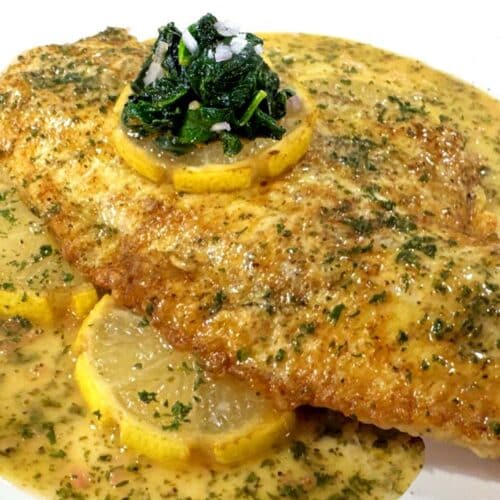
Hello, friends! Today we're making a beautiful Yellowtail Snapper Francese, the old-fashioned way! Fresh snapper, lightly coated in flour and egg, sautéed in butter until golden, and finished with a delicious lemon butter sauce. A little shallots, white wine, fresh lemon zest, and just a touch of sweetness make this sauce absolutely wonderful! And we're serving it with some quickly sautéed spinach. Simple, elegant, and perfect for a dinner party! Remember, my friends, great cooking doesn't have to be complicated. Just have your mise en place ready, and let's get cooking!
Recipe Video
Recipe Ingredients
For the Yellowtail Snapper
- 4 Yellowtail Snapper Fillets approximately 6 ounces (170g) each
- 1 cup All-Purpose Flour 125g (Approx.)
- 2 Large Eggs beaten
- 2 tbsp Lemon-Infused Olive Oil or regular olive oil 30ml
- 2 tbsp Unsalted Butter 28g
- Salt and Freshly Ground Black Pepper to taste
For the Lemon Butter Sauce
- 2 tbsp Unsalted Butter, for sweating the shallots 28g
- 2 tbsp Shallots, finely chopped - 20g
- 2 tbsp Fresh Lemon Juice, plus more to taste 30ml
- 1 tbsp Aged Sicilian Lemon White Balsamic Vinegar (optional) 15ml
- 1 tbsp Lemon-Infused or regular Olive Oil (optional) 15ml
- Zest of 1 Lemon
- 3 ounces Dry White Wine 90ml
- ½ cup Chicken Stock or Vegetable Stock (optional, for additional sauce) 120ml
- 1 to 2 tsp Cornstarch, mixed with a little cold water (optional) 3g to 6g
- 3 tbsp Cold Unsalted Butter, to finish the sauce 42g
- 1 tbsp Fresh Parsley, chopped 4g
- Salt and Freshly Ground Black Pepper to taste
For the Sautéed Spinach
- 1 tbsp Lemon-Infused Olive Oil 15ml
- 8 oz Fresh Baby Spinach 225g
- 1 tbsp Shallots, finely chopped 10g
- Salt and Freshly Ground Black Pepper to taste
For Garnish
- 1 Fresh Lemon thinly sliced
- Fresh Parsley optional

Recipe Instructions
Prepare the Lemon Butter Sauce
- In a saucepan over medium-low heat, melt the butter and add the finely chopped shallots. Sweat them gently until softened and fragrant, being careful not tobrown them.
- Add the fresh lemon juice, Sicilian lemon white balsamicvinegar, and lemon-infused olive oil.
- Using a microplane, zest the lemon directly into the saucepan. Remember, my friends, the lemon juice gives you acidity, but the zest is where you get that wonderful, concentrated lemon aroma!
- Add the white wine and allow it to reduce gently until most of the liquid has evaporated. This concentrates the wine's flavor and softens its sharpness.
- Keep the sauce warm over very low heat while preparing the fish.
My friends, there is something absolutely intoxicating about the smell of shallots cooking in butter! I could stand here and smell that allday. But we have dinner to make, so let's keep going!
The aged lemon balsamic vinegar adds a beautiful touch of sweetness that balances the acidity of the lemon juice. If you don't have it, don't worry! Just leave it out and adjust the lemon juice to your taste. I would not substitute regular vinegar because it doesn't have that same sweet lemon flavor.
If you prefer not to use wine, substitute chicken stock or vegetable stock. You can also add a little additional stock later if you wantmore sauce, especially when cooking for a dinner party.
Prepare the Yellowtail Snapper
- Preheat your oven to 325°F (165°C).
- Pat the snapper fillets dry with paper towels and season both sides with salt and freshly ground black pepper.
- Place the flour in a shallow dish and season lightly with salt and pepper. In a separate shallow dish, beat the eggs and season them as well.
- Dredge each fillet lightly in the flour, shaking off any excess.
- Dip the floured fillets into the beaten eggs, making sure they are evenly coated on both sides.
- Sauté the Fish
- In a large frying pan over medium heat, warm the lemon-infused olive oil and butter.
- When the butter begins to foam gently, carefully place the egg-coated snapper fillets into the pan, presentation side down first.
- Cook gently until the egg coating is lightly golden and set, approximately 2 to 3 minutes per side, depending on the thickness of the fillets.Avoid excessively high heat. We want a delicate, golden coating, not a dark crust.
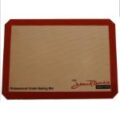
- Transfer the sautéed fillets to a baking sheet lined with parchment paper or a silicone baking mat.
- Place the fish in the preheated oven to finish cooking, approximately 3 to 6 minutes, depending on thickness and how much it cooked in the pan. The fish should be opaque and flake easily with a fork. For food safety, the recommended internal temperature is 145°F (63°C).
When buying fresh fish, look for firm flesh, a clean ocean aroma, and a bright, fresh appearance. Fresh fish should never have a strong, unpleasant fishy smell.
The flour is important, my friends! It creates a dry surface so the egg can adhere properly. Without the flour, the egg coating would slide right off that beautiful fish!
Remember, my friends, the pretty side always goes down first! That's the side your guests will see when you serve the fish.
This technique works beautifully with other delicate fish, such as sole, flounder, tilapia, or pompano. Just remember to adjust the cooking time according to the thickness of the fish.
For a dinner party, you can prepare the sauce and other ingredients ahead of time, then sauté and finish the fish shortly before serving.
Finish the Lemon Butter Sauce
- While the fish finishes cooking, return your attention to the sauce. Add a few thin slices of lemon and the chopped parsley.
- Once the sauce reaches the desired consistency, reduce the heat to very low or remove the saucepan from the heat.
- Whisk in the cold butter, a little at a time, until the sauce becomes smooth, glossy, and beautifully rich.
- Taste and adjust with salt, pepper, and additional lemon juice if necessary.
If you would like additional sauce, add a little chicken or vegetable stock and bring it to a gentle simmer.If the sauce seems too thin, stir in a very small amount of the cornstarch slurry. Start with approximately 1 teaspoon (5ml) of theprepared slurry and add more only if necessary.Remember, we're not making gravy, my friends! We want just enough body for the sauce to lightly coat the fish.
The secret is balance. You want the acidity of the lemon, the subtle sweetness of the balsamic, and the richness of the butter working together.If it's too acidic, a little more butter can soften the sharpness. If it needs more brightness, add another squeeze of lemon.That's cooking, my friends! Taste, adjust, and make itexactly the way you like it.
Sauté the Spinach
- In a large sauté pan or wok, heat the lemon-infused olive oil over medium-high heat.
- Add the fresh spinach and finely chopped shallots.
- Season with salt and freshly ground black pepper.
- Toss continuously until the spinach has just wilted, approximately 1 to 2 minutes.
- Remove from the heat immediately.
Don't overcook it! Fresh spinach cooks incredibly quickly,and we want it tender while still maintaining its beautiful green color.
Plate and Serve
- Remove the snapper from the oven and carefully transfer each fillet to a warm serving plate using a fish spatula.
- Spoon the warm lemon butter sauce generously over the fish.
- Arrange a few decorative lemon slices around the plate.
- Add a portion of the sautéed spinach alongside or partially over the snapper.
- Finish with a little fresh parsley if desired.
And voilà, my friends! A beautiful Yellowtail SnapperFrancese, prepared the old-fashioned way!Look at that delicate golden fish, the gorgeous lemon buttersauce, and that beautiful spinach. It looks like something from a finerestaurant, but you made it right in your own kitchen!And remember, if you don't want to make the sauce, a simplesqueeze of fresh lemon over beautifully sautéed snapper is delicious too.Cooking should be fun, my friends. Have everything readybefore you begin, take your time, and enjoy the process.Bon Appétit!
Pro-Tips
Chef Jean-Pierre's Cooking Tips
- Choose fresh fish: Look for firm flesh, a fresh ocean smell, and a clean, vibrant appearance.
- Flour before egg: A light coating of flour helps the egg adhere to the fish and creates the characteristic Francese coating.
- Presentation side first: Always place the side you intend to serve facing up into the pan first for the best appearance.
- Control your heat: Moderate heat prevents the delicate egg coating from burning before the fish cooks.
- Reduce the wine: Allow the white wine to reduce before adding stock or finishing the sauce with butter.
- Balance your acidity: Lemon juice provides brightness, while butter and aged lemon balsamic help soften and balance the acidity.
- Don't overthicken: The sauce should be light, silky, and just thick enough to coat the fish.
- Cook spinach quickly: A brief sauté preserves its beautiful color and tender texture.
- Prepare ahead: Have the sauce ingredients, spinach, flour, and egg station ready before cooking. Finish the fish close to serving time.
Equipment - You can find the items below at our online store!






Nutrition
Calories: 667.34kcalCarbohydrates: 32.5gProtein: 43.3gFat: 38.88gSaturated Fat: 15.78gPolyunsaturated Fat: 3.67gMonounsaturated Fat: 16.64gTrans Fat: 0.81gCholesterol: 197.45mgSodium: 310.1mgPotassium: 1190.67mgFiber: 3.15gSugar: 2.94gVitamin A: 6382.15IUVitamin C: 37.8mgCalcium: 148.22mgIron: 4.17mg
Private Notes
