
Chicken Chardonnay

This Chicken Chardonnay is another version of the classic French Coq au Vin. We brown the chicken, cook plenty of vegetables with bacon, and braise everything in Chardonnay and chicken stock. The sauce is finished with a touch of cream, Cognac, and butter, making it rich, smooth, and absolutely delicious. You can use a whole chicken and cut it yourself—it costs less, gives you several different pieces, and leaves you with bones for homemade stock. My friends, nothing complicated here!
Recipe Video
Recipe Ingredients
For the Chicken
- 1 Whole Chicken Approximately 4 lbs, (1.8kg)
- to taste Salt & Black Pepper
- 1.5 cups All-Purpose FLour
- 3 tbsp Garlic Olive Oil plus more if needed
For the Braise — Vegetables and Bacon
- 1/4 lb Bacon sliced
- 1 large Onion cut into large dices
- 8 oz Mushrooms quartered
- 2 med Carrots cut into medium pieces
- 2 Celery Stalks cut into medium pieces
- 1 cup Bell Peppers cut into medium pieces, optional
For the Braise — Aromatics
- 1 tbsp Garlic chopped
- 2 tbsp Fresh Thyme or 1 Tablespoon (3g) Dried Thyme
- 1 Bay Leaf
For the Braising Liquid
- 2 cups Chardonnay
- 2 cups Chicken Stock
To Finish the Sauce
- 1/4 cup Heavy Cream
- 1.5 tblsp Cognac optional
- 1 tblsp Cornstarch
- 1 tblsp Water
- 1 tblsp Unsalted Butter
- 3 tblsp Fresh Parsley chopped and divided

Recipe Instructions
Mise-en-Place
- Break down the chicken. Remove the skin, because it will become soft during braising. Separate the legs, thighs, wings, breasts, and tenderloins. Cut each breast in half so the pieces cook more evenly. Save the skin, bones, and carcass for chicken stock.
- Prepare all the vegetables before you begin cooking. Quarter the mushrooms rather than slicing them so they maintain their texture during braising.
- Make the slurry. Combine the Cornstarch and Water until smooth, and set it aside.
Season and Brown the Chicken
- Season the Chicken generously with Salt and Black Pepper on both sides. Lightly coat each piece with Flour and shake off the excess. The Flour helps create a golden crust and gives the sauce a little body.
- Heat the Olive Oil in a large skillet over medium-high heat. The oil should be approximately 365°F (185°C) before adding the Chicken. Brown the Chicken in batches without overcrowding the pan. We are developing color and flavor, not cooking the Chicken completely. Transfer the browned pieces to a plate.
Build the Base
- Place the Bacon in a large Dutch oven or braising pot over medium heat. Cook until it releases its fat but does not become crisp. Remove it from the pot and reserve. It will finish cooking in the sauce.
- Add the Onion to the bacon fat and cook until lightly golden. Cooking the Onion first removes some of its sharp sulfur flavor, develops its natural sweetness, and builds the foundation of the sauce.
- Add the Mushrooms and season lightly with Salt. Cook until they release their water and the liquid evaporates. Removing this moisture concentrates their flavor and improves their texture.
- Add the Carrots, Celery, and Bell Peppers. Continue cooking for a few minutes, allowing the vegetables to develop a little color.
Deglaze and Reduce the Chardonnay
- Pour the Chardonnay into the skillet used to brown the Chicken. Scrape the bottom to release all those caramelized goodies and simmer until the wine has reduced by approximately half. Reducing the wine removes its raw alcoholic flavor and concentrates the Chardonnay.
- Add the Garlic, Thyme, and Bay Leaf to the vegetables. As soon as you smell the Garlic, return the Bacon to the pot and pour in the reduced Chardonnay. Garlic cooks quickly, so we add the liquid as soon as its fragrance develops.
- Add the Chicken Stock and bring the sauce to a gentle simmer. Taste carefully before adding more Salt, especially if you are using store-bought stock.
Braise the Chicken
- Add the Thighs, Drumsticks, and Wings first. Cover partially and simmer gently for 10 minutes, then add the Breasts and Tenderloins. Dark meat requires more cooking time, while breast meat can become dry if it is overcooked.
- Continue cooking at a gentle simmer until the Breasts reach an internal temperature of 150°F to 155°F (66°C to 68°C) and the Thighs and Drumsticks reach at least 165°F (74°C), approximately 30 to 40 minutes depending on the size of the pieces. Remove each piece as it reaches the proper temperature.
Finish the Sauce and Serve
- Add the Heavy Cream, Cognac, and 2 Tablespoons of the Parsley. Remove and discard the Bay Leaf.
- Stir the Cornstarch slurry again and add it gradually to the boiling sauce. Wait several seconds before adding more, because Cornstarch must come to a boil before reaching its full thickening power. The finished sauce should lightly coat the back of a spoon and cling to the Chicken.
- Taste the sauce and adjust the seasoning with Salt and Black Pepper. Turn off the heat and stir in the Butter. Adding the Butter away from direct heat keeps the sauce creamy and prevents it from separating and becoming oily
- Return the Chicken to the pot and bathe it in the sauce. Sprinkle with the remaining Parsley and serve immediately.
Pro-Tips
Pro-Tip: Mise en Place
Everything prepped, measured, and in place before the heat goes on. This is the lesson I have taught the longest and the one you write to me about most, thousands of you, and it is not a formality. Cooking goes wrong when you are chopping garlic while the onions are browning. Do it whenever you like — in the morning, in the afternoon, keep it in the refrigerator, then take it all out when you are ready. When the pot is hot and everything is sitting there waiting for you, you can relax. You can talk. Maybe not as much as I talk, but you can talk. That is when cooking becomes fun instead of stressful.Bonus Pro-Tip: Onions Early, Garlic Late
Never put onions and garlic into the pan at the same time. They want opposite things. Onions need time — the longer they cook, the more sulfur escapes, and the sweeter and deeper they get. That caramelization is the backbone of the whole braise, and it cannot be rushed. Garlic is the exact opposite. The moment you smell garlic in the pan, it is giving up its fragrance, and if you do not capture it right then, it is gone. Another disappearance in my kitchen. So the onions go in early with the bacon fat, and the garlic goes in at the very end, right before the wine — and when you smell it, you move.Chef's Notes
- If you do not want to use wine, replace the Chardonnay with additional Chicken Stock. The flavor will be different, but the dish will still be delicious.
- Chardonnay works well because it adds acidity and fruitiness without overwhelming the Chicken.
- Bell Peppers are optional. I used them because I had them in the kitchen, and they add beautiful color.
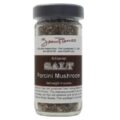
- Porcini mushroom salt can replace some of the regular Salt for additional mushroom flavor.
- Do not slice the Mushrooms too thinly. Thin slices can lose their texture and nearly disappear during braising.
- Heavy Cream, Cognac, and Butter are finishing ingredients. They should remain subtle and support the sauce without dominating it.
- Always cook Chicken according to its internal temperature rather than relying only on cooking time.
Let Me Know How Yours Turned Out
If you make this, please come back and rate the recipe ★★★★★ and leave me a comment telling me how your Chicken Chardonnay turned out. I read the comments every single day, sometimes for two hours, and I try to answer all of them. And settle the argument for me: after making it with white, are you Team Chardonnay, or are you staying loyal to the classic red-wine coq au vin? Tell me in the comments.Equipment - You can find the items below at our online store!
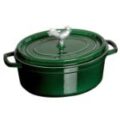


Nutrition
Calories: 688.7kcalCarbohydrates: 59.54gProtein: 15.52gFat: 32.61gSaturated Fat: 11.11gPolyunsaturated Fat: 3.95gMonounsaturated Fat: 15.53gTrans Fat: 0.16gCholesterol: 47.19mgSodium: 409.23mgPotassium: 839.64mgFiber: 5.08gSugar: 9.46gVitamin A: 7699.22IUVitamin C: 74.82mgCalcium: 90.79mgIron: 4.92mg